Linux kernel 7.2 arrives with cache‑aware scheduling for AMD EPYC and Intel Xeon CPUs, late DRM rollbacks, a quirky Zenaim Leverless game controller, deprecation of PCMCIA and AppleTalk, and work to run efficiently on Apple M3 Macs, all announced by Linus Torvalds as a "new normal" driven by AI‑assisted development.
This guide shows how to use the virtualenv tool on Windows to create a Python 2 virtual environment by specifying the interpreter path, activate it, verify the Python version, and then deactivate it, with step‑by‑step commands and screenshots.
The article explains why the three‑decade‑old multipart/form-data format remains the standard for HTTP file uploads, detailing its encoding rules, how it differs from application/x-www-form-urlencoded, the structure of multipart requests, server‑side processing advantages, and why newer alternatives have not replaced it.
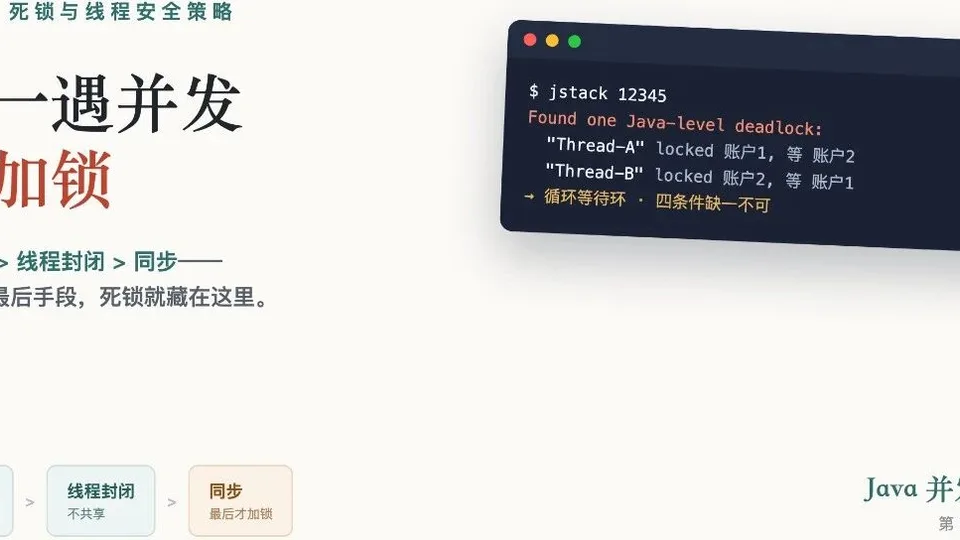
This article explains how deadlocks arise from four necessary conditions, shows how to detect them with jstack, outlines practical ways to prevent deadlock, distinguishes livelock and starvation, and presents three prioritized approaches—immutability, thread confinement, and synchronization—to achieve thread safety in Java.
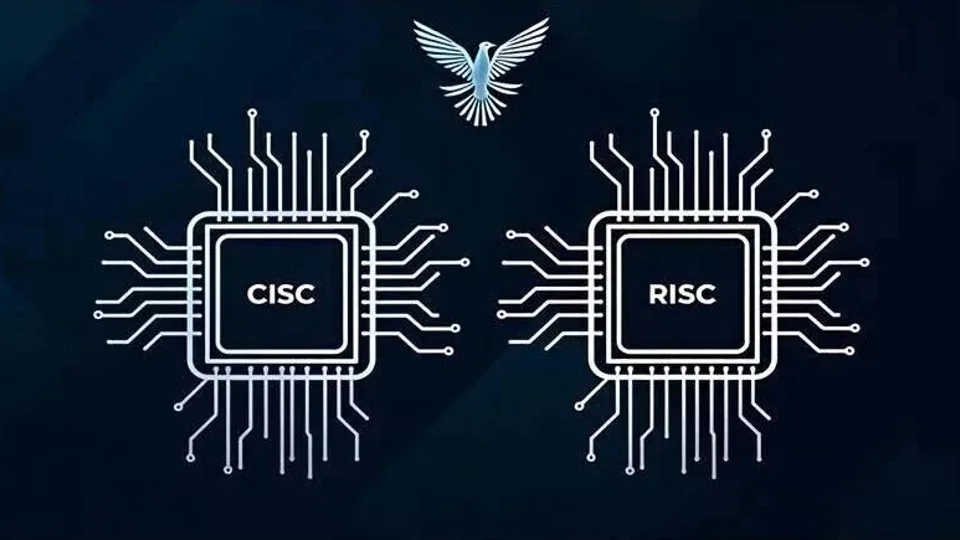
This article explains the fundamental differences between CISC and RISC architectures, covering their historical origins, design philosophies, characteristic trade‑offs, representative implementations, modern hybrid approaches, and the rising impact of ARM and RISC‑V in today’s computing landscape.
The August 2026 preview of MSVC Build Tools for Visual Studio v14.52 introduces extensive front‑end, module, optimizer, debugger, static analysis, and linker enhancements, along with dozens of bug fixes, and can be obtained via the Stable or Insiders channel.
The article traces Intel's early processor line‑up—from the 4004 to the 80486—explains how the “86” suffix created the x86 family, shows that the name is unrelated to bit width, and follows the later AMD64 extension and Windows naming that linked 32‑bit software to the “Program Files (x86)” folder.
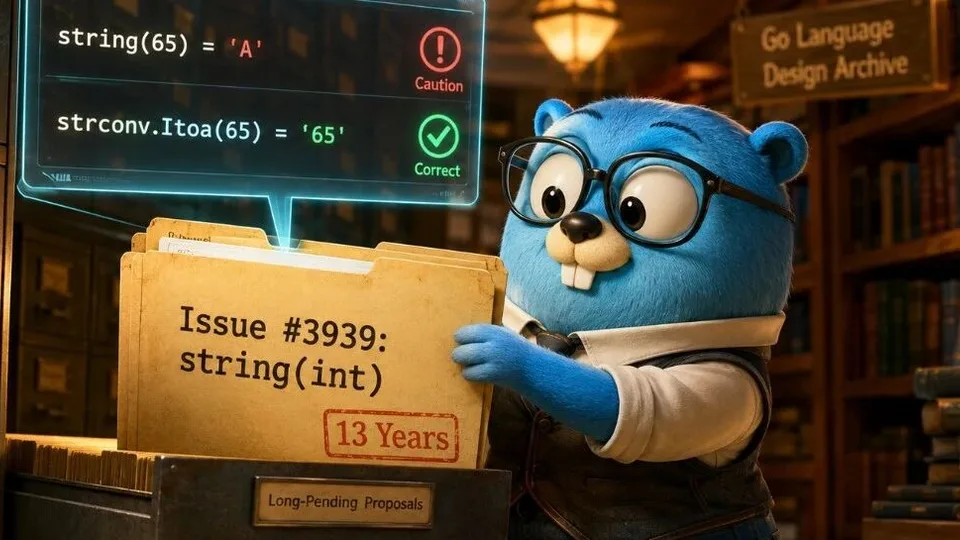
After 14 years of dormancy, Go’s proposal #3939 to remove the confusing string(int) conversion—originally added for early formatting—has been moved to the regular proposal committee, prompting analysis of its semantics, historical reasons, compatibility concerns, and possible future outcomes.
As AI coding agents accelerate UI changes, traditional selector‑based tests become brittle, so the article proposes five 2026‑ready testing fundamentals—intent‑driven specifications, built‑in self‑healing, native agent verification, PR‑gate quality checks, and storing tests alongside code—to align feedback speed with rapid delivery.
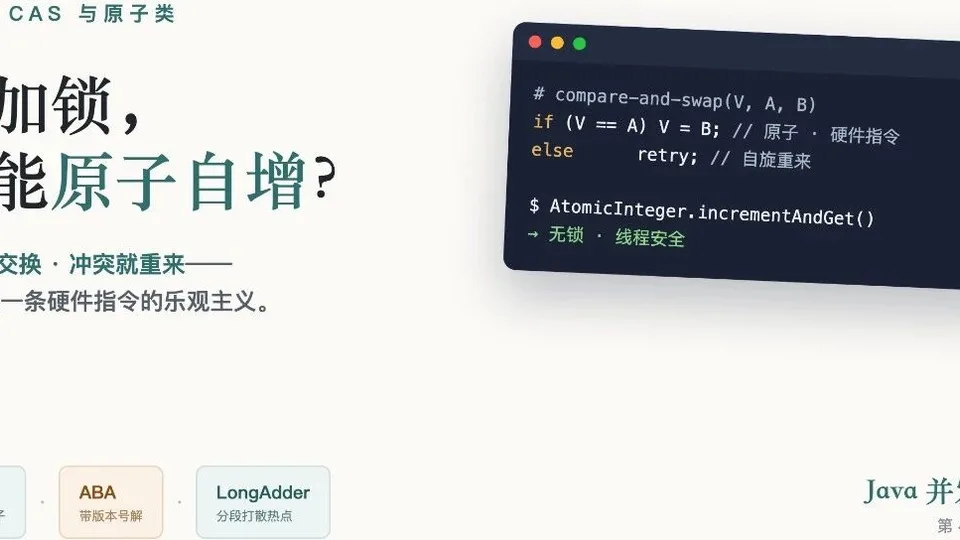
This article demystifies Java's Compare‑And‑Swap (CAS) instruction, shows how atomic classes like AtomicInteger achieve lock‑free increments, discusses CAS's three main drawbacks, surveys the entire java.util.concurrent.atomic family, and explains how LongAdder improves high‑contention counting.
This article explains Maven's role as a Java project manager, covering its core concepts, lifecycle, repositories, plugins, scopes, inheritance, practical setup steps, common use cases, advantages, drawbacks, real‑world project examples, and typical pitfalls.
A 2024 epidemiological study found taxi and ambulance drivers have the lowest Alzheimer death rates, likely due to continuous real‑time spatial mapping, and this article analogizes that mental‑map exercise to the ownership and borrowing discipline required by Rust programmers, while highlighting the lack of direct evidence.
Global variables are convenient in embedded projects but can cause memory waste, tight module coupling, hard‑to‑track bugs, and portability issues, especially in RTOS multitasking; this article explains the underlying memory layout, common traps, and practical techniques to use globals safely.
This article explains how Alan Turing's fictional machine defines what computation is, describes its five components, shows its ability to perform any calculation, compares it to modern computers, and introduces the halting problem and Turing test as foundational concepts in computer science.
The article explains how to construct a simple radio telescope using household materials, capture the 21‑cm hydrogen line, analyze Doppler‑shifted spectra to measure cloud velocities at various galactic radii, and demonstrate the flat rotation curve that signals the presence of dark matter.
The article argues that code age or outdated technology alone doesn't define legacy code; instead, when product requirements evolve and the old code must be repeatedly patched, it becomes legacy, while unchanged requirements allow even decade‑old code to remain good.
The article explains why seasoned engineers struggle with writing technical documents, identifies two root causes—rigid thinking and limited writing skill—and presents ten concrete guidelines, illustrated with real‑world examples, to help architects produce clear, structured, and reader‑friendly documentation.
This guide walks you through installing virtualenv on Windows, creating a named virtual environment, locating its files, activating it with activate.bat, checking the Python version, and properly deactivating the environment to keep Python2 and Python3 projects isolated.
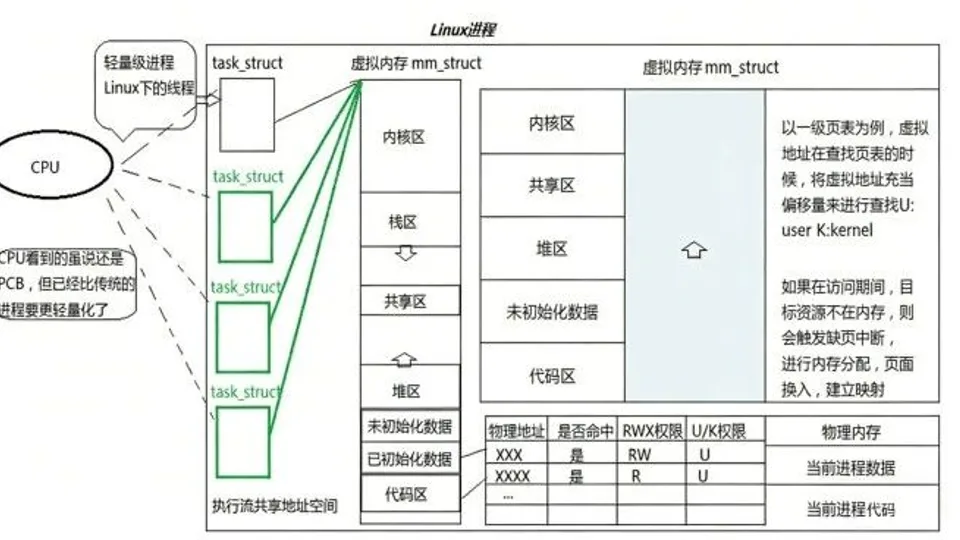
This article explains Linux process virtual address spaces, details the multi‑step internals of the C++ new operator, and analyzes its memory‑fragmentation, time, and space overheads through code examples and benchmarks, then offers practical mitigation techniques such as memory pools and smart pointers.
The article analyzes DeepSeek Harness's plugin‑based architecture, its Cordis core for reversible side‑effects, the four operational modes—including a creation mode that lets agents dynamically add or remove components—and the underlying research paper that formalizes spatiotemporal composability for self‑modifying AI agents.