The multi‑container hot‑update framework designed for Bilibili’s game SDKs combines a dynamic routing protocol with plugin, dynamic‑template, and web containers, enabling rapid feature delivery, low‑cost gray‑rollouts across platforms, high installation success, and mitigated integration pitfalls, thereby improving stability and operational efficiency.
The article explores how early 1980s game programmers managed extremely limited memory for graphics, audio, and code by using techniques such as tile-based rendering, simple audio synthesis, and data size estimation, highlighting the stark contrast with modern development resources.
Bilibili’s ONE SDK/API unifies 22 fragmented game SDK variants across brands, regions, and devices into a single, adapter‑based package with centralized parameter management and automated multi‑channel builds, slashing global integration time from 60 to 15 days, cutting parameter awareness by 90 % and duplicate development effort by at least 75 %.
This guide walks through building a 3D digital human using Unreal Engine’s MetaHuman Creator, driving it with live facial capture from an iPhone, and applying AI‑based face swapping (roop) to replace the character’s face with Mr. Bean, covering all required tools, setup, and export steps.
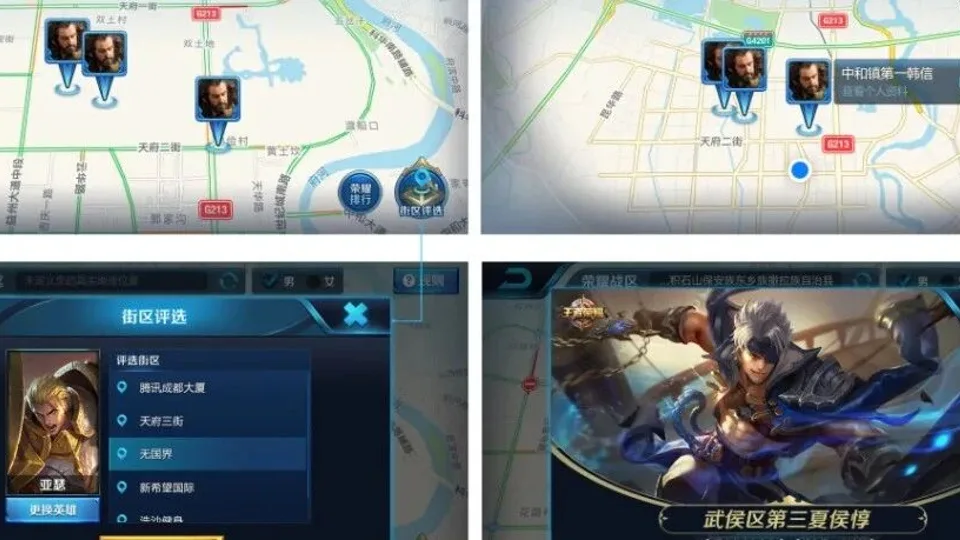
This article details the end‑to‑end design, technical selection, and implementation of a lightweight map solution for the mobile game King of Glory, covering cross‑platform UI framework, Unity‑native view integration, data transmission via JCE, handling of Android/iOS click events, immersive mode, and nine‑patch image support.
The classic real‑time strategy game Red Alert, originally released by Westwood Studios and later acquired by EA, has had parts of its 1996 source code for both Tiberian Dawn and Red Alert released on GitHub, offering C++ developers insight into the well‑structured game logic while excluding assets and the engine.
This article walks through how to replicate Genshin Impact's login interface using three.js, custom GLSL shaders, instanced meshes, and post‑processing effects, providing detailed code snippets and explanations for background gradients, cloud layers, pillars, light beams, stars, fog, and rendering optimizations.
This article outlines a practical workflow for increasing load‑testing coverage of game features, covering requirement clarification, test‑point identification, script development, execution strategies, and time‑saving techniques to ensure reliable performance under limited resources.
This tutorial explains how to create an interactive Mid‑Autumn Festival dice‑game using Three.js for 3D rendering, cannon‑es for physics simulation, glTF/glb model loading, heightfield collision handling, and JavaScript logic to determine game results.
Unity introduced a new installation‑based pricing model that charges developers $0.20 per install after $200,000 revenue or 200,000 downloads, prompting widespread developer backlash, concerns over tracking and impact on mobile titles, and prompting some to consider switching to alternatives like Godot.
This article explains the three core matchmaking algorithms—Elo, Glicko, and TrueSkill—detailing how they estimate player skill, adjust ratings after each game, and create balanced, competitive environments for esports titles like King of Glory.
The Galacean Engine 1.2 milestone introduces a suite of enhancements—including scene asset management, multi‑scene rendering, KTX2 texture compression, a GPU particle renderer, the new ShaderLab language, and a revamped editor panel system—aimed at boosting 2D/3D interactive project development efficiency.
This tutorial walks through creating a classic‑style 2D airplane shooting game in Python using Pygame, covering environment setup, player and enemy plane implementation, keyboard controls, bullet collision detection, and includes full source code and visual results.
This article describes the design and implementation of a Mid‑Autumn Festival themed HTML5 canvas game, detailing the gameplay requirements, JavaScript code for the ship, food objects, image management, and the Nginx configuration needed to deploy the game online.
This article outlines the hard and soft competencies required for game functional testing, including test case creation, bug tracking, risk awareness, communication, proactive work habits, learning ability, and innovation, while offering practical strategies to improve testing efficiency and product quality.
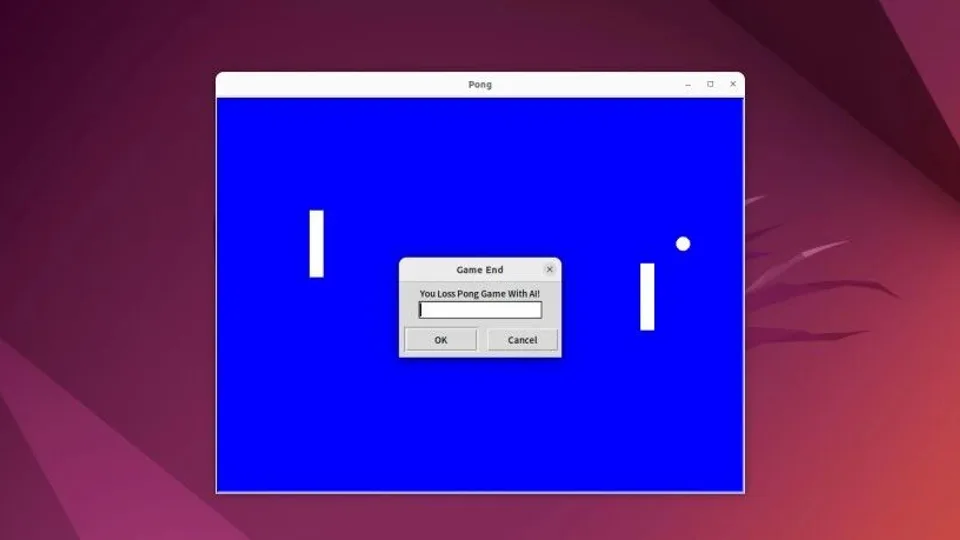
This article provides a complete, step‑by‑step Python tutorial that builds a Pong game using the turtle library, including an AI‑controlled paddle, user paddle controls, collision detection, and game‑over logic, with all source code ready to copy and run.
This step‑by‑step guide shows how to install Java, configure a Minecraft Java Edition server on Windows, create a startup batch file, adjust server properties, test LAN connectivity, and use cpolar to create a public TCP tunnel (including a fixed address) for remote gameplay without needing a public IP.
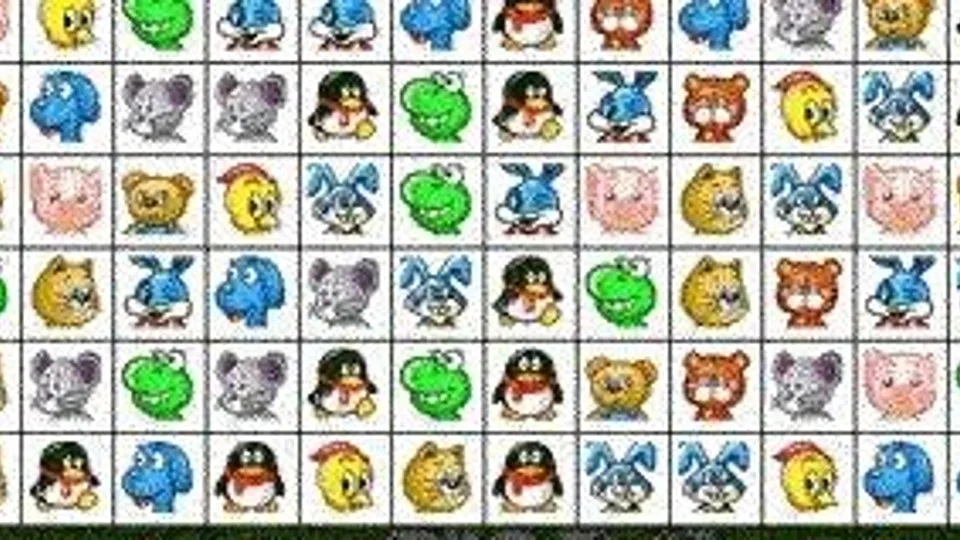
This tutorial explains how to build a Python script that captures the 4399 mini‑game window, splits the screenshot into icons, uses image hashing to identify matches, applies a path‑finding algorithm to locate connectable pairs, and simulates mouse clicks to automatically clear the game board.
The article details the end‑to‑end technical implementation of Bilibili’s “Da Li Chu Qi Ji” mini‑game, describing a GSAP‑driven 4‑second countdown, a PixiJS‑based core gameplay with custom resource loading and event handling, and the evaluation and integration of PAG, SVGA, and MP4 animation formats for reward effects.
This article explains why enhancing bloom (glow) effects is important for visual attention and scene aesthetics, outlines a generic WebGL implementation pipeline, discusses factors influencing bloom quality, and presents the Crystal WebGL engine's optimizations and performance comparisons between traditional and mipmap‑based approaches.