The article explains that Genshin Impact’s massive AAA game uses Unity with C# for gameplay logic, C++ for the engine core, Go or Java for server back‑ends, Python for tooling, and even assembly for critical performance paths, illustrating why a single language cannot cover all needs.
The article explains how the new WeChat mini‑game “Cupping Game” builds on the success of “Sheep Game” by using a lightweight 99 MB package, a three‑layer architecture, cross‑device rendering, resource‑splitting and cloud storage to deliver smooth, stress‑relieving gameplay that’s easy for both players and IT beginners to understand.
The article explains how the new WeChat mini‑game ‘Ba Le Ge Guan’ combines a simple, stress‑relieving “cupping” puzzle with a lightweight three‑layer architecture—native engine, JavaScript game logic, and resource rendering—leveraging cross‑device rendering, vector assets, and cloud storage to deliver instant, smooth play on any device, while comparing its design to the earlier hit ‘Yang Le Ge Yang’.
‘Ba Le Ge Guan’ blends simple, stress‑relieving gameplay with a lightweight, three‑layer architecture—native engine, JavaScript logic, and resource rendering—leveraging cross‑platform rendering, vector assets, and cloud storage to deliver instant, smooth experiences across devices, while the article compares its design to the earlier hit ‘Yang le Ge Yang’.
The article explains how the new WeChat mini‑game “Cupping” combines a simple, stress‑relieving match‑3 mechanic with a three‑layer architecture—native engine, JavaScript game logic, and resource rendering—leveraging lightweight packaging, cross‑device rendering, performance optimizations and cloud storage to deliver instant, smooth play on any device.
Genshin Impact combines Unity's C# scripting, C++ engine cores, Go or Java for servers, Python for tooling, and even hand‑written assembly for critical paths, illustrating how a modern AAA game relies on a multi‑language stack to balance performance and development speed.
Genshin Impact combines Unity's C# scripting, C++ engine cores, Go/Java server back‑ends, Python tooling, and even hand‑written assembly to balance performance and development speed across its massive AAA open‑world game.
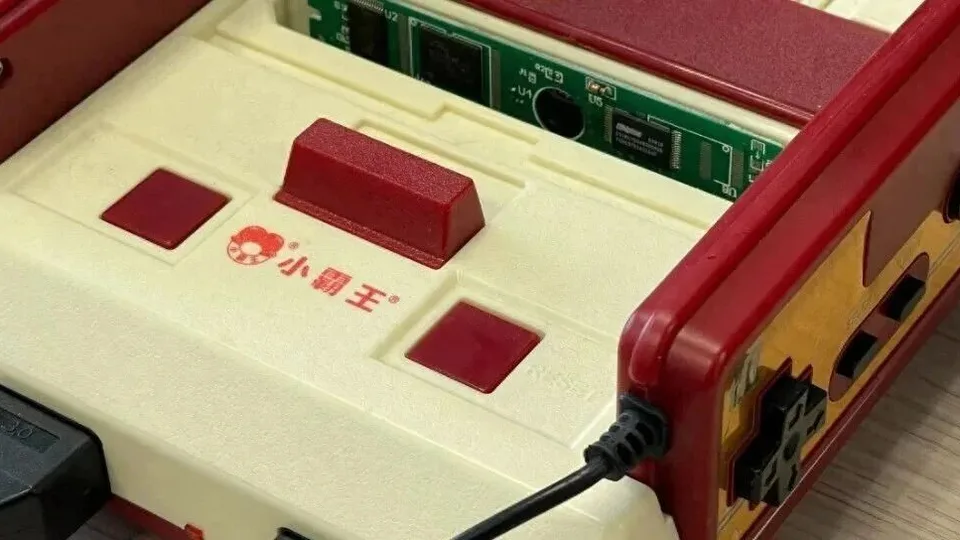
Classic FC titles like Super Mario, Contra and Mega Man ran on Nintendo’s 6502‑based console and were programmed in low‑level NES assembly language, allowing developers to tightly control the limited 2 KB RAM and 40 KB ROM for optimal performance.
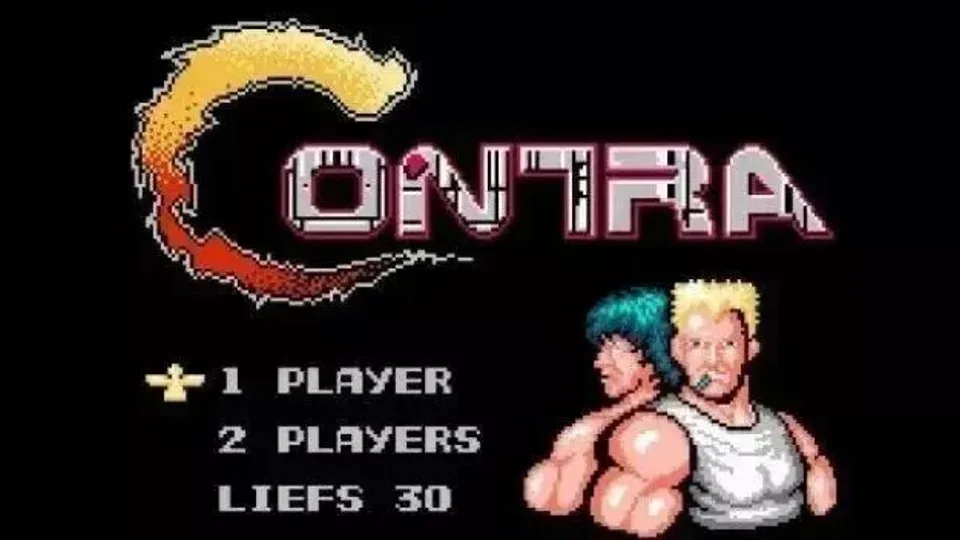
Despite being limited to just 128 KB of ROM, the 1987 NES game Contra achieved a surprisingly long storyline by exploiting tile‑based graphics, tightly packed audio data generated by the Ricoh 2A03 chip, and minimalist code that leveraged the console’s built‑in hardware functions.
The article shows how to use OpenAI's Images 2.0 model to generate usable pixel‑art game sprites by supplying a 1024×1024 grid reference, scaling, cleaning, background removal, and assembling a 2×5 sprite sheet, while detailing common pitfalls and concrete fixes.
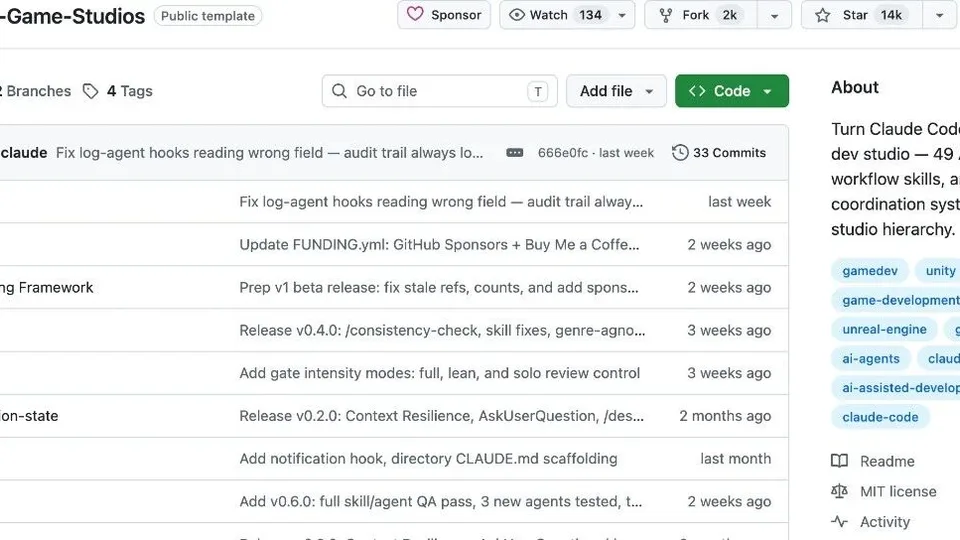
Claude Code Game Studios is a virtual game‑studio framework that assembles 49 AI agents, 72 slash commands, and 12 automation hooks to automate the entire game‑development pipeline—from concept brainstorming to release—cutting a typical two‑week design phase down to 2‑3 days and supporting Unity, Unreal, and Godot.
Amazon GameLift Servers introduces Player Gateway, an active DDoS mitigation layer that hides server IPs and validates traffic without modifying game servers, and Ping Beacons, a UDP‑based multi‑region latency measurement tool; both are free, SDK‑driven features that simplify secure, low‑latency multiplayer deployment.
The article examines famous game creators, ultimately arguing that Scottish programmer Chris Sawyer stands out as the greatest thanks to his solo development of RollerCoaster Tycoon using mostly x86 assembly, which delivered massive sales, technical brilliance, and lasting influence.
The article presents a complete, event‑driven architecture for a game achievement system that uses the Observer pattern and Redis to achieve high cohesion, low coupling, millisecond‑level performance, and easy extensibility for millions of users and thousands of achievement types.
The article explains that classic FC (NES) games like Super Mario and Contra were programmed in NES-specific assembly language because the 6502 CPU and the console’s tight 2 KB RAM and 40 KB ROM constraints required low‑level, opcode‑precise code for optimal performance.
A mandatory Windows 11 KB5074109 update released in January 2026 caused severe performance drops, visual glitches, and black screens for many NVIDIA GeForce users, and the only reliable remedy so far is to uninstall the update or apply a supplemental KB5074105 patch.
The article systematically explores core game‑testing techniques—including functional, performance, compatibility, automation, and emerging AI‑driven methods—illustrated with real‑world cases, to provide practitioners with a practical framework for ensuring both technical quality and player immersion.
This article introduces four notable open-source projects—Sunshine for game streaming, Bananas for cross‑platform screen sharing, term.everything for running GUI applications inside a terminal, and Douyin‑Downloader for batch TikTok video and audio extraction—highlighting their key features, popularity, and where to get them.
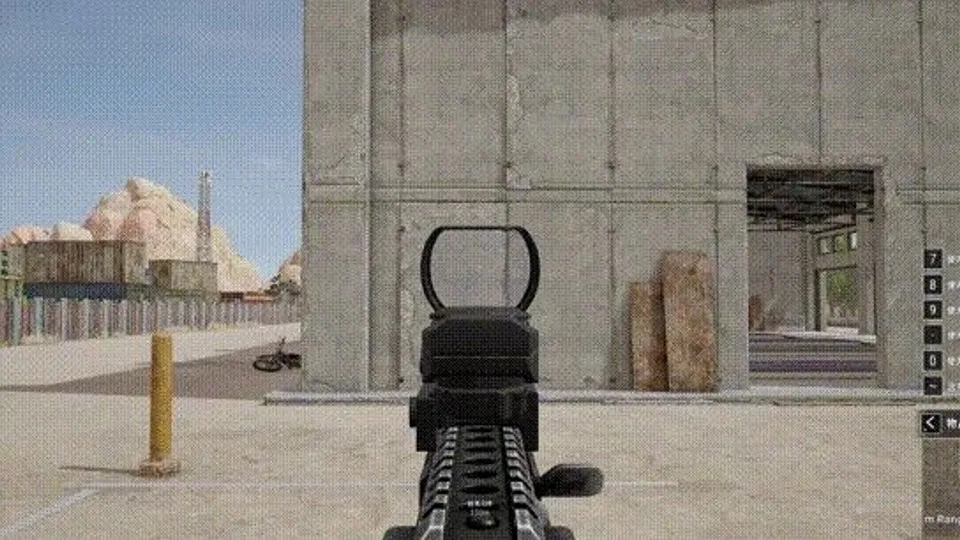
This guide explains how to create a non‑intrusive Python bot that automatically compensates weapon recoil in PUBG by capturing the screen, recognizing equipped gear with OpenCV and SSIM, and moving the mouse via pydirectinput based on weapon‑specific recoil tables.
A recent benchmark shows that SteamOS‑based Linux on the Steam Deck can deliver 16‑19% higher frame rates than native Windows 11 for demanding AAA titles, thanks to advanced compatibility layers like Wine, Proton, and DXVK that efficiently translate Windows APIs to Linux.