This tutorial walks through creating a complete Alien Invasion game using Python and Pygame, covering the main program, game logic, settings, ship, alien, bullet, button, scoring, and game statistics modules, while showcasing screenshots of gameplay and emphasizing modular, object‑oriented design.
This tutorial walks you through creating a basic alien‑invader shooter using Python's Pygame library, covering essential game libraries, class design for Game, Alien, Hero, Generator, and Rocket, collision detection, win/lose logic, and provides the complete source code with explanations.
The Asyncio‑Gamekit library provides a Workerman‑based asynchronous game framework for PHP, offering room lifecycle management, player communication, broadcasting, timers, load balancing, persistence, logging, and testing, enabling developers to quickly build WebSocket‑driven multiplayer games such as card, board, and real‑time battle titles.
A curious geek ran the classic 1993 FPS DOOM continuously on an outdated handheld for two and a half years, discovering that the game’s 32‑bit timer eventually overflows and crashes, highlighting how long‑running client software can hit hidden integer overflow bugs.
This comprehensive guide explains why game testing retrospectives are essential, outlines a systematic three‑phase process—from problem collection and root‑cause analysis to actionable improvement plans and closed‑loop tracking—provides practical tools, templates, and case studies, and shares common pitfalls and future‑oriented strategies to boost testing efficiency and game quality.
This article explains a simple Python missile‑tracking algorithm using Pygame, covering the mathematical basis of time‑sliced vector calculations, triangle geometry for direction and distance, and detailed code that handles movement, rotation, and image offset to keep the missile tip aligned with the target.
This article walks through building a Pygame simulation of a popular MOBA hero's abilities, covering environment setup, skill design, class implementation, cooldown management, and the main game loop, providing complete code snippets and explanations for each core mechanic.
This article compares Three.js and Galacean Web 3D engines, explains performance bottlenecks of Three.js, showcases Galacean's core advantages, and provides a step‑by‑step migration guide with code examples for initializing, loading models, replacing assets, and handling animations.
This article explains how QA can shift client performance testing from a reactive, ad‑hoc task to a proactive, daily practice by understanding rendering pipelines, using lightweight tools such as RenderDoc, Tracy and ETW, and applying systematic analysis to pinpoint and resolve CPU, GPU, memory and I/O bottlenecks.
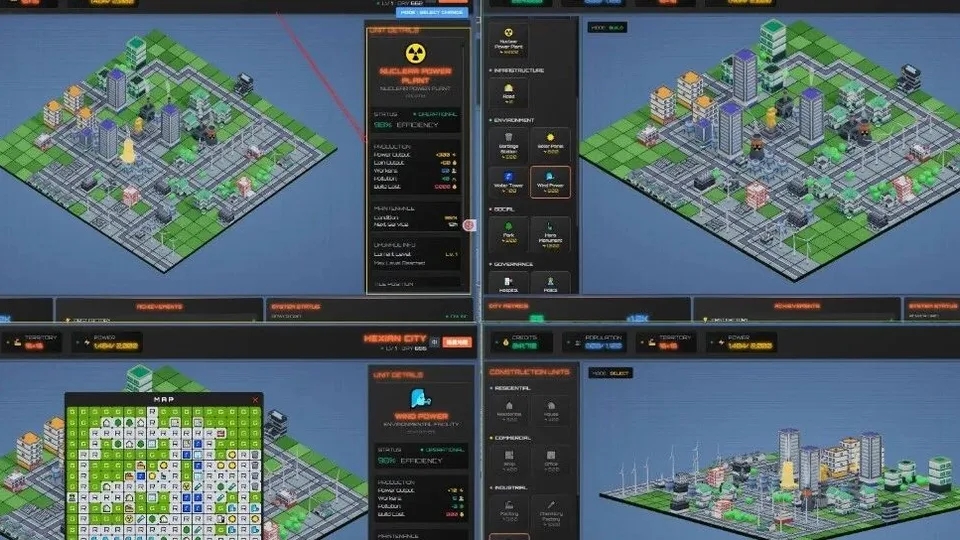
After a two‑month hiatus, the author details the creation of CubeCity—a 17×17 grid city‑building game built with Three.js, Vue, and Pinia—covering metadata design, rendering pipeline, interaction modes, code architecture, and reflections on using Three.js for game development.
This article presents a collection of thirteen classic Python mini‑games—ranging from coin‑catching and ping‑pong to Tetris, Snake, and 24‑point puzzles—each accompanied by complete, ready‑to‑run source code and step‑by‑step explanations, offering a practical way to learn programming through game development.
This tutorial shows how to use Python and Pygame to build a simple solar‑system animation, covering required assets, window setup, planet positioning, orbital calculations, and optional background music, with complete code snippets for each part.
In massive multiplayer online games, testing core activities like cross‑server wars, large raids, and world‑boss battles requires simulating thousands of players, so developers rely on client and server bots to create realistic high‑concurrency environments, validate server limits, logic correctness, and reward distribution efficiently.
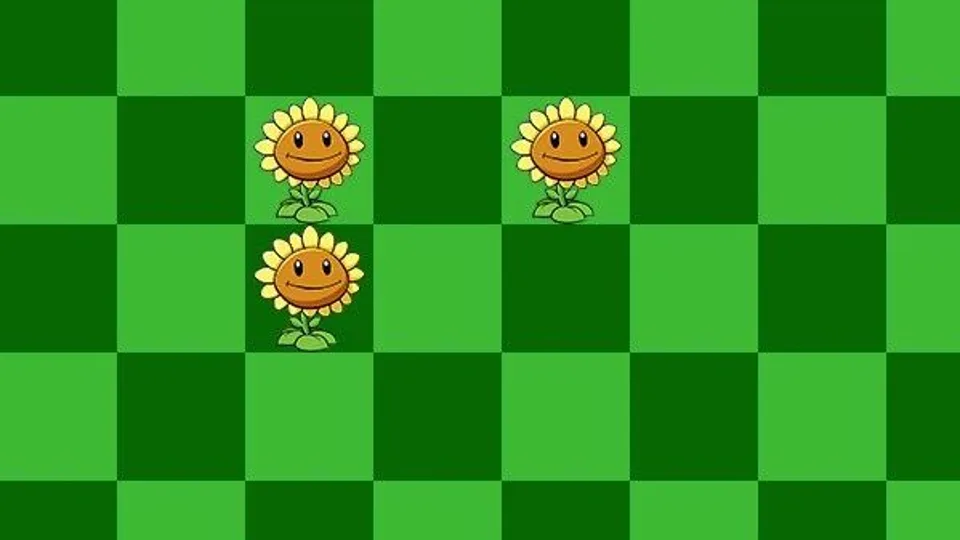
This tutorial walks you through creating a simple Plants vs Zombies‑style game in Python using Pygame, covering module imports, asset configuration, map and plant classes, bullet mechanics, zombie behavior, event handling, and the main game loop, complete with runnable code examples.
This article walks through a real MMO project, showing step‑by‑step how to use the Cursor AI agent to accelerate development, from requirement analysis and task breakdown to code generation, review, testing, and workflow automation, while sharing practical prompts and Erlang code examples.
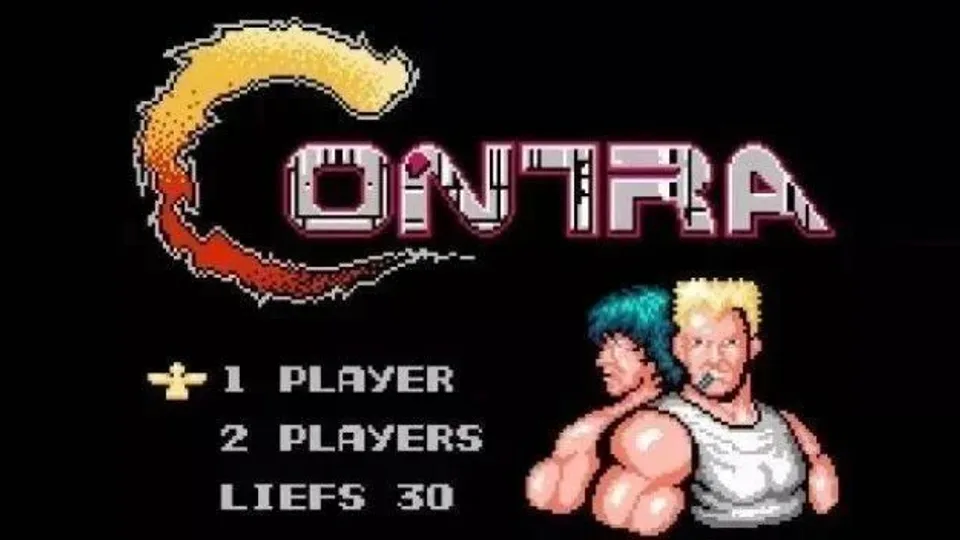
This article explores why early 1980s games such as Contra could deliver rich graphics, music, and gameplay within just 128KB of memory, explaining tile‑based rendering, limited audio chip capabilities, and ultra‑compact code techniques that made such feats possible.
From powering cutting‑edge 3A games and operating system kernels to accelerating scientific simulations, high‑frequency trading, and embedded IoT devices, C++ remains the go‑to language for high‑performance, low‑level control across diverse domains, thanks to its speed, portability, and fine‑grained memory management.
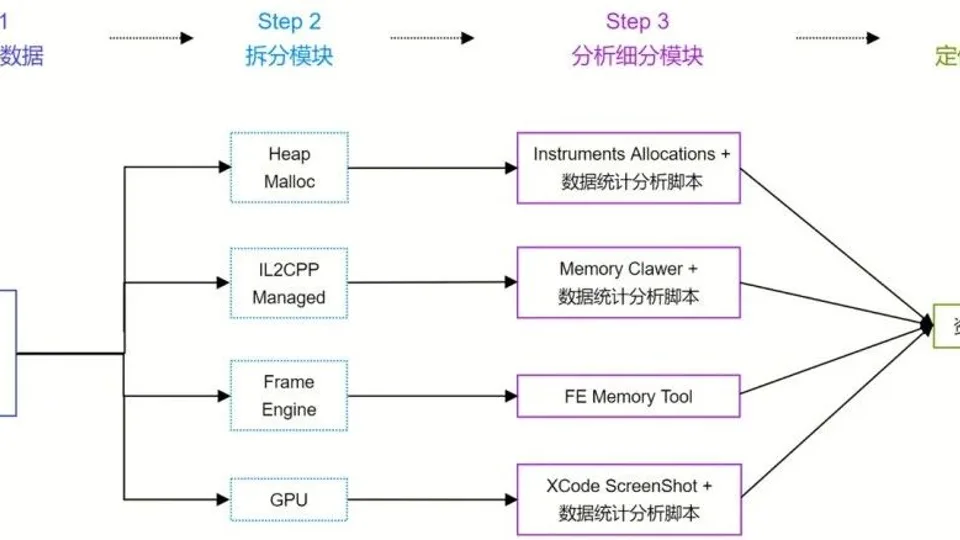
This article explains why memory optimization is critical for Unity mobile games, outlines a three‑step workflow of testing, analysis, and fixing, details practical testing methods, data‑analysis toolchains, and concrete optimization techniques such as resource LOD, array pre‑allocation, string deduplication, compression, and atlas management, and concludes with a concise checklist for effective memory management.
This tutorial walks you through creating a simple 'Eat Coins' game using Python's Pygame library, covering OOP design, class implementation for player, coin, and game management, game loop handling, collision detection, scoring, visual enhancements, and extension ideas.
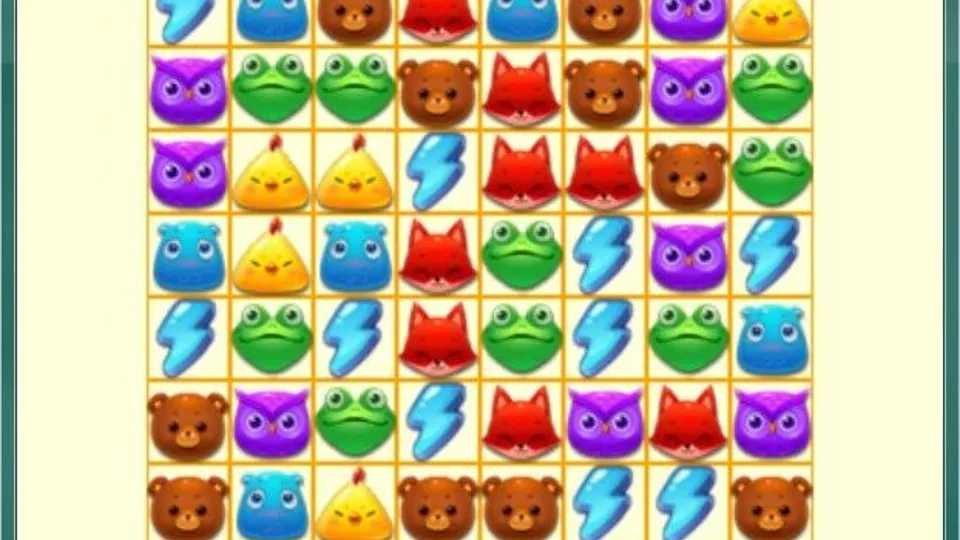
This tutorial walks you through creating a basic match‑3 puzzle game similar to Candy Crush using Python and Pygame, covering setup, grid rendering, random gem placement, scoring, timing, match detection, gem swapping, and game‑over logic with complete code snippets.