This article walks through building a simple Java-based game prototype by creating hero, equipment, and monster classes, demonstrating object-oriented concepts, and showing a main program that simulates hero creation, resource gathering, and equipment purchase.
This article presents a complete Python 3 + Pygame implementation of a classic tank battle game, detailing the visual layout, full source code with sprite classes for tanks, bullets, obstacles, and game logic, and explains how to run and customize the game.
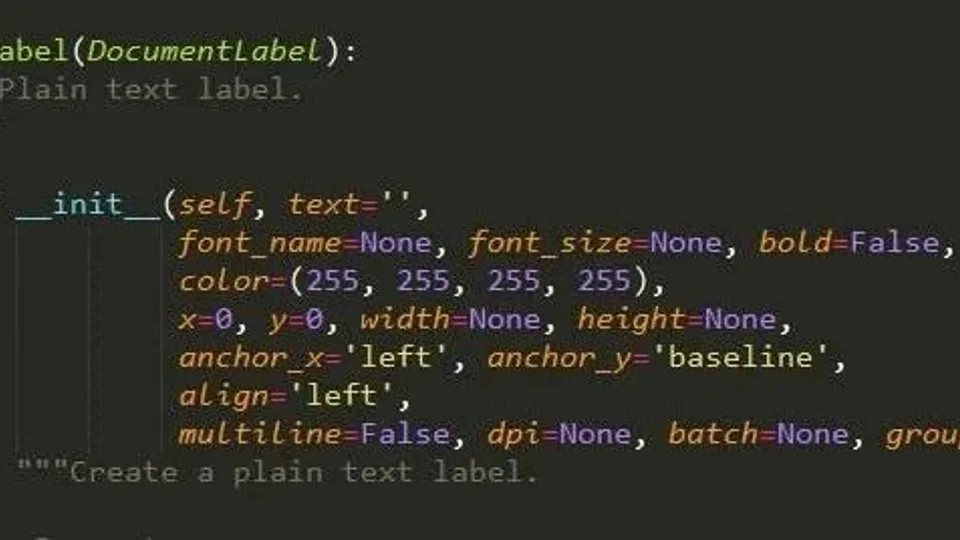
This tutorial walks you through installing pyglet, creating windows, adding text and images, handling keyboard and mouse events, processing input, and playing audio and video, providing a comprehensive guide to building lightweight Python games and multimedia applications.
This article curates 23 open‑source game projects hosted on GitHub—ranging from Vim plugins and JavaScript Tetris clones to Python, Go, and web‑based multiplayer titles—providing installation steps, feature highlights, code snippets, and live demo links so developers can learn, experiment, and have fun during breaks.
This article explains the technical pipeline behind Taobao Life’s virtual avatar rendering, covering industry context, cross‑industry use cases, the core rendering workflow, dynamic outfit and beauty processing, face‑morph techniques, AR integration, and the trade‑offs of using Web technologies for high‑fidelity 3D experiences.
Eva.js, an open‑source interactive game engine developed by Alibaba, combines a lightweight ECS architecture, PixiJS rendering, and performance‑focused loading strategies to let front‑end developers create engaging web games with just a few lines of code, while supporting accessibility and state management.
Eva.js, an open‑source interactive game engine developed by Alibaba for two years, lets front‑end engineers create low‑cost, high‑performance web games using familiar HTML/CSS and PixiJS rendering, with ECS architecture, performance‑focused loading, accessibility support, and a lightweight state‑management system.
This article explains the fundamental principles and workflow of building an NES (Family Computer) emulator, covering ROM loading, memory mapping, CPU and PPU collaboration, graphics rendering, sprite handling, palette management, and interrupt processing with illustrative code examples.
This article explains the core principles of building a Nintendo Entertainment System (NES) emulator, covering the collaboration of CPU, PPU, and APU, memory mapping, ROM loading, instruction decoding, graphics rendering, and interrupt handling, with practical code examples.
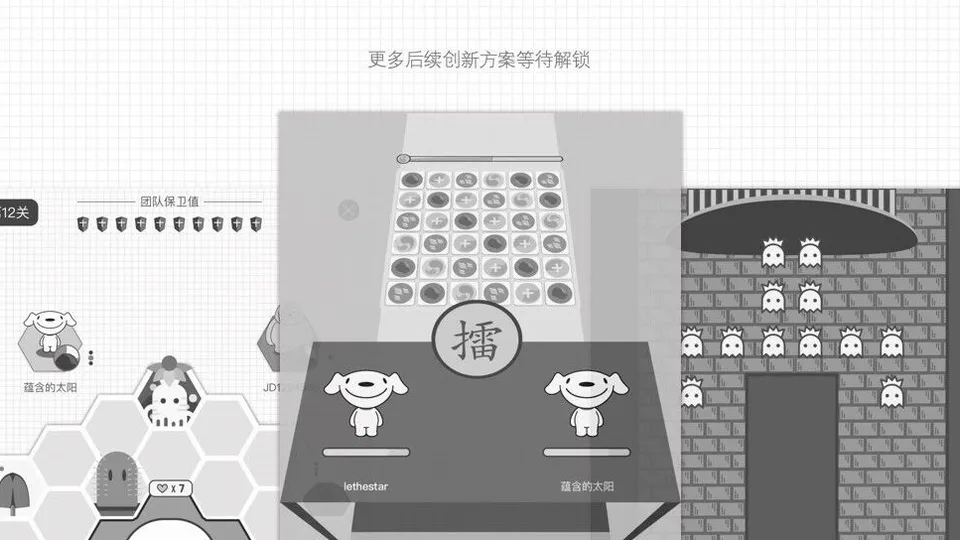
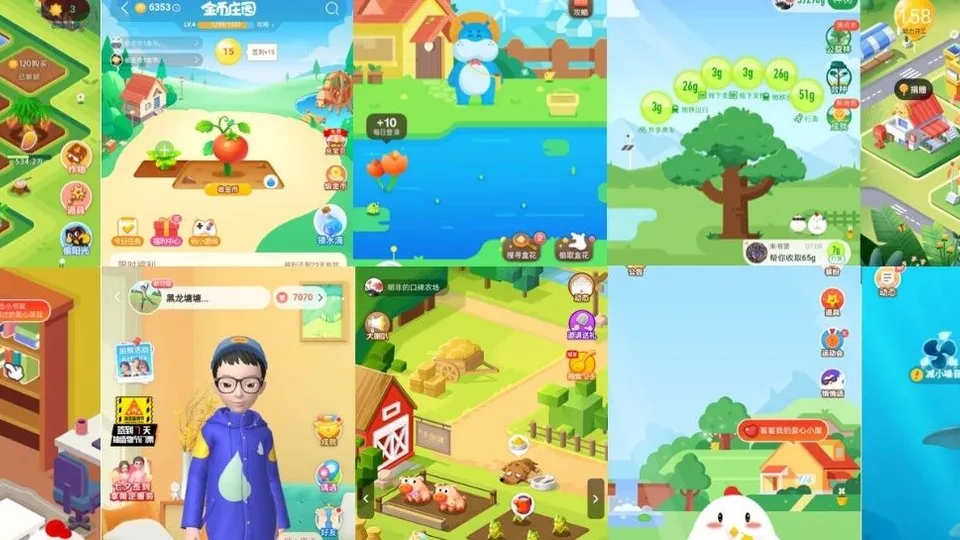
This article explores how to design a healthy e‑commerce game ecosystem by breaking down its architecture into three layers—basic loops, resource cycles, and social interactions—detailing closure mechanisms, resource functions, conversion paths, social modules, and a real‑world case study of the “Jingqi World” platform.
This article explains how to create gamified 2D interactive experiences using front‑end technologies and the Eva.js engine, covering fundamentals such as rendering, animation loops, resource handling, and step‑by‑step code to build a moving heart demo with click alerts.
This tutorial explains how to create well‑balanced e‑commerce games that combine commercial goals with engaging gameplay, covering research foundations, design principles, flow models, social dynamics, and practical development processes to drive both user acquisition and retention.
This article reviews the selection of a 2D physics engine for mechanics experiments, compares Box2D and Nape, details eight test scenarios highlighting precision, constraint, mass‑density, friction, and buoyancy problems, and proposes practical solutions to improve simulation accuracy and usability.
This tutorial shows how to set up the Ryujinx emulator on a Windows PC, from installing .NET 5.0 SDK and required GTK libraries to building the emulator, loading keys and firmware, and finally adding Switch games for play.
This article walks through BinaryVR’s art director Yoon’s end‑to‑end process for creating the real‑time 3D character Merry—from concept design and high‑poly sculpting to low‑poly retopology, UV mapping, texture painting, facial blendshape animation, Unity integration, and HyprFace SDK testing—showcasing techniques for AR/VR character pipelines.
This article walks through the complete production pipeline for the 2024 Spring Festival ‘Cow’ mascot, covering concept research, original illustration, low‑poly modeling, high‑detail sculpting, UV layout with RizomUV, material setup, lighting and rendering in C4D, and final Lottie‑based animation, offering practical tips and lessons learned.
This article explains how Liulishuo®️ children’s English uses gamified interactive design—covering core creative concepts, gameplay mechanics, difficulty tuning, progressive structures, and emotional pacing—to increase satisfaction and learning effectiveness for young learners in online education.
This article walks you through creating a Flappy Bird‑style game using Python 3 and the pygame library, covering installation, running the program, visual demos, and a full source‑code listing that includes bird, pipe, stone, and bullet mechanics with level progression and sound effects.
A reverse‑engineer discovered that GTA Online’s slow startup stems from an inefficient if‑loop that scans a 10 MB JSON file 1.98 billion times, and by hooking strlen and replacing the loop with a hash‑map, reduced load times from six minutes to under two minutes.
This tutorial walks you through using the IKMAX plugin inside Cinema 4D to automatically create character rigs, skin them, and attach accessories, offering a step‑by‑step workflow that saves time compared to external services while delivering solid animation results.