The article outlines a practical checklist for mobile developers using VibeCoding AI code generation, covering security, cost, compliance, reliability, performance, testing, and maintenance to ensure that fast‑generated demos become production‑ready apps without hidden risks.
Google’s new Android CLI, designed for AI agents, claims a 70% reduction in token usage and three‑fold faster task completion, offers command‑line tools for app templating, SDK and emulator management, integrates with Android Studio, includes a '--no‑metric' flag to disable telemetry, and has drawn mixed early developer reactions while promising future skill expansions.
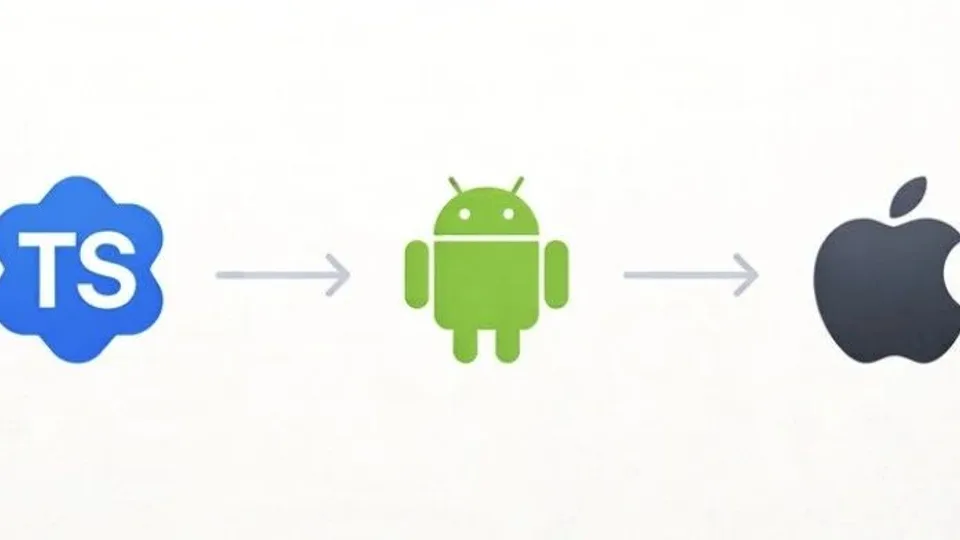
The article examines how the Perry project lets TypeScript compile directly to native binaries, compares this approach with Electron, React Native, and Flutter, and provides a step‑by‑step guide to quickly build cross‑platform native apps without a runtime.
This article details the construction of a high-performance demuxing pipeline for a HarmonyOS VR player using OH_AVSource and OH_AVDemuxer, covering track selection, sample reading with ReadSampleBuffer, DRM handling, seek optimization, and multi-threaded pre-reading for 4K/8K playback.
Google’s April 2026 release of Android Agent tools—Android CLI, Android Skills, and Android Knowledge Base—shows how a unified, command‑line interface and structured skill packages let AI agents reliably perform standard Android development tasks while staying up‑to‑date with official documentation.
After struggling with context limits of web‑based AI tools, the author integrates JetBrains’ Junie AI Agent directly into Android Studio, demonstrating a plan‑execute‑verify workflow, Ask and Code modes, multi‑module refactoring, responsive UI generation, and safe team collaboration through GitHub integration.
This tutorial details configuring six shortcut commands for a HarmonyOS intelligent agent, setting up a test whitelist for on-device debugging, and verifying each command's workflow triggering, card rendering, and content quality on real devices to ensure production readiness.
This article details Taro’s self‑developed iOS rendering layer and TaroUI framework, explaining how a double‑thread pipeline, native‑view‑plus‑layer architecture, rich‑text engine, and extensive rendering optimizations deliver high performance, stability, and cross‑platform consistency for mobile applications.
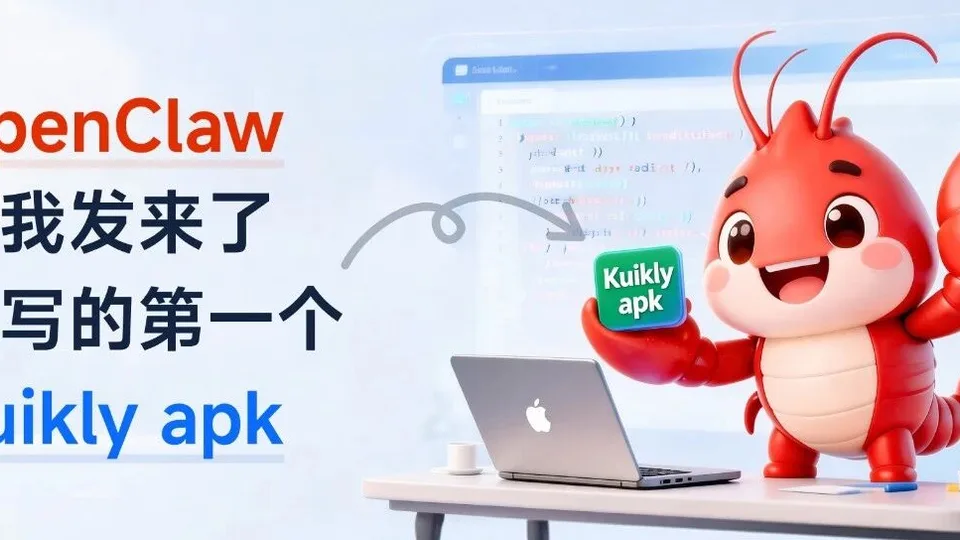
This article details a practical experiment that uses the Kuikly App Builder skill to let an AI agent automatically create, compile, and deploy multi‑platform mobile apps, highlighting the workflow, results, current limitations, and broader implications for future AI‑driven development tools.
Google AI Edge introduces two open‑source projects—Gallery and LiteRT‑LM—that let Android developers run large language models locally without network connectivity, offering offline inference, privacy protection, GPU/NPU acceleration, and streaming output for real‑time AI experiences.
PhoneClaw and PokeClaw are open‑source, on‑device AI agents for iOS and Android that run Gemma 4 locally, offering offline privacy, zero‑cost operation, and native tool calling through iOS APIs or Android Accessibility services.
This article analyzes the RcSwitch component's dual-file architecture, ComponentV2 decorator system, controlled two-way binding, union type design for flexible values, and two-level state synchronization with lifecycle hooks in HarmonyOS 6.
Google’s AI Edge Gallery lets developers run open‑source large language models such as Gemma 4 directly on Android devices without network connectivity, offering an integrated framework with agent skills, thinking mode visualizations, multimodal interaction, and a prompt lab, thereby addressing privacy, latency, and offline AI needs.
Google has introduced an Advanced Installation Flow that tightens side‑loading permissions, requiring developer verification and a 24‑hour waiting period, which dramatically changes how Android users and developers install apps outside Google Play.
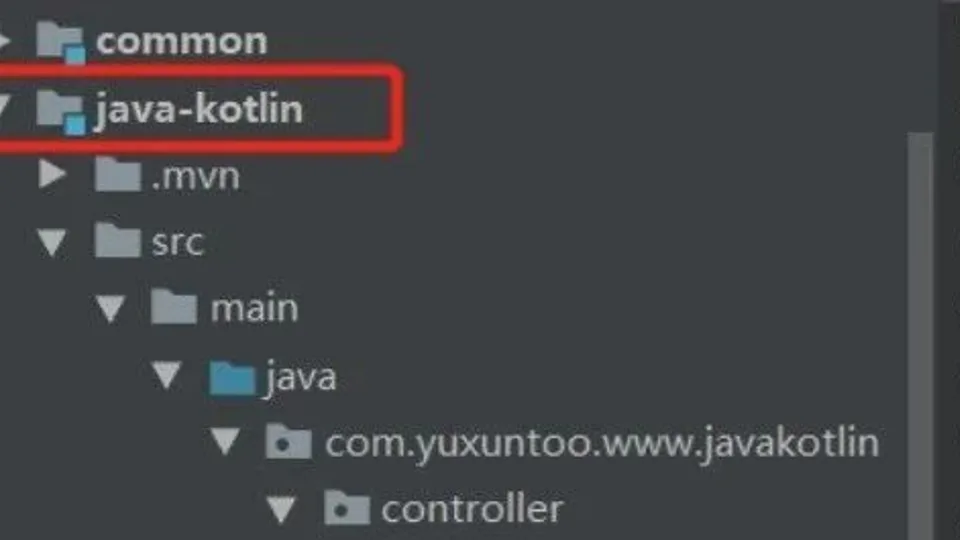
This guide walks through creating an Android project that combines Java and Kotlin, adding Kotlin dependencies via Maven, and implementing a simple controller with Kotlin syntax, illustrating variable definitions, method signatures, and basic service interaction.
Triggered by the APIfox supply-chain attack, this article details HarmonyOS 6's three-layer request interception (onLoadIntercept, onInterceptRequest, WebSchemeHandler) with code examples for whitelist enforcement, resource substitution, audit logging, and AI-specific filters against prompt injection and data leakage.
This article explains the concept of edge computing, why models are deployed to devices, the advantages of using Python scripts on Android/iOS, and provides a step‑by‑step guide to implementing a Python interpreter, NumCpp integration, feature management, dynamic deployment, and business impact through real‑time strategy updates.
The article explains how mobile network performance issues—especially long connection‑pool wait times—cause slow page loads in Android apps, demonstrates how to interpret Alibaba Cloud RUM’s Resource event metrics and timing data, walks through a real‑world case study with detailed stage‑by‑stage analysis, and provides concrete diagnostic steps and optimization recommendations for OkHttp connection‑pool configuration and other common bottlenecks.
This article details two approaches for creating dynamic gradient backgrounds in HarmonyOS apps: a simple property animation for color transitions and a high-performance keyframe animation that moves an oversized gradient layer to achieve complex flowing and rotating effects, with complete code examples and a comparison table.
Sogou Input Method shares its Kuikly cross-platform AI engineering practice, adopting Spec-Kit standardized workflow, GAN-inspired iterative context document generation, and Kuikly's built-in AI tools (MCP, Rules, Skills) to achieve 3x faster new page development (3 days → 1 day) with high code quality and minimal architectural rework.