This comprehensive guide demystifies Android dependency injection, covering core concepts, manual implementation, the role of composition roots, and a detailed comparison of Hilt and Koin—including their architectures, advantages, trade‑offs, and practical tips for choosing the right framework in real‑world projects.
This tutorial walks through building a HarmonyOS NEXT app that uses ArkTS and the reminderAgentManager API to deliver daily 7:30 AM weather-based umbrella notifications, covering permissions, network requests, decision logic, and UI design.
This HarmonyOS tutorial walks through building a sound-responsive wave ripple animation by capturing microphone amplitude via AudioCapturer, mapping the 0–1 level to a 80–300 pixel radius using a log10 sensitivity curve, animating three staggered circles with opacity fade, and throttling updates to prevent jank.
This article explains how mobile network diversity, device fragmentation, and limited visibility make performance troubleshooting hard, then introduces Alibaba Cloud RUM's Resource event model, walks through its attribute and metric fields, demonstrates a real‑world Android case study with step‑by‑step timing analysis, and provides concrete diagnosis and optimization guidelines for connection‑pool, DNS, SSL, and TTFB issues.
This article shows how to create a reusable GET request wrapper for WeChat Mini Programs, demonstrating the function that appends a base URL, passes query parameters, sets JSON headers, and handles success and failure callbacks.
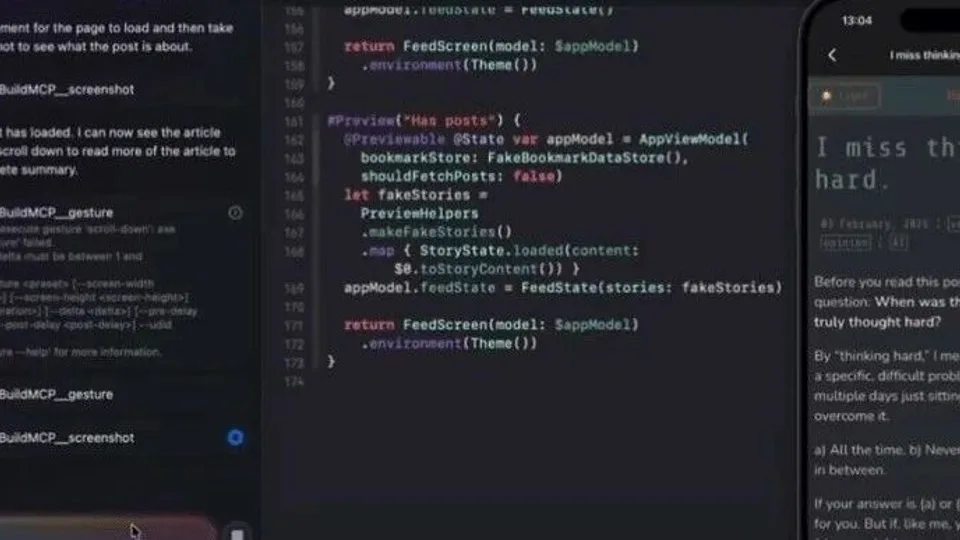
XcodeBuildMCP, an open‑source Sentry project, lets AI agents such as Cursor and ClaudeCode fully automate iOS/macOS development by handling Xcode build management, device selection, log capture and error handling, eliminating the manual verify‑compile‑test loop.
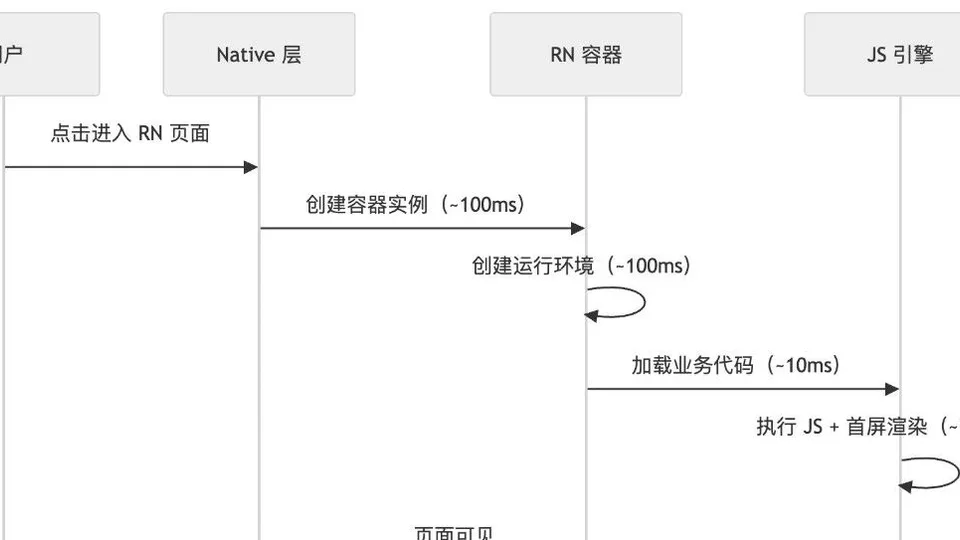
This article details a systematic four‑phase optimization of React Native page startup—preloading resources, advancing initialization, reusing and pre‑creating containers—that shrank cold start time by 55 % (1.78 s → 0.80 s) and hot start time by 70 % (1.10 s → 0.33 s), while exposing the new pitfalls introduced by container reuse.
Huawei's HarmonyOS best practice document details full-chain live streaming development: publisher-side audio/video capture with OHAudio, SDR/HDR Vivid video options, Surface-mode encoding, ROI region-of-interest coding, and system-pressure feedback for dynamic bitrate control; viewer-side AVPlayer playback, timestamp-based A/V sync, and memory-leak prevention; plus scenario-specific guidance for e-commerce, entertainment, and outdoor streams.
This guide details the RcText component from the rchoui library for HarmonyOS 6, covering basic text display, theme colors, sizing, custom styling, alignment, decoration, truncation modes, special formats for price and phone numbers, link handling, prefix/suffix icons, interaction events, and layout control with practical code examples.
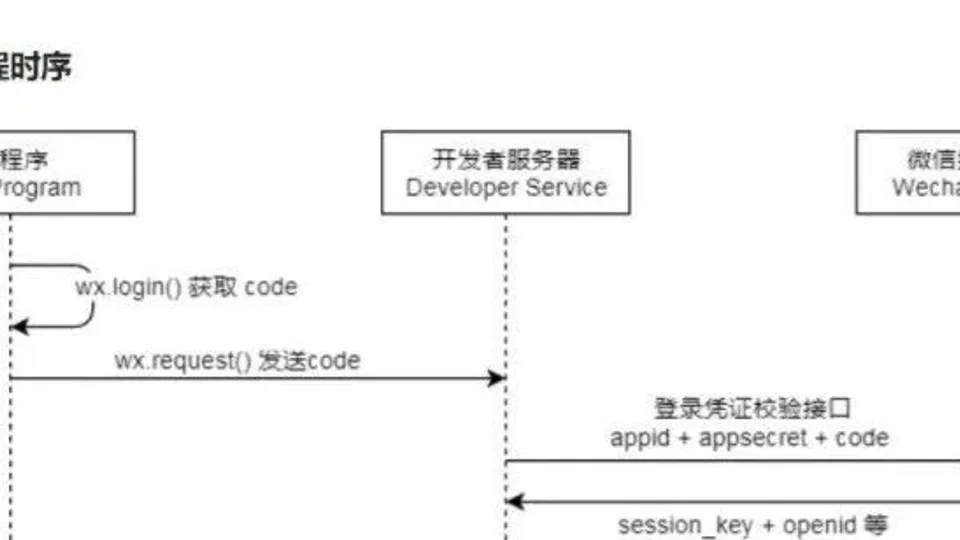
This article walks through the complete process of obtaining a WeChat Mini Program user's OpenID by using wx.login to get a code, calling the updated auth.code2Session API with appid and appsecret, and handling the server‑side Java implementation that extracts the OpenID and session key.
During the 2026 Chinese New Year, Xiaohongshu built a real‑time dynamic interaction system that combined adaptive scheduling, high‑performance particle rendering, and industrial‑grade ASR to deliver synchronized voice greetings and emoji fireworks to over a billion daily active users across heterogeneous mobile devices.
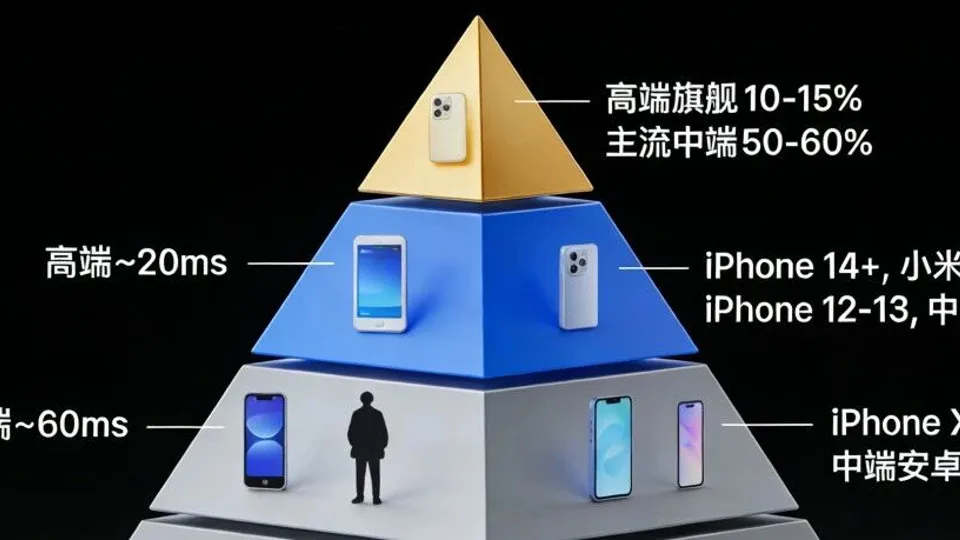
The article examines how careless AI integration can degrade mobile app performance, cause overheating, battery drain, and poor user experience, and proposes a systematic, user‑centric approach—including device fragmentation awareness, lightweight models, graceful degradation, and edge‑cloud collaboration—to ensure AI adds value rather than harm.
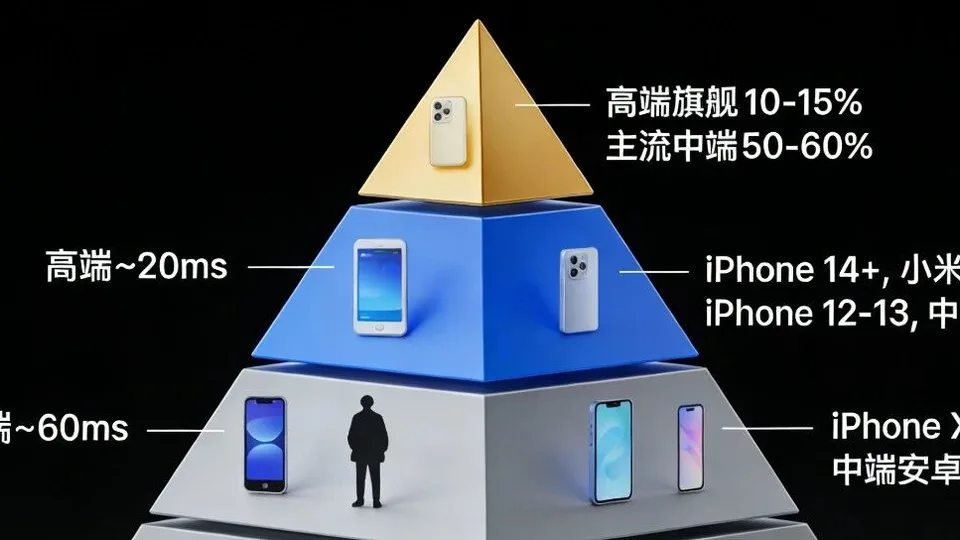
This article examines the practical challenges of adding AI features to mobile clients, highlighting device fragmentation, performance trade‑offs, user pain points, and a layered approach that balances lightweight models, graceful degradation, and edge‑cloud collaboration to keep the experience smooth for the majority of users.
This article details practical HarmonyOS compilation optimizations — unified lockfiles, boosted extraction, disabled JS intermediate output, and skipped lib compression — that reduced full builds from 24 to 14 minutes and incremental builds from 4 to 2.5 minutes on a 3-million-line ArkTS codebase.
This article explains the differences between D8 and R8, details R8’s advanced optimization techniques, discusses challenges like reflection and keep‑rules, and highlights recent tooling improvements and future features that make R8 essential for faster, smaller Android apps.
Through an AI ID photo tool case study, this article demonstrates HarmonyOS concurrency patterns: TaskPool for short preprocessing, Worker for long AI inference, TaskGroup for parallel batch generation, SequenceRunner for dependent tasks, SharedArrayBuffer for zero-copy sharing, Sendable for thread-safe singletons, and producer-consumer queues for real-time previews, with before/after performance metrics.
This guide walks through installing Termux, Ubuntu, and OpenClaw on a Xiaomi Android phone, configuring developer options, connecting via ADB, installing the burner‑phone skill, capturing screenshots, and attempting click actions, while highlighting limitations when click debugging is unavailable.
This tutorial demonstrates how to implement face detection in HarmonyOS apps using Core Vision Kit, covering face position, landmarks, orientation, confidence scores, with complete ArkTS code examples, constraints, error handling, and privacy considerations for offline on-device processing.
This article details how the Vivo Game Center team tackled slow page loads and resource failures in weak‑network environments by integrating the QUIC‑enabled Cronet library into OkHttp, defining precise network states, using custom interceptors, and conducting A/B tests that reduced failure rates by 40% and cut request latency by 7%.
The article demonstrates how CodeGenie uses MCP to connect external knowledge bases and Rules to enforce ArkTS standards, enabling AI to detect deprecated APIs, retrieve official docs, and generate compliant HarmonyOS code through a four-step workflow.