This guide details four Linux disk cloning tools—dd, Partimage, Partclone, and Clonezilla—providing installation commands, step-by-step usage instructions, and key considerations like block size trade-offs and filesystem support to help you create reliable backups or migrate drives.
The article tests AI tools like DeepSeek for generating Kubernetes YAML, finding they handle standard templates well but fail on cluster-specific configs, security, probes, resource quotas, and complex multi-CRD scenarios. It argues ops engineers' value lies in troubleshooting, architecture decisions, incident handling, setting standards, and building platforms—not writing YAML—and advises embracing AI for drafts while deepening core expertise.
This comprehensive Docker tutorial covers container fundamentals, installation on CentOS, image and container management, Dockerfile creation, data volumes, networking, Docker Compose orchestration, registry setup, and production best practices with hands-on command examples.
This comprehensive guide covers installing and configuring NVIDIA Container Toolkit for Docker GPU access, including version pinning, runtime registration, Compose deployment, image building, non-root execution, CDI, offline installation, capacity planning, and upgrade/rollback procedures with concrete commands and verification steps.
JumpServer v5.0 introduces a unified native client supporting SSH, RDP, Kubernetes, databases, and web assets, adds AI-assisted scripting and SQL generation, redesigns the terminal UI with multi-session tabs, and simplifies deployment via a single-script installer.
The article explains how RPA processes can report successful execution while silently producing incorrect business results due to missing verification of input scope, processed records, and output accuracy, and argues for verification beyond technical success.
This article reviews WSL Container Desktop 2.0.1, a WinUI 3 desktop application that provides a graphical interface for Microsoft's wslc CLI, covering its features like Files/Changes/Endpoints views, Compose stack management via desktop-as-daemon, k3s integration, installation via two PowerShell commands, and three key caveats including self-signed certificate trust and Compose restart dependency on the running app.
This guide details building an enterprise-grade observability system using SkyWalking, covering distributed tracing, metrics monitoring, log correlation, and alert governance to eliminate blind troubleshooting in microservices.
This article provides a comprehensive guide to Linux performance analysis tools, covering vmstat, iostat, dstat, iotop, pidstat, top, htop, mpstat, netstat, ps, strace, uptime, lsof, perf, and advanced tools like eBPF, bcc, and Flame Graphs, with usage examples and output interpretation.
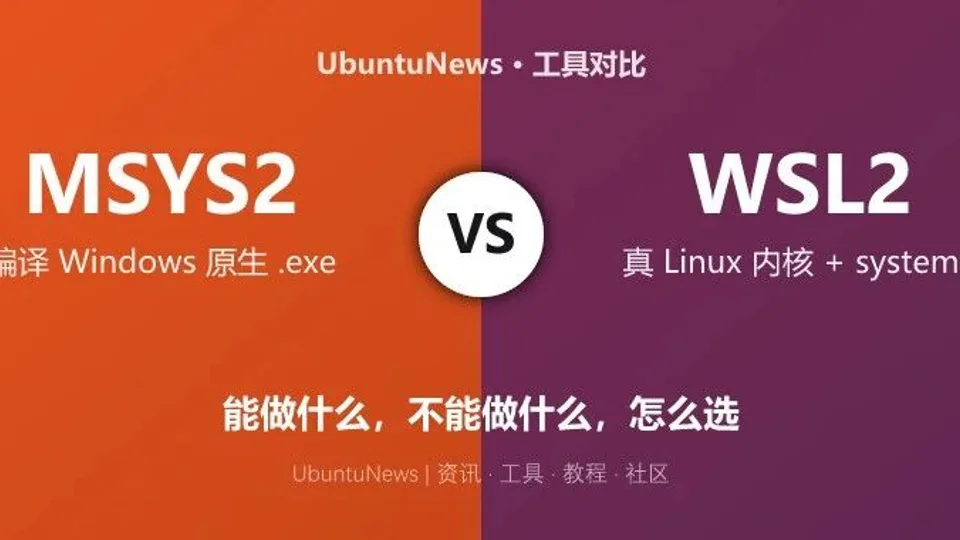
This article explains that MSYS2 and WSL address fundamentally different needs: MSYS2 is a community toolchain for compiling native Windows executables with a Linux-like environment, while WSL is Microsoft's subsystem for running genuine Linux binaries, systemd, Docker, and GPU workloads on Windows, with a decision guide for each use case.
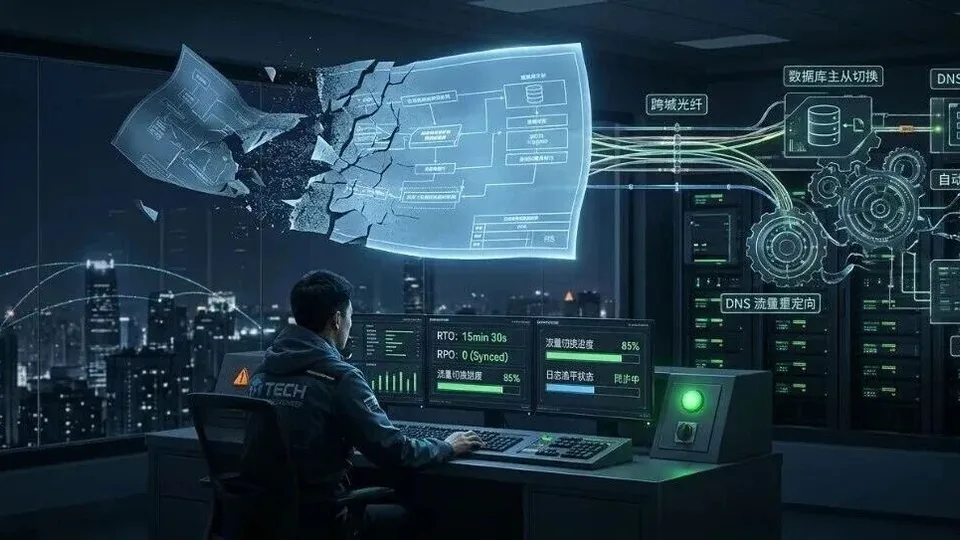
This article outlines a five-level maturity model for disaster recovery drills—tabletop exercises, component drills, normalized chaos engineering, full-link switchover, and calendar-based routines—to transform static plans into validated capabilities, measuring real RTO/RPO and blast radius for 10M QPS systems.
Microsoft has acknowledged that optional update KB5002907, intended to fix Microsoft 365 component update failures, accidentally deletes Office 2016 and 2019 licenses and in some cases uninstalls the suite entirely; the company has halted distribution and advises affected users to reactivate with original licenses or reinstall Office.
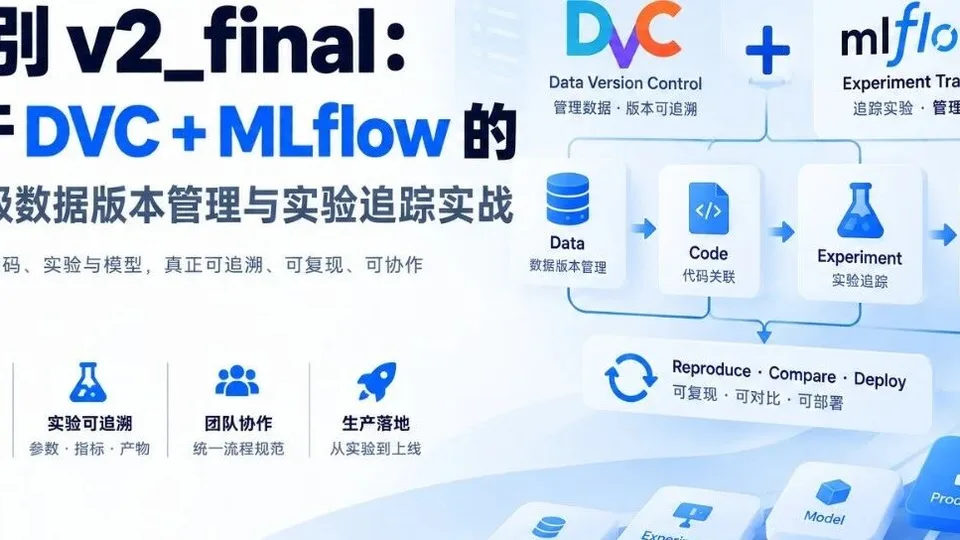
This article demonstrates a complete, reproducible ML pipeline using DVC for data versioning and MLflow for experiment tracking, covering immutable data snapshots, time-based splits, pipeline definitions, model registration gates, canary deployment, rollback procedures, CI integration, and retention policies — all validated with concrete code and failure-mode analysis.
This comprehensive guide demonstrates how to implement least-privilege access in Linux using sudo, user groups, and ACLs, with practical examples covering identity verification, permission layers, service sandboxing, testing strategies, and account offboarding.
The article analyzes Claude Sonnet 5.5's 70.6% Terminal-Bench 4.0 score, revealing it only surpasses Opus 5.5 at $13 per task via brute-force retries, while Opus dominates at practical $1-8 budgets; it maps scores to DevOps task complexity and provides a four-quadrant model selection matrix based on blast radius and state depth.
This article outlines eight common mistakes Linux beginners should avoid after installation, including blindly running internet commands, overusing root privileges, deleting system files, adding untrusted repositories, distro-hopping, fearing the terminal, pushing Linux on others, and neglecting backups.
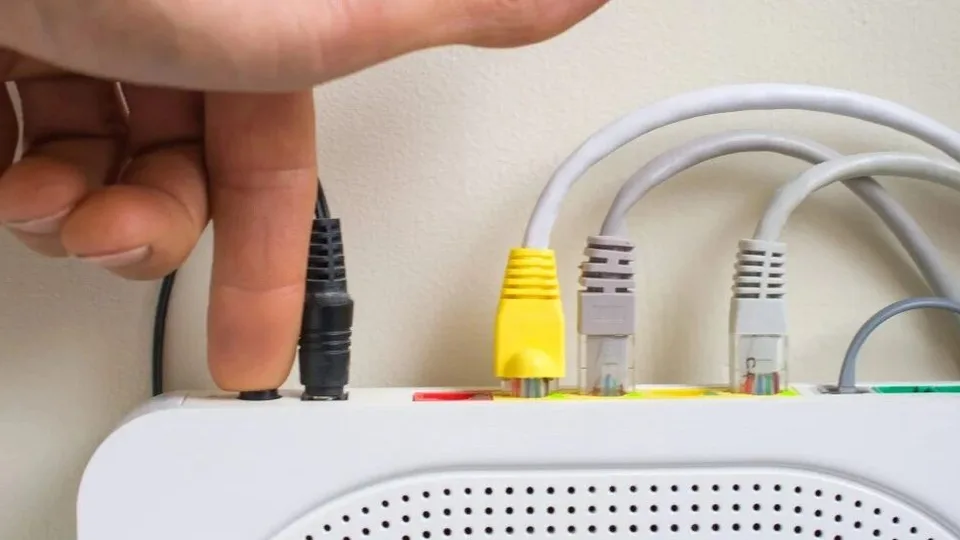
This article explains why regularly restarting your router clears temporary system states, resolves Wi-Fi channel interference, improves security by terminating suspicious connections, and distinguishes restart from factory reset, recommending a monthly restart as a simple maintenance habit.
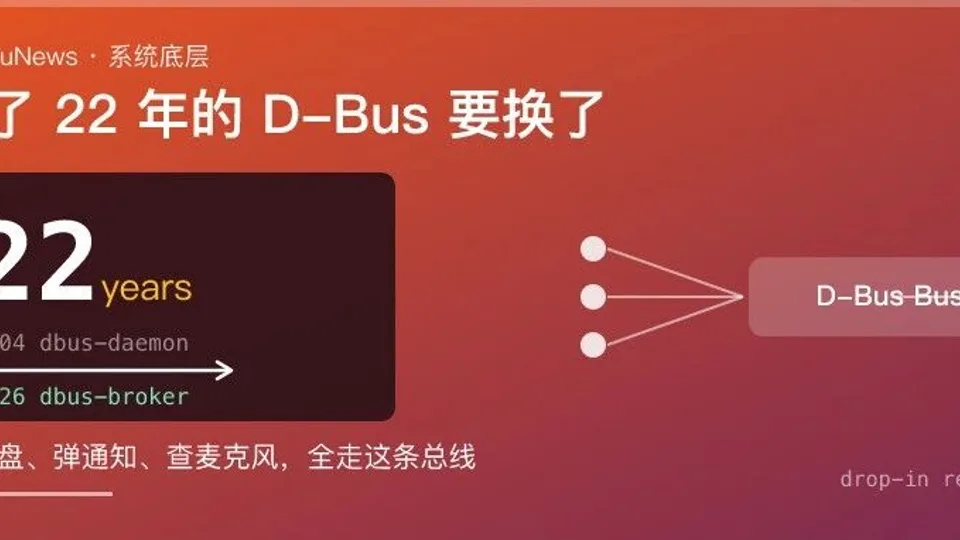
Ubuntu 26.10 replaces the dbus-daemon message bus used since 2004 with dbus-broker for better performance and reliability, explaining D-Bus's role in USB mounting, notifications, and microphone status, how to verify the change, roll back if needed, and which users should test carefully.
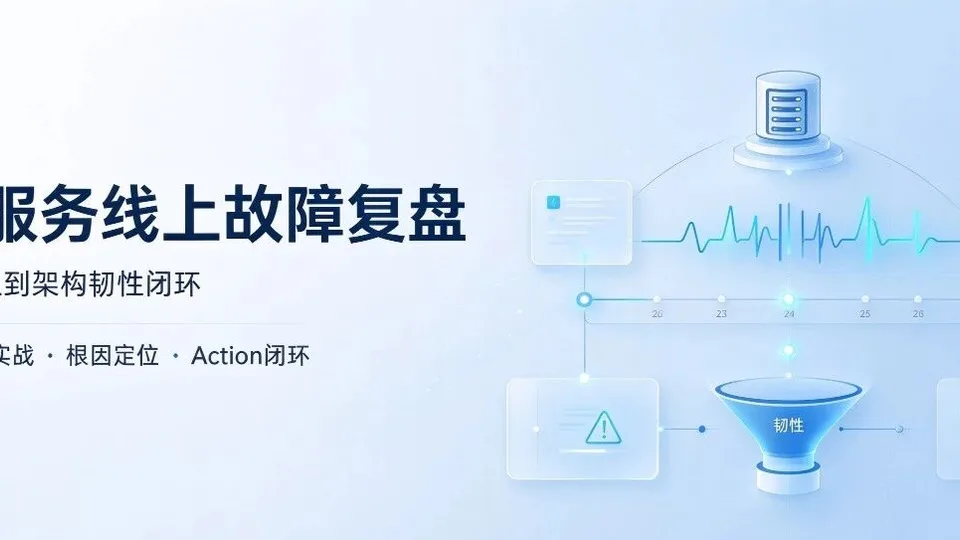
This article details a production-grade incident postmortem framework for microservices, covering blameless analysis, Swiss Cheese Model root cause analysis, standardized templates, maturity assessment, and closed-loop integration with chaos engineering and architecture reviews.