This article explains the purpose, characteristics, lifecycle, planning methods, advantages, and potential pitfalls of Beta testing, offering a structured approach to collect real‑user feedback, assess product quality, and reduce launch risk before official release.
The article examines the growing tension between product‑manager candidates and companies over demanding prototype assignments in interviews, exposing trust gaps, time‑cost anxieties, and misaligned expectations, and offers practical strategies for both applicants and recruiters to make the process fairer and more effective.
This article reveals seven common pitfalls—ranging from overly complex category trees and bloated attribute lists to conflicting tags, cluttered main images, immersive detail pages, fragmented SPU‑SKU structures, and careless cross‑platform copying—that sabotage e‑commerce product visibility and conversion, and offers practical, data‑driven solutions to fix them.
This article explains the LIFT model—a six‑factor framework for landing‑page conversion optimization—detailing its components, a four‑stage workflow from problem identification to result analysis, and practical tips for applying the model to everyday design projects.
This article dissects real-world WMS login failures, exposing captcha hell, chaotic permission setups, and broken login experiences, then offers concrete anti‑pattern designs, permission‑allocation rules, and resilient login strategies to transform a fragile login page into a rock‑solid, user‑friendly gateway.
The article recounts how Andy turned a challenging wedding seating arrangement into the PerfectTablePlan software, detailing its development with C++/Qt, use of genetic algorithms and quantum computing, rapid market adoption, extensive marketing tactics, and the eventual creation of a sustainable one‑person business.
This case study details how 58租房 tackled cumbersome landlord publishing by redesigning the workflow with smart location (LBS), AI‑driven shooting assistance, OCR‑based document recognition, and digital‑human guidance, achieving up to 90% faster operations, higher accuracy, and stronger privacy protection.
This article explains the concept of four‑party (aggregated) payment, compares it with third‑party payment, outlines common payment models, describes the role of agents, multi‑level agent structures, device management processes, and merchant onboarding procedures within the payment ecosystem.
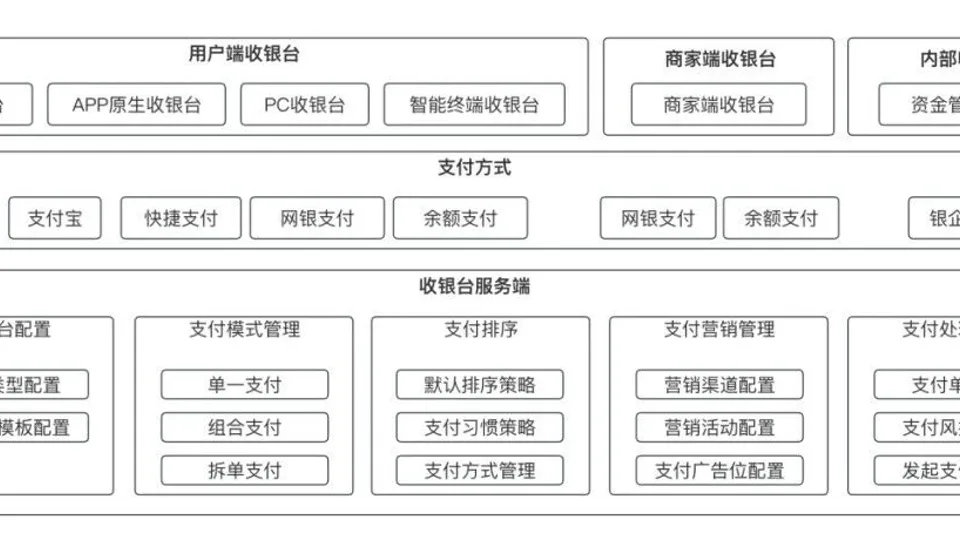
This article explores the evolution, architecture, design preparation, processing flow, front‑end/back‑end considerations, configuration strategies, and diverse real‑world examples of checkout systems across medical, e‑commerce, entertainment, ETC, and gaming domains, highlighting how business needs shape payment experiences.
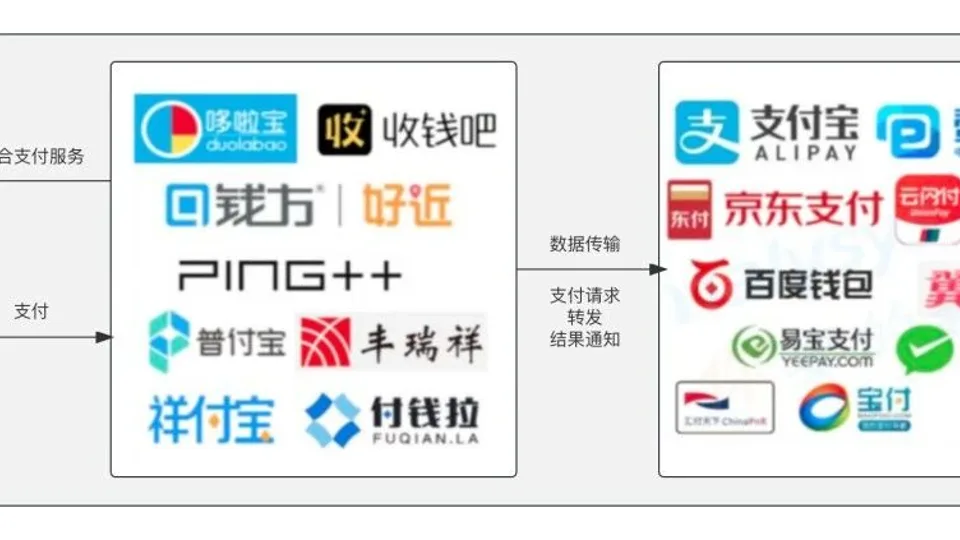
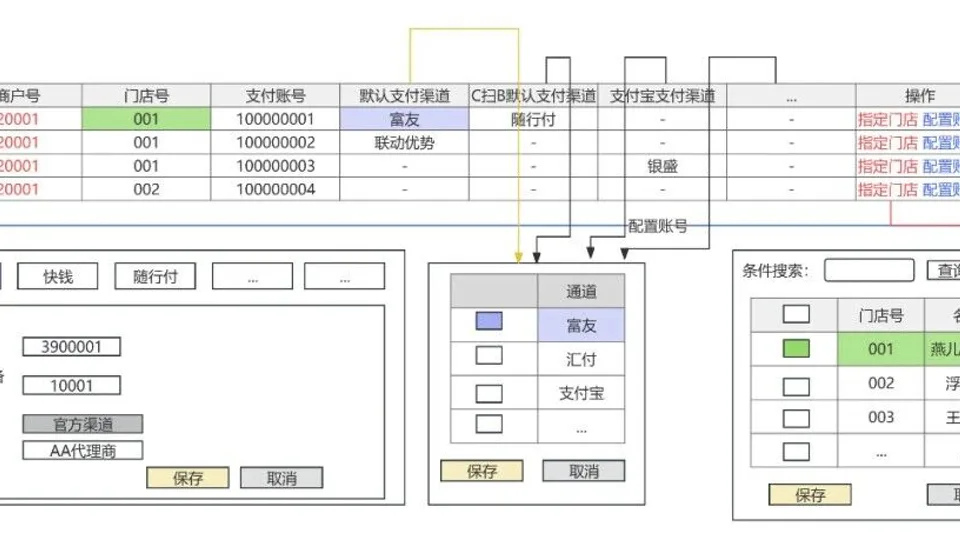
This article dissects the end‑to‑end payment ecosystem for new‑retail, detailing business flows, channel aggregation, payment‑middle‑platform architecture, merchant onboarding, and account configuration to help SaaS providers build scalable, multi‑channel payment solutions.
The article explains why developers must combine deep business understanding with AI tools, outlines a three‑layer domain model (core, generic, supporting), debunks common misconceptions, and provides a step‑by‑step methodology for mastering banking business concepts to boost ROI and career resilience.
This article shows how a product manager transformed intricate promotion rules—like "spend 300, get 50 off" with exclusions—into a visual, low‑code builder using modular components, natural‑language parsing, safety checks, version control, A/B testing, and collaborative approval flows.
This guide shows how product managers can redesign a chaotic e‑commerce admin panel by applying a four‑step information‑architecture process—role analysis, navigation hierarchy, global search, and feedback—to boost efficiency, reduce errors, and create a seamless user experience.
This article chronicles Adam D'Angelo's journey from a Facebook engineering leader to the founder of Quora, detailing the platform's origins, design, business model, target market, growth milestones, and its role as a knowledge‑sharing hub comparable to Zhihu.
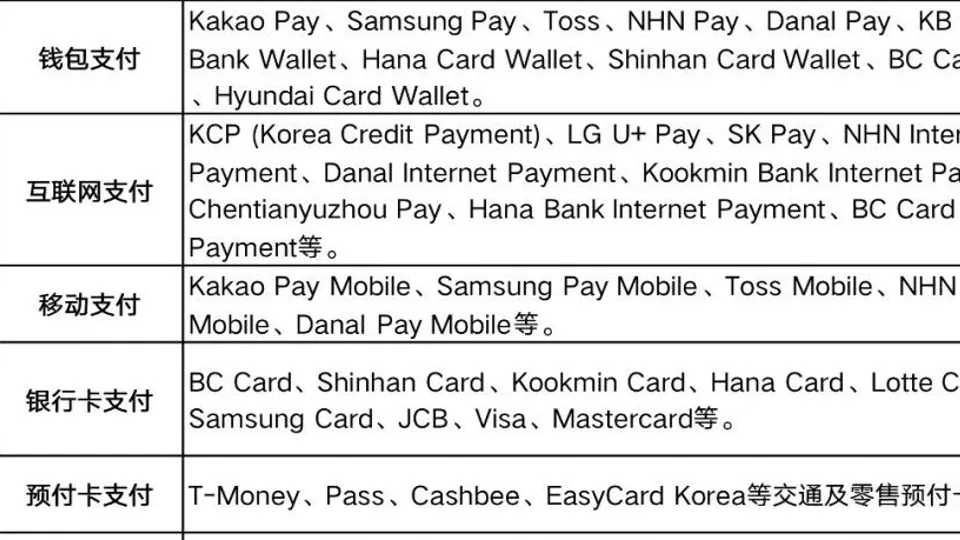
The article categorizes global payment methods by continent and country, analyzing wallet, internet, mobile, card, prepaid, cross‑border, POS, offline and other payment dimensions, and presents visual breakdowns for Asia, Europe, and the rest of the world.
This article analyzes a disastrous discount‑stacking case, identifies three core vulnerabilities in e‑commerce promotion logic, and presents a three‑part defensive framework plus a financial rescue toolkit to prevent massive losses and curb scalper abuse.
This article explains the Octalysis gamification framework, detailing its eight core motivational drives, how they map to left‑brain, right‑brain, white‑hat and black‑hat categories, and provides practical techniques for applying each drive to product design, marketing, and user experience.
This article explains how product managers can distinguish genuine needs from superficial feature requests, uncover underlying pain points, quantify expectations, and define clear success metrics, using practical examples like a customer asking for an ice cream versus needing temperature relief.
Through extensive user research, streamlined information architecture, simplified steps, and intelligent UI enhancements, the 58 recruitment platform transformed its certification process, cutting user friction and ultimately doubling both submission and success rates.
In today’s fast‑changing market, traditional product planning falls short, so this article explains how AI‑powered data integration, predictive analytics, and dynamic feedback loops can create a real‑time, data‑driven product roadmap, detailing three implementation phases—data unification, intelligent analysis, and continuous adjustment—with practical steps for product managers.