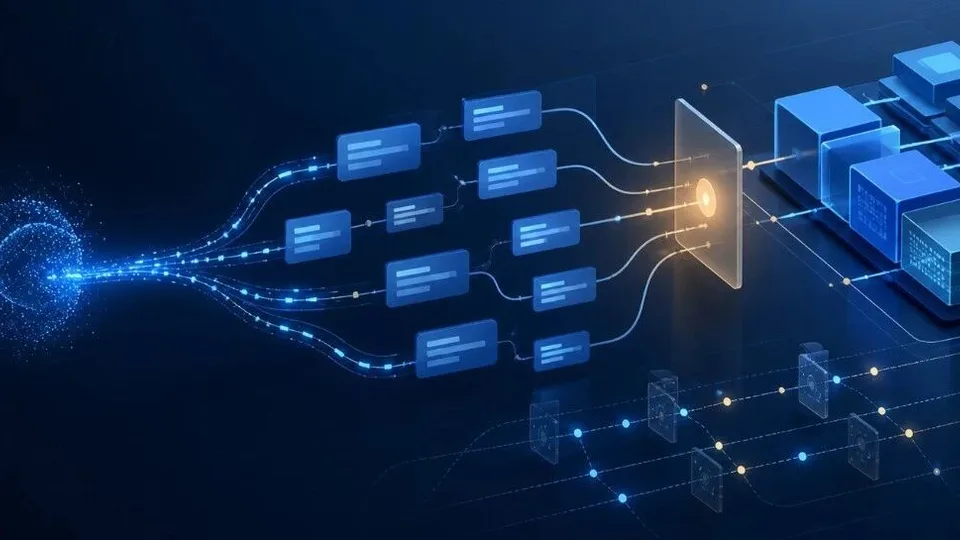
Uncle Bob proposes a 5-agent Gauntlet pipeline (Specifier, Coder, Cleaner, Hardener, QA) with context isolation, externalized rules, recalibrated thresholds, and human oversight of architecture boundaries, enabling small-step iterations where agents prove correctness via mutation testing and CRAP metrics while humans govern module dependencies and review evidence packages.
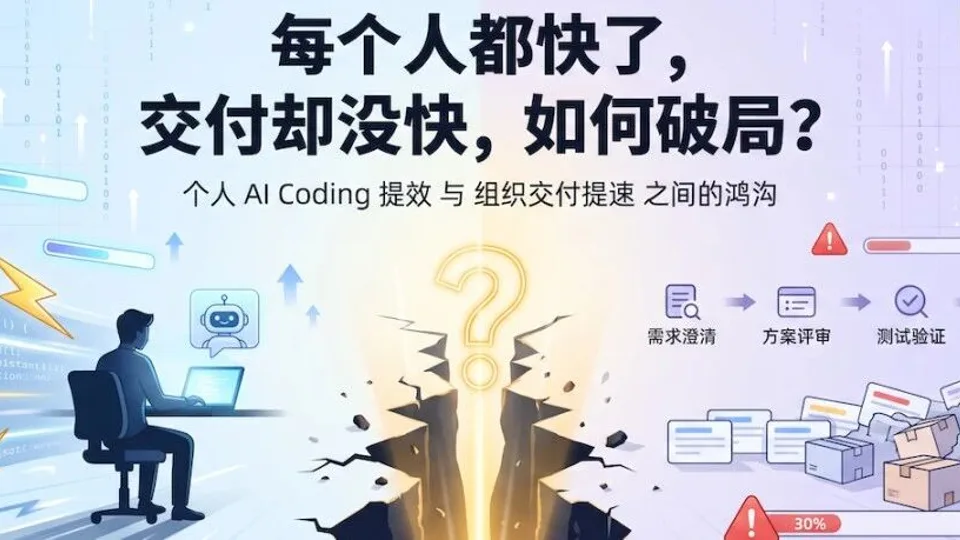
Despite 10x AI coding speed gains, organizational delivery remains stagnant due to unaddressed bottlenecks in handoffs, verification, and context sharing; the article outlines a five-step framework from ByteDance TRAE to transform individual AI productivity into organizational throughput via delivery contracts, shared memory, process loops, and evidence-based verification.
The article argues that adult mindsets, responsibility, and work standards are deeply ingrained and nearly impossible to change through training; training only teaches skills and processes, while real value lies in unteachable traits, so rigorous upfront selection and early rejection of mismatches save far more time than post-hire coaching.
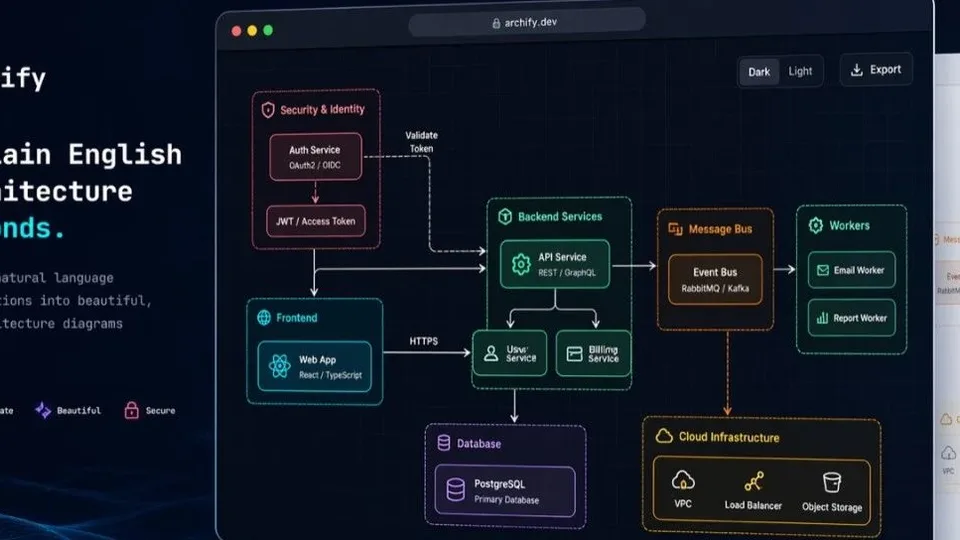
Archify is an open‑source AI skill that reads a repository, extracts runtime components, and produces an interactive HTML architecture diagram where each node links back to the exact source file and line, supporting multiple view types, export options, and easy updates via natural language commands.
A veteran IT director shares why most parachuted CIOs fail within 100 days and reveals a two-step framework — diagnose across four dimensions (boss, business, vendors, internal reality) before driving breakthroughs — plus a career strategy: either raise your professional value or lower position expectations to secure the role.
The article breaks down the essential components of a solid project feasibility study—background, market analysis, implementation plan, financials, risk mitigation, and compliance—while exposing ten frequent drafting mistakes that can turn a well‑intended report into a misleading approval tool.
In this interview, former Google and AWS senior architect Gregor Hohpe explains that architects should amplify their teams rather than be the smartest, emphasizes risk reduction as the core value, advocates simplicity, visual thinking with paper and pen, warns against over‑reliance on AI, and shows how even a “big mud ball” can be a pragmatic architectural choice.
A Gallup 2026 survey of 120,000 employees shows that active manager involvement dramatically boosts AI tool effectiveness, while lack of leadership leads to poor adoption, highlighting that management practices—not the technology itself—are the key to successful AI integration.
The article explains that IT project acceptance is a continuous control activity throughout the project lifecycle, detailing each phase—from preparation and milestone reviews to pre‑acceptance, final acceptance, and post‑acceptance closure—while highlighting common risks, mitigation measures, and lessons learned from large‑scale state‑owned and government digital platform projects.
The article provides a comprehensive, five‑stage framework for IT project initiation in large enterprises and government, detailing governance, feasibility analysis, budgeting, risk control, multi‑level approvals, and real‑world case studies to avoid scope creep, budget overruns, and compliance failures.
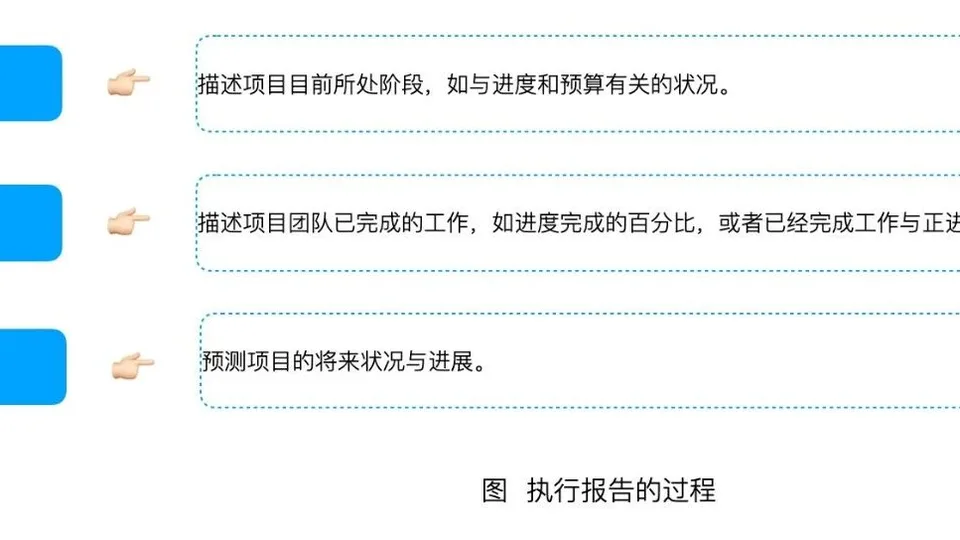
The article explains how Integrated Product Development (IPD) divides the product lifecycle into six phases, defines business‑focused decision review points, and outlines a dynamic execution‑report process—including its basis, methods, and results—to help project and product managers track scope, schedule, cost, and quality.
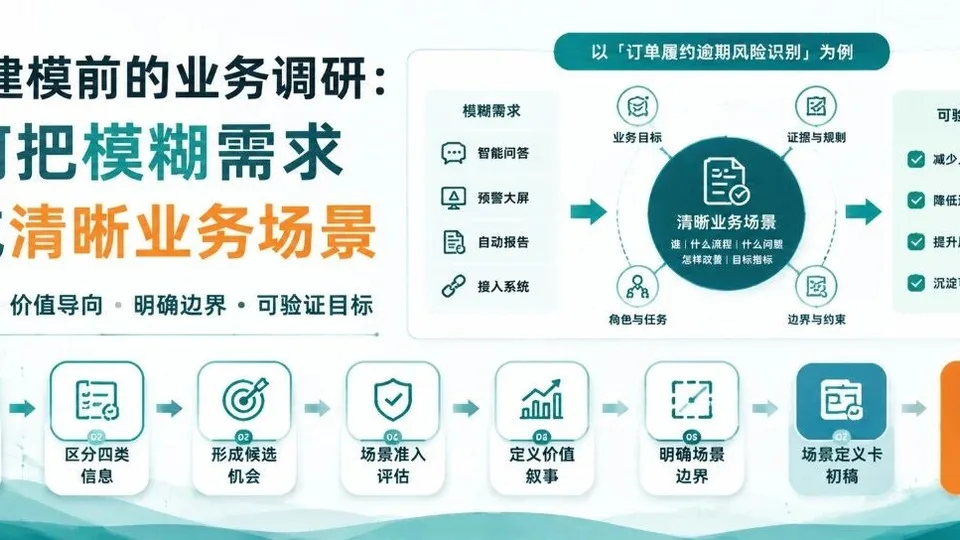
This article outlines a seven-step business research methodology for ontology modeling, transforming vague requirements into clear, verifiable business scenarios by distinguishing facts, rules, judgments, and hypotheses, evaluating candidate opportunities, defining value narratives and boundaries, and producing a scenario definition card as a modeling input.
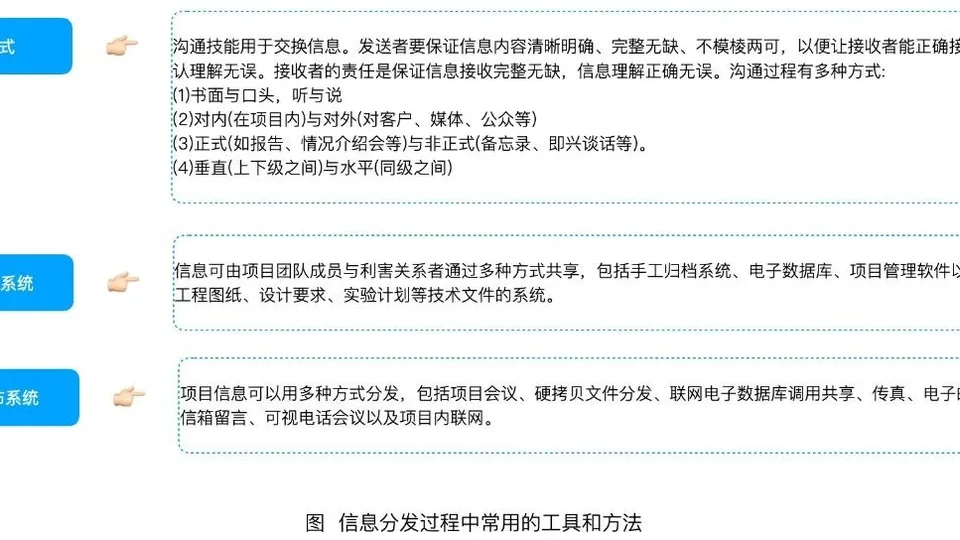
The article explains how Integrated Product Development (IPD), derived from the PACE theory and refined by IBM, structures product development into six phases with business‑focused decision reviews, and details the disciplined process of releasing project information to the right people at the right time.
As AI accelerates code generation, delivery teams face a growing explanation gap: code runs but the reasoning behind changes is lost, making structured change documentation essential for traceability, review, and safe handover.
This article argues that AI can rapidly generate functional code but cannot lower the engineering bar for production readiness, which requires risk-matched baselines, independent verification, and accountable gates — illustrated through a batch-import example showing the gap between happy-path code and real-world constraints like retries, idempotency, observability, and rollback.
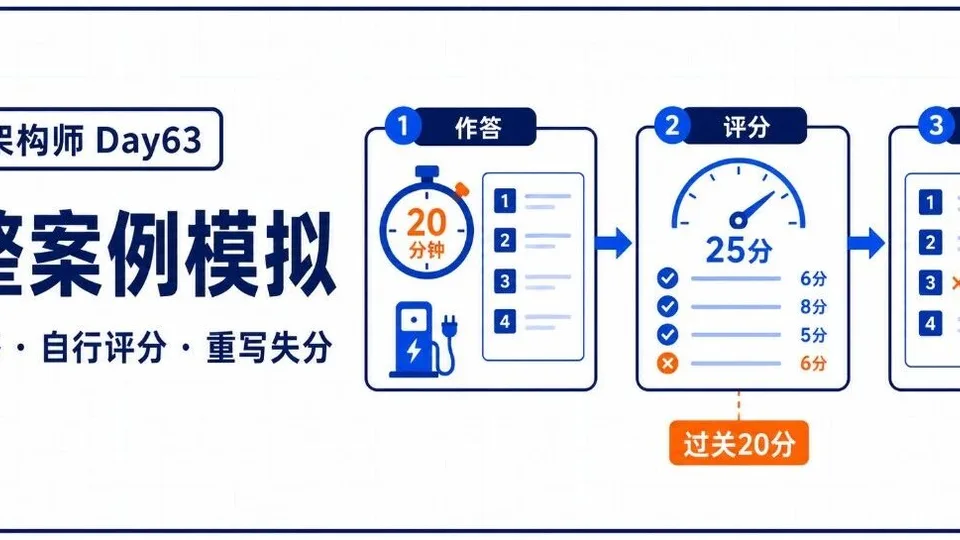
This article walks through a timed, 25‑point case study for a city‑wide electric‑vehicle charging platform, detailing performance bottlenecks, capacity planning, reliable messaging, protocol evolution, and access‑control design, and provides reference answers that illustrate the analytical process required to score each question.
The article argues that agile is a set of guiding principles—early delivery, rapid feedback, and adaptation—rather than a rigid set of practices like Scrum or Kanban, and advises teams to tailor processes to their context instead of blindly following a prescribed workflow.
The article explains how architects who stop writing or reading code lose essential insight into the system, leading them to suggest impractical solutions like a non‑existent message center, and offers concrete practices to stay connected with the codebase.
This article explains the IPD (Integrated Product Development) methodology, outlines its six‑phase lifecycle, and provides a detailed project execution and control framework—including a project log template, status symbols, work‑breakdown tables, and update rules—to help project and product managers coordinate R&D efforts effectively.
The article distinguishes real process integration from mere interface wiring, outlining four value layers (eliminating manual data entry, single source of truth, event-driven automation, end-to-end visibility), four architectural steps (bus topology, three-level decoupling, contract-first design, process orchestration), and business-centric success metrics.