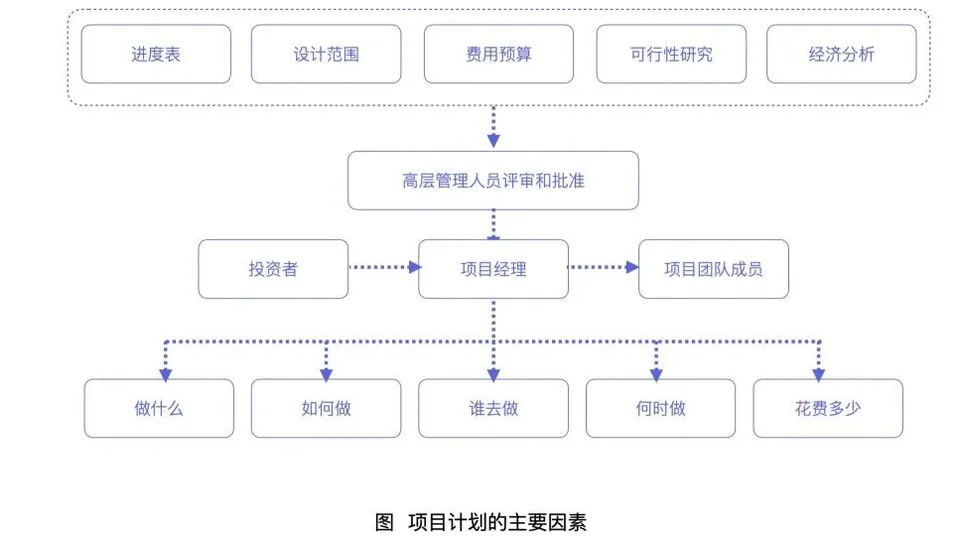
The article explains how Integrated Product Development (IPD), derived from the PACE theory and refined by IBM, structures product development into six phases with business‑focused decision reviews, and details why a comprehensive project plan—covering phases, tasks, resources, risks, deliverables, and coordination—is essential for cross‑functional R&D teams.
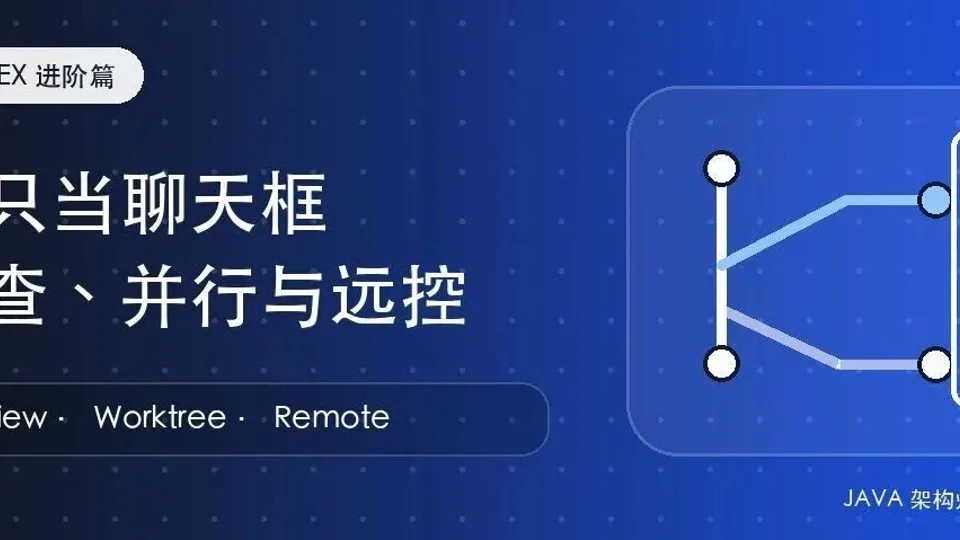
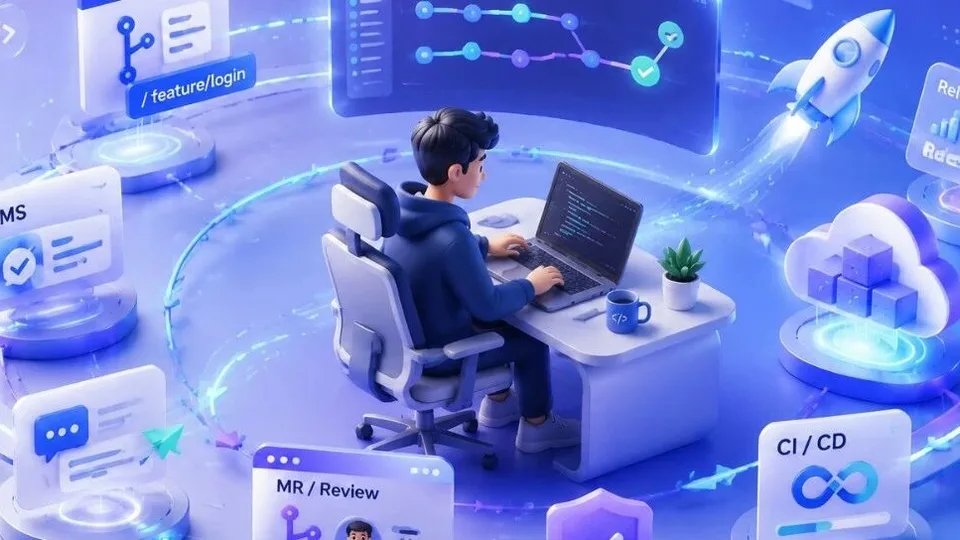
The article outlines a practical Codex workflow that isolates AI‑generated code with Git worktrees, runs tests and reviews, integrates GitHub pull‑request automation and mobile remote approval, and defines clear boundaries to ensure reliable delivery for Java development teams.
A company hired a top engineer with a 60,000 CNY monthly salary, only to see him refuse any overtime and quickly fall into conflict with his supervisor, sparking a deeper analysis of whether high pay should buy extra work hours or just professional output.
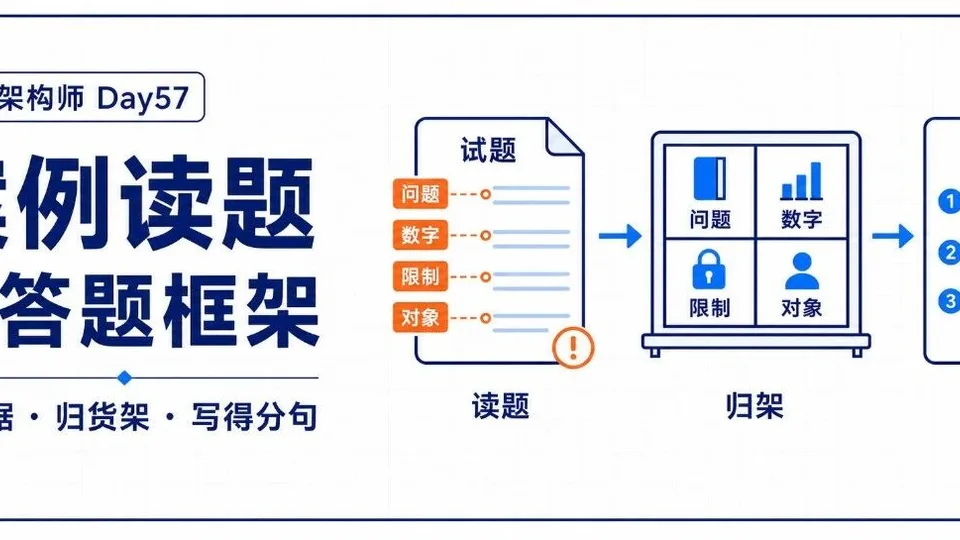
This guide teaches architects a three‑pass reading method, how to identify quality‑attribute requirements from case statements, build six‑element scenarios, and craft complete, scored answers for exam‑style architecture problems, using a regional medical registration platform example.
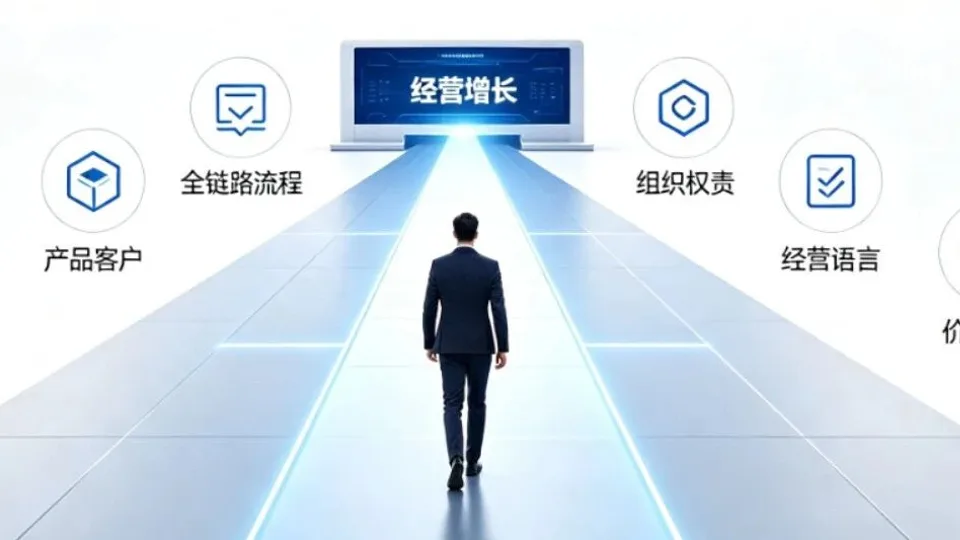
The article argues that AI‑driven efficiency gains are limited by fragmented collaboration, proposes a three‑layer "knowledge base + Agent + human" model to replace humans as the sole orchestrators, and details the practical challenges of constructing such knowledge bases in legacy businesses.
This article explains the IPD methodology, its six‑phase product development process, decision‑review points, and provides detailed guidance on planning and executing both internal and external project kickoff meetings, including agenda items, team roles, and post‑kickoff follow‑up.
Research shows AI accelerates individual tasks like coding and writing, but organizational throughput doesn't improve because bottlenecks shift to coordination, review, and approval stages; real gains require redesigning workflows, metrics, and decision rights rather than just deploying tools.
The article explains why teams often showcase impressive metric reports yet fail to satisfy business needs, revealing that confusion between purpose, goal, and metric leads to misaligned efforts, and offers a practical four‑step validation method to align measurements with true objectives.
The article reveals that private enterprise bosses' demand for IT to understand business better than business units stems from three anxieties: inability to penetrate business 'black boxes,' digital transformation blurring boundaries, and results-oriented pressure; the real need is for IT to align with business goals, challenge inefficiencies, and deliver value, not to replace business experts.
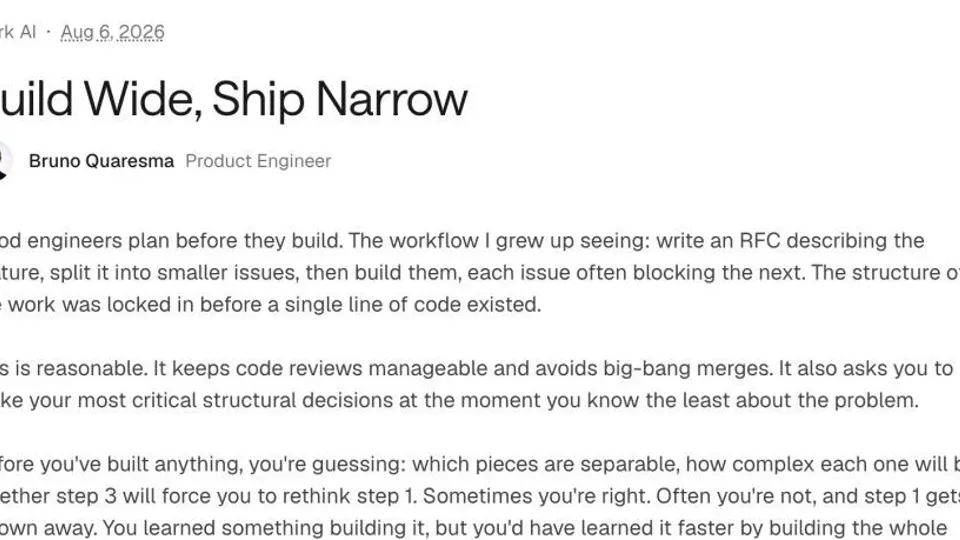
The article advocates a 'Build Wide, Ship Narrow' workflow where developers first build features broadly using AI assistants, then split the completed work into small, reviewable pull requests, enabling faster iteration, better code review, and incremental deployment while preserving design rigor.
This article describes how the SKILL framework captures native development events such as branch creation, commits, pushes, and merges, persists key task context, and automatically orchestrates actions across PMS, Lark, GitLab, CI/CD, PaaS and release‑management systems, dramatically reducing manual hand‑offs and cycle time.
This article explains the IPD methodology, outlines its six‑phase process and business‑focused decision reviews, and details the nine essential sections of a project task book, including the use of the 4W2H framework for clear, cross‑functional planning.
The article breaks down an architect’s core duties, examines how AI reshapes each responsibility, and offers a step‑by‑step framework for re‑positioning personal value and skill sets to stay relevant in a rapidly evolving technological landscape.
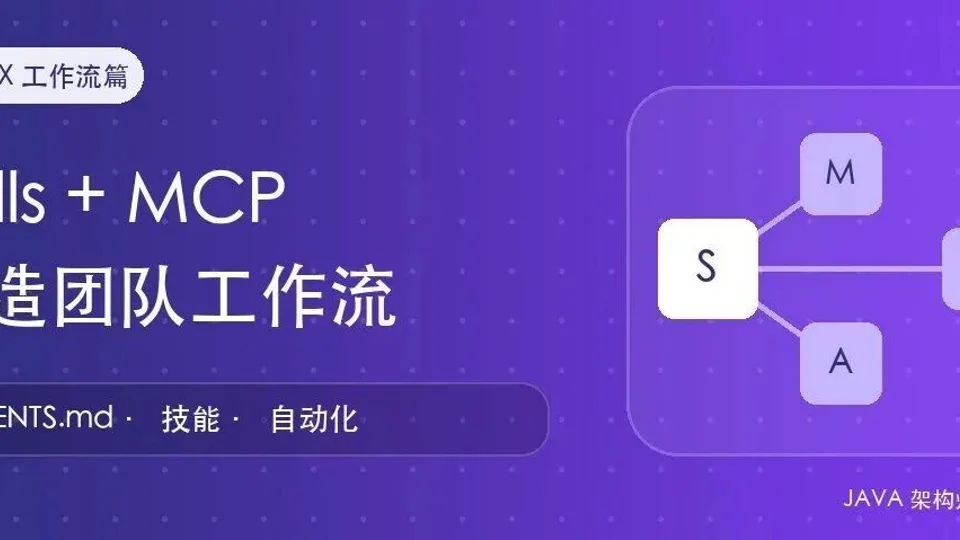
The article analyzes how overloading a single prompt with rules, methods, data, and timing leads to inefficiency, and proposes a four‑layer Codex workflow—AGENTS.md for long‑term rules, Skills for reusable methods, MCP for external data, and scheduled tasks for stable execution—illustrated with concrete examples and CI integration.
TokenHub, an enterprise AI gateway, gained 950 stars, 116 forks, and 17 contributors in its first two weeks open source, evolving from a solo project to a community-driven effort with rapid version updates addressing real-world deployment challenges like model routing, cost governance, and observability.
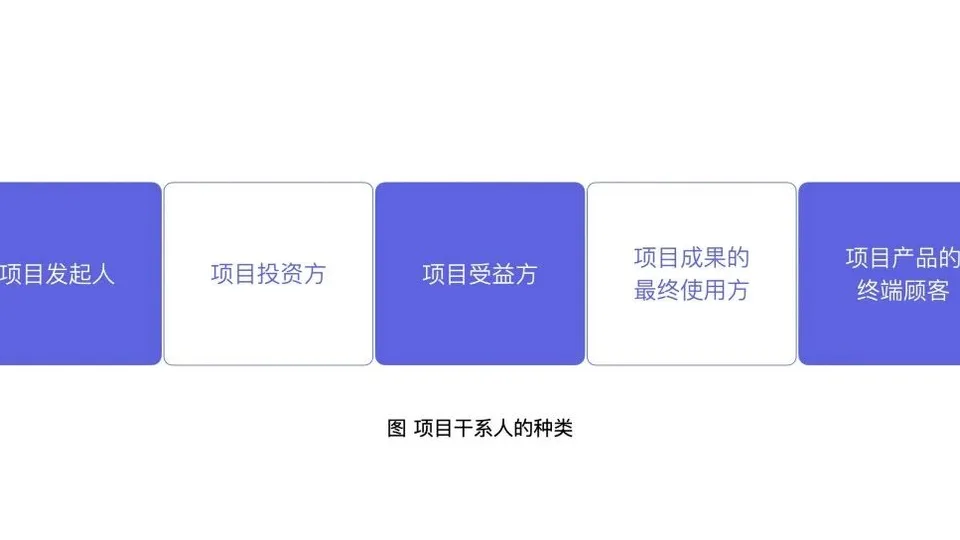
This article explains the IPD framework’s six‑phase product development process, defines the various internal and external stakeholders of an R&D project, and details a step‑by‑step method—including analysis matrices and participation plans—to identify, assess, and manage those stakeholders effectively.
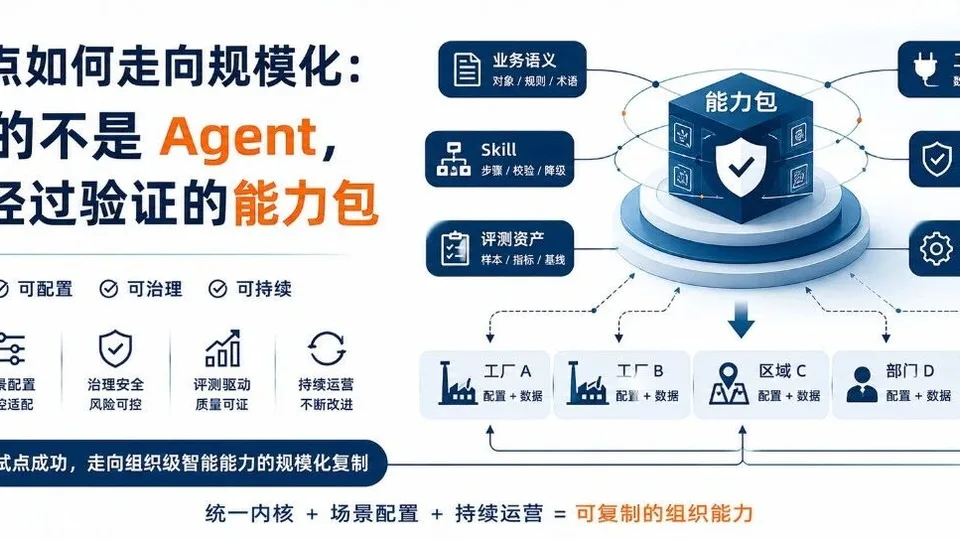
The article argues that scaling AI pilots requires reusing validated capability packages—including business semantics, Skills, tool contracts, governance, evaluation assets, and operational mechanisms—rather than copying Agent instances, emphasizing stable core vs. configurable scenario adaptation, phased expansion with admission assessments, unified maintenance responsibilities, and metrics tracking reuse rates and cost reduction.
Kuaishou’s analysis reveals that increasing developer count reduces AI efficiency gains, identifies three layers of human friction, three organizational gaps, and four AI‑native principles, and demonstrates a four‑quadrant framework that boosted AI code generation and demand delivery by up to fourfold.
The article explains how shifting test coverage from a simple metric to a diagnostic tool—aligned with business risk, enriched by AI analysis, and embedded in team roles and organizational contracts—can dramatically improve software quality, delivery speed, and overall engineering maturity.
The article explores a technical manager’s late‑night anxieties about losing coding ability, explains why engineering skills decay while management skills endure, and offers concrete strategies—including a two‑year trial period and a critical time window—to retain hands‑on competence and safely transition between roles.