This article explains why IT departments' contributions are often overlooked — stable systems are taken for granted while failures attract blame — and provides four practical strategies for IT leaders to translate technical achievements into business language that executives understand and value.
This article presents Kuaishou’s 2026 H1 comprehensive review of its AI productivity system, detailing the three‑year evolution, the three critical bottlenecks that hindered scaling (skill polarization, workflow friction, and AI‑human coordination), the historical banking analogy that shaped a new AI‑productivity paradigm, a five‑stage roadmap with three parallel execution tracks, and concrete case studies that demonstrate a 10% rise in per‑person demand delivery, an 11%+ reduction in cycle time, and a doubling of AI code‑generation rates across the organization.
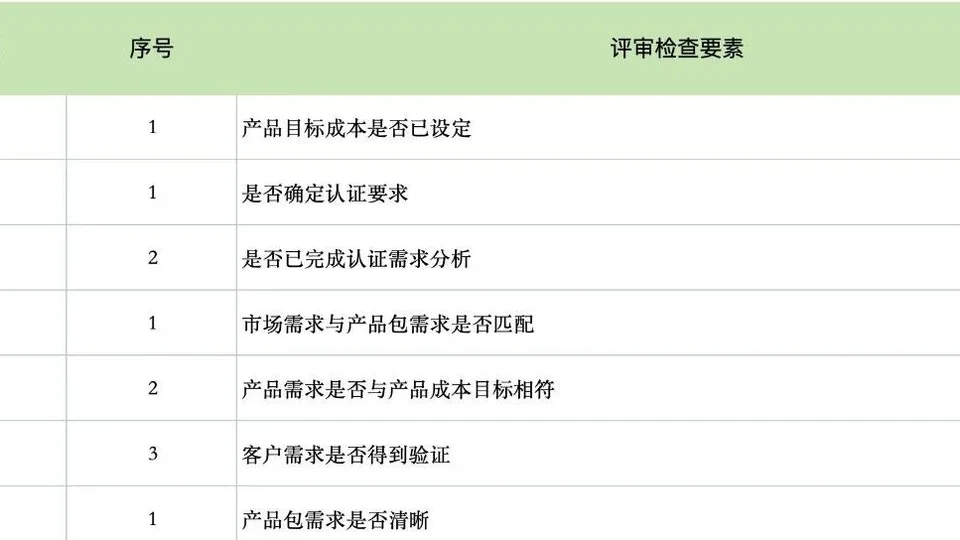
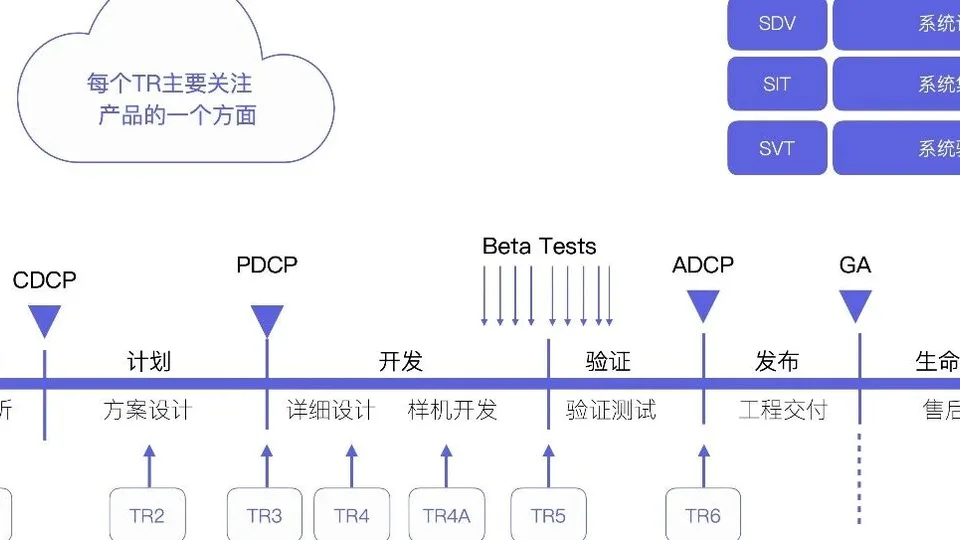
This article outlines the IPD product development framework, its six lifecycle phases, and the detailed technical review (TR) checkpoints—from TR1 to TR6 and LDCP—highlighting departmental responsibilities, evaluation criteria, and practical guidance for each review stage.
The Rust core teams have published an LLM usage policy that permits AI to assist with reviewing, analyzing, and suggesting code but forbids AI‑generated code creation, outlining strict disclosure rules, higher quality thresholds, and the impact on reviewers, contributors, and issue reporters while comparing approaches taken by Go, Zig, and the Linux kernel.
The article outlines why programmers feel overwhelmed by endless new technologies, presents a four‑stage learning model, three key mindsets, and practical methods—including a main‑line + branch framework, output‑driven learning, annual subtraction, and regular shutdowns—to create a lasting technical moat.
The article argues that platform teams should be treated as internal products serving developers, explains how misaligned DevOps practices and hidden infrastructure complexity hurt delivery speed, and outlines four operational principles and practical advice for building effective platform engineering.
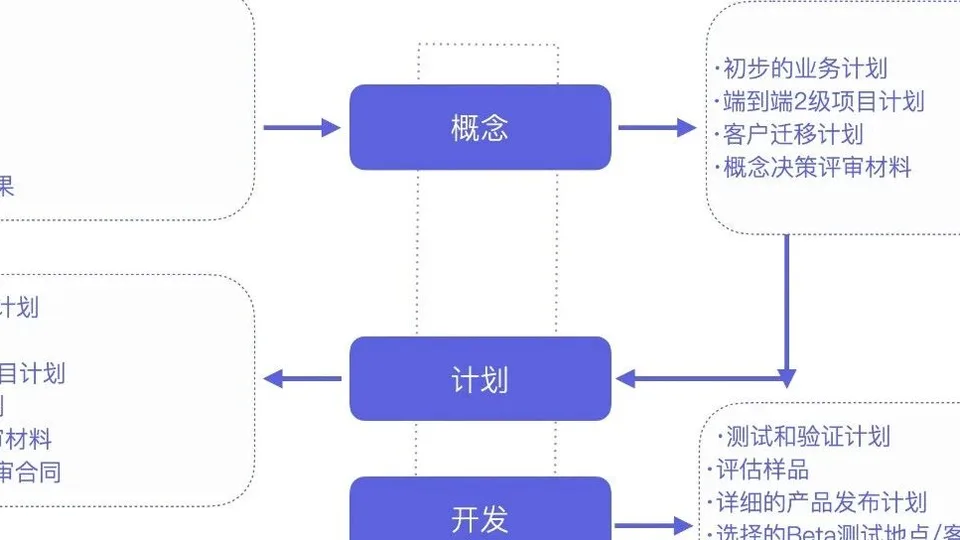
The article explains the IPD framework, its six development phases, and the role of technical review points—detailing their definitions, typical configurations for various product complexities, and how they help control quality and risk throughout the product lifecycle.
This article details a specification-driven AI collaboration system combining OpenSpec for structured requirements and AI Workflows with skills, hooks, and templates for execution, demonstrated through a Vue/TypeScript retail project where AI accuracy improved from 60% to 90%.
The article reveals that despite widespread AI tool adoption, overall delivery cycles remain long because over 80% of time is spent on inter‑role waiting, hand‑offs, and information loss, and it explains how an AI‑Native organization and the BuilderAgent framework restructure the workflow to achieve repeatable efficiency gains.
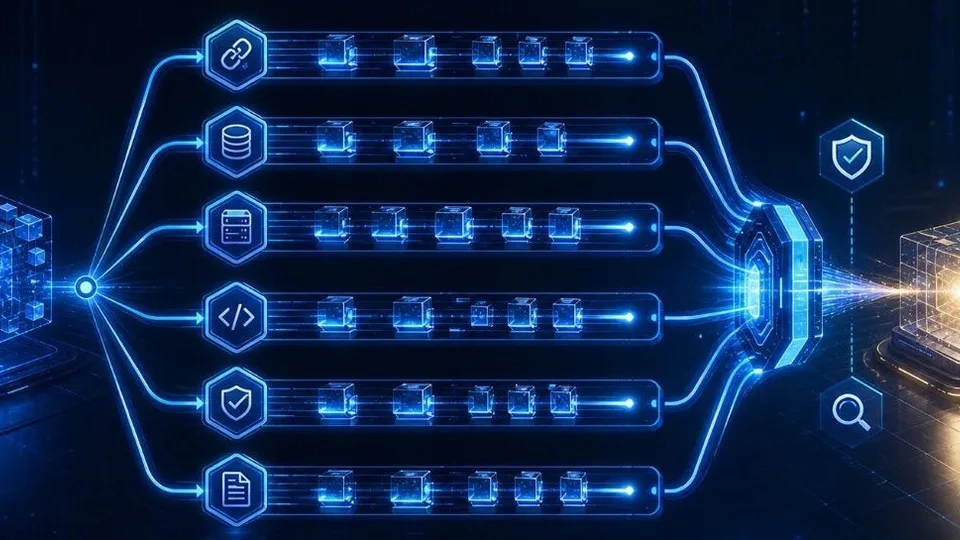
The article explains that effective multi-agent collaboration requires identifying dependencies first, then decomposing tasks into four types (exploration, contract, implementation, integration), following four principles (independent boundaries, explicit inputs, verifiable outputs, controllable conflicts), and executing in four phases (contract-first, independent parallel, unified integration, system verification), illustrated with a batch import example.
The creator of TokenHub and Beego outlines six priorities for community contributions after open-sourcing the AI gateway: real-world enterprise usage feedback, provider protocol compatibility, robust testing matrices, production-grade deployment practices, documentation and multilingual support, and architectural restraint — emphasizing that sustainable open-source growth comes from diverse operational experience, not just code submissions.
This article presents a five-layer AI project template framework — business goals, project context, standard task packages, quality gates, and delivery evidence — to turn AI agents from ad-hoc code generators into reliable, manageable delivery systems, with concrete implementation steps and common pitfalls.
This article explains the IPD framework—originating from PRTM's PACE theory and refined by IBM—detailing its six-stage funnel model, decision‑gate reviews, and the specific inputs and outputs that drive systematic product development from concept through lifecycle.
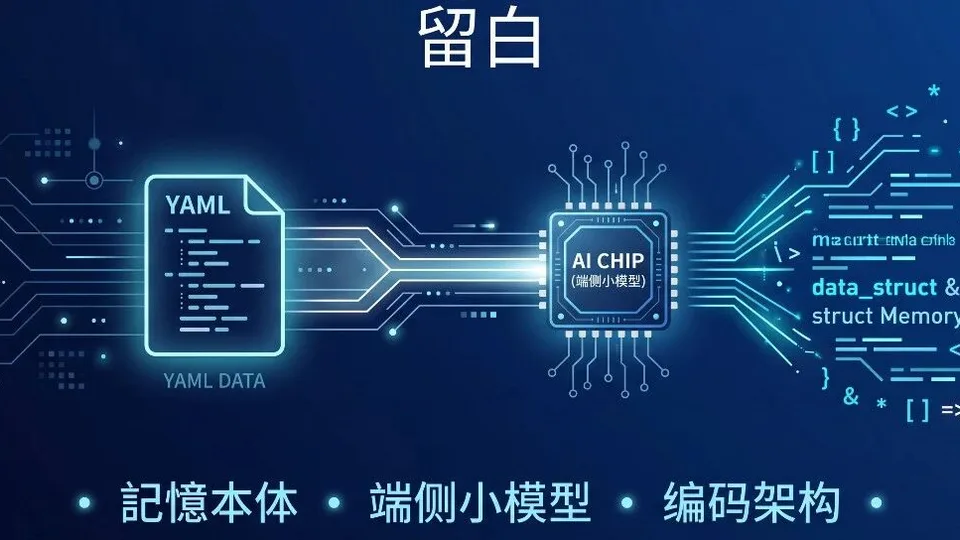
The article explains how a federated architecture separates code‑architecture and purchasing constraints into independent domains, injects them into LLM context with per‑domain token budgets, and validates them without merging schemas, demonstrating the approach with concrete directory layouts, configuration code, and experimental results.
This article outlines a 90-day framework for small and medium tech companies to achieve their first AI transformation by running a real pilot project, establishing shared context, restructuring delivery processes with automated testing and quality gates, forming cross-functional delivery pods, and measuring success via delivery cycle, rework, defects, customer acceptance, and AI cost — before scaling.
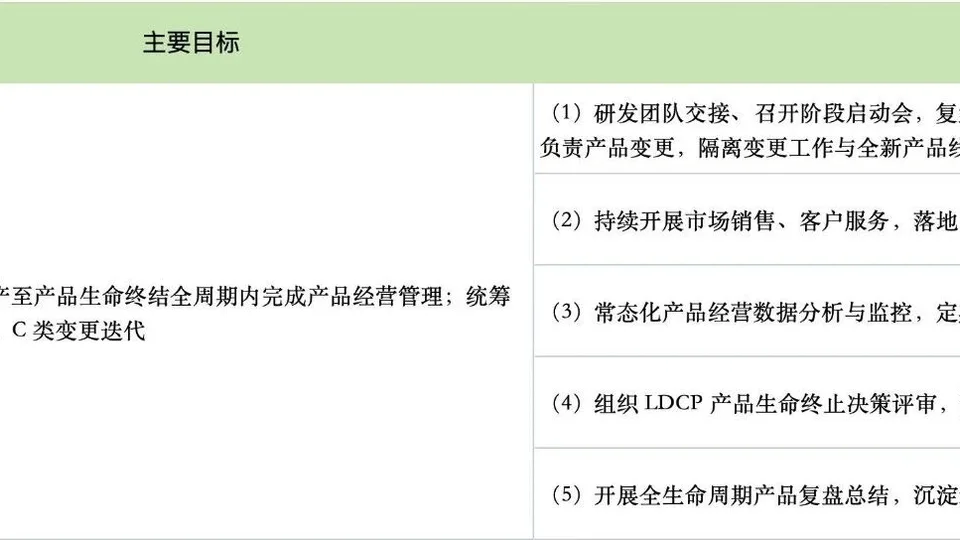
The article explains IPD’s six‑phase product development framework, focusing on the final Lifecycle stage, its objectives, key activities, decision‑gate criteria, and the roles of the Life Management Team (LMT) and LDCP review in managing product operation, cost, marketing, and retirement.
The article breaks down the six essential components of Claude Code and Codex—real‑time repository context, prompt caching, tools & permissions, context governance, session memory, and sub‑agents—showing how they align task state, action boundaries, and evidence to make coding agents reliable in real development workflows.
The author argues that a technical manager should devote about 80% of their time to coding and only 20% to management, warning that abandoning hands‑on development erodes technical judgment, team trust, and long‑term career competitiveness.
As AI tools increasingly generate code, engineers must still decide when to write a design document, how detailed it should be, and what essential sections to include—project scope, requirements, technical solution, risk, and collaboration trace—to ensure sound decisions and effective reviews.
Beyond exam topics, a system architecture designer must master both visible technical knowledge and hidden soft skills—communication, documentation, project management, decision‑making, and continuous learning—so the article maps these abilities, rates their importance, offers self‑assessment tables, and suggests targeted improvement plans for each career stage.