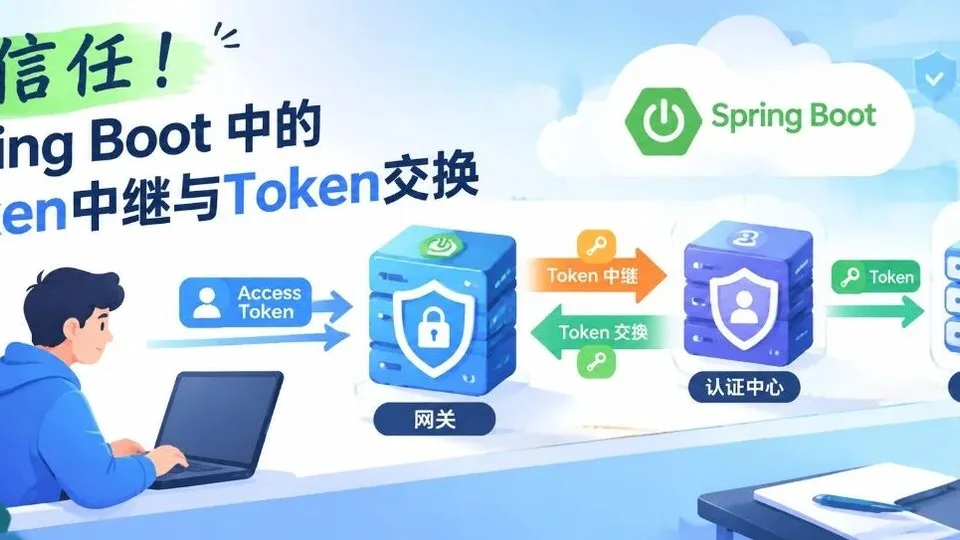
This article explains why gateway-only JWT validation is insufficient in zero-trust microservices, detailing Token Relay and Token Exchange patterns with Spring Boot 3.5 code examples for secure service-to-service authentication and authorization.
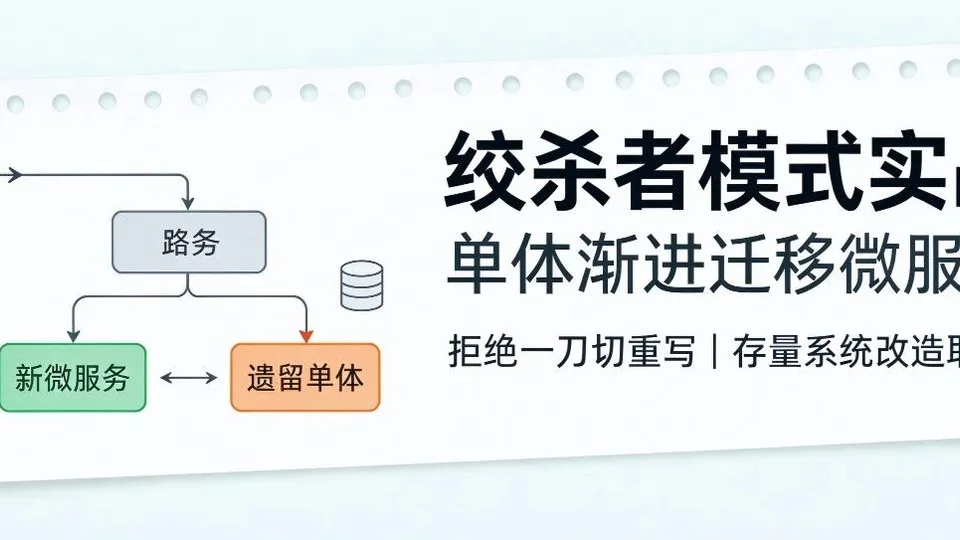
This article details the Strangler Fig Pattern for migrating legacy monoliths to microservices, using a facade layer, dual-write with local message tables, traffic mirroring, and one-click rollback, illustrated with a 14-month retail migration and the TSB bank failure case.
The article details a family health management system using Doubao AI and Feishu, featuring a 10-table star schema, 6 AI skills for data parsing, automated workflows, and open-source templates for one-click deployment.
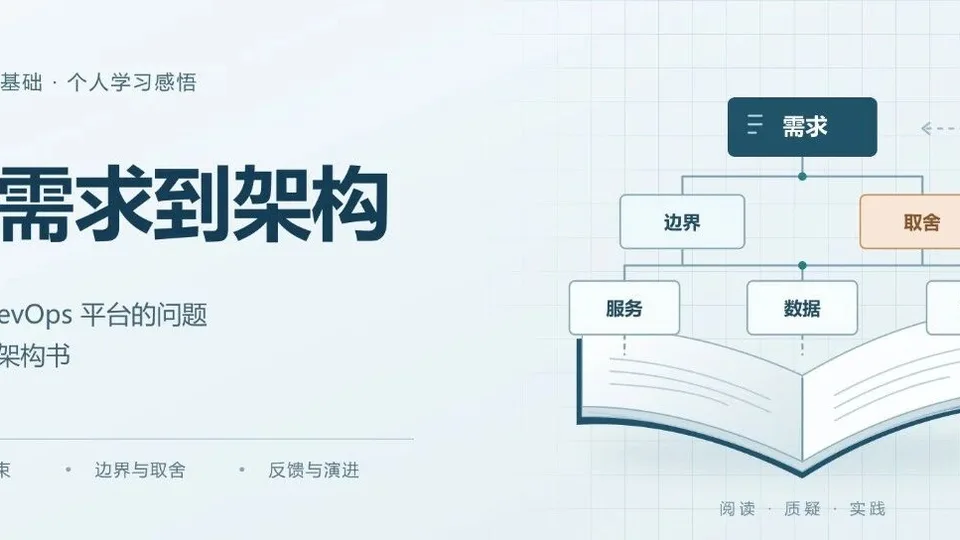
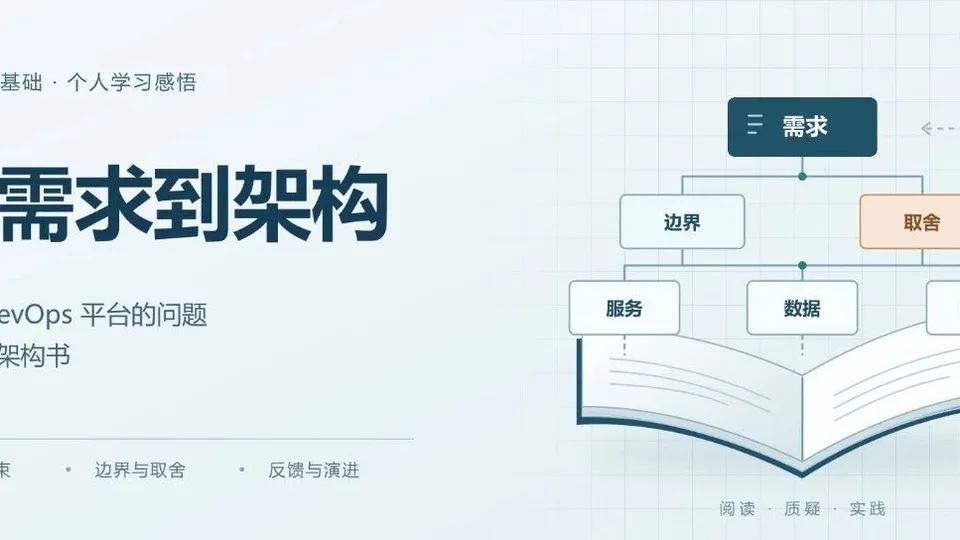
This article summarizes Chapter 13 of 'Architecture Fundamentals', presenting four enterprise system case studies—messaging platform, fund collection/payment, business monitoring, and regulatory reporting—to demonstrate a layered architecture derivation method covering functional architecture, service relationships, technical deployment, data design, and process flows, with practical checklists for responsibility, state visibility, failure recovery, and traceability.
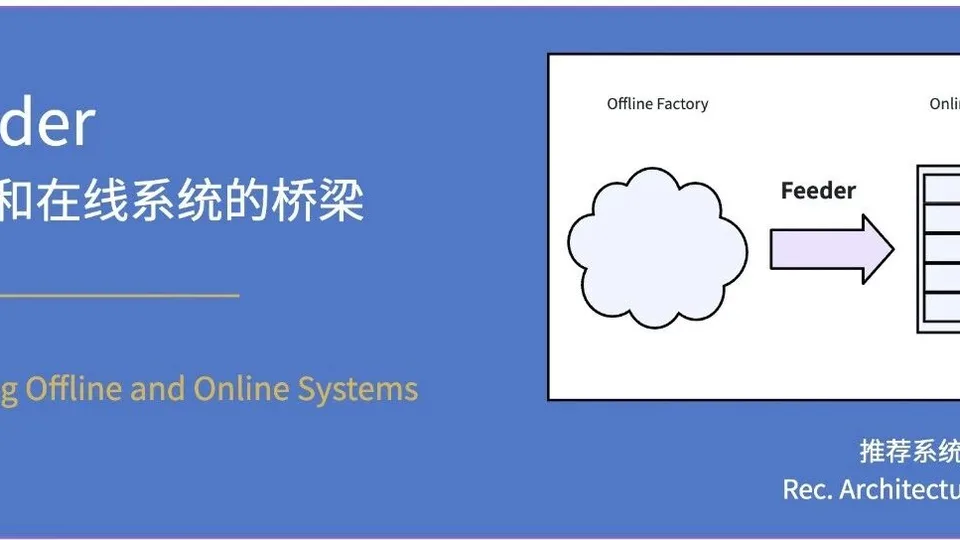
This article details Feeder pipelines that transport diverse data types—user features, content tags, embeddings, popularity rankings, and operational rules—from offline computation to online serving, covering batch atomic switches, NRT incremental updates, cursor-based recovery, scheduling platform design, and latency observability practices.
This article explores Google Guava's core utilities for Java developers, demonstrating how Joiner, Splitter, and CharMatcher simplify string handling, how Immutable collections provide true immutability versus JDK's unmodifiable views, and how Multimap, BiMap, and Table solve common collection gaps. It also covers primitive utilities, functional transforms with Functions and Predicate, null-safety via Preconditions and Optional, a self-maintaining local Cache, and ListenableFuture for cleaner async callbacks.
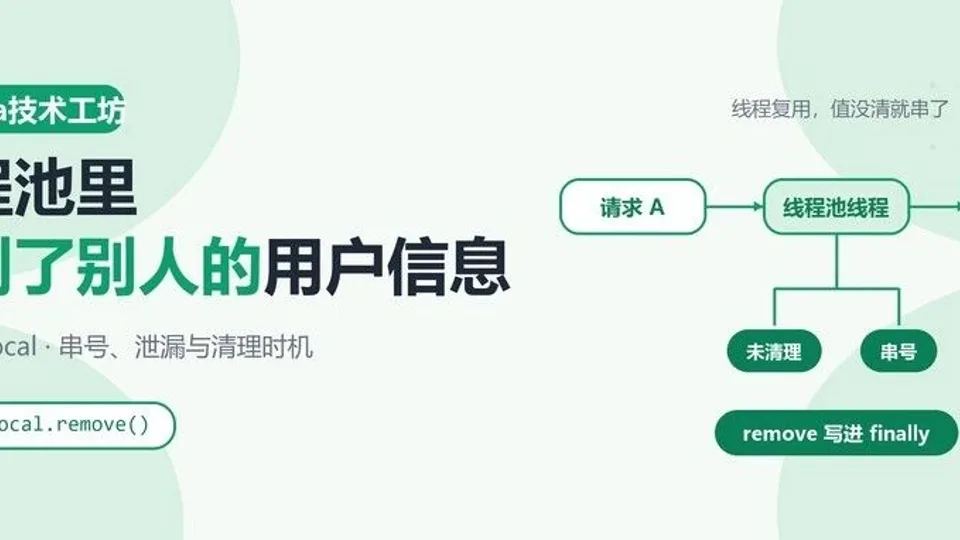
This article explains how a static ThreadLocal without cleanup in a thread pool causes user data leakage and memory leaks, details ThreadLocalMap's weak-reference Entry structure, demonstrates InheritableThreadLocal's failure with pooled threads, and presents solutions including try-finally cleanup, interceptor-based clearing, Alibaba's TransmittableThreadLocal, and an AutoCloseable wrapper for safe scoping.
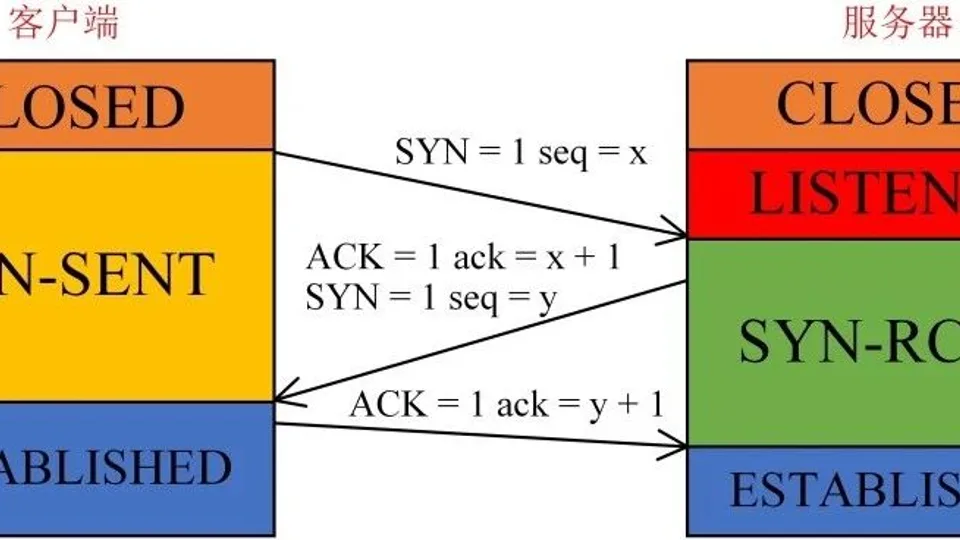
This article explains that listen() merely marks a socket as passive and initializes kernel queues; without it, servers reject incoming SYN packets with RST, yet client-side connect() and TCP simultaneous open can establish connections without ever calling listen().
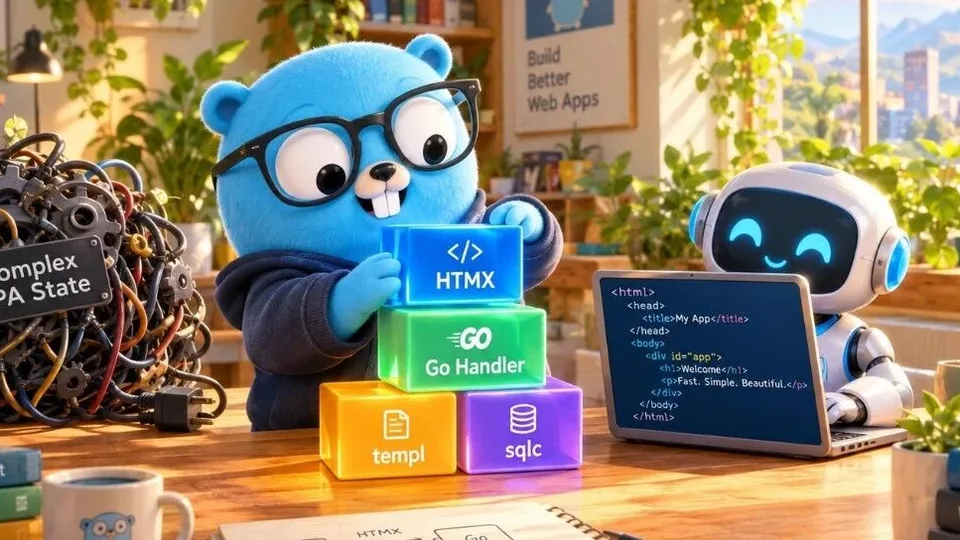
A backend engineer abandons Svelte for Go + HTMX + templ + sqlc, eliminating frontend state sync bugs, enabling type-safe HTML partials, and improving LLM code reviewability, with practical patterns for search, lazy loading, OOB swaps, and auth redirects.
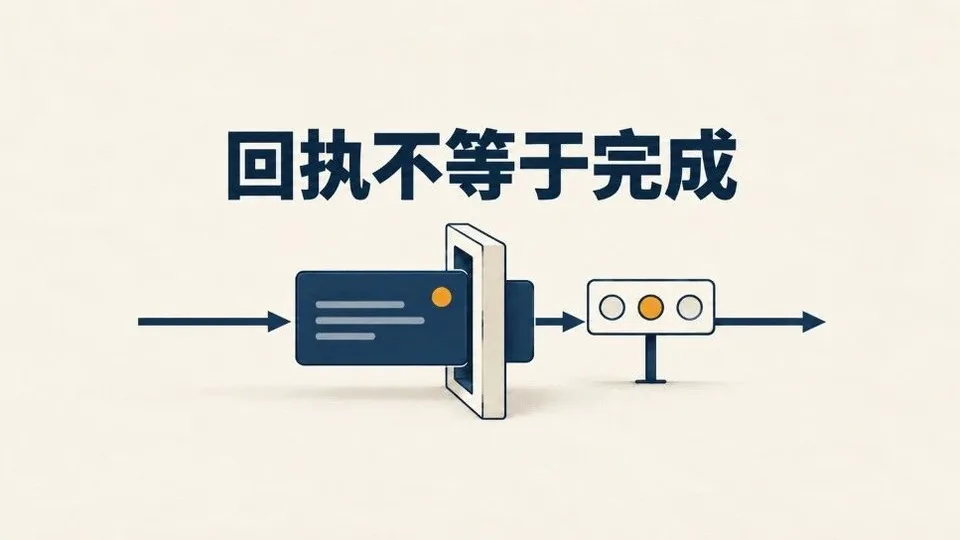
The article explains how ACP v2 decouples message insertion from turn completion, making session/prompt responses only acknowledge insertion while deferring completion, errors, and cancellations to session-level state_update notifications, requiring clients to maintain separate tracking for submission receipt and session activity.
This article details local order book maintenance covering incremental WebSocket depth updates, REST snapshot alignment, price quantization to integers, and compares BTreeMap, sorted Vec, flat arrays with bitmap indexing, and RingBuffer implementations with benchmark results on Apple M4 Pro showing array-based structures achieve 4-5ns updates vs 34ns for BTreeMap.
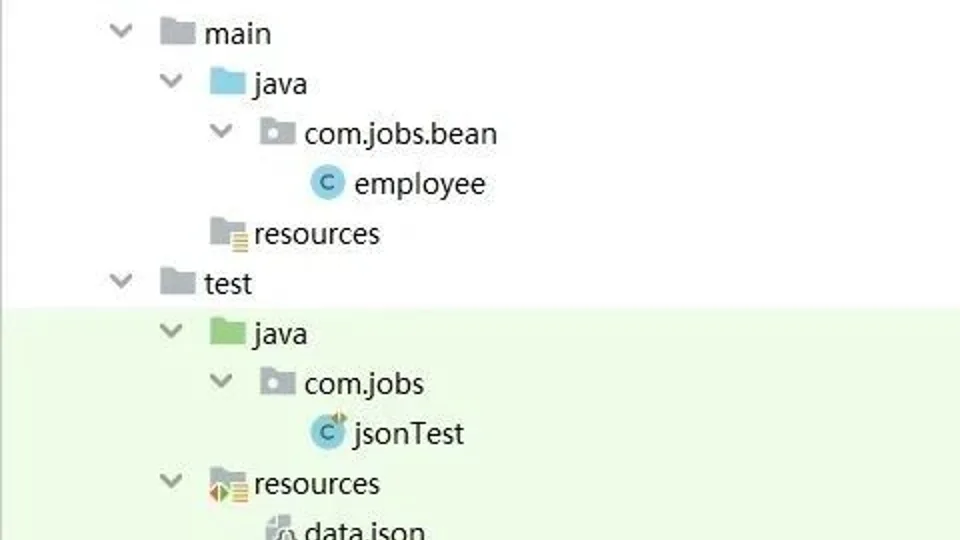
This tutorial demonstrates how to use Jackson in Java for JSON processing, covering Maven dependency setup, JavaBean serialization, collection mapping with TypeReference for generics, and tree-model parsing via JsonNode to extract fields without POJOs.
This article analyzes why naive WebSocket broadcast fails for million-viewer live chat due to bandwidth and client rendering limits, then presents a three-layer architecture with local fan-out, 100ms batching windows, priority-based sampling, and segmented sequence generation to reduce remote pushes from millions to dozens while maintaining perceived real-time experience.
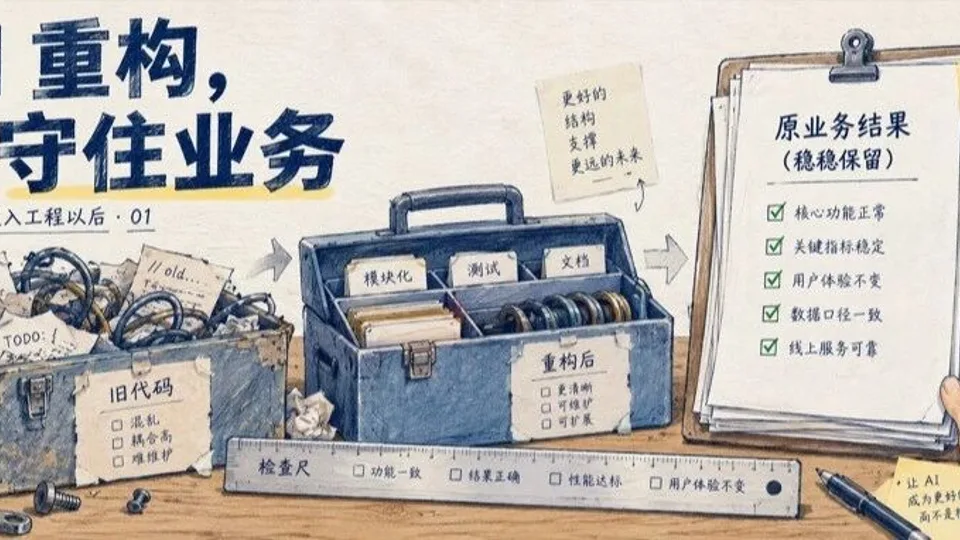
The article outlines a safe approach for AI-assisted legacy refactoring: define behavioral baselines with stakeholders, capture repeatable test samples covering normal and edge cases, compare old and new outputs in isolation, refactor incrementally with continuous regression, and verify rollback compatibility for data and interfaces.
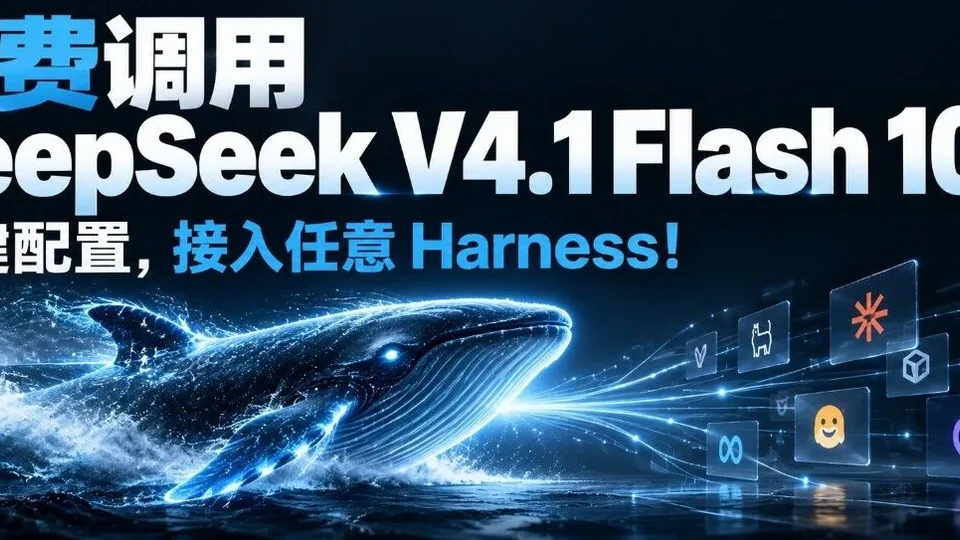
This tutorial shows how to use the open-source Magpie gateway to aggregate free DeepSeek V4.1 Flash 1017 quotas from OpenCode Zen Free, Tencent Cloud WorkBuddy, and ByteDance Trae CN, enabling zero-cost integration with coding agents like Claude Code, Codex, and DeepSeek Harness via automatic protocol translation and multi-account failover.
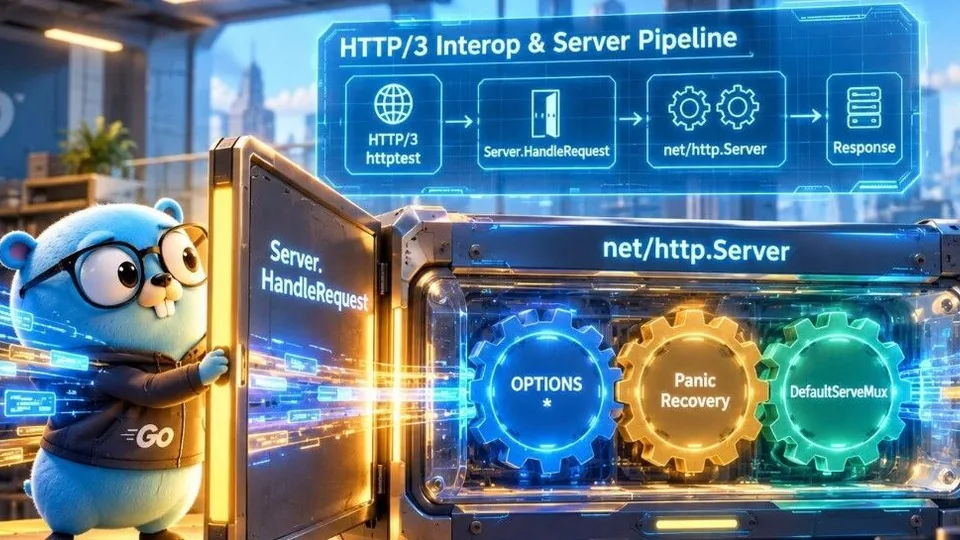
Go proposal #77441 adds Server.HandleRequest to net/http, exposing internal request-processing middleware (OPTIONS *, DefaultServeMux fallback, panic recovery) so HTTP/3 and other protocol implementations can reuse standard library behavior without code duplication, while also enabling full-server integration testing.
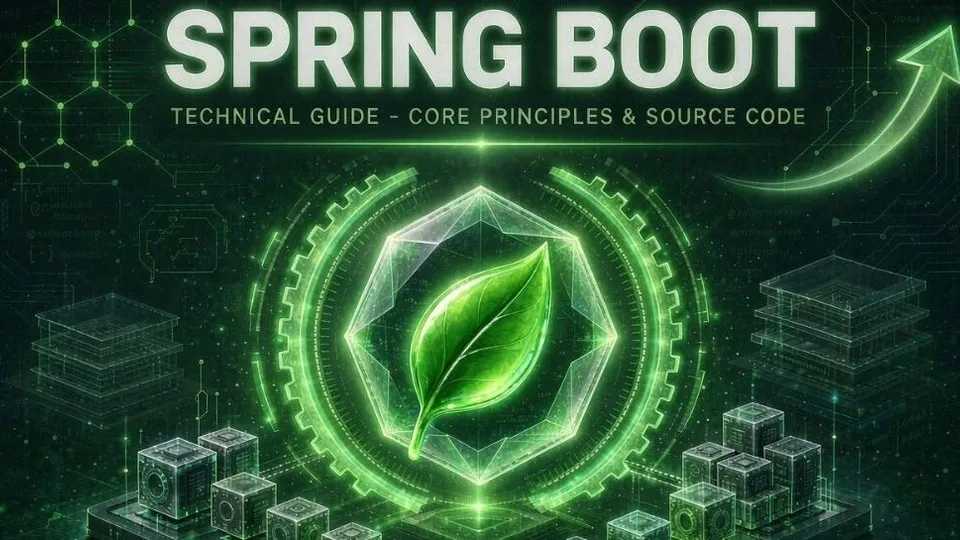
This comprehensive guide dissects Spring Boot's core mechanisms including auto-configuration internals, the nine-step startup process from main() to port binding, embedded Tomcat initialization, configuration binding, and fat JAR loading, with source code references and a structured learning path for mastering the framework.
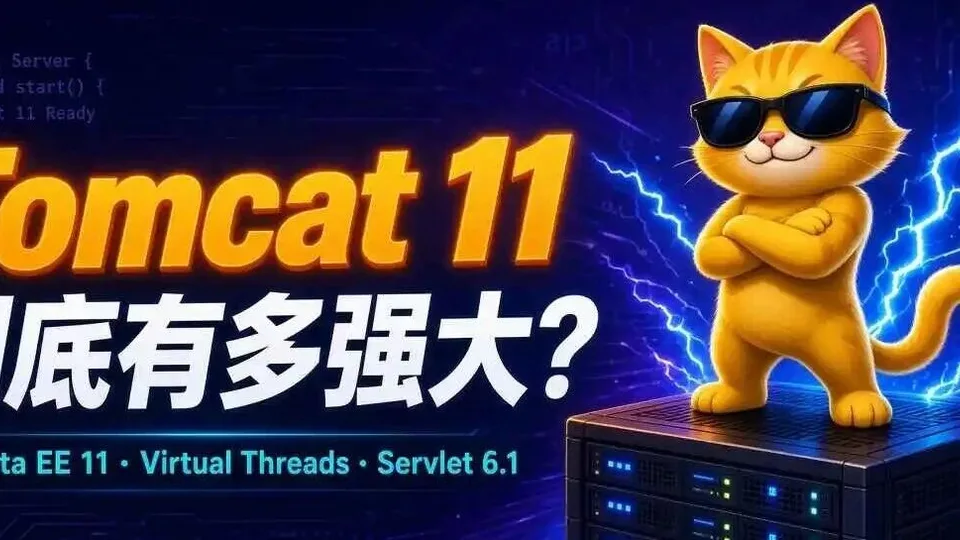
This article explores Tomcat 11's major upgrades including Java 17 baseline, Jakarta EE 11 alignment, virtual threads for high concurrency, Servlet 6.1 API improvements, EL 6.0 record support, removed legacy features, and provides hands-on Docker and embedded deployment examples with code.