This article provides a comprehensive overview of Kubernetes network architecture, including CNI plugins, network policies, service discovery, and ingress controllers, with practical configuration examples.
X's engineering team achieved a 60% reduction in monthly cloud costs through a comprehensive CloudExit strategy that moved media and blob storage on‑premises, cut code lines, closed data centers, built a GPU super‑computer, and optimized networking, saving over $60 million annually.
Following Microsoft's tightened hardware requirements for Windows 11, analysts infer that the upcoming Windows 12 will focus on cloud integration and local AI capabilities, driven by Intel's roadmap and the need to stimulate new hardware purchases.
Kuaishou tackles massive live‑e‑commerce flash‑sale traffic by combining an elastic Docker‑based container cloud with a hybrid private‑public cloud architecture, enabling rapid scaling, high concurrency handling, and cost‑effective resource management.
The article describes how Kuaishou handles massive live‑streaming flash‑sale traffic by employing a distributed system, elastic Docker‑based container cloud, and a hybrid IDC‑Alibaba Cloud architecture that automatically scales resources to sustain millions of requests per second with high availability.
The 2023 Edge Computing Market Research Report provides a comprehensive analysis of the rapidly growing edge computing industry in China, covering market size forecasts, ecosystem participants, AI chip and algorithm developments, hardware solutions, platform initiatives, industry standards, and the emerging regulatory landscape.
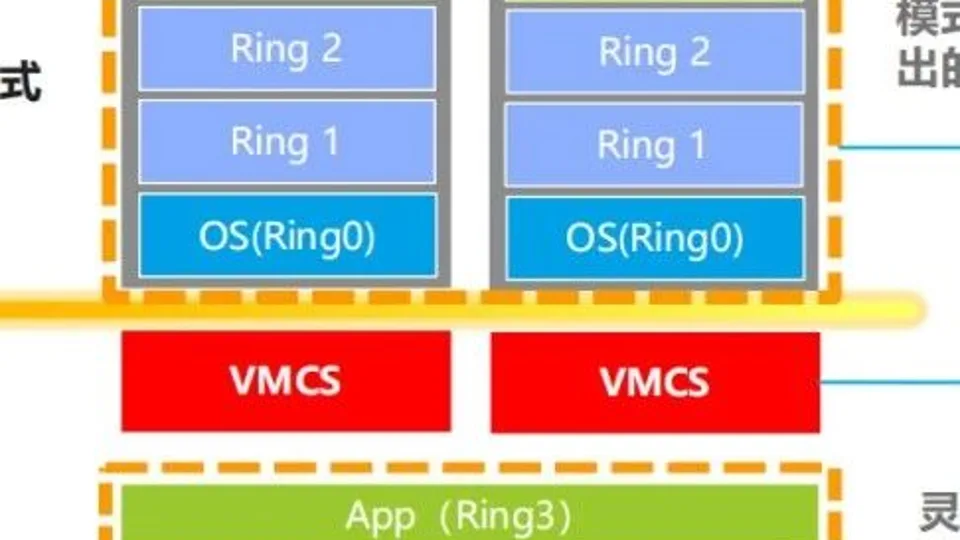
This article explains how server virtualization consolidates underused hardware, reduces capital and operational expenses, and improves data‑center management through para‑virtualization, binary translation, full and hardware‑assisted virtualization, with detailed examples of Xen, VMware ESX, KVM/ARM and I/O virtualization techniques.
The talk explores how the rise of large AI models is transforming cloud computing architecture, workloads, and services—shifting from traditional virtualization to heterogeneous compute, massive scaling, serverless infrastructures, and new networking designs that together enable agile AI‑native applications.
The article explains the overall architecture of remote development, why it is needed, how it improves team productivity and resource control, and details JetBrains' remote development solution that lets developers work on powerful cloud servers through a lightweight local client.
Didi's Elastic Cloud uses mixed deployment to co‑locate diverse services, employing tiered guarantees, custom Kubernetes scheduling, profiling, rescheduling, and isolation‑cluster techniques to boost utilization while preserving QoS, with a roadmap for broader automation and interference detection.
The Alibaba Cloud Infrastructure Network team presented a pioneering paper, a high‑profile tutorial, and a workshop at the 2023 European Conference on Optical Communications (ECOC), showcasing systematic analyses of optical network unavailability, innovative data‑center optical network designs, and multi‑fiber scaling strategies for large‑scale cloud operators.
Docker announced three new hybrid tools at DockerCon—Next‑Gen Docker Build, which claims a 39‑fold speed boost by leveraging cloud resources; Docker Debug, a language‑agnostic toolbox for faster container debugging; and Docker Scout, an integrated security assistant—highlighting a shift toward combined local and cloud development workflows.
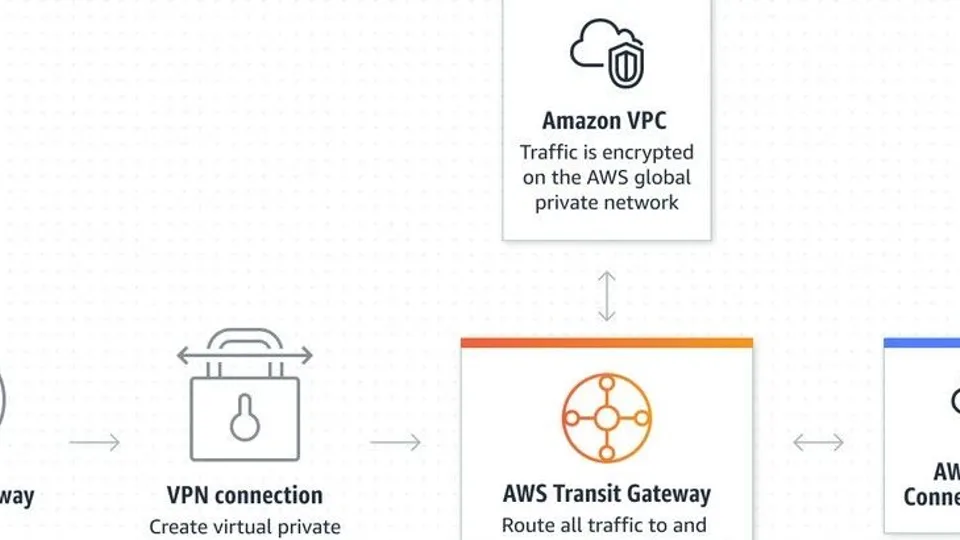
The guide explains AWS Transit Gateway as a cloud router linking VPCs, VPNs, Direct Connect and on‑premises networks, details attachment types, route tables, MTU limits, step‑by‑step creation, custom routing, verification, and best‑practice design recommendations for scalable, highly available deployments.
DHH’s decision for Basecamp to leave the cloud saved about $1 million annually, illustrating how medium‑sized companies can reduce complexity and costs by re‑evaluating cloud usage, considering workload patterns, and strategically transitioning back to on‑premises infrastructure.
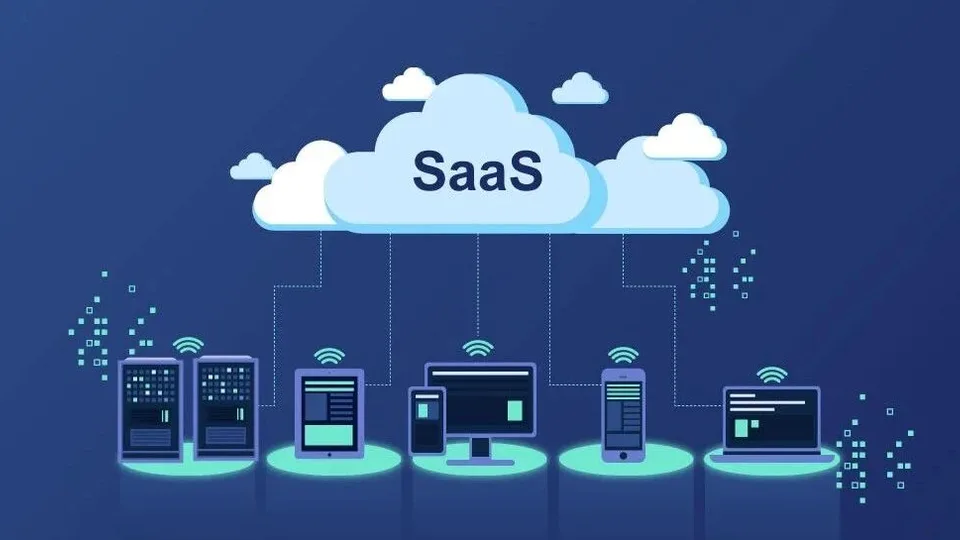
The article provides a comprehensive overview of the enterprise SaaS market, detailing its definition, advantages, growth statistics in the US and China, common selection difficulties, and emerging trends such as product‑led growth, app marketplaces, and AI‑driven SaaS solutions.
Tencent Cloud’s Cloud Studio team migrated its fragmented monorepo workflow to a self‑hosted, Kubernetes‑based cloud development environment, unifying code in a trunk‑based repository, delivering pre‑warmed IDE images, fast Git and startup performance, robust security, and laying groundwork for containerized debugging, vGPU AI training, and seamless cloud‑native development.
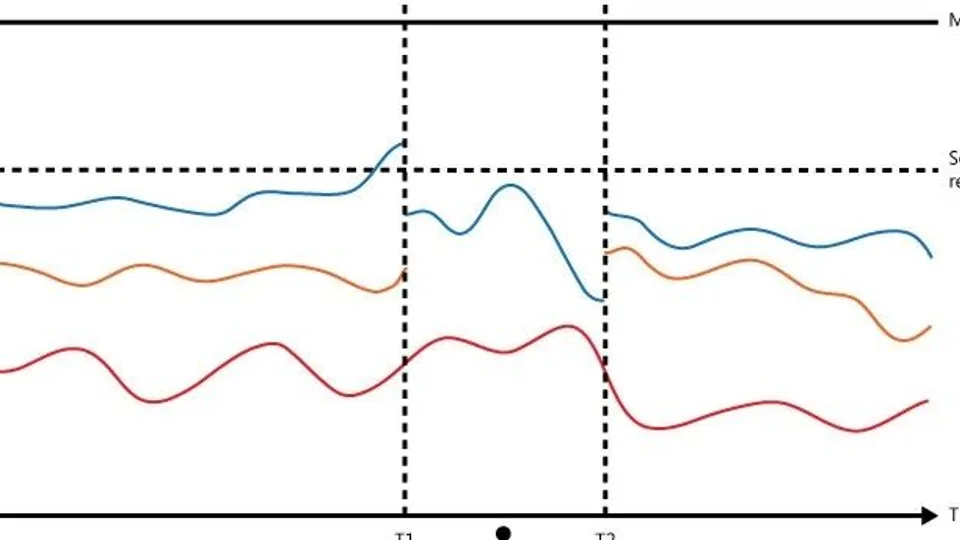
The article explains how to use throttling together with auto‑scaling to control resource consumption of cloud applications, prevent tenant overload, handle traffic bursts, and ensure service‑level agreements while optimizing costs.
This article traces Alibaba Cloud's network transformation—from early classic two‑layer networks to dedicated VPCs, hardware‑accelerated gateways, smart NICs, and NFV‑based virtualized network functions—highlighting the business drivers, architectural challenges, and the progressive solutions that enable massive, elastic, and secure cloud networking.
The article examines how 37signals' cloud repatriation initiative, along with broader industry trends at companies like Snap, Twitter, and major cloud providers, is driving significant cost savings, prompting a resurgence of on‑premises hardware and reshaping cloud cost‑optimization strategies across the sector.
This article explains how to build robust, highly available cloud‑native applications on Alibaba Cloud Container Service for Kubernetes (ACK) by covering architecture principles, multi‑zone cluster design, Kubernetes HA features such as topology spread constraints and pod anti‑affinity, storage strategies, load‑balancing, virtual nodes, health probes, monitoring, and multi‑cluster deployment patterns.