This article explains Kubernetes' three‑principle network model, compares the leading CNI plugins (Flannel, Calico, Cilium), details pod communication paths, Service and Ingress mechanisms, DNS and NetworkPolicy implementations, and provides step‑by‑step troubleshooting cases with performance data and concrete configuration examples.
In just three weeks, the AgentTeams‑powered AI digital employee "github‑manager" automatically reviewed 108 pull requests, processed 48 issues, and reduced first‑response time from days to under an hour for the LoongSuite open‑source project, while documenting the architecture, challenges, and lessons learned.
This article walks you through planning, hardware preparation, system initialization, Docker and kubeadm installation, certificate generation, etcd deployment, master and node component configuration, CNI networking, TLS bootstrapping, and final verification to create a fully functional Kubernetes cluster from the ground up.
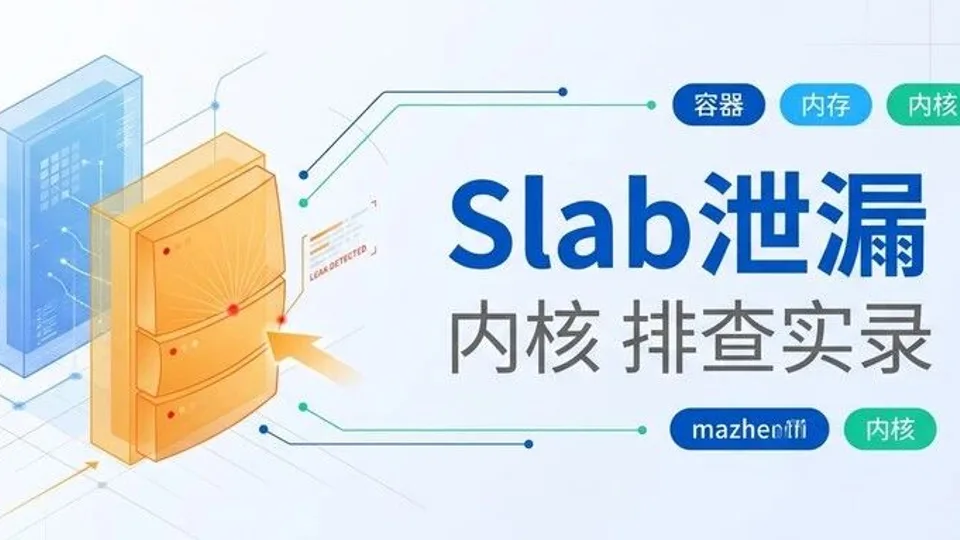
The article explains how intensive file‑system reads in a Kubernetes pod cause kernel slab memory to balloon, why standard cgroup limits cannot contain the leak, and demonstrates step‑by‑step how configuring Pod Overhead with Kata containers creates a separate sandbox cgroup that isolates kernel memory, preventing host‑level OOM.
This comprehensive guide explains how kube-proxy drives Service traffic in Kubernetes, compares userspace, iptables, IPVS, nftables and eBPF modes, and provides a four‑dimensional decision framework, migration steps, monitoring practices, and real‑world examples to help operators select the optimal mode for their clusters.
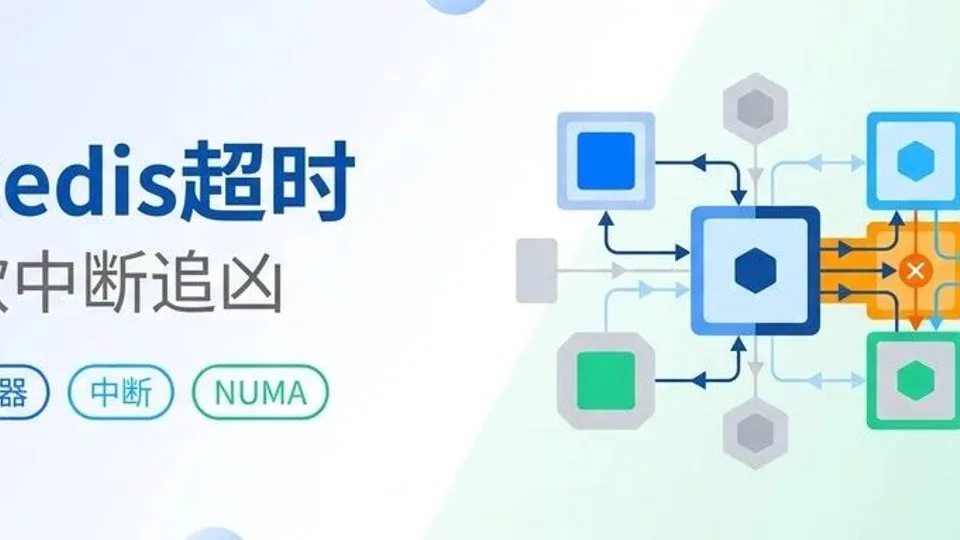
An intermittent Redis timeout in a Kubernetes pod was traced not to Redis or the network but to uneven soft‑interrupt handling on a single CPU core, caused by irqbalance moving interrupts across NUMA nodes, and resolved by aligning NIC queues, adjusting irqbalance, and reserving CPUs.
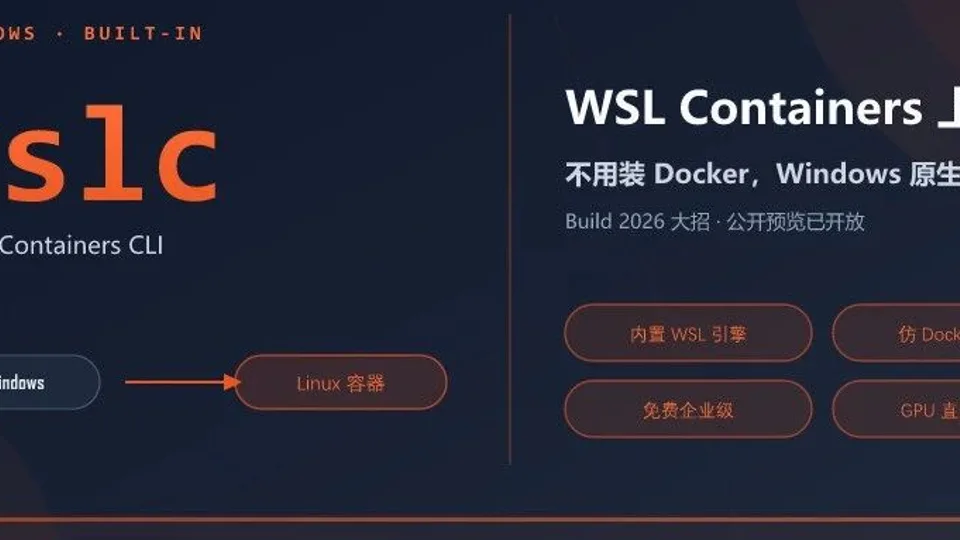
Microsoft’s WSL Containers, now in public preview, embed a Docker‑compatible container runtime directly into WSL 2, letting Windows developers launch OCI images with familiar commands without installing Docker Desktop, while the article walks through installation, core components, command mapping, performance benchmarks, feature gaps and current limitations.
An in‑depth comparison of Kubernetes Horizontal and Vertical Pod Autoscalers—including algorithms, configurations, performance benchmarks, mixed‑mode trade‑offs, custom‑metric integrations, and real‑world case studies—demonstrates how to choose and tune HPA, VPA, and KEDA for rapid traffic spikes while avoiding conflicts.
This guide shows how to containerize Claude Code using a lightweight Docker image and a short script, enabling isolated execution, easy proxy switching, rapid setup on new machines, and consistent environments across devices, while preserving security and simplifying upgrades.
This article provides a complete reference of essential Docker commands—including version, info, images, pull, run, ps, stop/start, exec, logs, stats, rm, rmi, prune, and inspect—along with example usages and typical scenarios such as environment verification, container management, and performance troubleshooting.
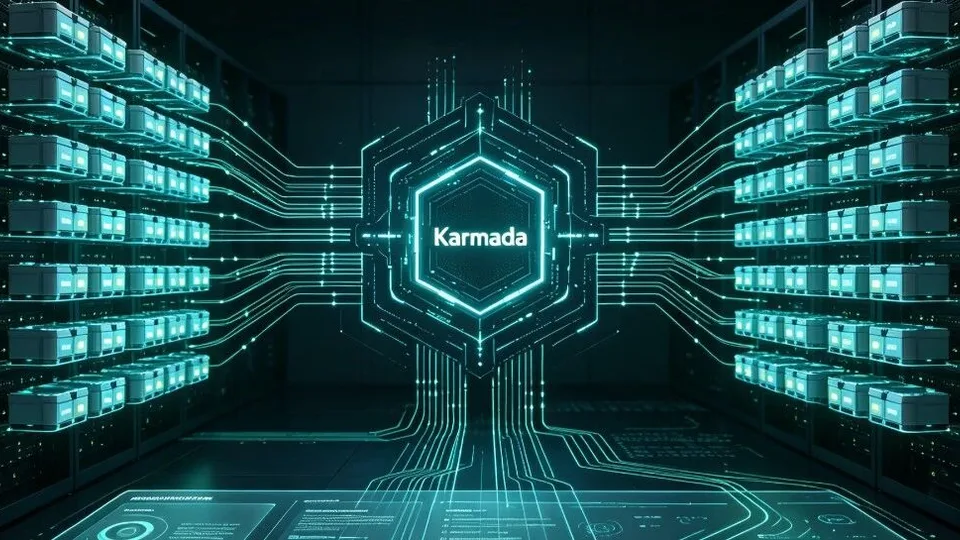
This article details Ctrip's migration from Kubefed to Karmada for multi‑cluster governance, describing the architectural evolution, production deployment for high‑availability and smooth cross‑cluster pod migration, and the performance and memory optimizations required to support over 200 GB of control‑plane memory usage and tens of thousands of Pods.
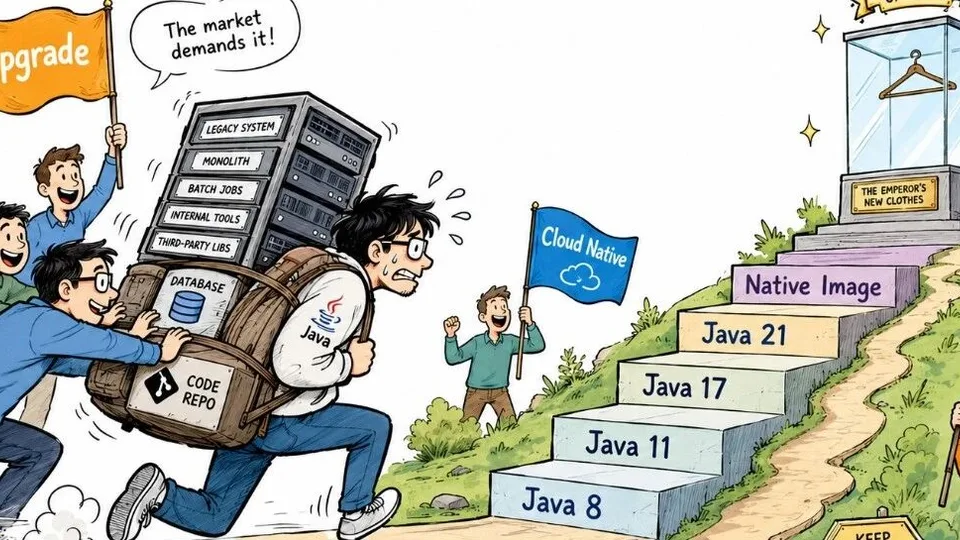
The article critically examines the recent Java ecosystem upgrades—Jakarta namespace changes, Spring Boot 3.0’s Java 17 requirement, GraalVM Native Image hype, and Virtual Threads—showing that the promised benefits are minimal while migration costs and compatibility risks are substantial, and it highlights Feat as a pragmatic alternative.
The article walks through a real‑world migration from Zabbix to Prometheus, explaining its pull‑based design, metric model, PromQL language, service discovery options, remote storage choices, alerting with Alertmanager, and a complete Spring Boot integration, while highlighting best‑practice recommendations and common pitfalls.
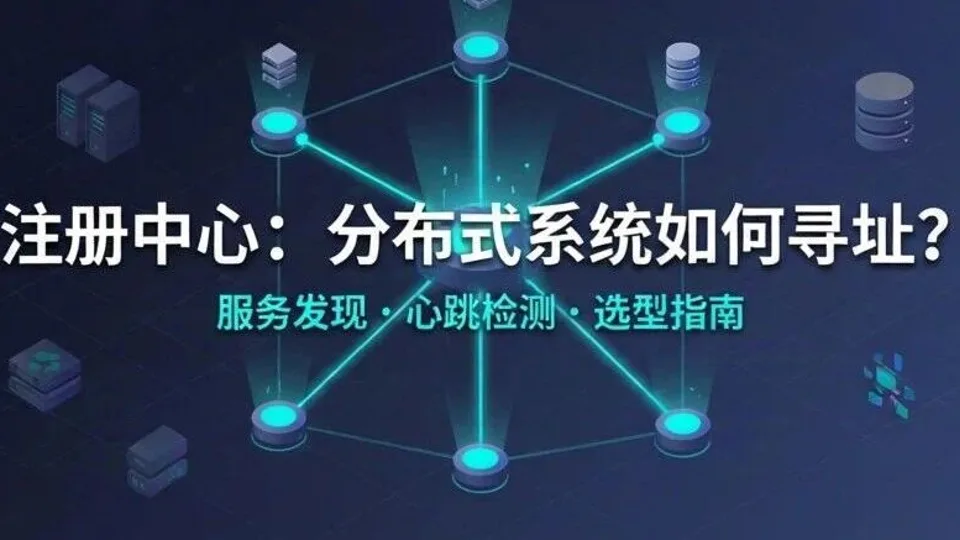
The article explains why static service addresses break in micro‑service architectures, then breaks down the core mechanisms of a registration center—service registration and discovery, heartbeat health checks, and a selection matrix of Nacos, Eureka, ZooKeeper, and ETCD—providing practical guidance for choosing the right solution.
This article offers a free 172‑page Alibaba Cloud Kubernetes handbook that explains six core principles and typical issues, and provides a detailed technical analysis of a recurring node NotReady problem, covering kubelet roles, PLEG timing, and the three‑minute readiness window.
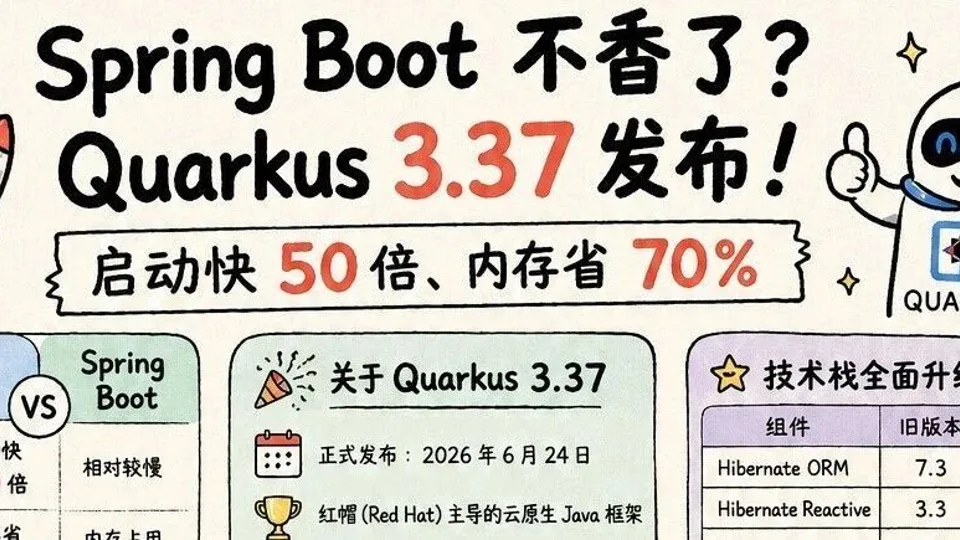
Quarkus 3.37, released on June 24, 2026, introduces experimental JLink support, a full Hibernate ORM 7.4 upgrade, a reflection‑free Jackson serializer, AI‑native extensions, and numerous bug fixes, delivering up to 50‑fold faster startup, 70% lower memory usage, and measurable performance gains for Java cloud‑native applications.
The article breaks down the simple yet addictive gameplay of “Pull the Cupping” and explains how its three‑layer WeChat mini‑game architecture—native engine, JavaScript logic, and resource rendering—delivers cross‑platform support, performance optimization, and cloud‑backed social features, making it both a stress‑relief tool and a learning case for IT enthusiasts.
Java 26, the latest LTS release, delivers over 40% faster startup, 5‑10% higher G1 GC throughput, reduced memory footprint, deeper container awareness, and improved virtual‑thread handling, making it a compelling upgrade for Kubernetes‑deployed Java applications despite a few migration caveats.
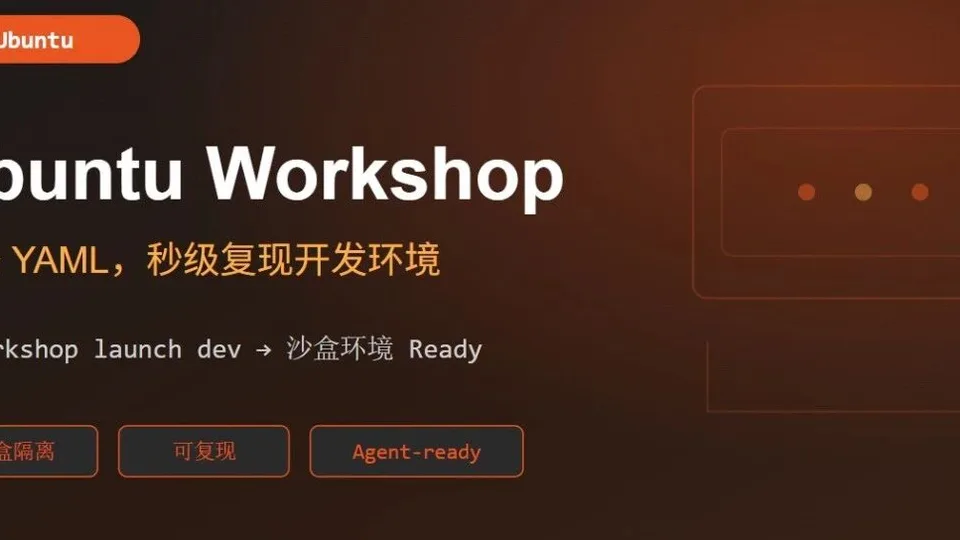
Canonical's Workshop lets you define a complete Ubuntu development environment in a YAML file and launch an isolated, reproducible sandbox with one command, eliminating manual setup, version drift, and security risks for AI agents and collaborative teams.
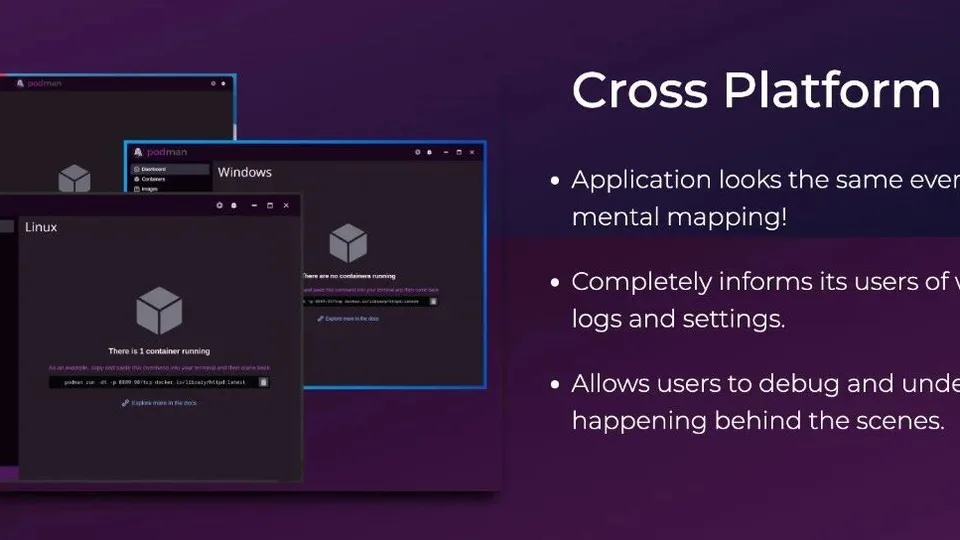
With Docker Desktop now requiring a subscription, many developers seek a free alternative; this article examines Container Desktop, highlighting its open‑source nature, lower resource consumption, and full Docker‑ecosystem compatibility, and provides a step‑by‑step guide to install and use it.