Zhihui Cloud Redis introduces ACL-based multi-account management on Valkey 7.2+, enabling independent credentials, read-write or read-only roles per business, and isolated password rotation while retaining the default account for backward compatibility.
The article explains why directly using LLMs to generate SQL leads to sub-50% accuracy in production, and presents a proven three-layer architecture—semantic layer for business knowledge, LLM layer for structured DSL generation, and deterministic execution layer for dialect-specific SQL translation—that achieves 85-90% accuracy through RAG, ambiguity detection, and feedback loops.
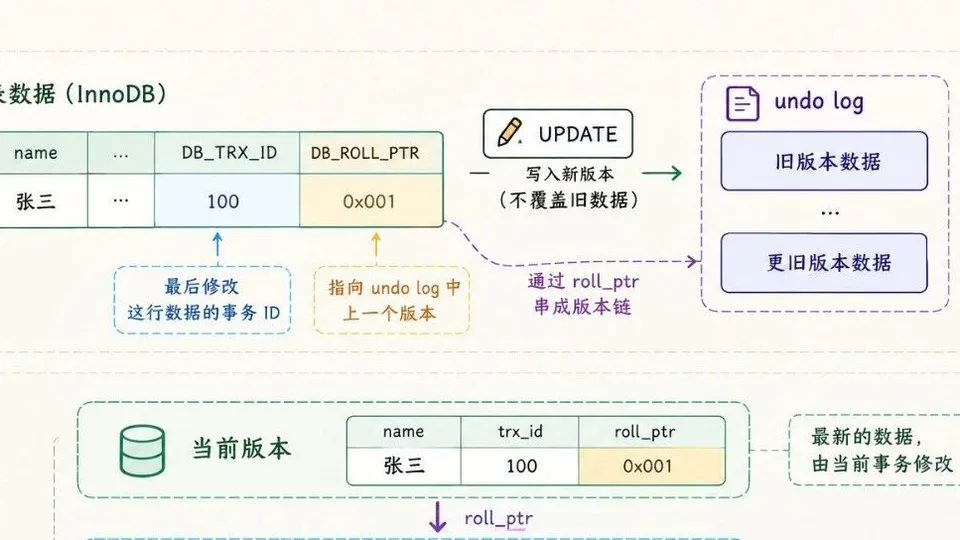
This article explains how MySQL's MVCC mechanism uses version chains and ReadViews to enable lock-free snapshot reads, and why four isolation levels (READ UNCOMMITTED, READ COMMITTED, REPEATABLE READ, SERIALIZABLE) are still necessary: they define when ReadViews are created, controlling which version a transaction sees, while MVCC only handles reads—writes still require row locks.
This article outlines ten critical MySQL configuration parameters administrators should prioritize after installation, covering InnoDB buffer pool sizing, log file configuration, connection limits, flush methods, query cache disabling, binary logging, and DNS resolution skipping, with practical guidance on safe modification practices and version-specific considerations.
This article explains InnoDB's checkpoint mechanism, contrasting synchronous and fuzzy checkpoints, detailing the pre-MySQL 8.0 fuzzy checkpoint implementation using flush lists and page cleaners, and describing two principles for detecting abnormal shutdowns plus four post-restart crash scenarios with their recovery requirements.
MySQL silently resolves missing column names in subqueries to outer scope columns, turning filters into correlated subqueries that always evaluate true, causing full-table updates or deletes without errors or warnings; no sql_mode prevents this behavior.
This article explains MySQL's MVCC mechanism in InnoDB, detailing how hidden fields, undo logs, and Read Views enable lock-free snapshot reads, the differences between RC and RR isolation levels, why MVCC prevents non-repeatable reads but not phantom reads, and common pitfalls like long transactions causing undo log bloat.
This article dismantles twelve common data governance fallacies — from demanding instant metadata completion to treating governance as a cost center — arguing that effective governance requires confronting upstream data pollution, aligning incentives across departments, and prioritizing critical data paths over blanket coverage.
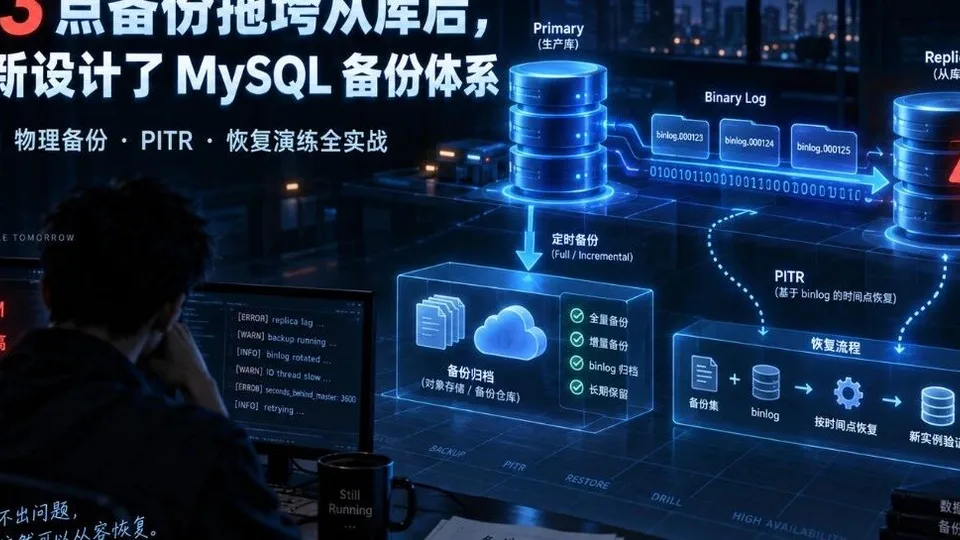
A production-grade MySQL backup guide analyzing a 3 AM replica crash, covering RPO/RTO design, logical vs physical backup trade-offs, XtraBackup streaming, PITR with binlog, automated restore drills, and a 3-2-1-1-0 resilience architecture.
This comprehensive guide details nine essential MySQL DBA commands — SHOW DATABASES, SHOW TABLE STATUS, SHOW FULL PROCESSLIST, SHOW ENGINE INNODB STATUS, SHOW VARIABLES, SHOW STATUS, EXPLAIN, SHOW INDEX, and SHOW CREATE TABLE — with syntax examples, key output fields, and practical troubleshooting scenarios for performance tuning and database administration.
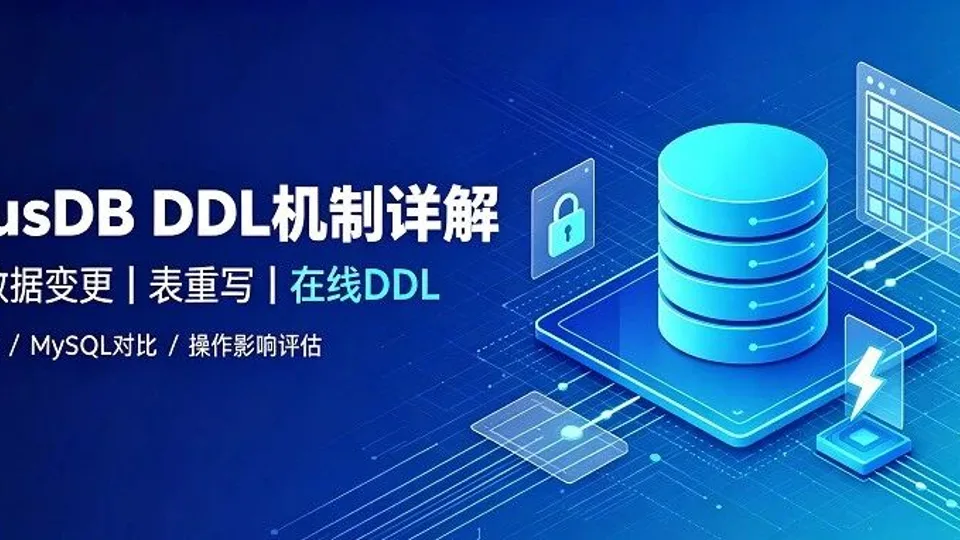
This article details GaussDB's three DDL execution paths—metadata-only, table rewrite, and online DDL—explains their lock mechanisms, compares them with MySQL 8's algorithms, and provides performance estimates for common DDL operations on a 10GB table.
This article explains the 20-million-row rule of thumb for MySQL InnoDB tables by analyzing B+ tree index structure, 16KB page size, and fan-out calculations, showing how row size and tree depth affect query performance.
This article categorizes Elasticsearch data types into five groups, maps each MySQL type to its ES equivalent with practical notes, explains the critical text vs keyword distinction, covers dynamic mapping traps, and provides interview-ready mnemonics for type selection and concept translation.
This comprehensive guide covers MySQL 9.5 performance optimization across table design, indexing strategies, query analysis with EXPLAIN, JOIN optimization, pagination techniques, system-level InnoDB tuning, and monitoring using Performance Schema and slow query logs to achieve dramatic query speed improvements.
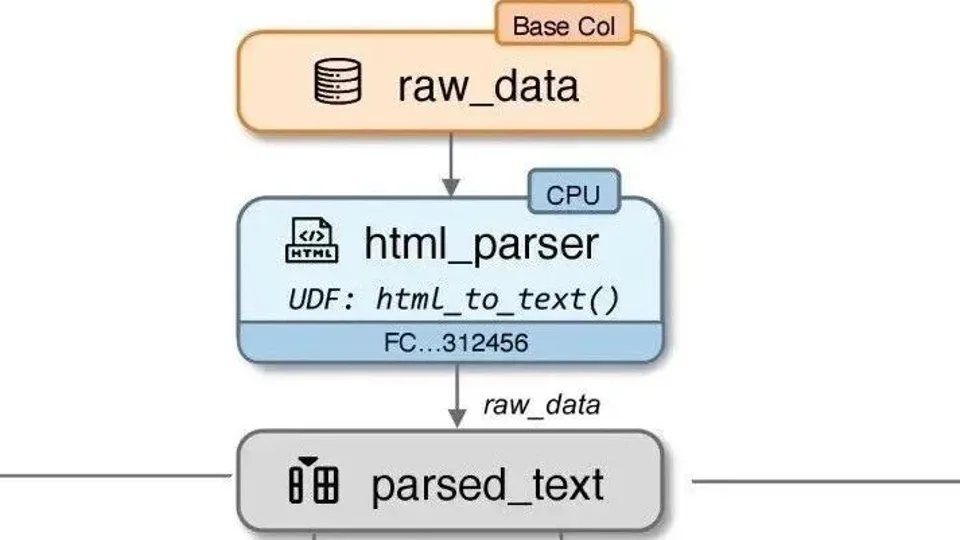
Ant Group's OmniTable system, awarded VLDB 2026 Best Industrial Paper, uses a unified logical wide table to manage 35PB and 305B records for LLM training, reducing end-to-end data preparation from 14 days to 2.5 days via logical-physical separation, feature dependency DAGs, record-level fault tolerance, and operator fusion.
This guide covers 10 essential Elasticsearch command categories with practical examples, including cluster health checks, index management, CRUD operations, mapping design, and node/shard monitoring for production troubleshooting.
ElephpantDB is an experimental SQL database implemented in a single PHP file, supporting CREATE TABLE, SELECT, UPDATE, DELETE, indexes, prepared statements, an append-only heap with crash recovery, hash indexes, and an optional HTTP JSON endpoint, running on PHP 8.3+.
This article compares four Redis deployment modes—standalone, master-slave replication, sentinel, and cluster—detailing their architectures, pros, cons, and ideal use cases to help developers choose the best option for scalability and high availability.