The article chronicles how two college friends turned a simple flight hobby into SubLogic, created the pioneering Flight Simulator on Apple II, and how Microsoft’s acquisition and decades of technological advances transformed it into a massive, real‑time, globally‑scaled digital world experience.
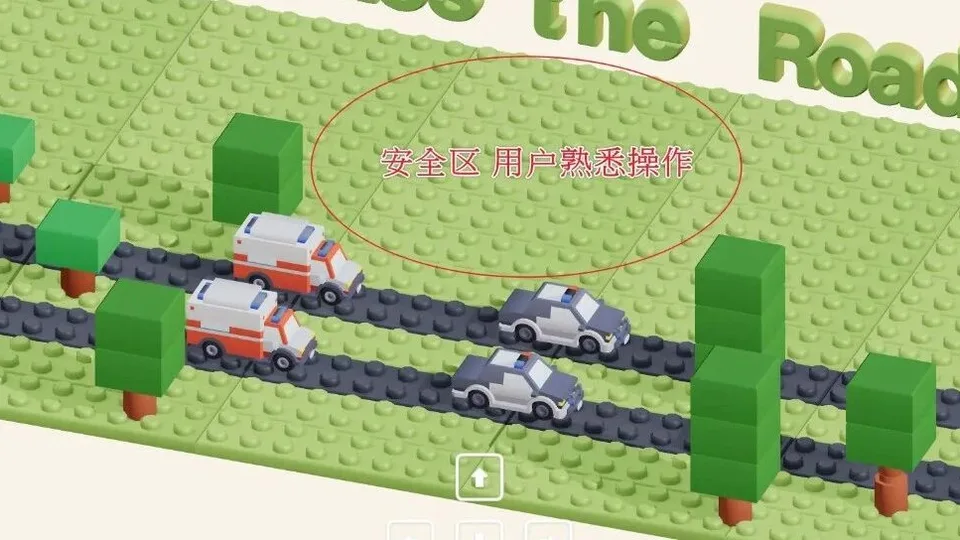
This tutorial walks you through creating a lightweight, child‑friendly 3D Crossy Road‑style game using Three.js, covering scene setup, metadata‑driven terrain generation, asset loading, player movement queues, dynamic collision detection, UI communication, and deployment tips, all illustrated with code snippets and screenshots.
This article provides a step‑by‑step guide to building a realistic rain animation in Python using the Pygame library, covering environment setup, raindrop physics, drawing techniques, full source code, and suggestions for customization such as color, density, wind, and depth effects.
This article guides readers through building a highly customized 3D scene using Three.js, GLSL shaders, AI‑generated 2D/3D assets, orthographic cameras, pixelated post‑processing, four‑direction character movement, octree collision detection, and stylized water effects, while providing code snippets and resource links.
This article introduces PHP‑Raylib, the PHP binding for the Raylib game framework, outlines its key features, cross‑platform support, installation steps, and provides detailed code examples—including a basic window and a custom button—while comparing it to native Raylib.
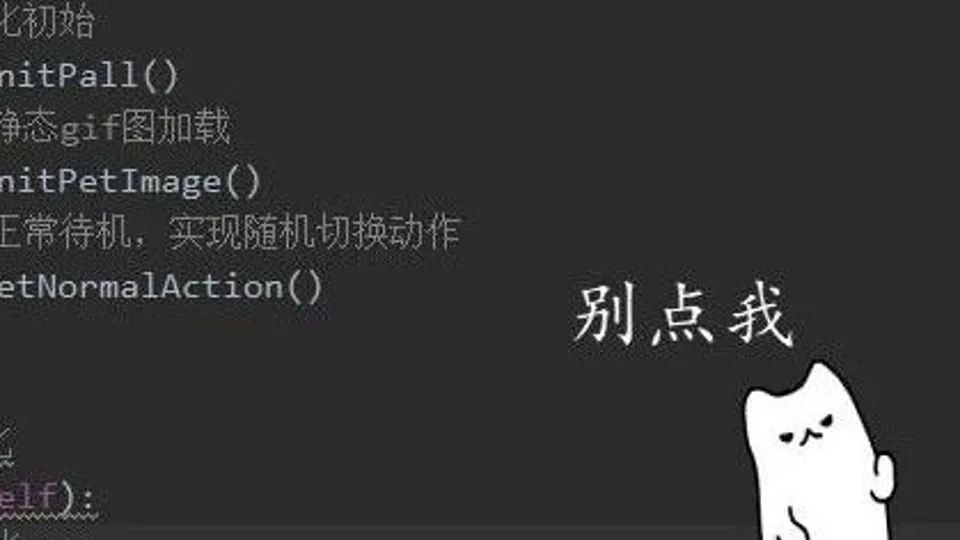
This article explains how to create a floating desktop pet using Python and PyQt5, covering required packages, project structure, GIF handling, random actions, dialogue display, and steps to package the application into an executable file.
This article explains how applying systematic project‑management thinking—defining projects, setting clear goals, planning, risk management, execution, and review—helps game QA teams clarify requirements, break down tasks, schedule work, mitigate risks, and improve overall development efficiency and product quality.
Lua, a lightweight scripting language born in Brazil in 1993, overcame early obscurity to become a globally adopted tool for game development, embedded systems, and diverse applications, illustrating how a small team can solve a universal need and achieve worldwide success.
This article details the architectural analysis and a series of six optimization strategies—including multithreading, independent audio, file‑system improvements, text rendering, dedicated render thread, and iOS high‑performance mode—that collectively boost frame rates, reduce latency, and enhance the overall user experience of Alipay mini‑games.
This article examines a game‑development incident caused by excessive texture density, analyzes the underlying issues, and presents a comprehensive QA workflow—including requirement analysis, a Blender‑based density‑checking pipeline, web heat‑map visualization, post‑commit automation, and lessons learned—to improve art asset quality and prevent performance crashes.
This article explains how Alipay’s mini‑games platform was optimized through multithreading, independent audio and rendering threads, file‑system and text‑rendering improvements, and an iOS high‑performance mode, resulting in dramatically higher frame rates and lower latency across a range of games.
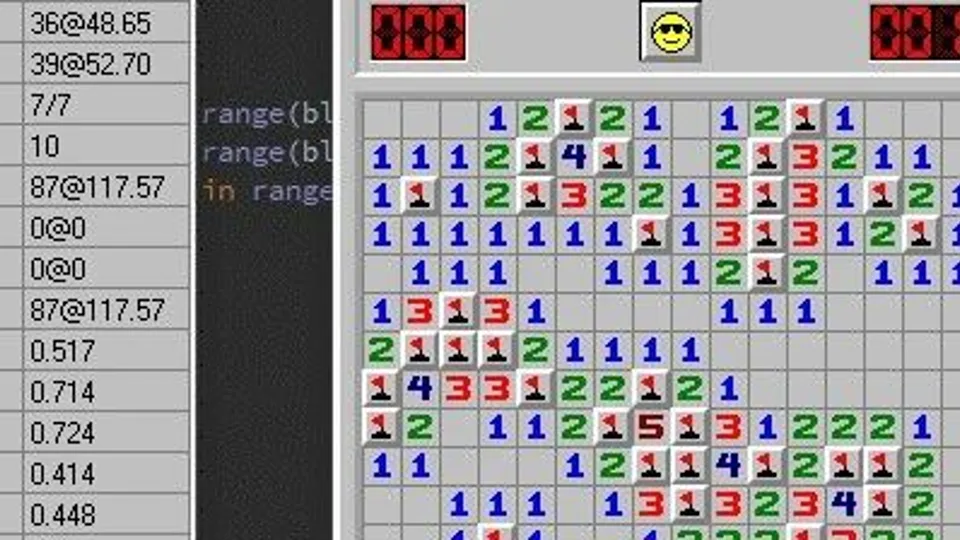
This article provides a step‑by‑step guide to creating a Python‑based automated Minesweeper solver using OpenCV for screen capture, win32gui for window handling, and custom image‑recognition and solving algorithms, including environment setup, frame extraction, block segmentation, classification, and click automation.
This article provides a full Python implementation of a simple endless runner game using Pygame, including definitions for game configuration, player character, obstacles, background, game loop logic, collision detection, scoring, and instructions for running the code, along with promotional links for further Python learning resources.
This article introduces four classic games—2048, Snake, Tetris, and LianLianKan—explaining their design principles, gameplay mechanics, and providing complete Python source code using Pygame and Tkinter, suitable for learners with basic Python and game programming knowledge.
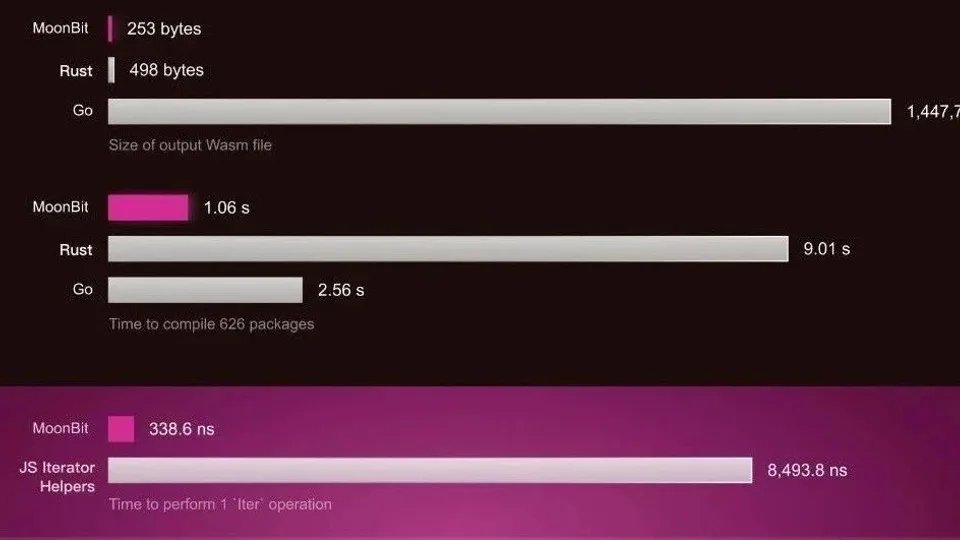
MoonBit is an AI‑native, garbage‑collected language that blends Rust’s performance with Scala‑style functional features, offering enums, trait derivation, pattern matching, operator overloading, testing, and WebAssembly compilation, demonstrated through a chess‑board example showcasing its modern type system and tooling.
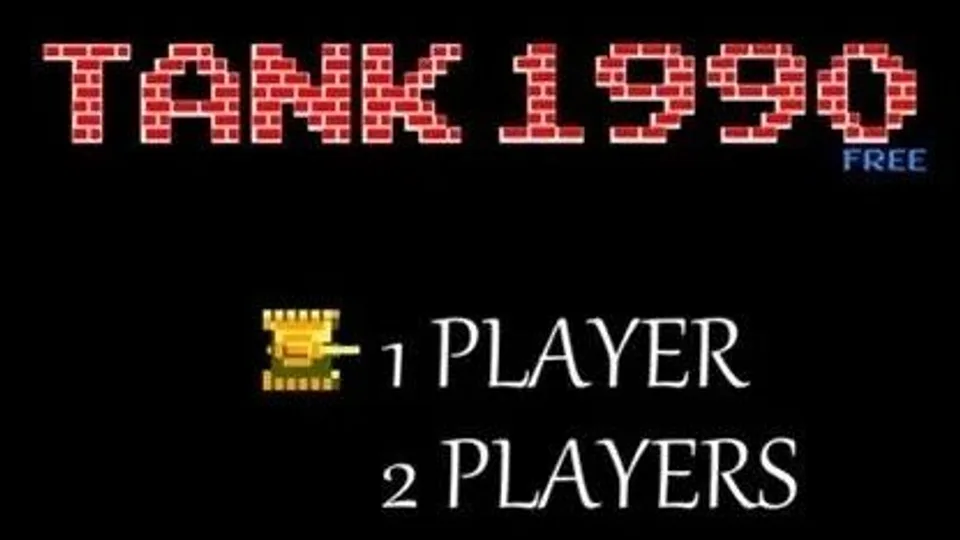
This article provides a step‑by‑step tutorial for building a classic tank battle game with Python's pygame library, covering the visual layout, core game loop, and detailed source code for all game elements such as tanks, bullets, obstacles, and UI screens.
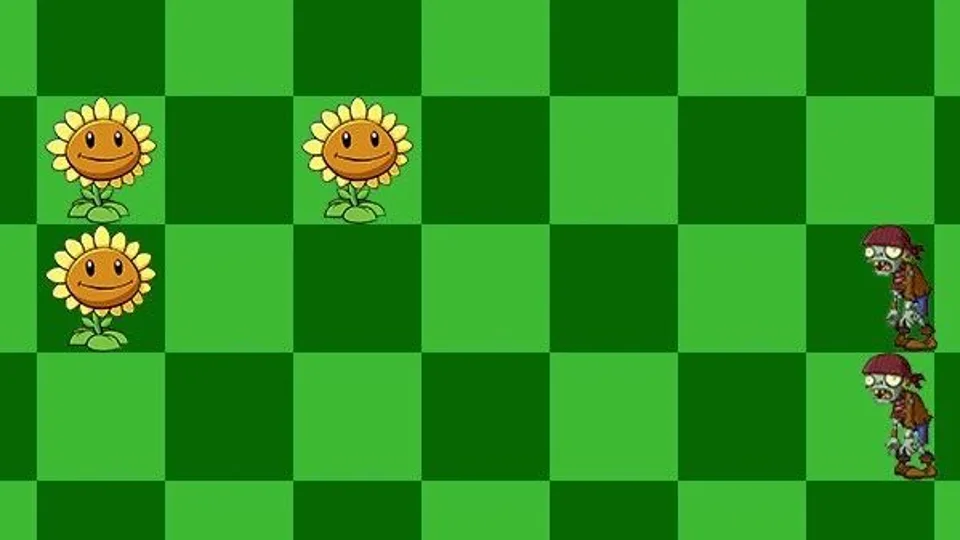
This article provides a step‑by‑step Python tutorial for building a simplified Plants vs Zombies clone using Pygame, covering module imports, image handling, map and plant classes, bullet mechanics, zombie behavior, and the main game loop with event handling.
This article analyzes the essential requirements of massive‑scale game leaderboards, explains how Redis sorted sets and hash tables provide fast ranking and lookup, and presents a multi‑layered architecture—including hot‑key sharding, dynamic partitioning, tiered storage, read/write separation, pipeline batching, and hybrid persistence—to achieve real‑time, billion‑user performance.
This guide walks through setting up Meta XR SDK in Unity, using Building Blocks to add camera rigs, hand tracking and passthrough, binding interaction events, accessing hand‑tracking data via OVRSkeleton/OVRHand, and integrating ONNX machine‑learning models for XR experiments.
Godot’s open‑source 4.4 update introduces native Jolt Physics support, 3D physics interpolation, an embedded game window for Linux, Windows and Android, upgraded C# to .NET 8, typed dictionaries in GDScript, and numerous QoL and performance enhancements that boost developer workflow.