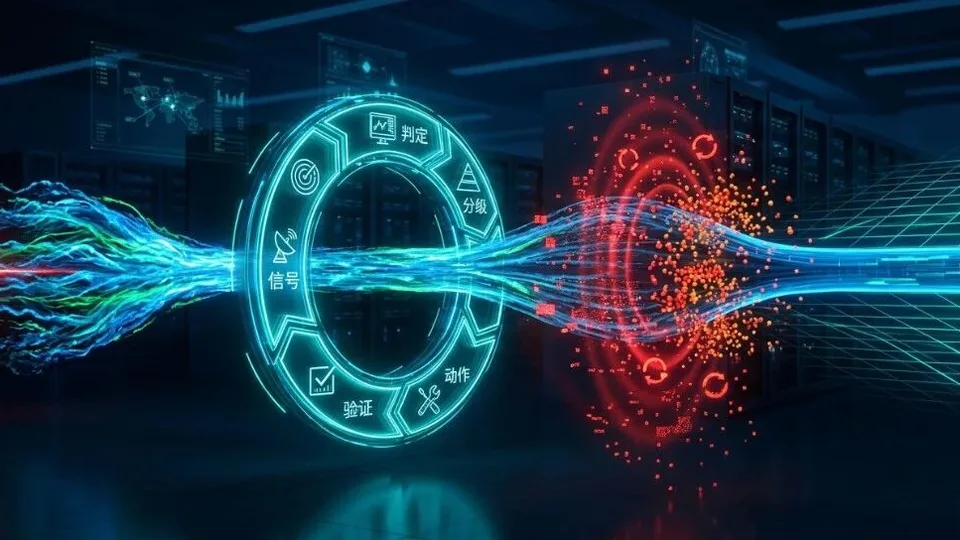
This article details how to achieve second-level fault mitigation in 10M QPS systems by building a closed-loop control system with layered signals, tiered actions, independent control planes, pre-authorized automation, automated verification, blast radius management, and progressive drills, moving beyond manual response to automated risk convergence.
This article presents 18 practical shell scripts for common system administration tasks including file consistency checks, log rotation, network traffic monitoring, FTP downloads, user input validation, Nginx 502 error auto-recovery, port scanning, batch file renaming, IP blocking, and IP address validation.
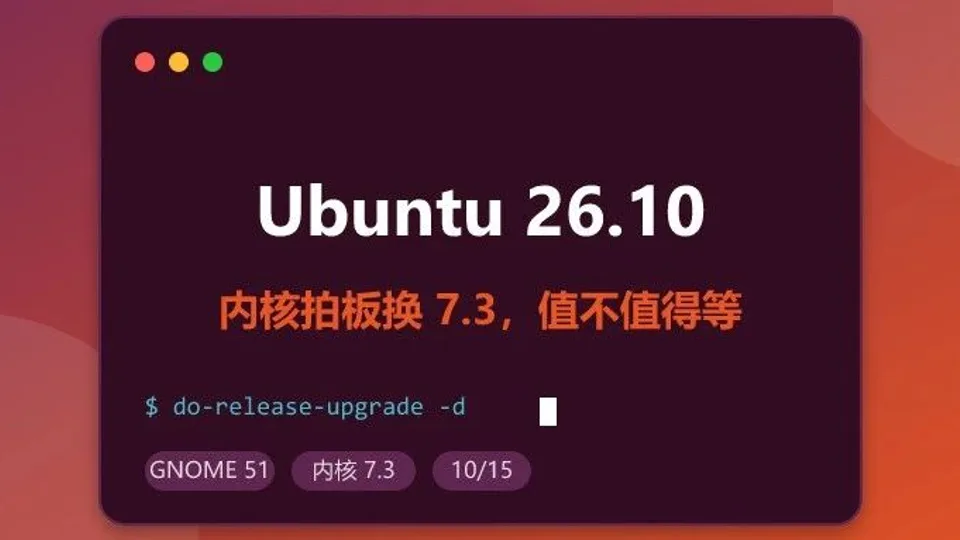
Ubuntu 26.10 releases October 15 with Linux kernel 7.3 before upstream GA, adds amd64-v3 optimized ISO for CPUs from 2013 onward, introduces installer changes targeting 2028 LTS, and a GRUB slimming proposal that may break Secure Boot on btrfs, ZFS, or LUKS /boot partitions.
This article reviews Uptime Kuma, a lightweight open-source self-hosted monitoring tool with 77.7K GitHub stars, detailing its multi-protocol monitoring, 90+ notification channels, 20-second check intervals, and providing step-by-step installation guides for Docker Compose and manual Node.js deployments with PM2 process management.
This article details how an AI Agent on an orchestration platform automates error code root cause analysis by integrating knowledge bases, code graphs, observability data, and code hosting platforms, achieving 88% consistency with human annotations and zero hard conflicts across 50 test cases through a five-step investigation workflow, dual-path JSON parsing, and regression-tested prompt optimization.
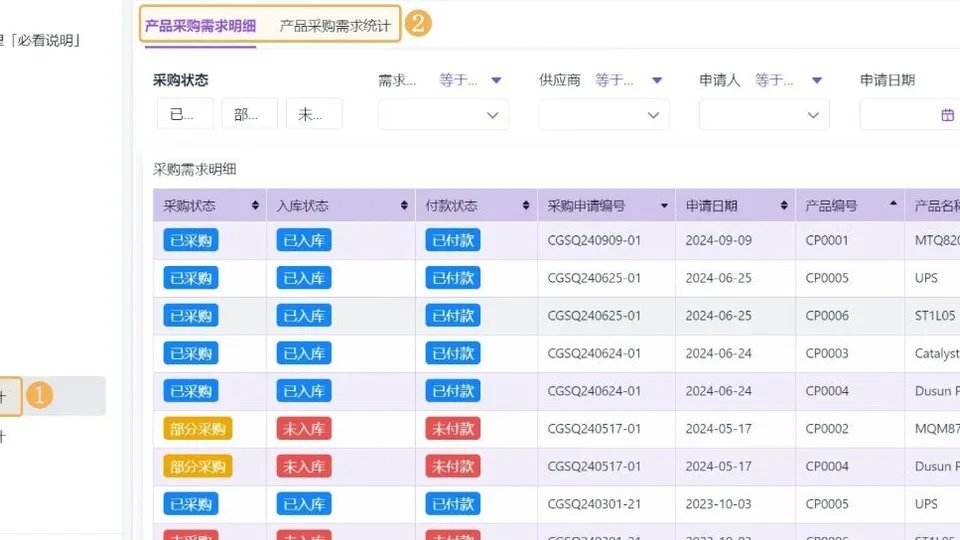
The article presents a six-table framework that separates annual budgeting, monthly demand rhythm, ad-hoc exceptions, consolidated balancing, approval workflows, and execution tracking to create a closed-loop procurement process from request to delivery review.
This article introduces 20 Linux command-line tools for network monitoring — such as nethogs, nload, iftop, tcpdump, and ntopng — with installation commands, usage examples, and key features for system administrators across distributions.
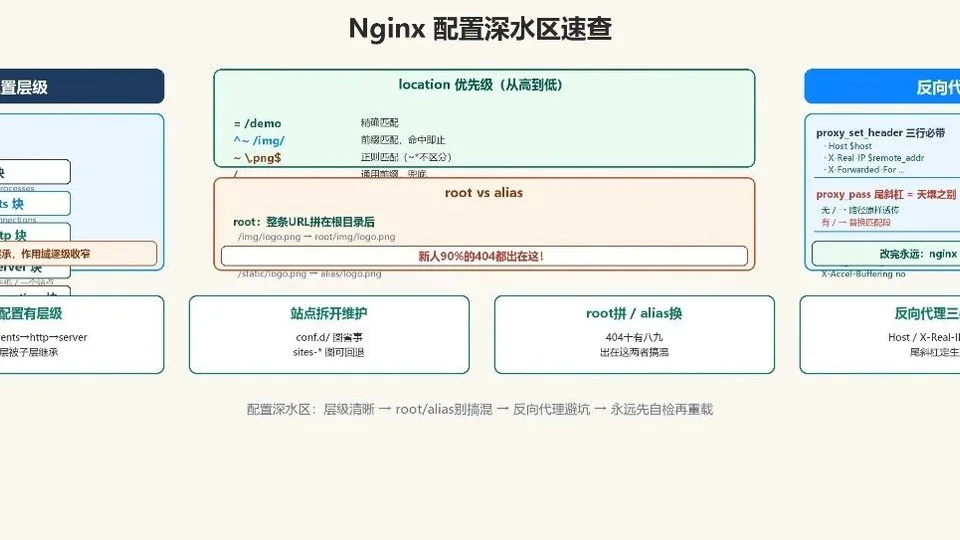
This tutorial breaks down Nginx configuration hierarchy, location matching priority, root vs alias path mapping differences, reverse proxy essentials including proxy_pass trailing slash behavior, required headers, timeout settings, and SSE streaming configuration with practical examples and common pitfalls.
A step-by-step tutorial for Ubuntu beginners covering LTS version selection, post-install essentials (apt mirror switch, system update, GPU drivers, Chinese input method, fonts), development environment setup (Git, Python with venv, Node.js via nvm, Docker, VSCode), common pitfalls like DNS errors and driver black screens, and survival habits including Timeshift snapshots and config backups.
This article explains why df reports high disk usage while du shows much less, revealing that deleted files held open by processes consume space, and demonstrates how to identify and release these ghost files using lsof and /proc/pid/fd/ without restarting services.
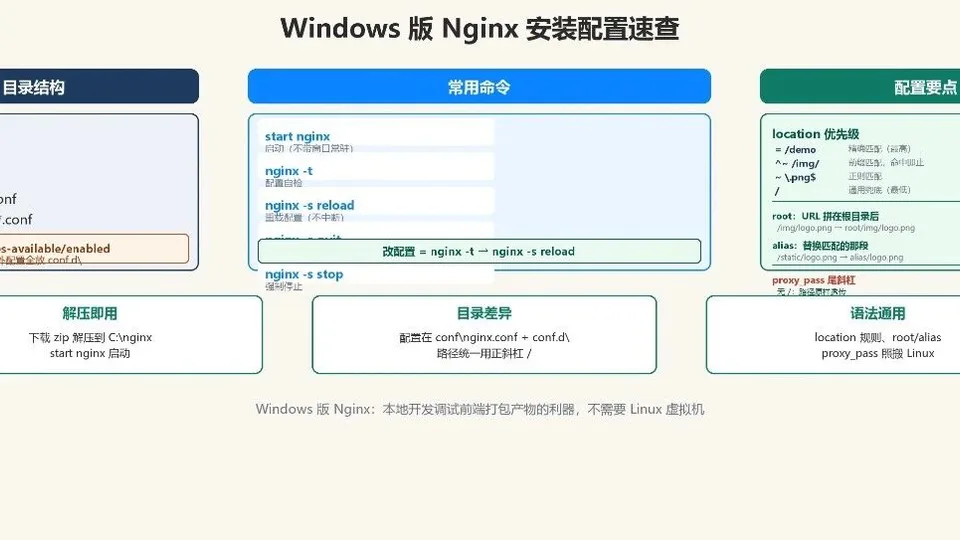
This guide covers downloading, extracting, and running Nginx on Windows, explaining directory structure differences from Linux, essential commands (start, reload, stop), configuration syntax with path handling, location matching priority, root vs alias behavior, and reverse proxy pitfalls like proxy_pass trailing slash and required headers.
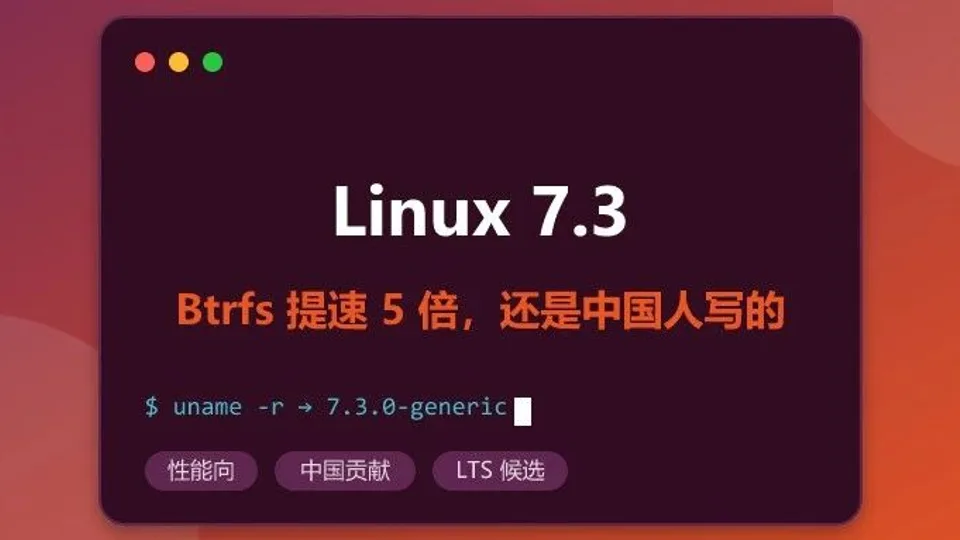
Linux 7.3, expected October 18, delivers major performance gains: Btrfs and EXT4 speedups, a KSM fix reducing latency from 705ms to 1.44ms, ByteDance's scheduler restructuring cutting worst-case latency 90%, and extensive security hardening including NTFS3 fixes and BPF verifier enhancements, with new hardware support for Apple Silicon USB4 and AMD Zen 6.
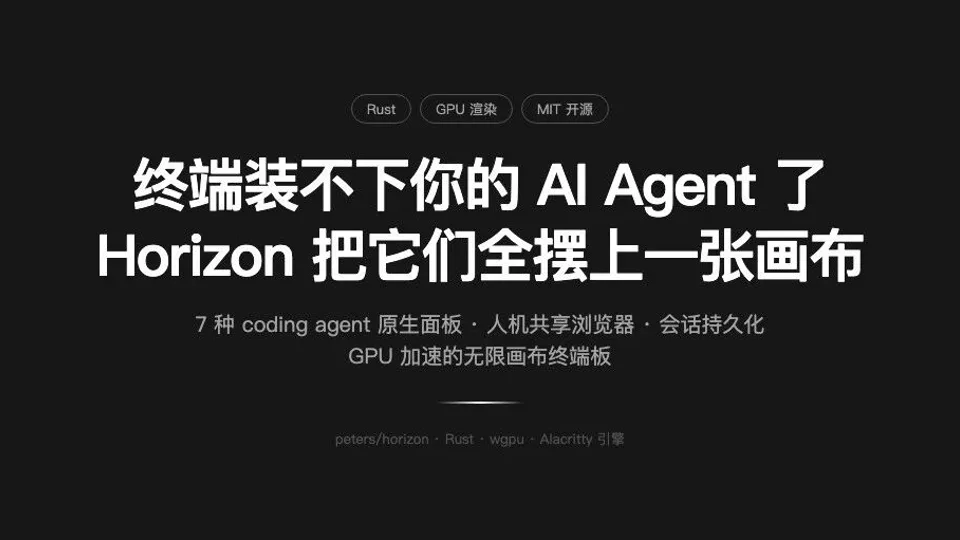
Horizon is a GPU-accelerated terminal board that replaces tabs with an infinite canvas, natively integrating seven coding agents, a shared browser with human-agent handoff, and persistent sessions, enabling spatial organization of multi-agent workflows for developers managing parallel AI-assisted coding tasks.
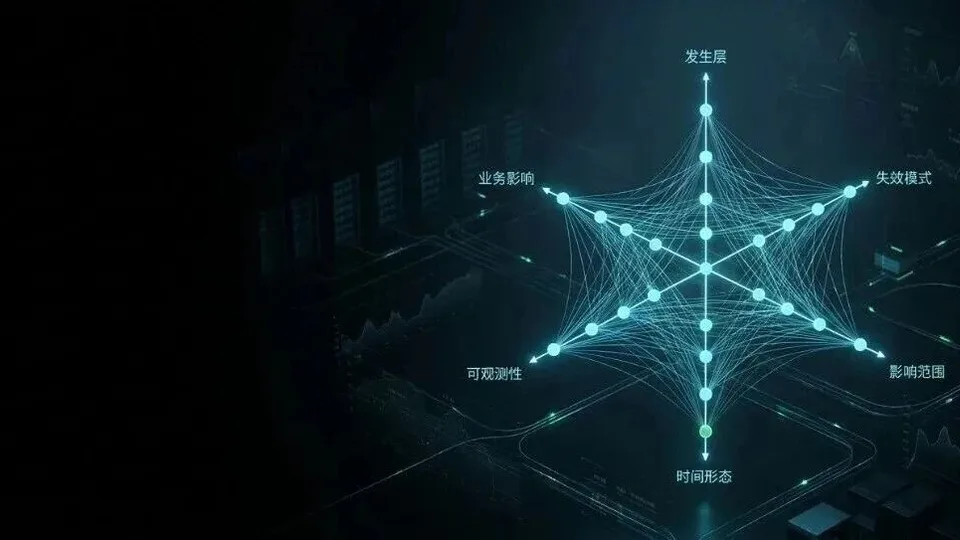
This article presents a six-dimensional fault classification framework for hyperscale systems, replacing experience-based labels with structured, evidence-driven dimensions—layer, failure mode, scope, temporal pattern, observability, and business impact—to enable automated routing, confident remediation, and continuous improvement at ten million QPS.
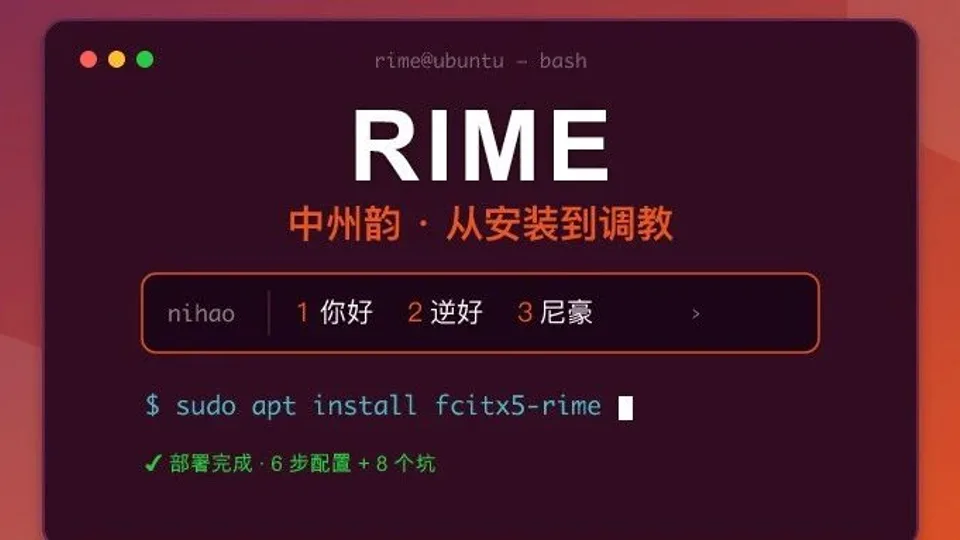
This guide walks through installing and configuring the Rime input engine on Ubuntu, comparing IBus and Fcitx5 frameworks, detailing Wayland-specific environment variables, explaining the patch-based configuration system, adding the Rime-Ice dictionary, and listing eight common pitfalls including Snap/Flatpak integration issues.
The author tests AI tools like DeepSeek and ChatGPT for Kubernetes YAML generation, finding they handle standard templates well but fail on cluster-specific configs, security hardening, probe tuning, resource sizing, and complex multi-CRD scenarios, arguing ops value shifts from writing YAML to troubleshooting, architecture decisions, and platform building.
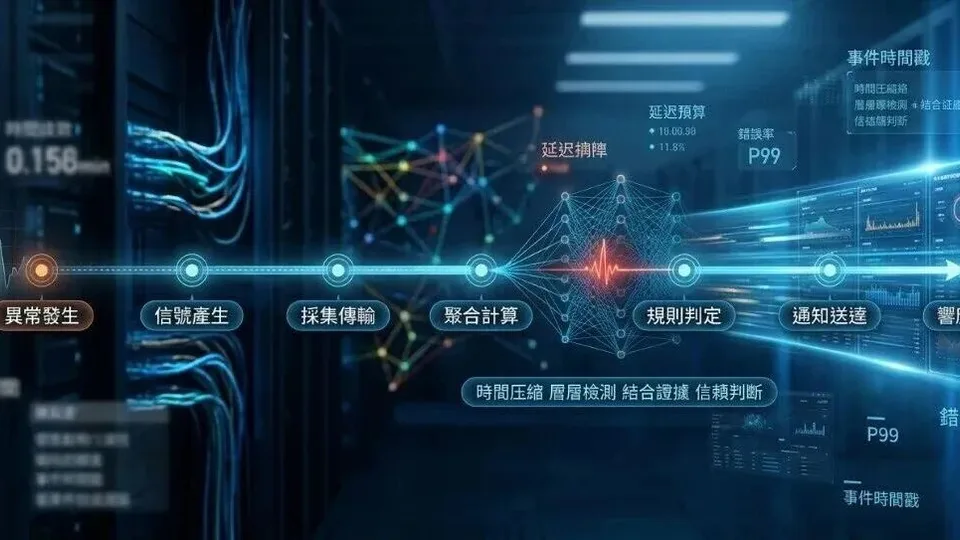
This article explains how to reduce fault detection latency from minutes to seconds in 10M QPS systems by implementing layered signals, combined evidence detection, distributed judgment, event normalization, and safe automation guardrails, rather than simply increasing sampling frequency.