This tutorial explains how Apache Iceberg adds snapshot metadata to files on HDFS or object storage, enabling atomic writes, time‑travel queries, and schema evolution, and walks through a Docker‑based setup with a REST catalog, Spark 3.5.3, and hands‑on examples including table creation, data insertion, version queries, and troubleshooting tips.
The DSP advertising data pipeline was re‑architected by splitting three distinct links—NRR, BT, and CT—and assigning DLF Paimon for massive low‑frequency data, EMR Serverless StarRocks primary tables for high‑value low‑latency queries, and unified service‑layer merging, achieving 2‑minute freshness, sub‑5 ms point queries, ~60% storage cost reduction, and improved fault isolation.
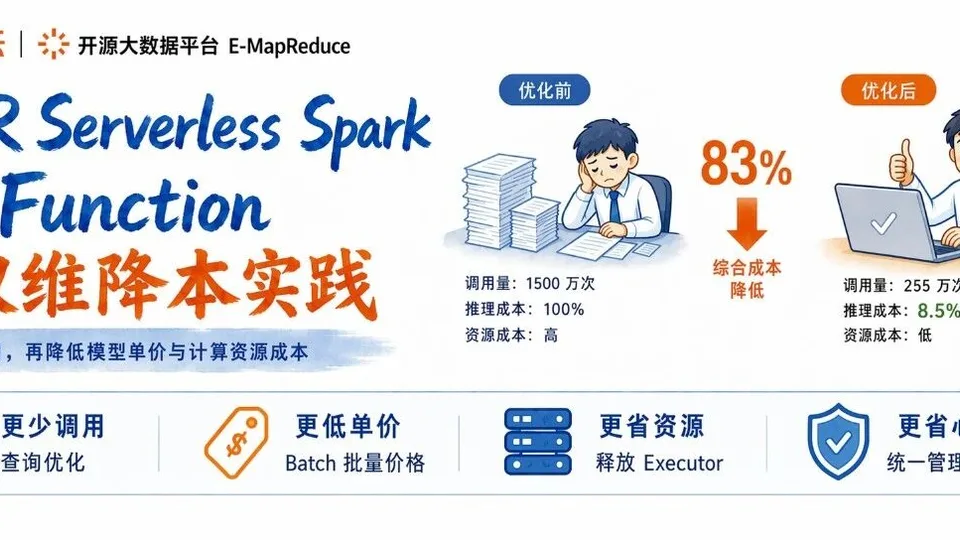
The article explains how EMR Serverless Spark AI Functions incur costs from model inference and Spark compute, and presents a two‑pronged cost‑saving strategy—AI query optimization to cut unnecessary calls and asynchronous Batch File inference to lower unit prices and release executor resources—complete with examples, benchmarks, and configuration guidance.
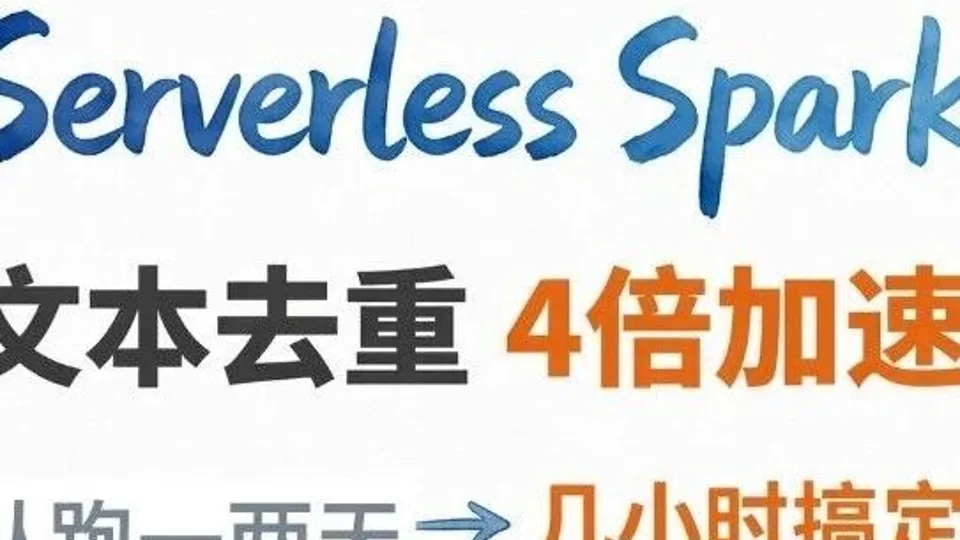
The article analyzes how migrating a large‑scale text deduplication workflow to Alibaba Cloud EMR Serverless Spark, using built‑in MinHash‑LSH functions and the Fusion Engine vectorized executor, reduces processing time from days to hours, cuts shuffle failures to zero, and eliminates most operational overhead.
The article analyzes the newly released AI Function suite in Alibaba Cloud EMR Serverless StarRocks, detailing multimodal embedding, AI‑driven aggregation, semantic filtering, mixed vector‑full‑text search, architectural advantages such as SQL‑native execution, async pipelines, bounded resources, and real‑world use cases in advertising, gaming, and finance.
The article defines data skew as an uneven key distribution after shuffle that makes a few tasks handle most of the data, explains the resulting slowdown, OOM, low resource utilization and job failure, and then details diagnosis methods and concrete solutions for group‑by, join, null‑value and framework‑level scenarios.
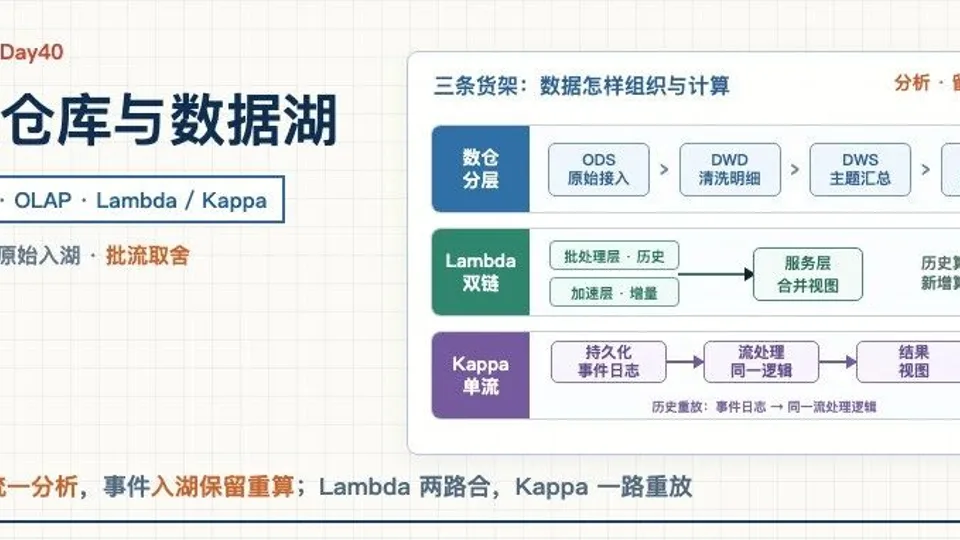
This article explains why online transaction databases (OLTP) should not be used for multi‑year analytics, outlines the four core characteristics of a data warehouse, details the ETL process, compares star and snowflake schemas, contrasts data warehouses with data lakes, and guides you through selecting Lambda or Kappa architectures using a concrete retail‑store scenario.
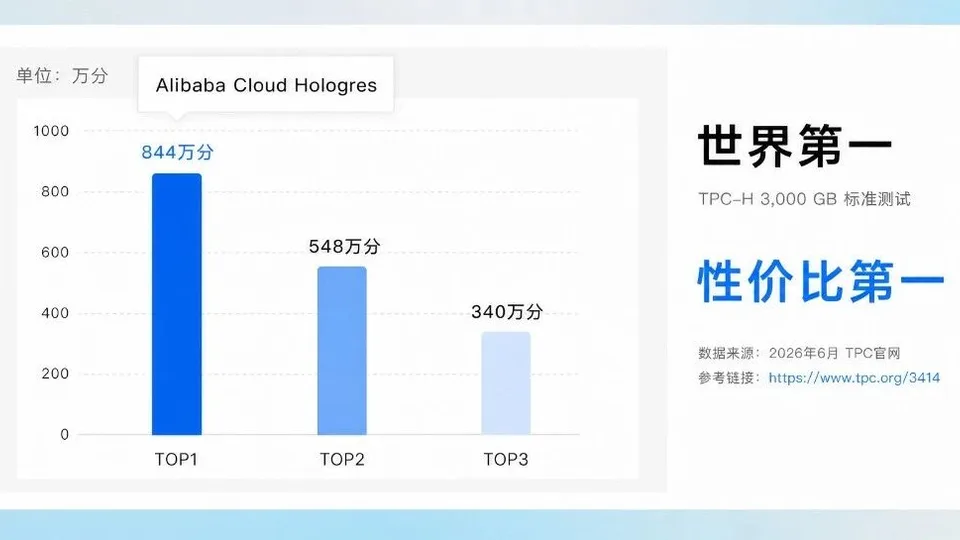
Alibaba Cloud Hologres achieved 8,443,627 QphH@3000GB, ranking first on the TPC‑H 3TB performance list with a 54% lead over the runner‑up and the lowest cost‑per‑QphH at 390.47 CNY, demonstrating superior speed and efficiency for real‑time analytics.
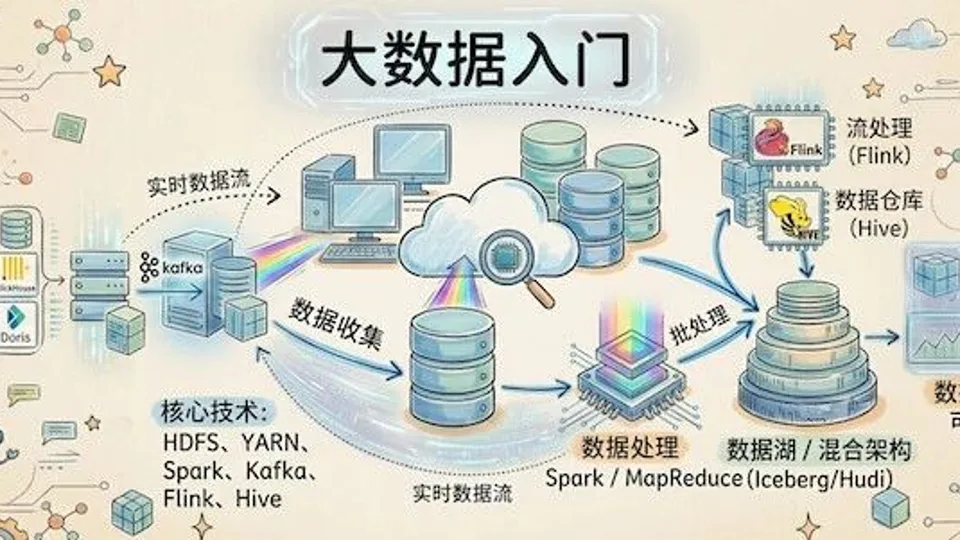
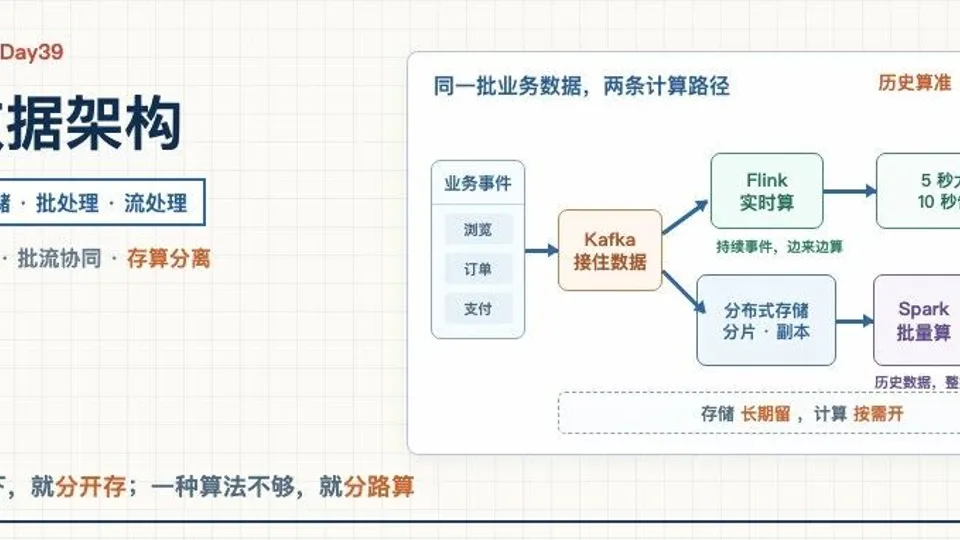
This lesson explains why a single database cannot scale for massive e‑commerce data, introduces the three core pillars of distributed storage—sharding, replication, and horizontal scaling—covers batch and stream processing differences with Spark, Hive, Flink and Storm, compares compute‑storage integration versus separation, and shows how Kafka, HDFS, Spark and Flink fit together in a real‑time data platform.
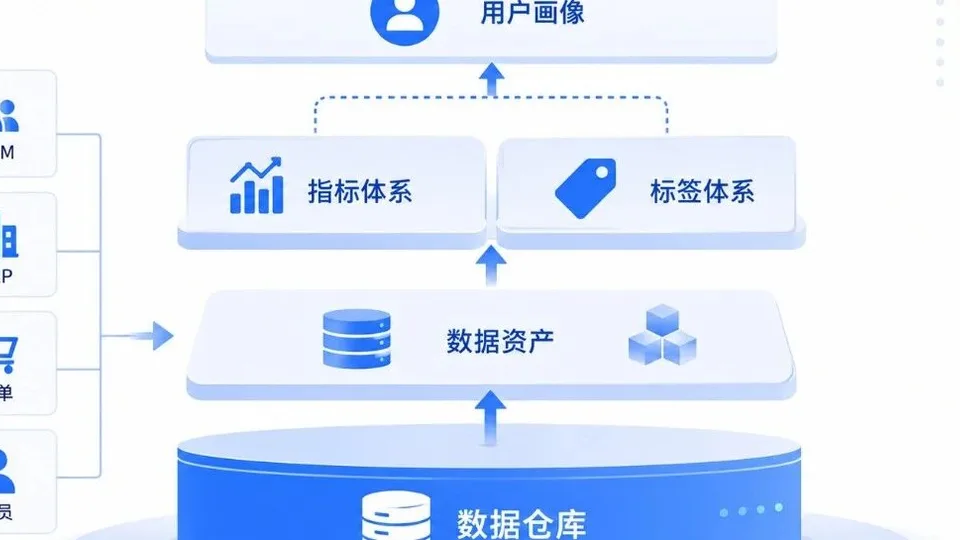
The article explains how data assets, tag systems, metric frameworks, and user profiles form a layered data processing chain, detailing their distinct roles, practical examples, best‑practice guidelines, and how they must be integrated through a data warehouse to drive real business actions.
This article provides a detailed, structured survey of the most widely used open‑source big‑data technologies—including Hadoop ecosystems, storage systems, processing engines, query tools, data ingestion, exchange, messaging, scheduling, governance, visualization, mining, and cloud platforms—highlighting each project's origins, core features, typical use cases, and notable strengths or limitations to aid technology selection and system design.
The article details how a map‑intelligence platform transforms 180 days of nearly 10 trillion GPS points into an online service that returns the first matching trajectory in 0.35 seconds by combining ClickHouse, S2 spatial indexing, integer encoding, tiered storage and a streaming query pipeline.
Enterprises often have abundant data but lack insight; this article explains how data mining moves beyond simple reporting to answer why events occur, predict future outcomes, and recommend actions, covering four analytical levels, core principles, a six‑step workflow, and common techniques with concrete business examples.
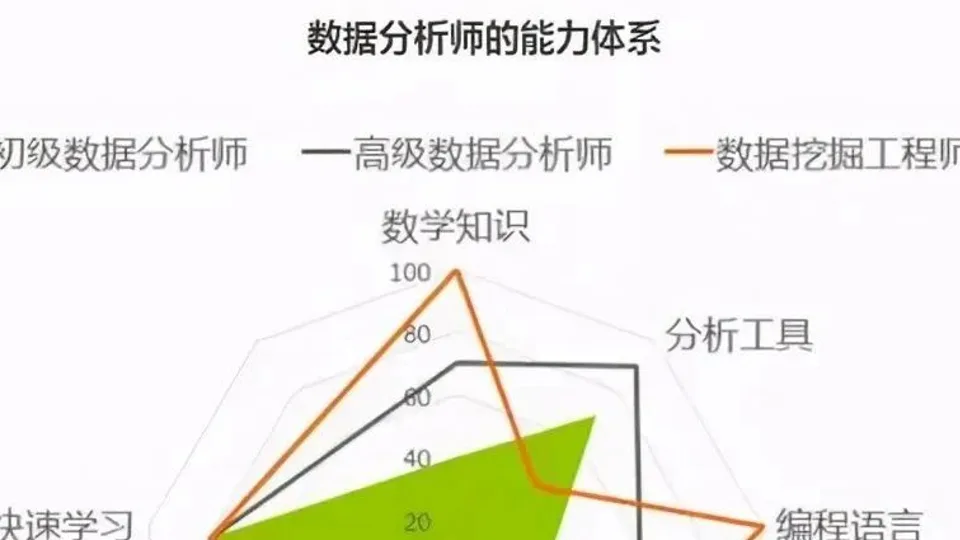
This article presents a comprehensive collection of visual knowledge maps that outline data analysis steps, foundational concepts, technical tools, business processes, analyst skill frameworks, and related topics such as Python learning paths, Excel formulas, MySQL, and statistical methods.
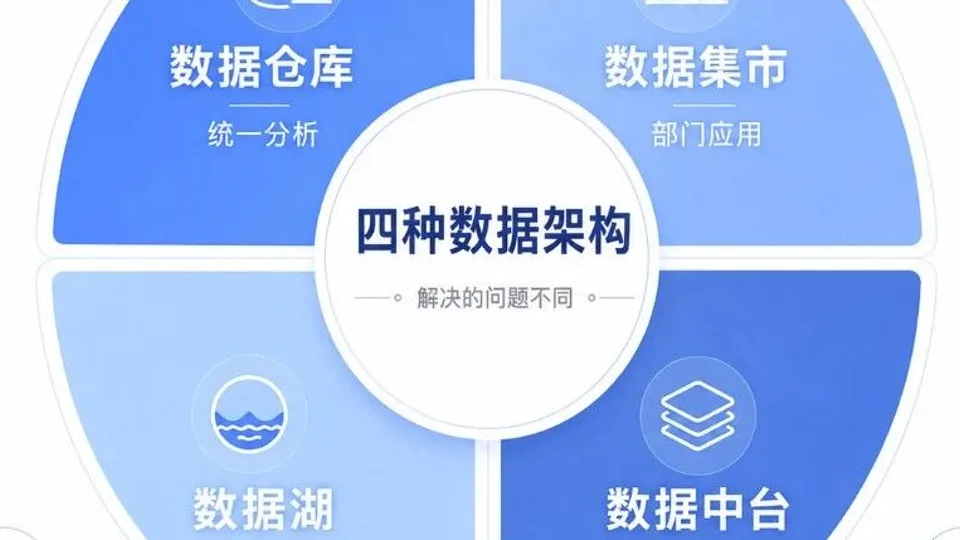
The article explains how data warehouses, data marts, data lakes, and data middle platforms each address distinct problems—unified analytics, departmental needs, raw data storage, and governed reusable capabilities—while outlining their relationships, typical use cases, implementation considerations, and guidance on choosing the right architecture for a given business stage.
With agents moving from Q&A to execution, traditional architectures expose three critical flaws—data stored in lakes, models in the cloud, and split scheduling—forcing petabyte‑scale data movement; Tencent Cloud’s big data AI DLC resolves this by running Spark and Ray side‑by‑side on the same lake, enabling closed‑loop processing and automatic trajectory capture.
Although national data production reached 52.26 ZB in 2025 and continues to grow, the term “big data” is disappearing from strategic discussions because it no longer provides the organizational credit it once did, and enterprises now demand concrete value attribution, responsibility, and AI‑driven accountability.
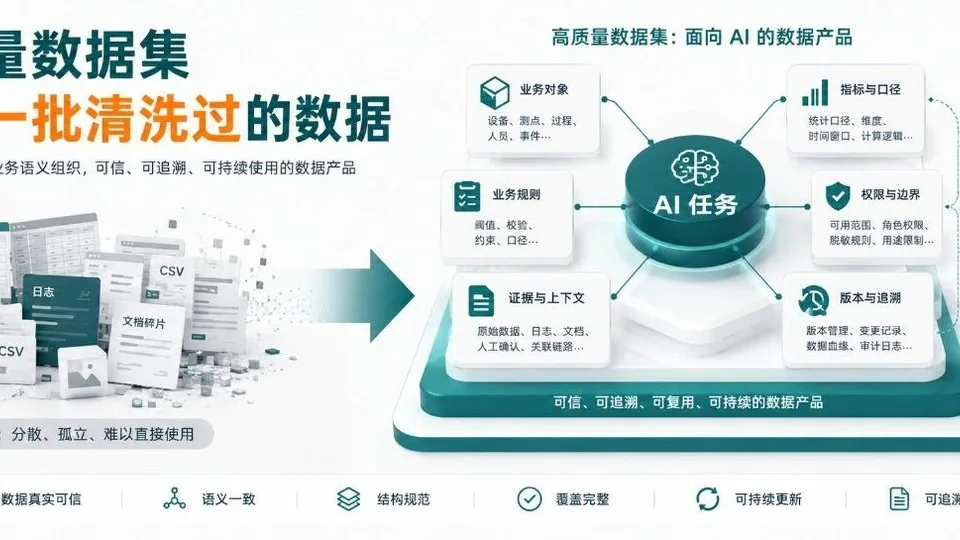
This article defines high-quality datasets as task-oriented data products with business semantics, evidence traceability, usage boundaries, and continuous governance — not merely cleaned data — and explains why they are essential for reliable AI training, RAG, and Agent applications.
The article breaks down the essential big data components—data ingestion, distributed storage, resource management, batch and stream processing, analytics, search, and cluster operations—using a restaurant metaphor and lists typical tools such as Flume, Kafka, HDFS, Spark, Flink, Elasticsearch, and Kubernetes.
The article analyzes how traditional data‑lake‑model‑cloud architectures expose three critical flaws for agentic AI—massive data movement, fragmented logging, and split compute—then details Tencent Cloud's Big Data AI DLC solution that unifies Spark and Ray on a single lake to enable in‑place processing, closed‑loop training, and cost‑effective iteration.