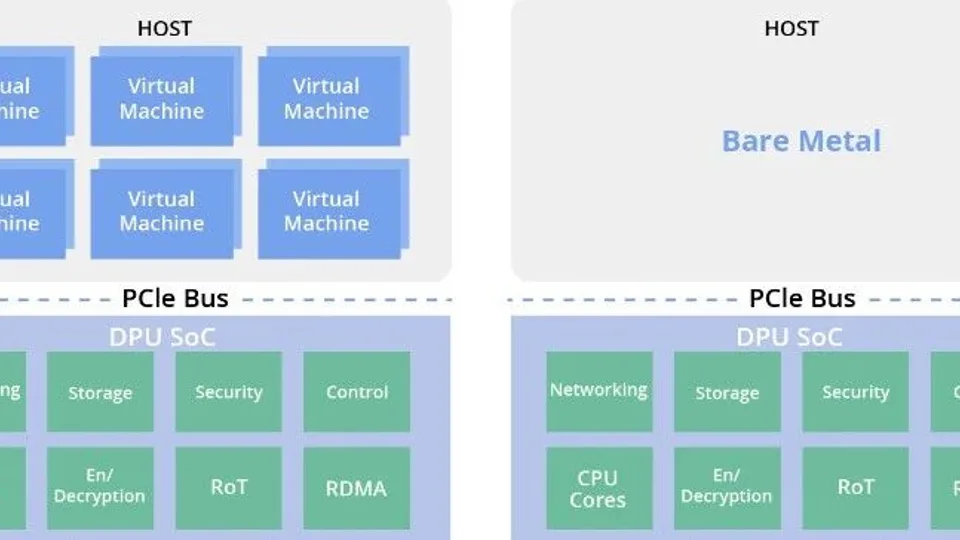
The article reviews the four-stage evolution of network adapters—from traditional NICs to smart NICs, FPGA‑based DPUs, and DPU‑SoC cards—detailing their hardware features, programmable capabilities, deployment methods, and use cases in modern cloud and virtualization environments.
This guide walks through the reasons for creating a custom image bed, explains why Cloudflare R2 is chosen over domestic providers, and provides step‑by‑step instructions for setting up an R2 bucket, binding a domain, configuring public access, and integrating PicGo for automatic uploads.
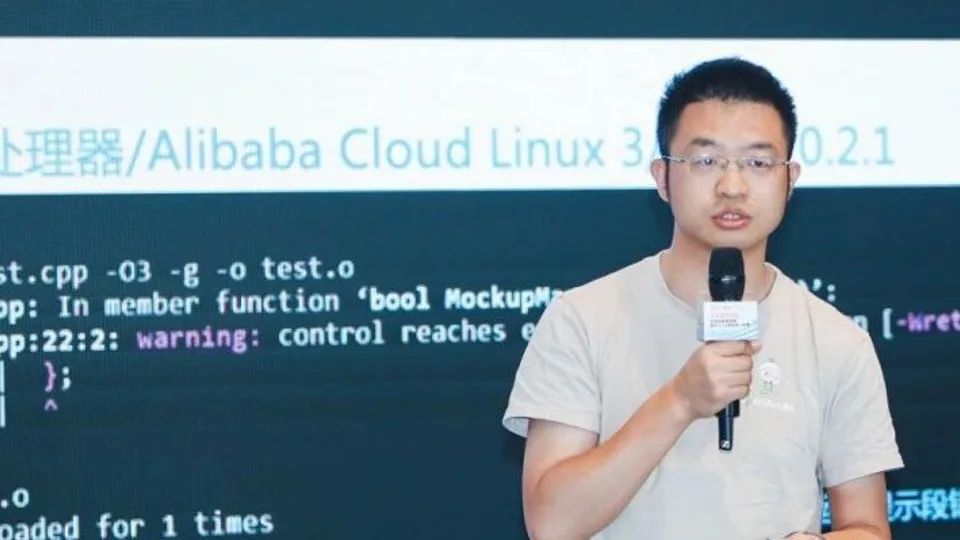
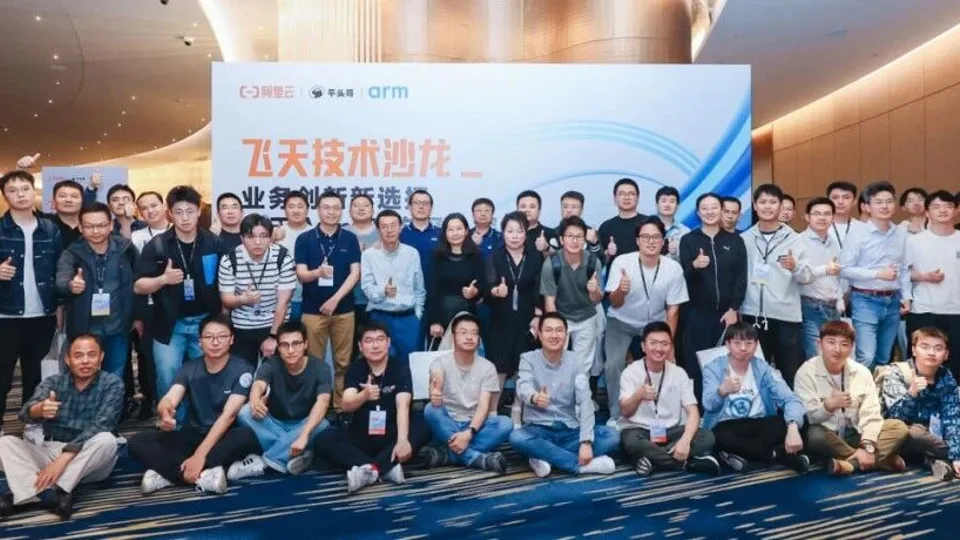
The Feitian Technology Salon held on May 16 in Shanghai showcased Arm Neoverse's core advantages and demonstrated how Yitian 710‑based ECS instances deliver significant cost‑effective performance gains for big‑data and video workloads through cloud‑native optimizations and software acceleration techniques.
The article explains how NCCL’s collective communication libraries enable efficient large‑scale model training by parsing GPU‑to‑NIC topology, forming flat‑ring and tree rings, improving logging and bandwidth metrics, detailing Ring AllReduce primitives, and proposing solutions to missing topology, metric, and mapping information for future optimization.
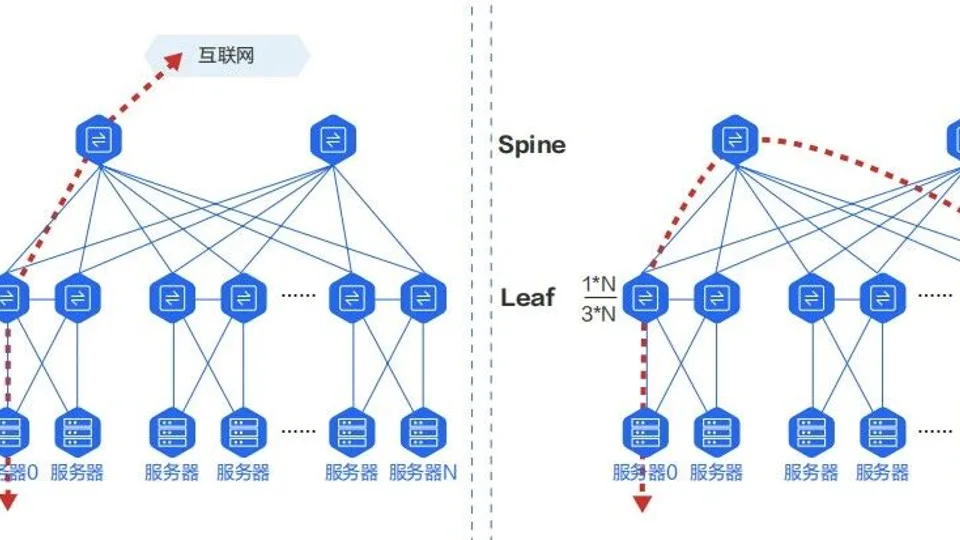
This article analyzes traditional cloud data center network limitations for AI workloads and compares various high‑bandwidth, low‑latency architectures—including two‑layer and three‑layer fat‑tree designs, InfiniBand, and RoCE—providing best‑practice recommendations for building scalable, non‑blocking AI‑Pool networks.
This guide explains how to generate server‑side signatures for Alibaba Cloud OSS, obtain upload policies, and perform direct form‑based uploads from web browsers and WeChat mini‑programs, covering request flow, PHP helper functions, client‑side JavaScript integration, and OSS callback handling.
This article explains how to build a serverless image‑processing pipeline that automatically compresses and watermarks uploaded pictures by deploying Go functions, configuring event‑bus rules, enabling OBS notifications, and linking them together, highlighting cost, scalability, and maintenance advantages over traditional architectures.
The article explains why Kubernetes, once praised for cost savings, now incurs high operational expenses due to container replication, sidecar overhead, and slow startup, and shows how serverless and WebAssembly approaches can dramatically reduce those costs while preserving reliability.
Google Cloud mistakenly deleted data and backups for Australian pension fund UniSuper, causing over 600,000 members to lose access for more than a week, and the incident highlights the risks of single‑provider reliance, the importance of robust backup strategies, and the growing relevance of hybrid and multi‑cloud architectures.
This article explains what a vCPU is, how it differs from a physical CPU, the relationship between them, methods for calculating available vCPU counts based on sockets, cores, and threads, and outlines typical allocation, scheduling, and application scenarios in cloud and virtualization environments.
QDSR is a high‑performance QUIC traffic‑forwarding framework that integrates Direct Server Return to remove redundant downstream forwarding in layer‑7 load balancers, allowing multiple real servers to stream data directly to clients via a one‑way tunnel, achieving up to 12.2× higher throughput and significantly lower latency while preserving security and connection consistency.
This article explains what hyper‑converged infrastructure (HCI) is, outlines its core components and key technologies such as virtualization, software‑defined storage and networking, and details the benefits, scalability, high‑availability features, and typical use cases for enterprises adopting HCI.
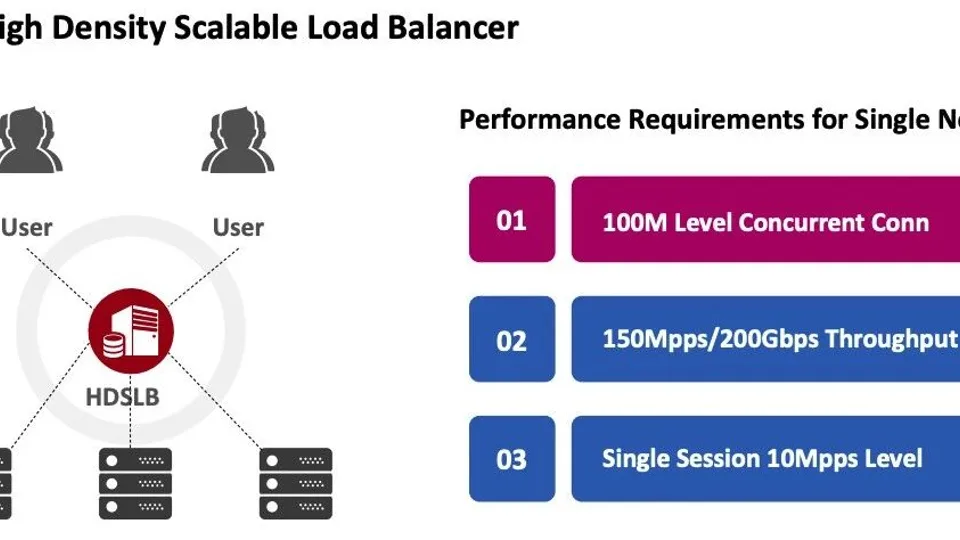
Intel’s HDSLB series introduces a high‑density, scalable L4 load balancer that leverages Intel Xeon CPU instructions and E810 NIC acceleration to deliver multi‑core linear performance, superior throughput, and robust features for cloud and edge networking, outperforming traditional LB solutions.
This article describes Zhihu's hybrid cloud architecture—including offline, online, and GPU data centers—its self‑built UnionStore cache, the performance and latency challenges faced during large‑scale AI model training, and the subsequent evaluation and migration to Alluxio community and enterprise editions to achieve higher throughput, stability, and lower operational overhead.
This article explains what Kernel-based Virtual Machine (KVM) is, outlines its key benefits such as high performance, security, stability, cost‑effectiveness and flexibility, and describes how it operates on Linux systems using kernel modules and supporting packages.
This article explains the differences between physical servers, VPS, cloud ECS, and Docker containers, discusses their advantages, cost considerations, and provides practical guidance on selecting the appropriate server solution for individuals, startups, or small businesses.
FinOps combines finance and DevOps to create a culture of transparent, predictable cloud spending, guiding enterprises through preparation, strategy alignment, shared responsibility, cost insight, optimization tactics, and ongoing control, enabling them to balance agility with disciplined cost management in cloud-native environments.
This article explains the background, overall architecture, and detailed design and implementation of PrivateLink and ClassicLink gateways within a cloud VPC environment, covering their control and forwarding planes, workflow steps, and future optimization plans.
Discord’s engineering team migrated its backend and infrastructure development to Linux‑based cloud development environments using Coder, gaining immutable, reproducible, and secure workspaces while navigating challenges like latency, network reliability, and the need for seamless developer onboarding.