This tutorial explains how to use the Hera Python SDK to create, submit, and manage Argo Workflows on an ACK One Serverless Argo cluster, covering installation, DAG diamond and MapReduce examples, and practical commands for token generation and workflow execution.
Alibaba Cloud, in collaboration with Zhejiang University and Shanghai Jiao Tong University, received the China Automation Association’s top Science and Technology Progress Award for breakthrough ultra‑large‑scale cloud network control technology that achieves second‑level task configuration for hundreds of thousands of tasks, marking a first in China.
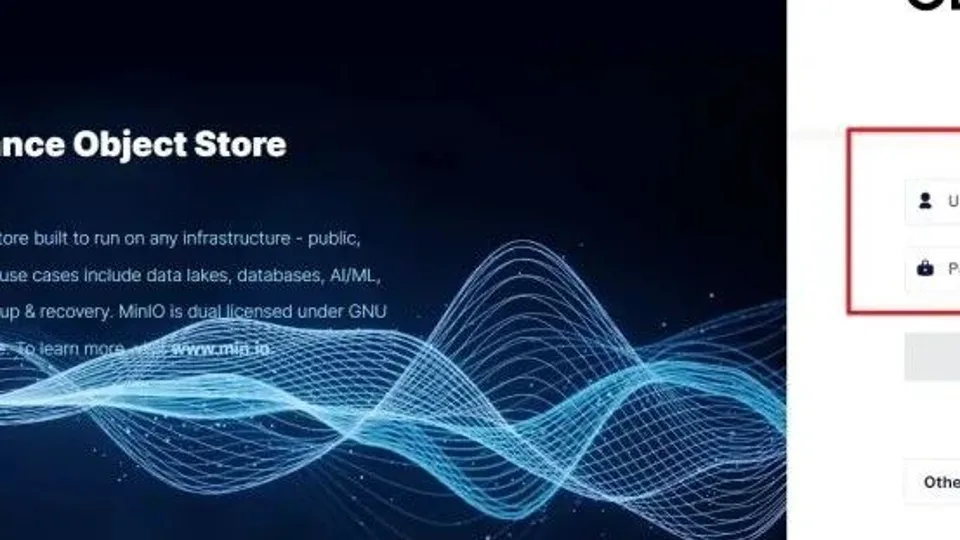
This article provides a detailed tutorial on installing MinIO on CentOS 7 using Docker, configuring it, integrating with Spring Boot for multipart upload, generating presigned URLs, and includes complete Java code examples for utilities and controllers, covering use cases, deployment steps, and troubleshooting tips.
This guide explains how to install, configure, and leverage the Grafana Alibaba Cloud OpenAPI plugin to visualize cloud resources, create alerts, and accelerate prototype validation in fast‑paced development environments.
The article explains DataWorks' new generic resource groups, highlighting their serverless architecture, flexible pay‑as‑you‑go and subscription billing, elastic scaling, high isolation, and detailed cost examples, while comparing them with the legacy resource groups.
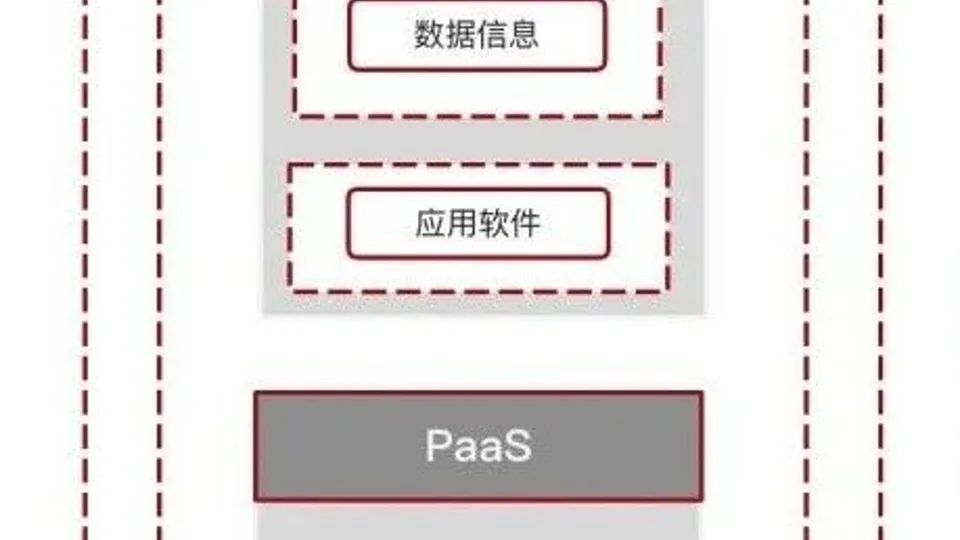
This article explains the three main cloud service models—Infrastructure as a Service, Platform as a Service, and Software as a Service—by defining each, illustrating their analogies, describing their typical applications, and outlining how to choose the right model for business needs.
The author argues that, to revive China’s stagnant traditional software sector, SaaS must be reshaped through standardized business‑scenario APIs, real‑time business‑module visualization, and open‑domain architectures—augmented by AI‑driven code generation—to enable scalable customization and unlock new growth opportunities.
Content Delivery Networks (CDNs) distribute cached content across edge servers to accelerate website access, reduce origin server load, enhance security, provide global coverage, and ensure high availability, while also addressing dynamic resource challenges through routing, protocol, pre‑caching, and compression optimizations.
This article examines how cloud computing has become central to enterprise IT architecture, explores its cost governance challenges, outlines industry trends, standards like ITIL and COBIT, and presents practical strategies—including FinOps, multi‑cloud platforms, and sustainable practices—to effectively manage and reduce IT costs.
This article explores how cloud computing has become the core of enterprise IT, examines the debate over its cost‑saving potential, outlines the latest cloud trends, details IT cost‑governance frameworks such as ITIL, COBIT and FinOps, and provides practical technical and managerial strategies—including multi‑cloud scheduling, resource over‑commit, workload mixing, bin‑packing, and green data‑center practices—to achieve continuous cost control and value‑driven digital transformation.
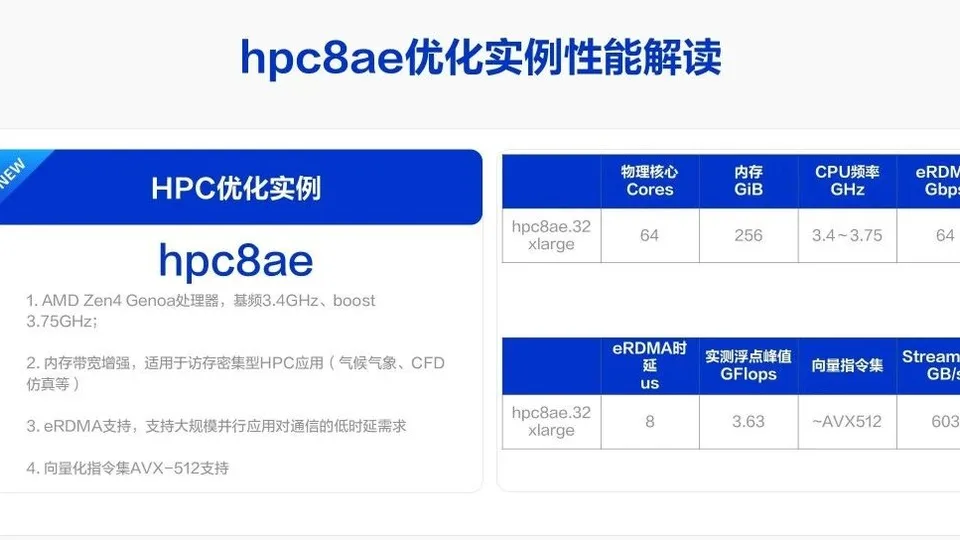
The article introduces Alibaba Cloud's newly commercialized HPC8ae optimized instance, details its hardware specifications, eRDMA support, and AVX‑512 capability, and walks through single‑node motorcycle airflow and multi‑node 60‑million‑cell wind‑farm simulation demos using OpenFOAM on the EHPC platform.
This article explains the fundamentals of VXLAN, compares it with VLAN, and provides step‑by‑step Linux kernel and Open vSwitch implementations, including configuration commands, packet‑flow analysis, and practical testing to demonstrate overlay networking in cloud environments.
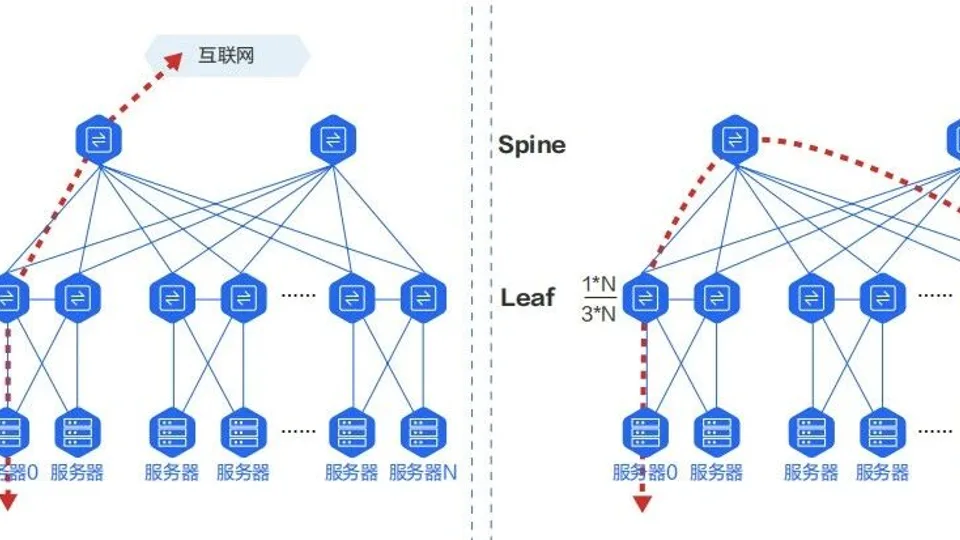
The article analyzes traditional cloud data‑center networking challenges for AI workloads and compares two‑layer and three‑layer fat‑tree architectures, presenting high‑bandwidth, non‑blocking, and low‑latency designs such as AI‑Pool networks and offering practical deployment scales from hundreds to tens of thousands of GPUs.
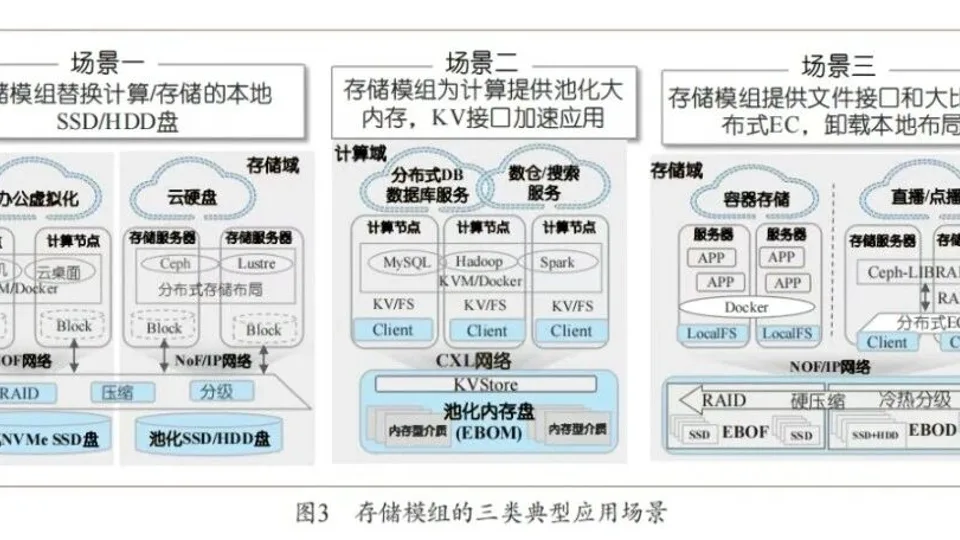
The article examines challenges of traditional server‑based distributed storage in cloud and internet workloads and proposes a new disaggregated compute‑storage architecture leveraging emerging hardware such as EBOF, DPU, CXL, and NVMe to improve resource utilization, performance, reliability, and efficiency.
This guide provides a concise collection of OpenStack Nova and Neutron command‑line examples for listing, creating, modifying, and deleting virtual machines, networks, subnets, and related resources, helping administrators efficiently manage cloud infrastructure.
To tackle rising multi‑cloud expenses, the Resource Cost Center provides a unified billing platform that standardizes diverse vendor invoices via a common API, automates reconciliation, allocates costs by project tags, offers real‑time dashboards, and plans AI‑driven forecasting and budget alerts.
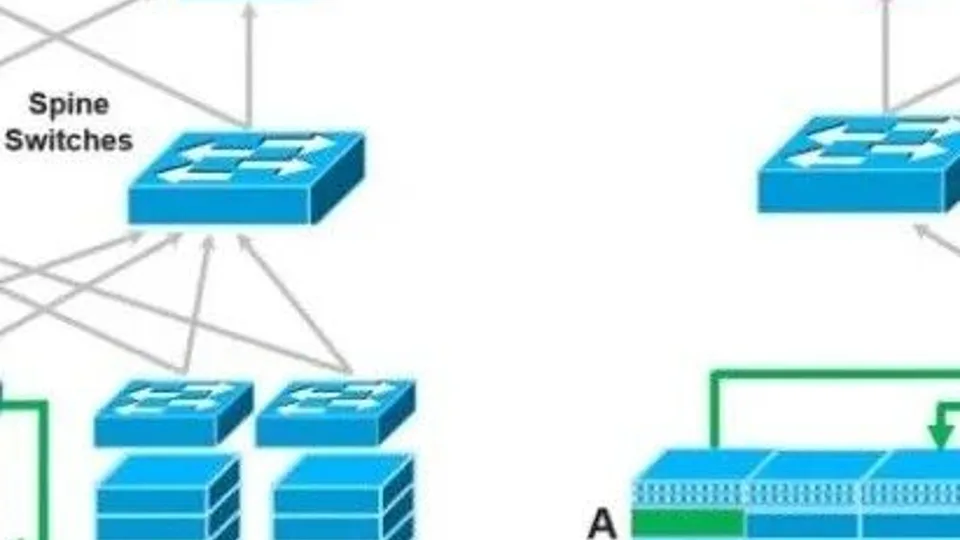
This article outlines key design principles—scalability, availability, flexibility, and security—for modern data center networks, compares fabric, overlay, spine‑leaf, and BGP EVPN architectures, and discusses emerging trends such as high‑bandwidth, heterogeneous compute clusters and intelligent, cost‑effective operations.
This article provides a comprehensive overview of China’s edge cloud market, defining the technology, outlining its key characteristics, tracing industry evolution, analyzing market size and growth drivers, and discussing future opportunities and challenges in the digital and intelligent transformation era.
This article introduces OpenStack as an open‑source cloud computing platform, outlines its ten core services such as Nova, Swift, and Keystone, highlights key characteristics like openness and modularity, and discusses typical public, private, and hybrid cloud deployment scenarios.
The article provides a comprehensive overview of the Python Software Foundation's infrastructure, detailing its team, cloud providers, data centers, and the hosting arrangements for numerous services such as PyPI, docs, bug trackers, and the main Python website.