This article explains why direct file storage on application servers is not scalable, introduces Alibaba Cloud OSS as an object storage solution, walks through bucket creation, access key management, Node.js upload code, temporary credentials for browser uploads, CDN integration, and security considerations, providing a complete end‑to‑end upload workflow.
This guide walks you through creating, configuring, and launching a Palworld dedicated server on Alibaba Cloud, covering account setup, instance selection, network settings, and in‑game connection steps so you can play with friends quickly and reliably.
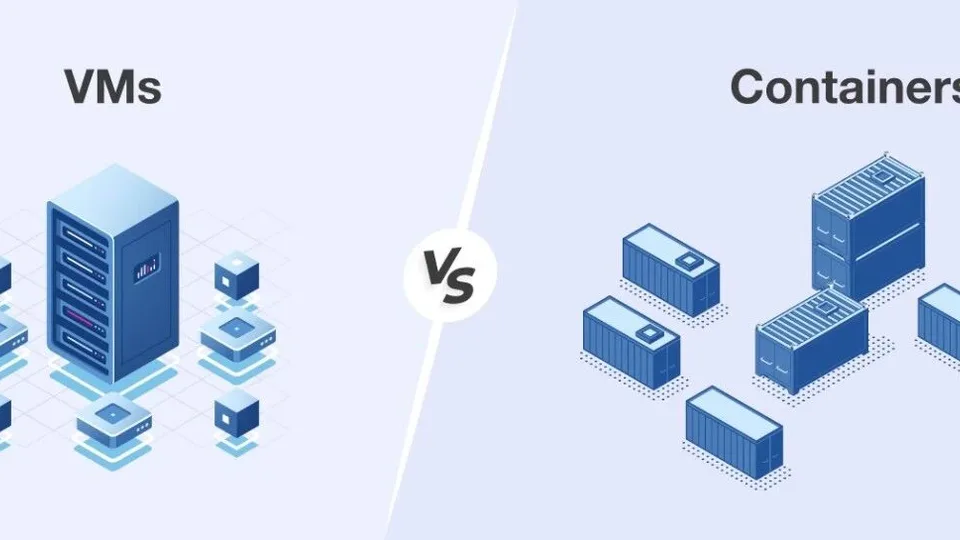
This article explains the concepts of virtualization and containerization, compares them across seven technical criteria, and helps you decide which approach—or a combination of both—best fits your workload and resource‑efficiency goals.
This guide walks you through setting up a Palworld private server on a cloud VM by preparing an Ubuntu/Debian machine, installing SteamCMD, creating a dedicated user, downloading and configuring PalServer, opening port 8211, and launching it with nohup, plus troubleshooting tips.
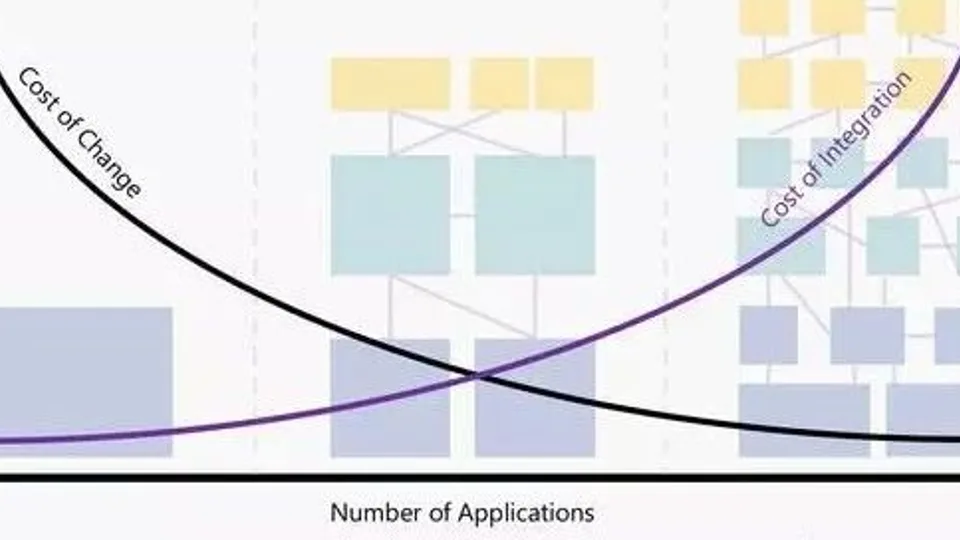
The article explains how modern enterprises can manage the growing number of heterogeneous applications by applying Gartner's Pace‑Layered architecture, grouping systems by change velocity, and using Azure services such as API Management, Logic Apps, Service Bus, and Event Grid to achieve adaptive, loosely‑coupled integration across record, differentiation, and innovation layers.
This guide explains how to install the AWS SDK for PHP, configure an S3 client, perform bucket and object operations, paginate and filter objects, generate presigned URLs, compress downloaded objects with ZipArchive, and set up CORS for AWS S3 buckets.
This article explains low‑code and zero‑code concepts, outlines the problems a low‑code platform solves, guides developers on choosing a platform, and details Huawei Cloud Astro’s architecture, hybrid development model, integration capabilities, database support, security features, cross‑device compatibility, and industry use cases.
This article details HuoLala’s evolution from a single‑region cloud setup to a multi‑AZ, multi‑cloud architecture, covering network latency, ECS resource constraints, operational event handling, hot migration techniques, and LLC contention mitigation strategies.
Bilibili’s hybrid‑cloud architecture combines multiple public clouds and its own data centers using a star‑centered topology, employing VPCs, load balancers, NAT gateways, and dedicated lines managed via a multi‑cloud platform, while outlining project‑network setup, security rules, and proxy‑forwarding solutions for reliable, cost‑effective cloud networking.
This article explains what hybrid cloud is, outlines its various forms, describes its architectural features, presents typical scenarios such as scaling compute, storage, security and product services, and discusses the challenges faced in hybrid cloud adoption.
This guide walks readers through using ModelScope’s SwingDeploy service to locate, configure, and instantly deploy open‑source AI models to Alibaba Cloud Function Compute, explaining the resources created, how to invoke the model via HTTP triggers, and how to optimize performance with provisioned instances, logging, and concurrency settings.
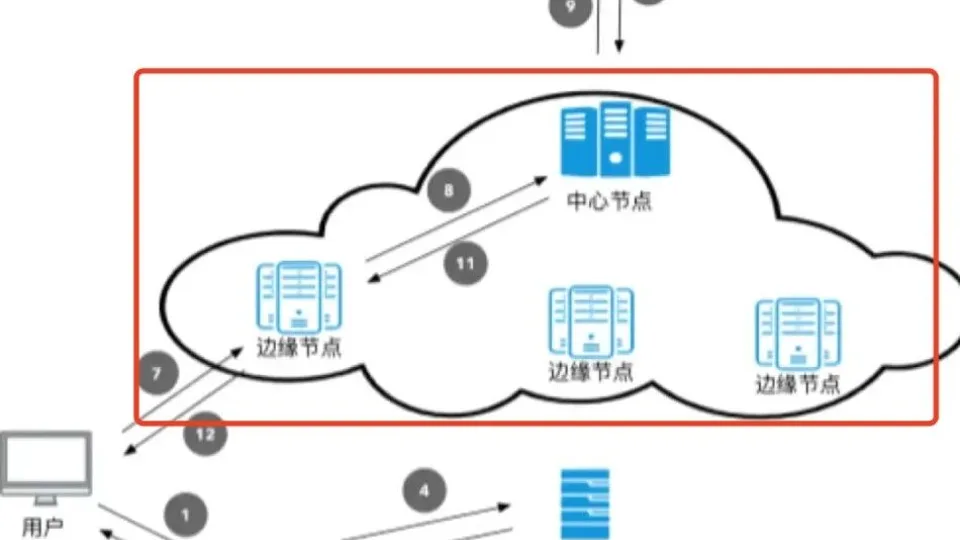
This article explains the full CDN workflow—from DNS resolution and CNAME routing to cache miss handling and origin pull—illustrates when CDN improves performance, how to detect cache misses via HTTP headers, and outlines scenarios where using a CDN may actually slow down delivery.
The article describes a cloud‑terminal IDE built on Bash stdio that wraps the CodeBlitz OpenSumi‑based frontend, implements a byte‑offset paging system and Monaco‑based editor for efficiently viewing gigabyte‑scale log files, maps IDE search to server‑side grep, and outlines future plugin and AI‑assisted enhancements.
Baidu built a high‑availability, low‑latency distributed transmission system that connects directly to global securities exchanges via dedicated optical lines and multicast support, synchronizes data across multiple cloud regions, provides Internet fallback for disaster recovery, and delivers sub‑60 ms market data to billions of daily financial service requests with five‑nine reliability.
This guide explains how to use Alibaba Cloud Message Queue Kafka's no‑code, fully managed, serverless dump feature to transfer data to OSS, covering its benefits, typical scenarios, required prerequisites, step‑by‑step configuration, testing, and verification of the resulting objects.
This article provides an in‑depth technical overview of Tencent Gateway (TGW), detailing its evolution from TGW 1.0 to 2.0, the introduction of Region EIP, the redesign of public CLB, the Shanhai architecture, and future hardware‑offload directions for high‑performance cloud networking.
This guide explains how to quickly select a ModelScope open‑source LLM, deploy it to Alibaba Cloud Function Compute using the SwingDeploy one‑click feature, enable reserved idle billing, and evaluate the cost savings compared with traditional GPU provisioning.
This announcement shares a 43‑page research whitepaper on open cloud network high‑performance gateway technology, explaining SDN fundamentals, analyzing current gateway solutions, and proposing a decoupled stateful‑stateless approach that aligns with open, minimalist network trends, with a download link provided.
The article discusses cloud-based audio editing tool architecture, focusing on text‑based editing enabled by ASR, hierarchical DOM (Word, Sentence, Paragraph), performance challenges with massive character nodes, and optimizations like viewport‑based rendering and efficient drag‑select, achieving large speed gains for long recordings.
The article outlines the four evolutionary stages of network adapters—from traditional NICs to SmartNICs, FPGA‑based DPUs, and single‑chip DPU SoCs—explains their hardware features and offload capabilities, and surveys real‑world DPU deployments in AWS Nitro, Nvidia BlueField, Intel IPU, Alibaba Cloud CIPU, and Volcano Engine, highlighting their impact on data‑center performance, cost, and programmability.