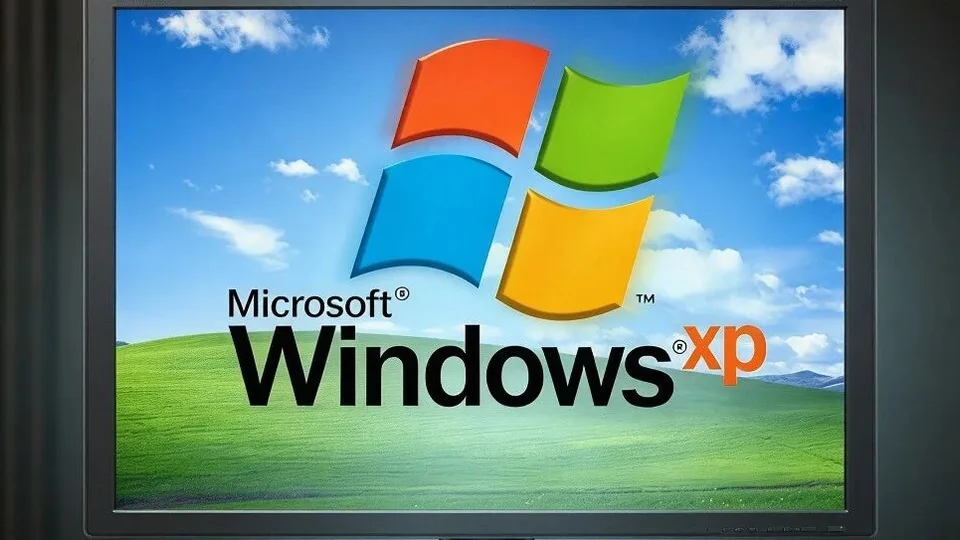
Windows XP achieved legendary compatibility by using a hidden database of shims that lied to applications about the OS version and even emulated the Windows 95 heap manager, allowing broken apps to run unmodified while Microsoft prioritized user upgrades over blocking flawed software.
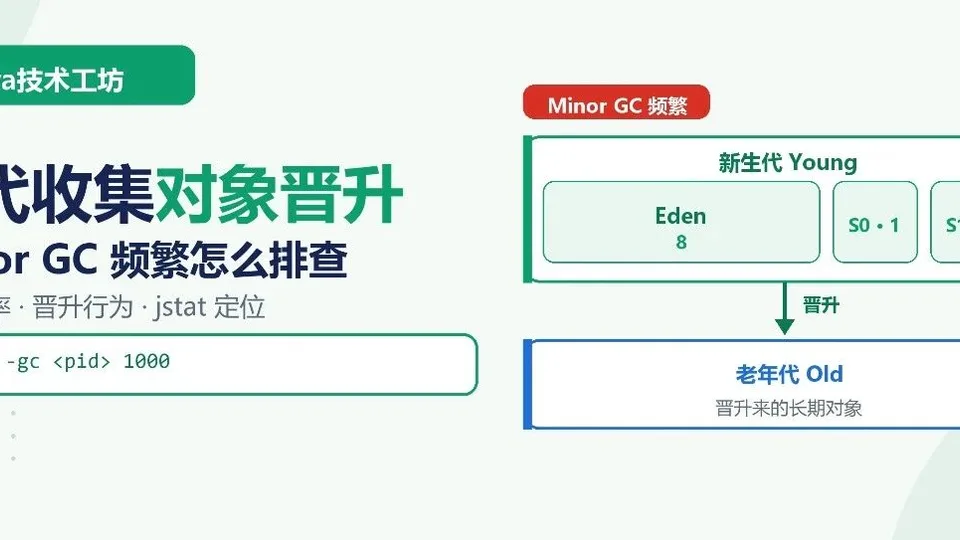
This article explains why frequent Minor GC in Java applications stems from high object allocation rates or premature promotion to old generation, not heap size, and details generational collection mechanics, promotion thresholds, dynamic age judgment, and troubleshooting using jstat, GC logs, and AsyncProfiler to pinpoint allocation hotspots.
This comprehensive illustrated reference covers Vim's core keybindings across progressive learning levels — from basic navigation and editing to advanced visual mode operations — with practical examples for character, word, line, and screen movement, text insertion, editing, search, and file management.
A reflection on Charlie Munger's core principles — lowering expectations to match reality, using inversion thinking to avoid fatal errors, pursuing rationality as a moral habit, and leading by example — drawn from his speeches on happiness, parenting, investing, and decision-making.
This article traces how C's design — pointers, portability, and a minimal abstraction layer — made it the ideal language for OS kernels, from Unix's 1973 rewrite through Linux's adoption, cementing its dominance despite newer systems languages.
The article applies recommender system concepts — content pool, feature tagging, indexing, recall, and ranking — to personal knowledge management, advising readers to annotate saved resources with specific problem contexts, build a searchable index, and use AI for summarization and retrieval so that collected materials become actionable when needed.
This article introduces Mission Engineering through a coffee-making analogy, emphasizing that completing steps doesn't guarantee mission success; it outlines a structured approach using a Mission Description Card to define goals, stakeholders, constraints, and success criteria, and advocates iterative experimentation over rigid processes.
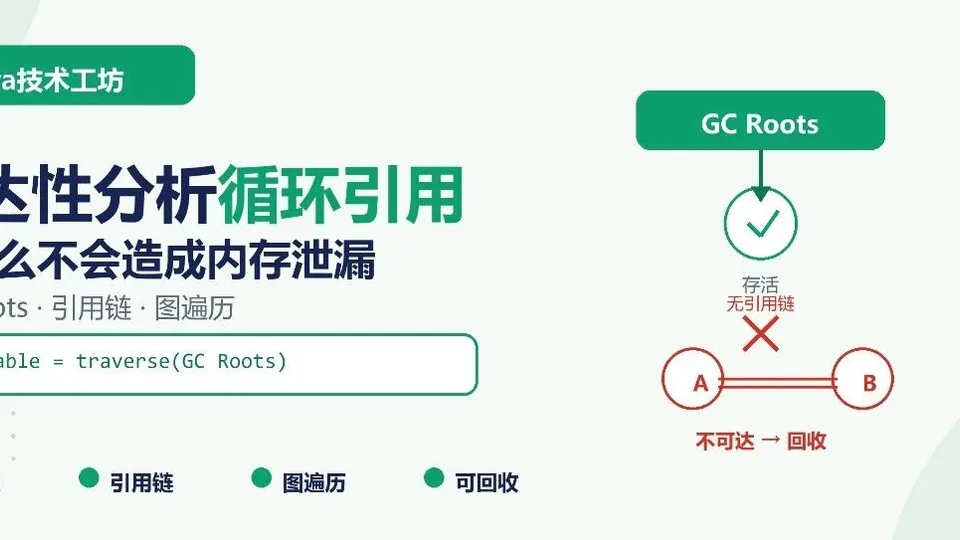
This article explains how Java's reachability analysis garbage collection handles circular references, contrasts it with reference counting's failure on cycles, details GC roots, three-color marking, finalize() resurrection, and identifies real memory leak patterns caused by lingering root references.
This article explains Linux system architecture covering kernel components (memory, process, device, network management), virtual file system (VFS), disk partitioning, mounting, inode/data block storage, hard vs soft links, and kernel parameter tuning via /proc.
This article introduces five mobile apps — c4droid for C/C++, AIDE for Java, QPython3 for Python, w3cschool for web development, and Termux for Linux — with installation steps and basic usage guides for learning programming on smartphones.
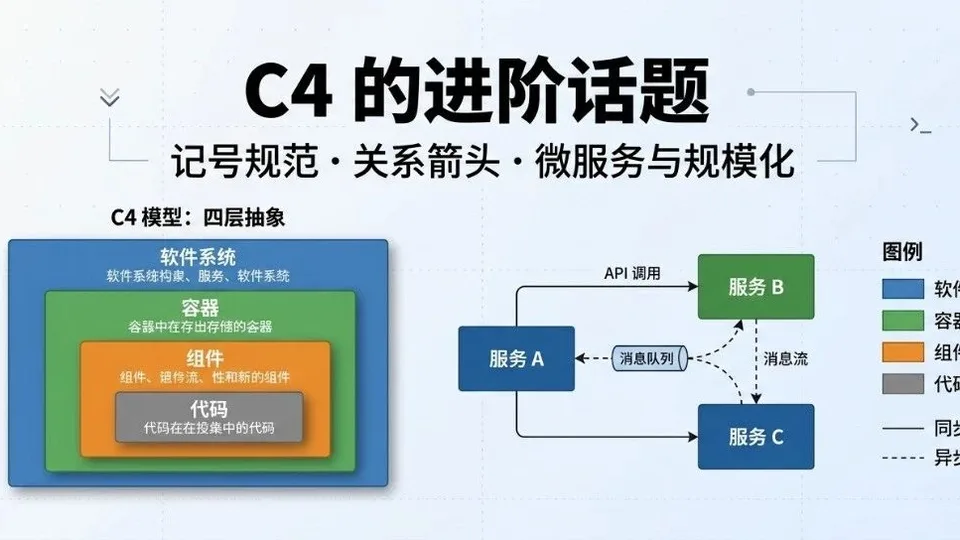
This article explores advanced C4 model topics including notation independence, element and relationship design, microservices and message-driven architecture modeling, scaling techniques for large systems, and a diagramming maturity model for engineering teams.
A geometric analysis shows that a 60cm egg tart's crust-to-filling ratio is dictated by cross-section width and depth, not length; puff pastry expansion and tilt during filling further reduce the effective filling volume.
This article explains Java's CountDownLatch synchronization tool using a meeting analogy, demonstrates its usage with a Java 17 code example simulating attendees arriving at a meeting, and describes a real-world batch translation scenario where the main thread waits for multiple concurrent translation tasks to complete.
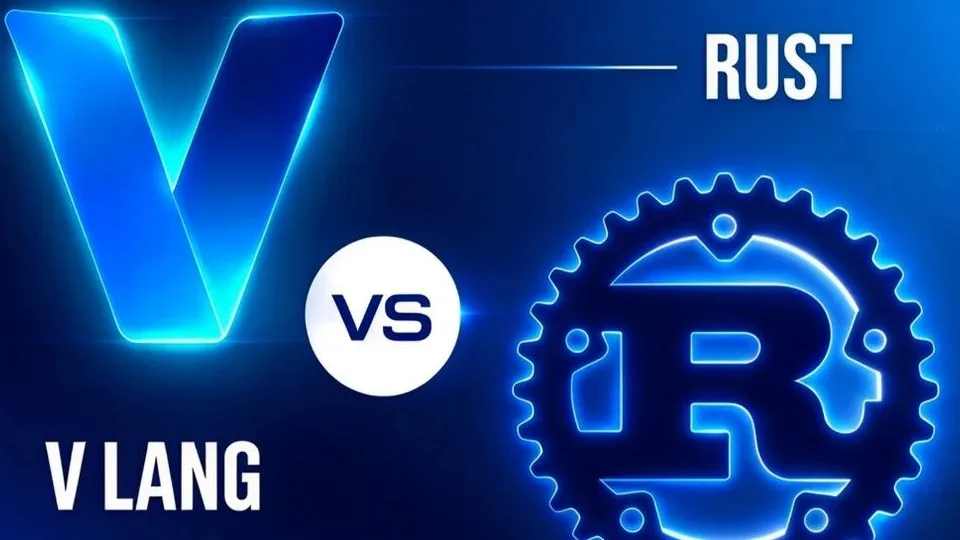
Evan Ovadia, creator of the Valen language, develops a "Golden Spike" plan to enable direct cross-language generics between Valen and Rust by embedding rustc as a library and patching the Rust compiler to hand off non-Rust types to the Valen compiler, bypassing C ABI limitations.
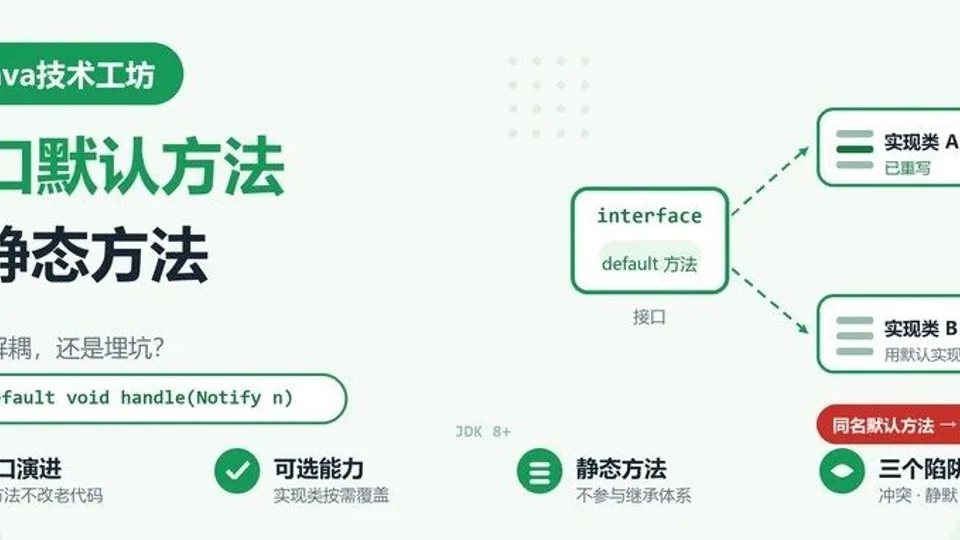
This article analyzes Java 8+ interface default and static methods, explaining their original purpose for backward-compatible interface evolution, valid use cases like optional capabilities and mixin-style derived methods, and common pitfalls including hidden assumptions, silent failures, fixed workflows that prevent customization, and binary vs semantic compatibility issues. It includes a real-world refactoring example for payment callback handlers.
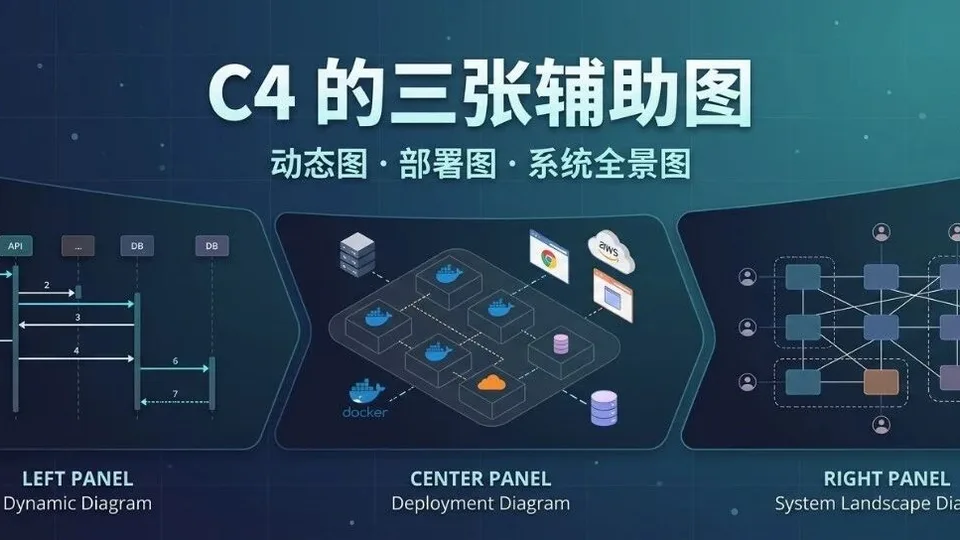
This article explains C4 model's three supplementary diagrams—Dynamic, Deployment, and System Landscape—detailing their purpose, scope, notation, and practical examples using an internet banking system to illustrate runtime interactions, multi-environment deployments, and enterprise-wide system relationships.
The article argues that creators of foundational software like Linux, Python, Redis, Nginx, and SQLite are true geniuses due to their exceptional abstraction skills and system-level boundary control, illustrated by real-world cases where their minimal, convergent designs outperform modern complex solutions, and warns that over-reliance on AI tools erodes deep system understanding essential for solving hard production issues.
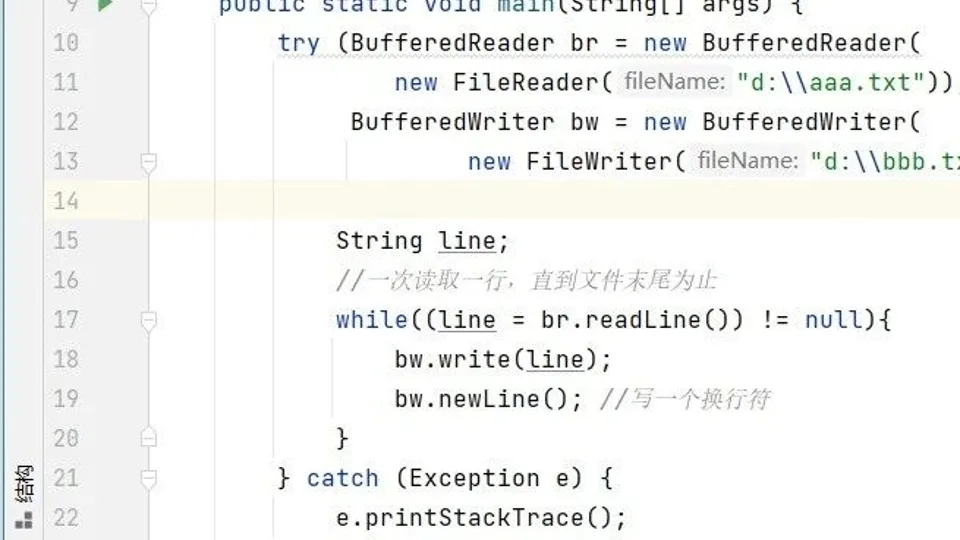
This tutorial covers Java's three main IO stream types—byte, character, and conversion streams—demonstrating low-level vs high-level stream performance with file copy benchmarks, text file processing, console input handling, and character encoding conversion solutions.
Java 27 introduces four production-ready features requiring no code changes: compact object headers reduce heap usage by 22% and object header size by 33%, G1 becomes the universal default garbage collector, TLS 1.3 adds hybrid post-quantum key exchange, and JFR sanitizes sensitive data before leaving the process.