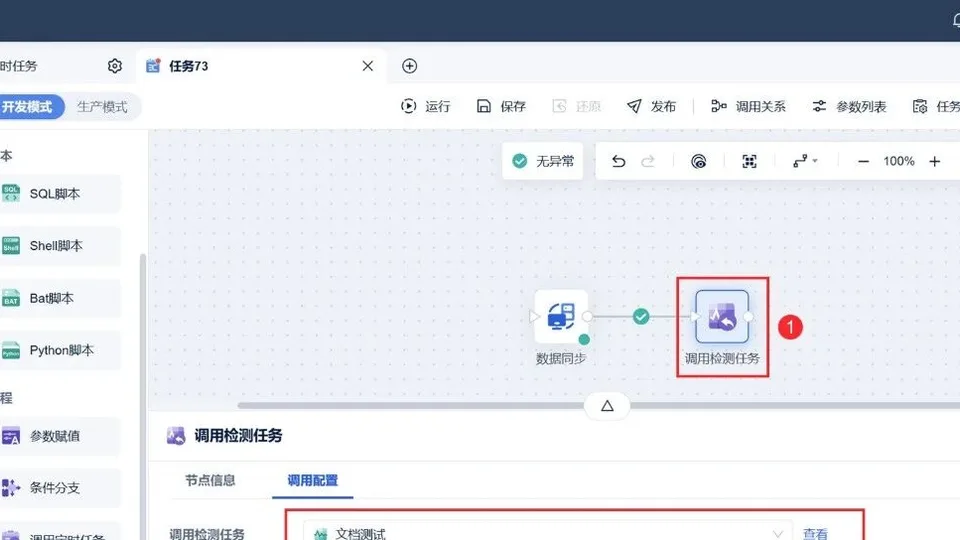
Enterprises often start data governance with standards, yet the real challenge is answering “Is this data accurate?” – a challenge solved by a continuous mechanism that discovers, locates, resolves, and verifies issues across six dimensions (completeness, consistency, accuracy, uniqueness, timeliness, validity) and follows a five‑step governance loop.
The article argues that while AI can generate code rapidly, it amplifies bad code and technical debt, so solid fundamentals, architecture, and disciplined practices like TDD—applied judiciously—remain essential for maintainable software, with four typical AI coding failures and three practical collaboration models outlined.
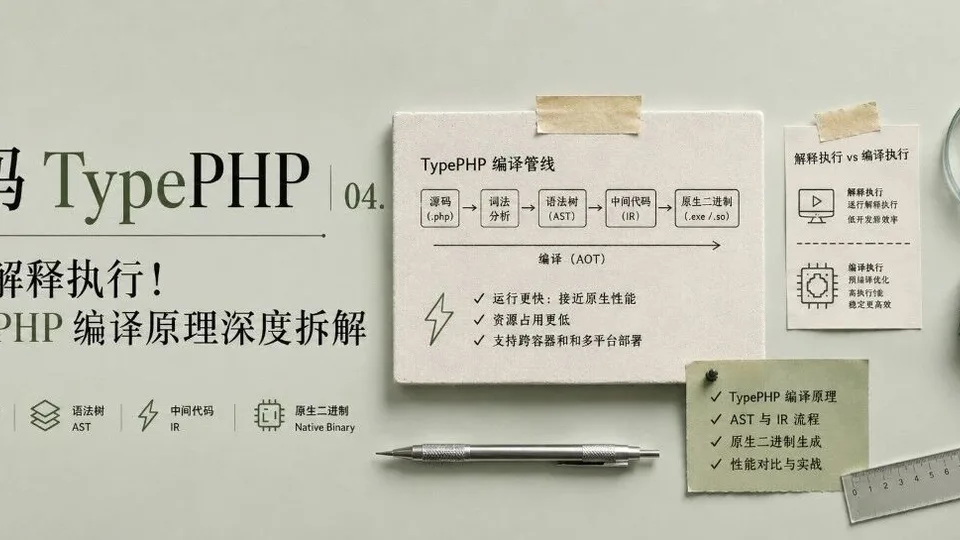
TypePHP transforms PHP code into native binaries through a four‑stage offline pipeline—prepare, convert, compile, and build—leveraging C++ translation, system compilers, and linking, while preserving runtime flexibility via three execution modes and offering tools like the --dry flag to inspect generated C++ code.
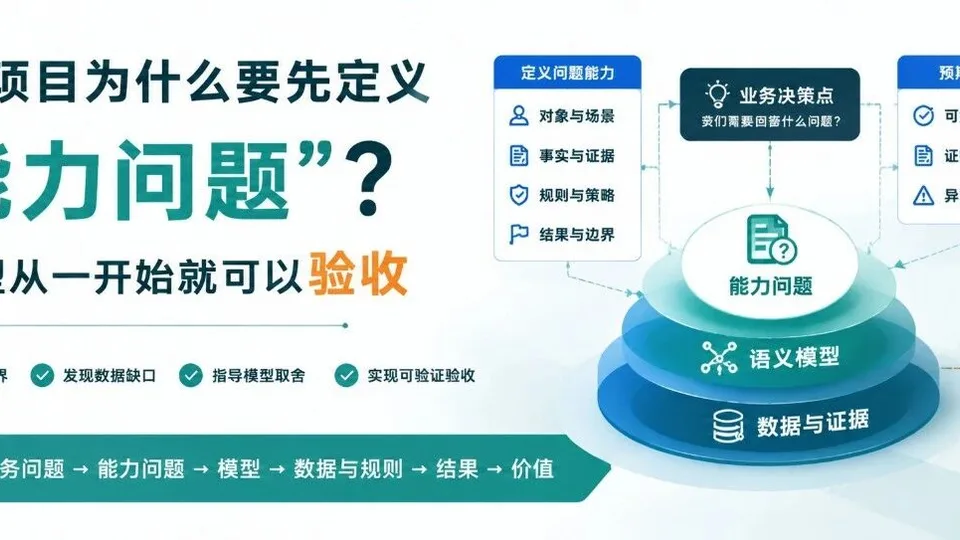
This article explains why ontology projects should define competency questions before modeling, detailing how these verifiable business questions constrain scope, expose data gaps, guide modeling trade-offs, and enable repeatable acceptance testing through traceability to data, rules, evidence, and test cases.
The article examines the five‑year rejection and six‑year hidden use of Go’s net/url Clone method, presents benchmark data showing it’s up to seven times faster than Parse‑String, recounts the proposal’s history, the internal cloneURL implementation, and explains when the new API is truly beneficial.
The article walks through four carefully designed JMH benchmarks—method inlining, SIMD vectorization, lock elimination, and a Netty AsciiString regression—to show how JVM JIT optimizations appear in assembly, explain the performance impact (up to 1500×), and demonstrate how to diagnose and fix real‑world issues using assembly analysis.
The article explains why most teams struggle with test automation, outlines what automation actually is and isn’t, compares manual and automated testing, details test types and the test pyramid, and provides a three‑criteria framework plus tool‑selection guidance to help teams prioritize and implement sustainable automated testing.
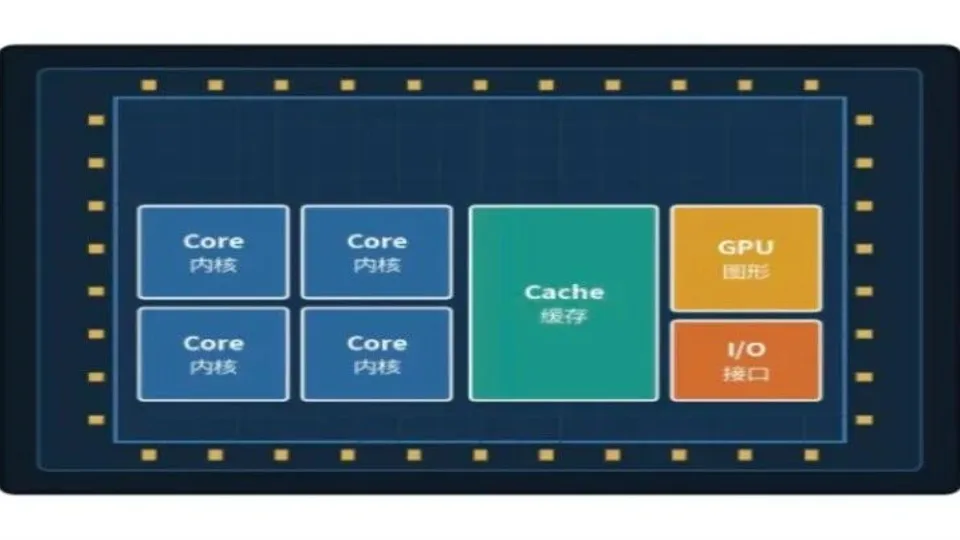
The article explains that CPUs act as a few powerful “professors” optimized for low‑latency single tasks, while GPUs are thousands of simple “students” built for high‑throughput parallel workloads, making GPUs ideal for cryptocurrency mining and large‑model training.
Go 1.27, released on August 20, introduces generic methods, a revamped JSON v2 library, up to 30% faster small‑object memory allocation, a universally available goroutine‑leak profile, new cryptographic packages, a built‑in UUID library, experimental SIMD types, and numerous standard‑library and toolchain enhancements.
The article argues that truly good code is measured by how rarely developers need to revisit and modify it, emphasizing design and programming techniques that make systems resilient to exceptions and adaptable to business changes without frequent code changes.
This article introduces Python's regular expression engine, explains the special characters ^, ., and * with clear examples, and demonstrates how they can be used to match and extract specific patterns in web‑scraped text.
This article walks through the entire chip design process—from silicon material and doping, through logic gates and processor building blocks, to hierarchical design flow, layout planning, multi‑metal interconnects, and the impact of photolithography on yield—while offering a downloadable PDF reference.
The article explains why ordinary heap allocation can cause fragmentation and slowdown, introduces the C++ allocator interface and its allocate/deallocate functions, shows how to implement a custom stack‑based allocator, compares traditional allocators with C++17 polymorphic memory resources (PMR), and provides practical code examples, performance benchmarks, and best‑practice guidelines.
Polonius Alpha, the flow‑sensitive next‑generation borrow checker for Rust, has arrived in the Nightly channel, promising to accept code previously rejected by the flow‑insensitive NLL checker, with performance impact largely negligible across thousands of popular crates, while still offering a way to disable it.
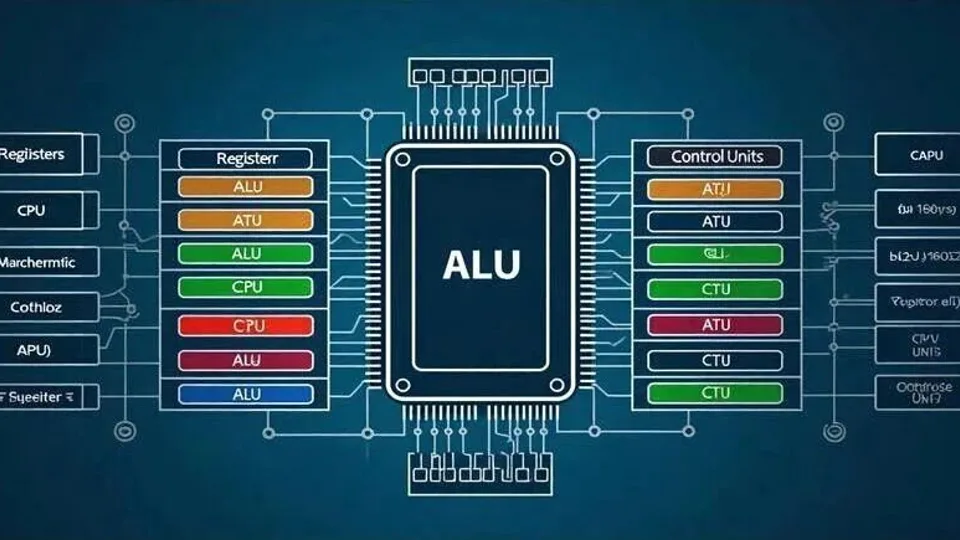
This article walks through the internal structure of a CPU—explaining the roles of registers, the arithmetic‑logic unit, the control unit, cache hierarchy, bus interface, clock, and pipeline—using diagrams, code snippets, and concrete examples to illustrate how each component works together.
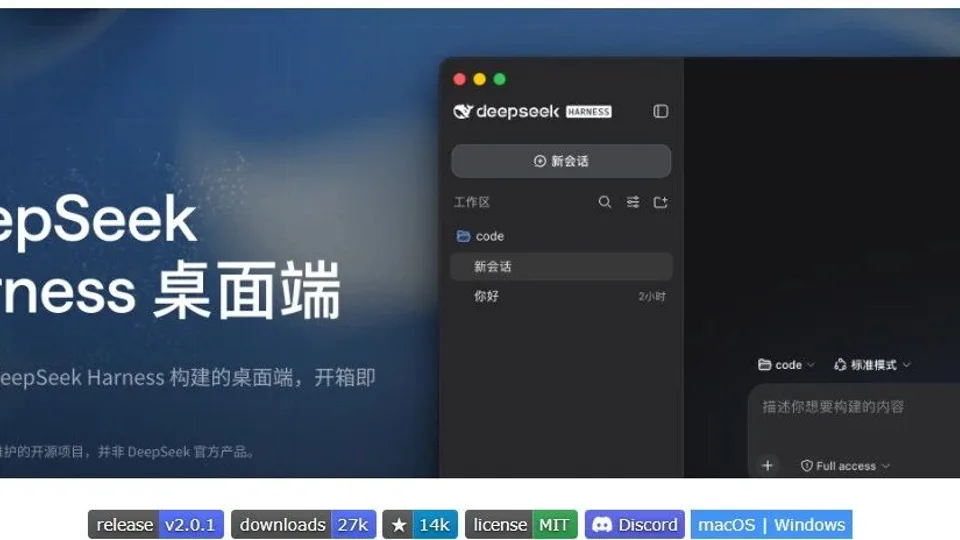
DSH Desktop is an open‑source Thin‑Electron client that treats desktop capabilities—window, tray, terminal, updates, and configuration—as first‑class DSH plugins via the Cordis host, offering installation rollback, startup recovery, and safeguards against accidental plugin disabling.
The article explains core forex concepts—including currency‑pair structure, base and quote currencies, major/minor/exotic classifications, direct and cross quotes, exchange‑rate types, margin mechanics, margin calls, stop‑out, slippage causes, and order‑type differences—providing a solid foundation for system analysis.
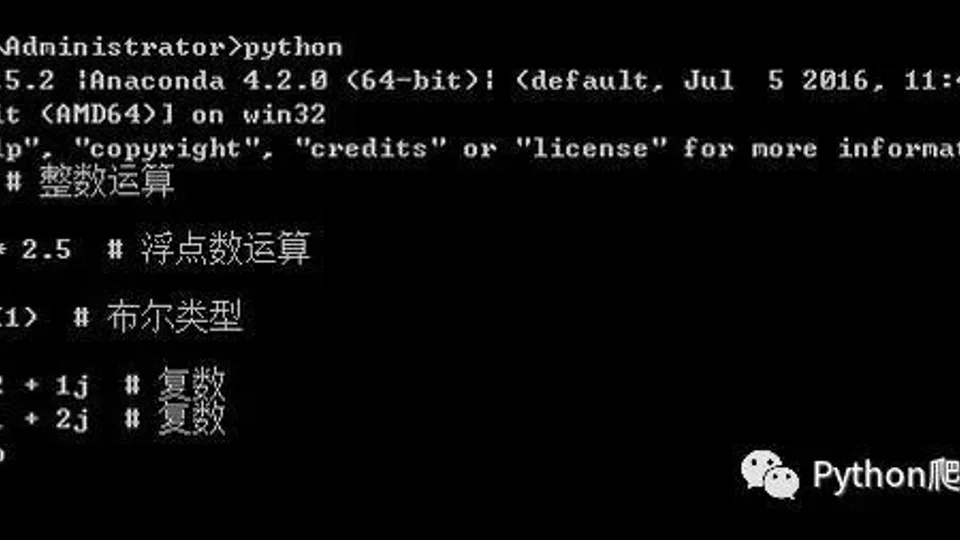
This article explains Python's built‑in object model, focusing on simple numeric types—int, long, float, complex, bool—and their literal forms, division behavior differences between Python 2 and Python 3, as well as fractions, boolean values, and complex number operations.
This article explains why architecture style selection has no standard answer, detailing the forces driving architectural trends, the prerequisite analysis of domain, characteristics, data, cloud, organization, and processes, and the three key decisions between monolith vs distributed, data placement, and synchronous vs asynchronous communication.
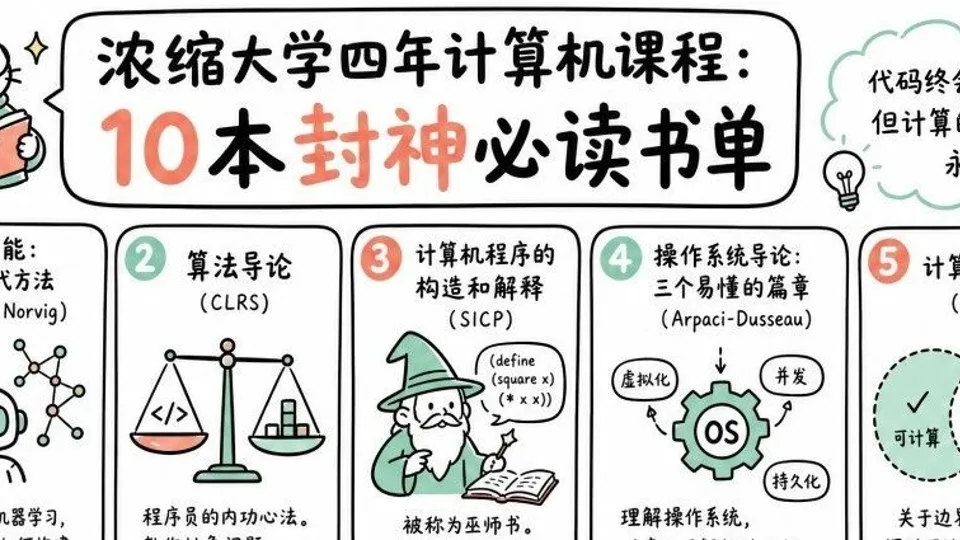
The article presents a concise learning roadmap that condenses four years of computer science curricula into ten essential books, each mapped to a specific layer of system architecture—from hardware and operating systems to algorithms, distributed systems, and AI—helping students and professionals build a complete foundational knowledge base without fragmented short‑video learning.