The article defines a time slice (time quantum) as the fixed CPU interval allocated to each ready process in a time‑sharing scheduler, explains its role in round‑robin and CFS algorithms, discusses size trade‑offs, Linux implementation details, context‑switch costs, and typical interview follow‑up questions.
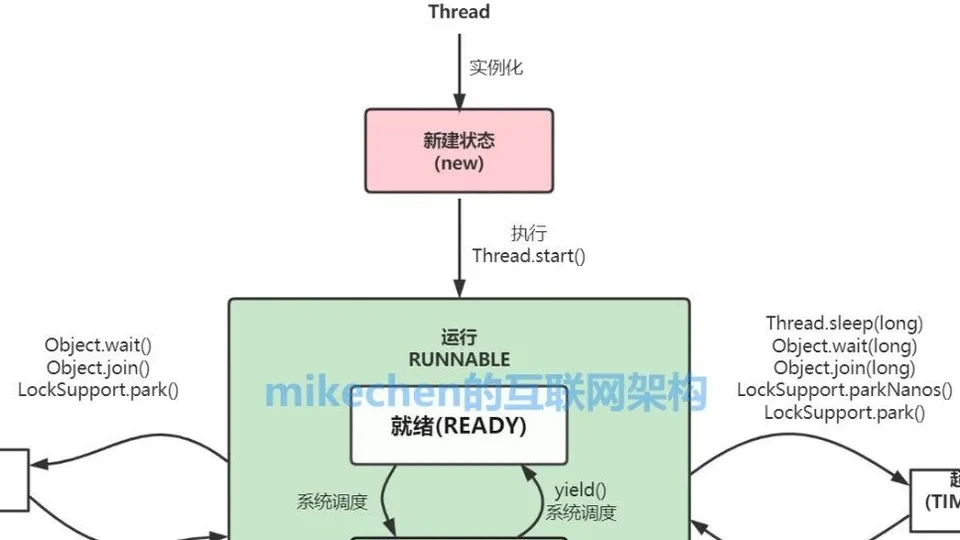
This article provides a comprehensive explanation of Java's six thread states—New, Runnable, Blocked, Waiting, Timed Waiting, and Terminated—with visual diagrams illustrating each state's transitions and typical triggers such as lock acquisition, wait/notify, and timeout mechanisms.
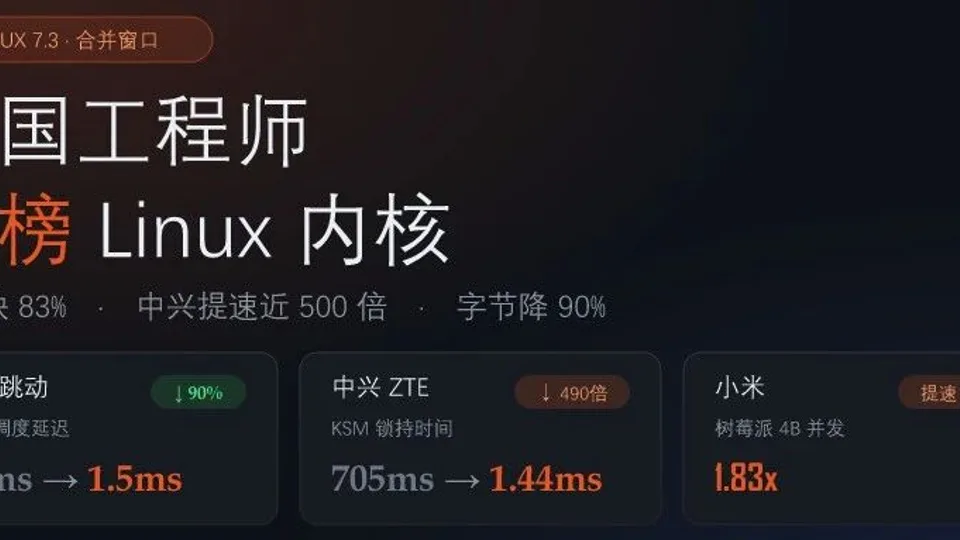
Linux 7.3’s merge window showcases major performance patches from Chinese teams—ByteDance slashing SMP latency to 1.5 ms, ZTE cutting a 705 ms lock to 1.44 ms, and Xiaomi improving zsmalloc speed up to 1.83×—while Linus Torvalds, aided by Gemini AI, fixed a one‑character bug in the Intel Xe driver, and the release adds features like sched_ext, AMD UALink, Rust on PowerPC, and filesystem throughput boosts, positioning 7.3 as a strong LTS candidate.
The article explains how null values cause NullPointerException, unpredictable behavior, and resource leaks in Java, and presents twelve practical techniques—including Optional, annotations, null‑safe APIs, custom helpers, exception handling, the Null Object pattern, third‑party libraries, documentation, code reviews, testing, static analysis, and IDE support—to prevent and resolve these issues.
The article analyzes NVIDIA's Maxwell GM200 architecture, detailing how splitting each SM into four independent processing blocks improved scheduling efficiency and core utilization, boosting FP32 performance to 6.84 TFLOPS on the Tesla M40 — a 20x increase over 10 years — while highlighting limited FP64 capability and memory bandwidth scaling challenges.
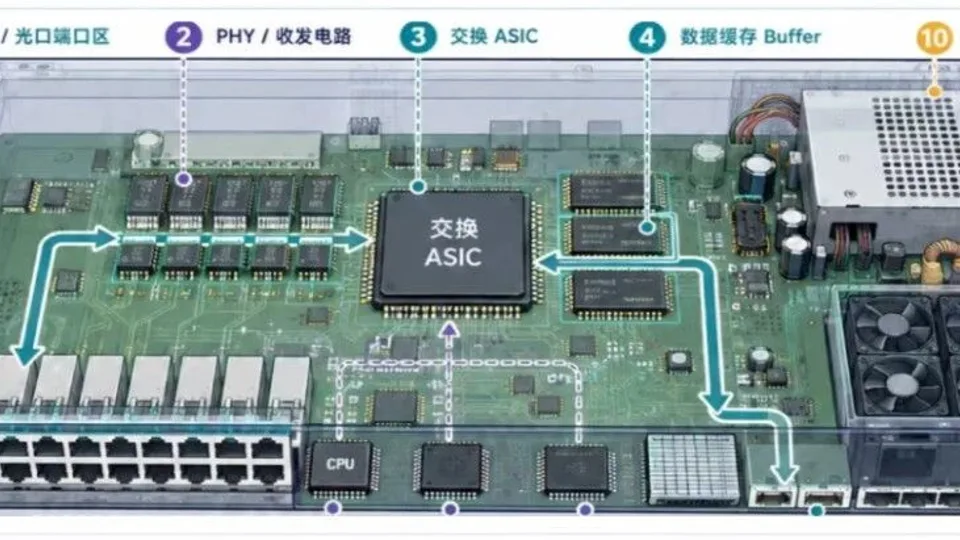
The article dissects a network switch to reveal its core ASIC, PHY chips, packet buffer, CAM‑based MAC address table, CPU and management ports, then follows a data frame through learning, table lookup, and forwarding decisions—including unicast, unknown‑unicast flood, broadcast/multicast flood and filtering—while noting advanced features such as static MAC entries and MAC‑migration suppression.
The article breaks down the four layers of enterprise digital architecture—business, application, data, and technology—explaining each layer's purpose, scope, key deliverables, and how they interrelate from top‑down direction setting to bottom‑up technical support, illustrated with a shopping‑center analogy and a campus ordering system case study.
The article explains why CPU caches are needed, describes the three‑level cache hierarchy, locality principles, cache line size, mapping methods, replacement and write policies, and shows how cache hit rates and access patterns directly affect program performance.
The article explains that a false if constexpr condition does not magically erase the other branch; the compiler still performs semantic checks on non‑dependent code, and the real difference lies in how SFINAE discards whole overload candidates while if constexpr only discards statements after overload resolution.
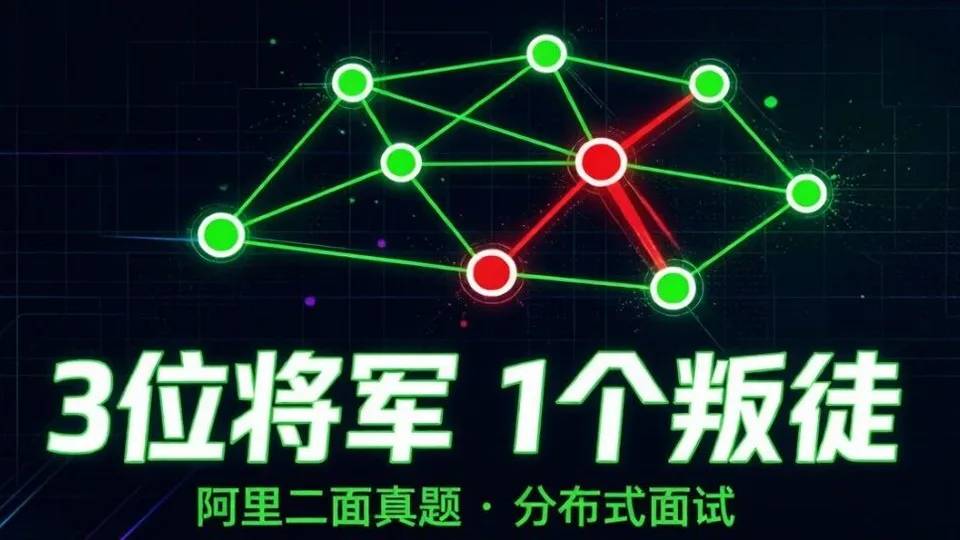
This article explains the Byzantine Generals Problem, showing why 3 generals cannot tolerate 1 traitor, proving the N ≥ 3m+1 bound, contrasting oral vs signed messages, providing a Java simulation, comparing crash vs Byzantine fault tolerance, and offering an interview answer template.
This article explains the four Maven dependency scopes—compile, provided, runtime, and test—by describing when each jar is available during development, testing, runtime, and packaging, illustrating each with concrete examples and a helpful movie‑production analogy.
This article explains the four main components of a Linux system—kernel, shell, file system, and applications—detailing kernel subsystems, memory and process management, the virtual file system, device drivers, network stack, mounting mechanisms, partition types, link types, and common administration commands.
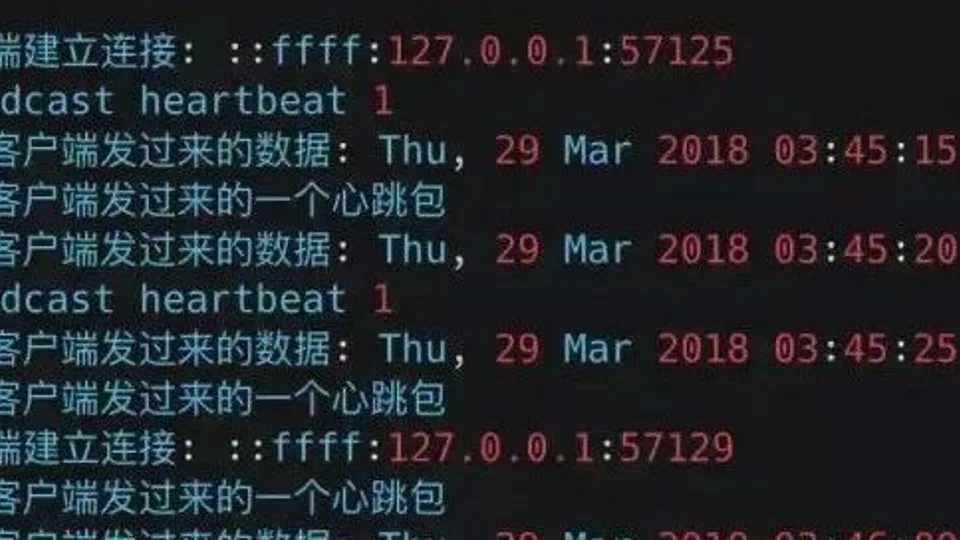
This article walks through the OSI model, explains TCP's three‑way handshake and four‑way teardown versus UDP, clarifies TIME_WAIT behavior and kernel tuning, compares short and long socket connections with heartbeats, and demonstrates building a custom protocol and a Node.js socket connection pool using generic‑pool.
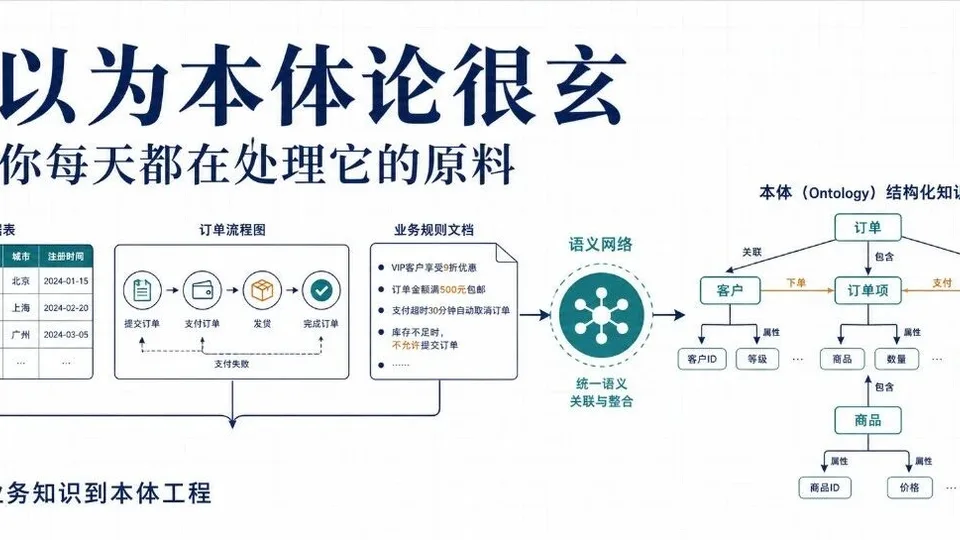
This article explains that ontology modeling uses familiar business objects, attributes, relationships, and constraints from daily data and process work, but adds cross-system unified semantics, explicit computable constraints, machine verification, and continuous operations to enable data, rules, systems, and AI agents to collaborate on a shared business world.
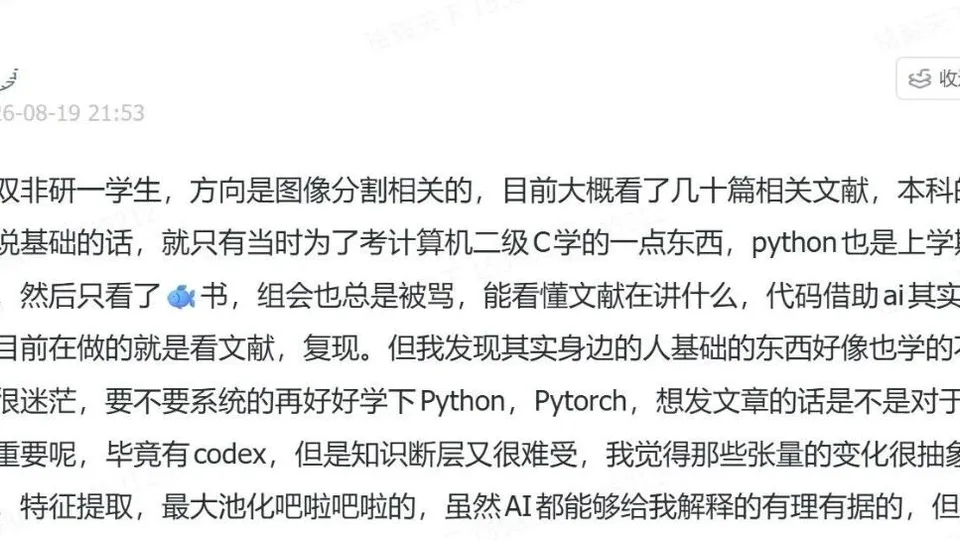
The article argues that despite AI tools, solid fundamentals, the ability to verify AI outputs, and a systematic, output‑driven learning approach remain essential for deep technical competence and critical thinking.
This comprehensive guide covers Java interview essentials including JDK/JRE/JVM differences, JDK 8-21 version evolution with key features like Records, Sealed Classes, Pattern Matching, Virtual Threads, and core topics such as String immutability, equals/hashCode contract, OOP principles, exception handling, reflection, serialization, and IO models.
The article explains how multi‑core CPUs overcome single‑core performance limits by distributing work across several cores, covering architecture, homogeneous vs. heterogeneous designs, Amdahl’s and Gustafson’s laws, programming challenges, cache‑coherency protocols, and real‑world applications.
This article details a seven-step methodology to transform business research findings into verifiable business models ready for ontology engineering, using an order fulfillment risk case study to illustrate object identification, rule definition, evidence mapping, and validation through competency questions and boundary samples.
The article explains how superscalar pipelines execute multiple instructions per cycle and how superpipelines increase clock frequency by adding more stages, compares their trade‑offs, shows historical evolution, and describes how modern CPUs combine both techniques along with out‑of‑order execution to boost IPC while facing power and complexity challenges.
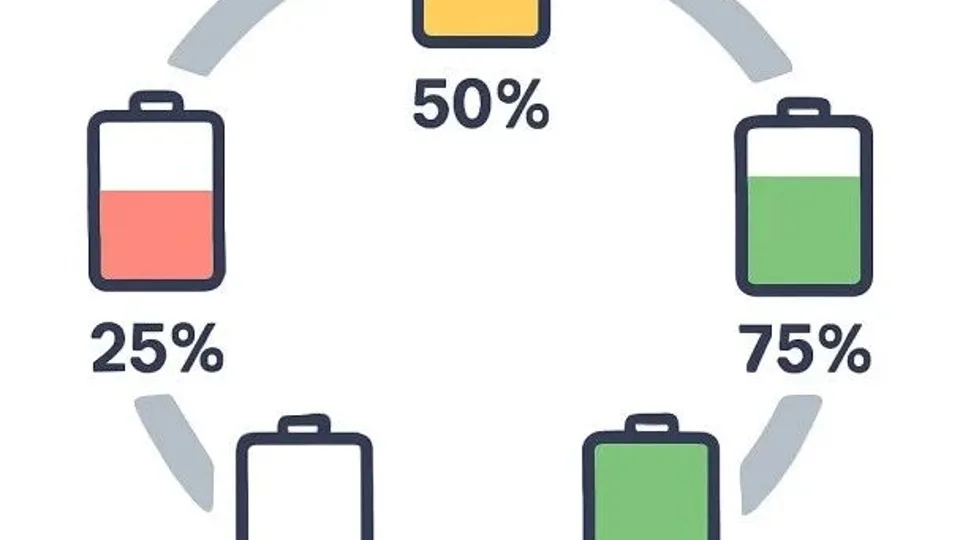
The article explains that battery health reflects remaining capacity while cycle count only shows usage mileage, and it details how temperature, charge level, and usage patterns affect health more than the number of cycles, offering practical guidance for users.