Godot 4.0, the biggest and longest‑developed version of the open‑source game engine, introduces new Vulkan back‑ends, an OpenGL compatibility renderer, advanced global illumination, enhanced 2D tilemap tools, sophisticated shader and post‑processing features, plus extensive updates across scripting, physics, UI, XR, networking, audio and animation.
This article details how the Oasis Engine team tackled the technical and artistic challenges of building a large‑scale, multiplayer, third‑person virtual park for the Alipay Fortune event, covering architecture, scene splitting, asset loading, custom materials, digital human integration, networking, behavior management, and extensive performance optimizations.
The article describes the design and implementation of Taobao Dou Dizhu’s new single‑player endgame mode, which generates daily unique puzzles with a guaranteed single solution, manages activity triggers, Redis caching, AI interaction, fault tolerance, consistency, and reward idempotency, boosting user retention during promotions.
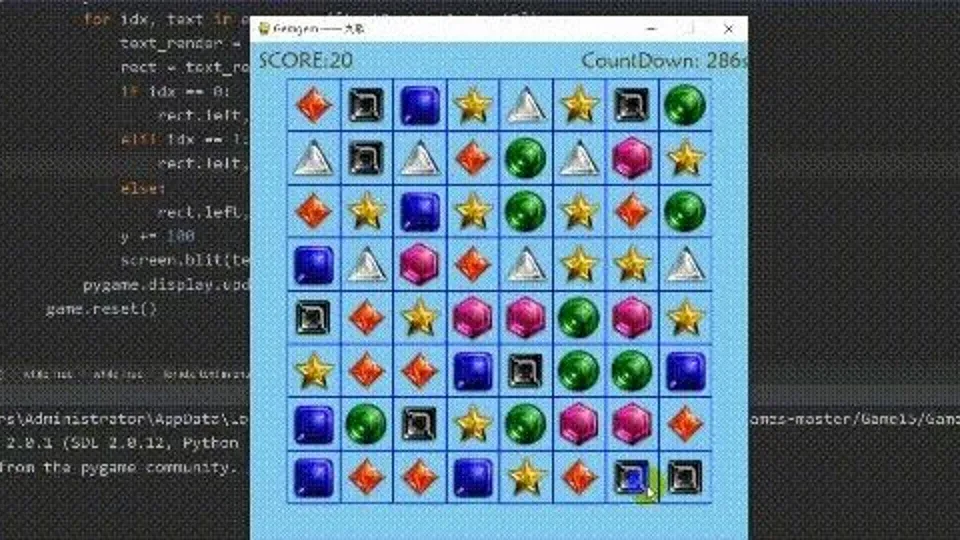
This article presents a series of Python mini-game tutorials, including code for coin-collecting, ping-pong, skiing, space shooter, whack-a-mole, dinosaur runner, match-3, Tetris, snake, 24-point puzzle, alien invasion, tic-tac-toe, and more, offering complete source files and gameplay explanations.
This article examines PlayMaker, the popular Unity visual state‑machine tool, explaining its core concepts, editor features, extensibility, collaboration benefits, limitations, and how it differs from other visual‑scripting solutions, while highlighting real‑world game examples and technical insights.
This article explains how to use the Spine 2D skeletal animation framework to implement a flexible, runtime face‑customization and outfit‑changing feature on mobile platforms, covering basic concepts, code examples, resource handling, memory optimizations, and platform‑specific integration challenges.
For Taobao’s 2022 Double 11 interactive games, a comprehensive QA approach combined online stress testing, reinforcement‑learning‑driven case generation, and systematic fault injection—addressing high‑concurrency, data‑consistency, and client‑performance risks through traffic shaping, data and middleware isolation, and automated tools (Wali, DaBai) that delivered over 60 smoke cases, 76 % coverage and 82.6 % fault detection.
This article explores the origins and varieties of traditional games, explains their fundamental components such as mechanics, story, aesthetics and technology, and analyzes player types and fun classifications to illustrate how these timeless activities inform modern game design.
This article reviews the evolution of Chinese SLG mobile games, analyzes the underlying coordinate and path sand‑table types, examines map‑element visual and interaction design, explores the semantics of march markers, and discusses the recent strategic‑map iteration aimed at balancing player experience and information overload.
This article examines why game companies' servers often avoid microservice architectures, emphasizing the real‑time latency, stateful processing, and networking constraints that make traditional microservice approaches unsuitable for high‑performance game back‑ends and why alternative designs such as custom TCP solutions or stateful server clusters are preferred.
The article examines the unique QA and testing challenges of Taobao’s Mini Program game ecosystem—such as incomplete container tools, lacking engine standards, and diverse usage patterns—and proposes solutions including a dedicated testing infrastructure, performance standards, automated integration, proactive monitoring, fault simulation, and future enhancements.
This article introduces a Unity‑based UI performance testing framework, covering essential Unity concepts, asset bundle loading, memory management, used vs reserved memory, framework architecture, data collection methods such as panel screenshots and opening latency, and visualization techniques for analyzing draw calls, memory trends, and performance regressions.
The article explores how Metroidvania titles achieve smooth player experience by implementing tolerant input mechanics such as Coyote Jump, input buffering, input comparison, speed bumps, compressed colliders, and controlled acceleration, emphasizing the balance between hard and soft interaction to keep gameplay fluid and enjoyable.
This article explains why time‑zone consistency is crucial in games, illustrates common pitfalls with UTC and local times—including daylight‑saving effects—and provides best‑practice guidelines for storing timestamps in UTC, preserving zone information, and displaying user‑friendly times to avoid data errors and user confusion.
This article outlines the various types of game storylines and provides a comprehensive checklist of testing points—including text, dialogue, subtitles, tasks, voice‑over, music, character actions, special effects, animation, camera work, map resources, NPC placement, items, mini‑games, and sharing features—to help QA teams ensure a smooth and immersive player experience.
The article reflects on developing mobile 3D games, advising developers to choose between lightweight libraries like Three.js and full‑featured engines such as Babylon.js, weigh web, native, or hybrid deployment, adopt appropriate technical trade‑offs, and build a well‑structured 3D team with clear roles to balance performance and visual quality.
This article describes how a game development team designed, implemented, and continuously improved a static checking framework for Unity assets and code, covering pre‑submission hooks, post‑submission scripts, daily checks, CI/CD integration, UI enhancements, and lessons learned for better quality assurance.
Vivo’s Game Center created a low‑code, component‑based platform that lets operators visually assemble pages from meta‑components and dynamic data sources, using QLExpress, Dubbo and Flutter, cutting development cycles by up to 75 %, quadrupling server‑side efficiency and boosting testing and operational productivity dramatically.
John Carmack, the pioneering CTO behind Oculus Rift, announced his departure from Meta, citing inefficiencies, internal battles, and a shift toward affordable VR hardware, while also highlighting his new focus on AGI through his startup Keen Technologies.