Version 0.7 of the open‑source Oasis Engine introduces a suite of enhancements—including a new text renderer, ClearCoat PBR material, dynamic PhysX colliders, expanded BlendShape support, HDR skybox loading, keyboard interaction, and API refinements—plus comprehensive documentation and example updates for developers.
This article outlines practical strategies for organizing, reducing, and testing art assets in game development, covering resource reference standards, systematic reduction workflows, timely management of seasonal assets, detailed QA testing guidelines, and solutions to common testing challenges.
This article presents a complete Python pygame implementation of a classic 'Plane War' game, detailing background music integration, enemy destruction effects, scoring system, and player controls, and provides the full source code spanning over three hundred lines for readers to study and run.
This article examines common risks associated with game art assets, presents real-world external case studies of asset‑related failures, and outlines systematic static and dynamic inspection methods across production, upload, and packaging stages to improve quality, performance, and player experience.
This guide shows how to install and run a collection of classic Linux terminal games—including Bastet (a Tetris clone), Pacman4Console, nSnake, 2048, Nudoku, Moon‑Buggy, Ninvaders, Ascii‑Patrol, Greed, and BSD Games—on Debian/Ubuntu or Fedora/RHEL/CentOS using simple package commands, providing a fun way to learn the Linux command line.
This article presents a Python-based assistant for the QQ LianLianKan game, detailing environment setup, required modules, and a full script that captures the game window, analyzes tile colors, determines removable pairs, and automates mouse clicks to solve the puzzle, intended for learning purposes only.
This tutorial demonstrates how to use Python and the Pygame library to create a visual simulation of the solar system, covering required assets, step‑by‑step code for initializing the window, loading planet images, calculating orbital positions, adding background music, and running the main animation loop.
This article demonstrates how to build a low‑poly 3D browser game using Three.js, React, and Cannon.js, covering resource loading, scene setup, physics with Heightfield terrain, joystick controls, animation handling, UI flow, and deployment, with full code examples and implementation details.
This article reviews the metaverse's 3D foundations, compares WebGL and several 3D engines—including Unity, LayaBox, Egret, Godot, and BabylonJS—explains the team's technical selection process, outlines development challenges such as model bounds, collision detection, scene switching, and memory usage, and showcases the final BabylonJS demo.
The article shares a QA newcomer’s one‑year reflection on game testing, covering visible vs invisible aspects, the importance of diff analysis, combining black‑box and white‑box testing, systematic test case recording, bug acceptance, and final delivery practices to improve quality in game development.
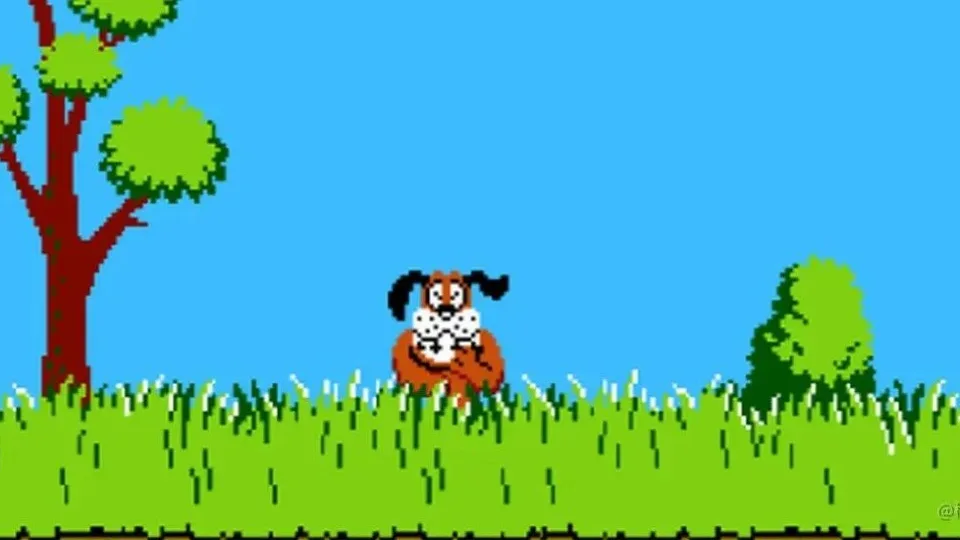
This article walks through building a browser‑based Duck Hunt‑style shooting game using Vue 3 for the UI framework, PixiJS as the rendering engine, and supporting tools such as Vite, SCSS, mitt, and GSAP to handle asset loading, scene management, animations, hit detection, and responsive scaling.
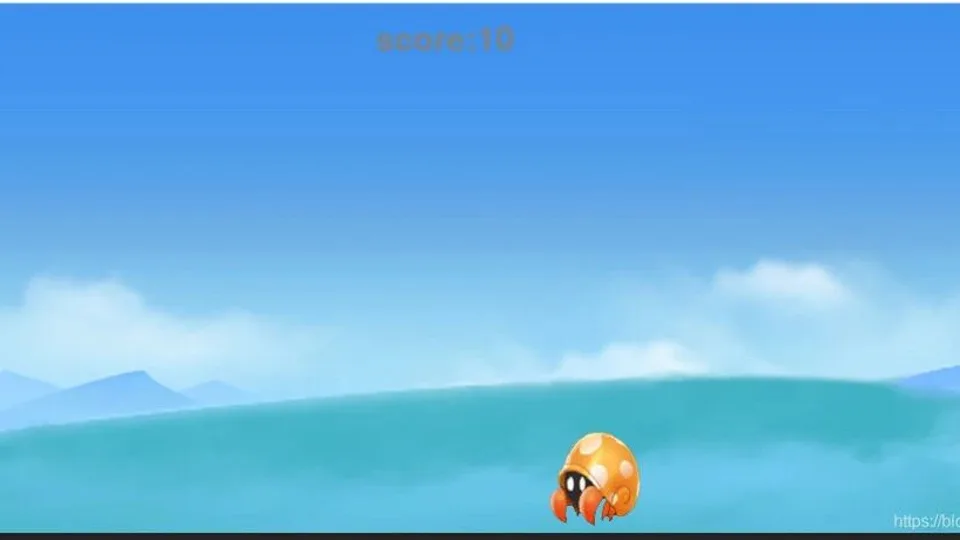
This article presents a full Python pygame implementation of a side‑scrolling runner game, detailing imports, configuration, class definitions for the player, obstacles and background, and the main game loop with input handling, collision detection, scoring and restart logic.
This article walks through creating a navigation mesh and implementing A* pathfinding for a 3D sandbox game using Babylon.js, covering Babylon's built‑in RecastJS features, their limitations, a step‑by‑step custom NavMesh generation, algorithm choices, optimization techniques, and final integration with character movement.
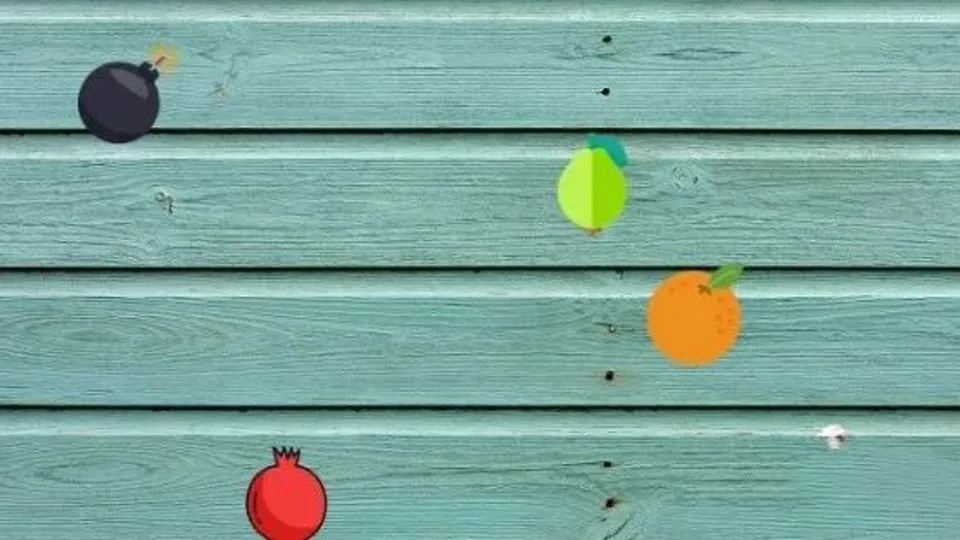
This tutorial walks you through creating a Fruit Ninja‑style game in Python using Pygame, covering required imports, window configuration, random fruit generation, drawing text and lives, handling game‑over screens, and implementing the main game loop with full source code examples.
This tutorial demonstrates how to rotate images in Pygame, correct the rotating center, implement boundary collision detection, and enhance the animation with dynamic background colors and multiple leaf objects, providing complete code examples for each stage.
This article describes how the Same‑City team migrated H5 mini‑games to a native Swift/SpriteKit solution, detailing the mixed Objective‑C/Swift environment, core game architecture, use of Swift functional and generic features, and the resulting improvements in package size, startup time, FPS, and memory consumption.
The article shows how the Lura library uses C++ reflection to build a concise Lua bridge that automatically registers functions, properties, and object lifecycles via userdata and meta‑tables, simplifying bridge code compared to traditional libraries while supporting coroutines and profiling.
This article explains how to convert Transform animations into skinning animations by creating virtual joints, detailing the FBX export workflow, mesh data extraction, joint binding, and animation generation, and discusses hierarchy handling and vertex offset correction for accurate 3D effects.
This article introduces the concept of QA in game development, explains its responsibilities from delivery testing to test delivery, highlights the importance of early requirement analysis, test case design, cost estimation, and collaboration with planners, and reflects on the value and confidence QA brings to the production pipeline.
This article walks through the complete workflow of designing the Tiger Jiji IP, covering concept research, 3D nude modeling, high‑precision sculpting, UV unwrapping with RizomUV, material creation, lighting and rendering using OC, and final animation implementation with Lottie.