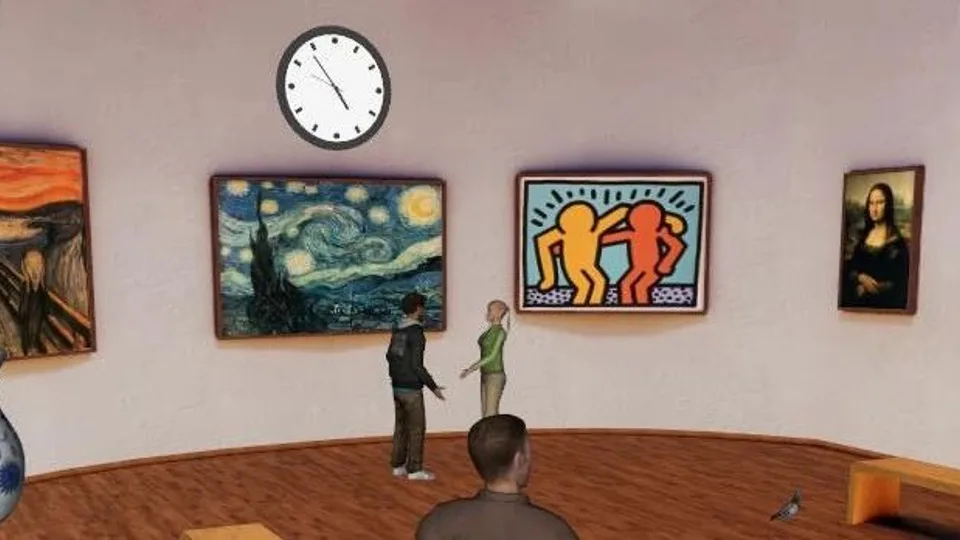
This article introduces Vizard, a C/C++‑based virtual‑reality development platform with Python bindings, and demonstrates how to load avatars and objects, implement a random‑walk pigeon, create talking characters, handle character movement via keyboard, capture mouse motion, and combine these techniques into a functional VR scene.
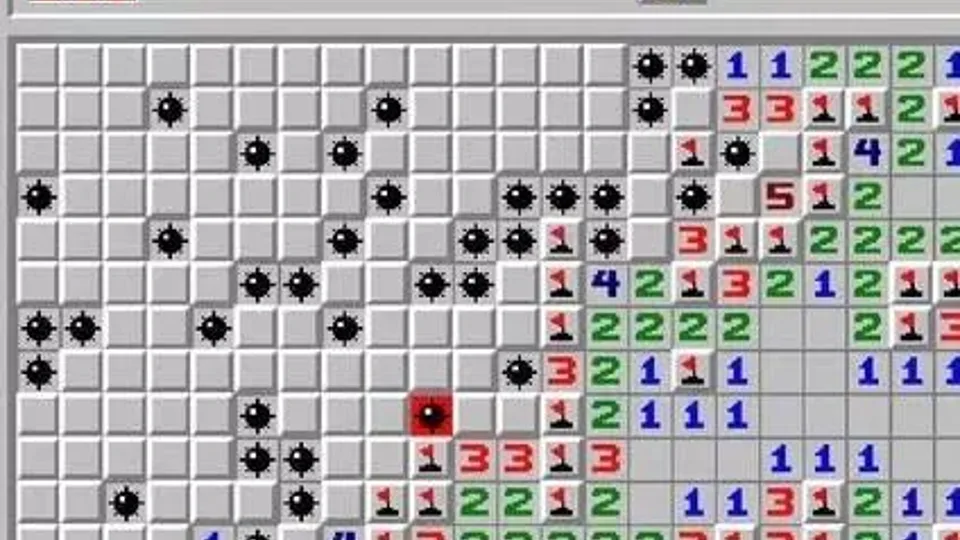
This article explains how to build a Python bot that automatically plays Minesweeper by locating the game window, capturing and analyzing the board image with RGBA values, and simulating mouse clicks using win32api, providing step‑by‑step code and a basic solving algorithm.
This article shares practical experiences and advice from a newcomer functional tester in game development, covering senior guidance, communication bottlenecks, unclear requirements, the need to question design, avoiding cascading bugs, comprehensive test‑case coverage, effective learning, and common automation pitfalls.
The article analyses how non‑player characters (NPCs) create deep emotional experiences in narrative‑driven games by aligning with player expectations in physics, biology and psychology, providing rich backstories, distinct personalities, moral complexity, and interactive AI that supports protection, cooperation, competition, and task assistance.
The article analyses the concept of drop‑rate in games, explains why players frequently complain about “low drop rates”, explores psychological and statistical reasons behind these perceptions, and offers a structured approach for game designers and user researchers to diagnose and improve the underlying gameplay experience.
MarkovJunior, a probabilistic programming language based on Markov algorithms, can automatically create countless non‑repeating 2D and 3D mazes, terrain maps, and circuit diagrams for games, using simple rewrite rules and a single line of code.
This tutorial walks you through the complete workflow of preparing, optimizing, sculpting, organizing, and rigging a 3D donkey character in Cinema 4D, covering topology tools, sculpt mode, skeleton creation, controller adjustment, skin binding, and final animation tips.
This article examines how Zen‑style games such as Unpacking create a unique aesthetic experience by removing conventional constraints, using simple core mechanics, cultural symbolism, and the MDA model to engage players emotionally and intellectually throughout a series of metaphorical moving‑in stages.
This article describes the challenges of handling massive art assets in the Nishuihan MMO, introduces a distributed build pipeline that separates resource processing, incremental packaging, and multi‑machine scheduling, and details a series of optimizations that reduced the overall build time from over ten hours to about one and a half hours while supporting multiple functional teams.
The article explains how C++20 coroutines and the emerging execution framework are used to redesign a single‑threaded game‑server architecture, detailing custom async wrappers, integration with asio and libunifex, job‑type scheduling, example coroutine code, current limitations, and a roadmap toward a simpler, sender/receiver‑based async library.
This article introduces typical subtraction, multiplication, and division damage formulas, explains their design principles, demonstrates practical examples from games such as Arknights and Dota 2, and outlines testing methods, effective metrics, and additional concepts like stacking, round‑table theory, and second‑roll analysis for balanced combat systems.
The article examines Fire Emblem: Three Houses, detailing its shift from pure strategy to a hybrid SRPG, the expanded character development system, the unique protagonist design, deep dialogue and branching storylines, and how player choices shape immersive emotional experiences.
This article provides a comprehensive introduction to Unity memory concepts—including physical, virtual, native, and managed memory—and offers practical optimization techniques for native and managed resources, graphics rendering, and tooling to improve game performance on both desktop and mobile platforms.
The article analyses Wordle’s simple yet compelling daily‑puzzle mechanics, its scarcity‑driven engagement, shareable emoji results, social competition, and how these design choices created viral growth worldwide, while also examining challenges of adapting the game for Chinese audiences.
This article explores the appeal of collecting cards in strategy‑focused trading and collectible card games, examining the distinction between physical TCGs and digital CCGs, the three core pleasures of card games, and how designers balance rarity, value, and gameplay experience.
This article presents a complete Python implementation of the classic Gomoku board game with Pygame, explaining the rules, showing a dynamic demo, providing the full source code for the checkerboard logic, AI opponent, rendering, and instructions for running the game on your own machine.
Moving beyond flat screens, the article describes how voxels—3‑D pixels—are reshaping digital life, highlighting Alibaba’s Taobao team innovations like smartphone‑captured 3‑D modeling, immersive live‑stream shopping, and WebXR, while stressing cost reduction and compelling use cases as keys to mainstream adoption.
The article presents a Filament‑based PBR material editor that unifies PC and mobile workflows by providing real‑time ImGui previews, JSON‑driven persistence, model optimization, texture compression, and export/import of mobile‑ready material packages, thereby lowering authoring barriers, accelerating iteration, and ensuring visual consistency across platforms.
This article explains why weak‑network testing is essential for mobile games, defines the key network parameters such as bandwidth, packet loss, latency and jitter, illustrates typical problems caused by poor connectivity, and introduces practical testing methods and tools like NetFree.
This guide walks you through creating efficient character bone rigs in After Effects, covering the concepts of hard and soft bindings, installing essential plugins like Duik and PuppetTools3, organizing layers, setting anchor points, establishing parent‑child relationships, and animating a walking cycle with just a few controllers.