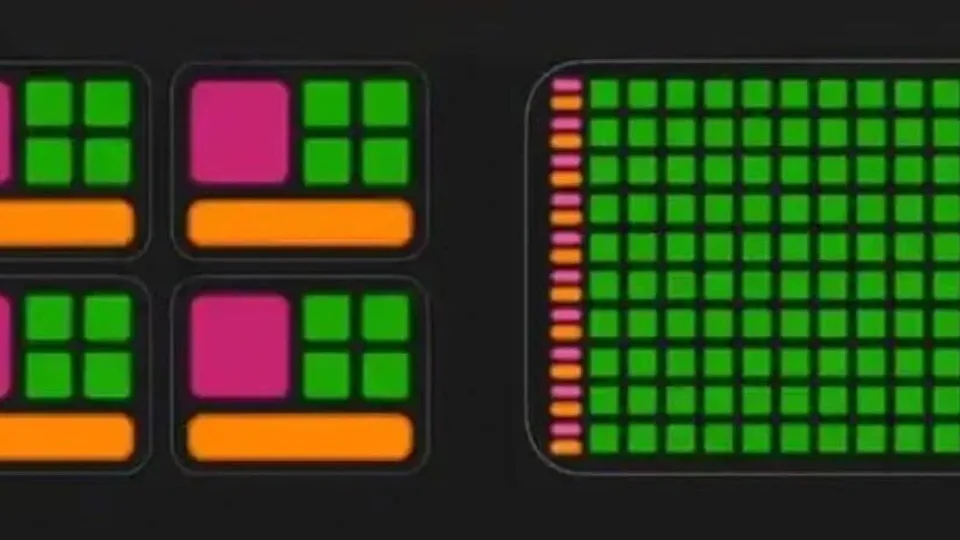
This article provides a comprehensive overview of modern GPU architecture, covering components such as SMs, GPCs, memory hierarchy, unified shader architecture, SIMT execution, warp scheduling, and compares IMR, TBR, and TBDR rendering pipelines while offering practical optimization techniques for developers.
This article demonstrates how to create a minimal Super Mario‑style platformer using JavaScript, LeaferJS for graphics rendering, and Vue for UI and map editing, covering background looping, scene management, sprite classes, a simple physics engine with gravity, collision detection, jumping, camera follow, scoring, and a basic victory condition.
This article explains why finite state machines (FSM) are essential for game development, outlines their core concepts, demonstrates common pitfalls of if‑else logic, and provides step‑by‑step Unity C# examples for object state switching and intelligent NPC patrol behavior, including code snippets and integration tips.
The WeChat mini‑game SDK faces common problems such as HTTPS‑only domains, a ten‑request concurrency cap, five‑second background timeouts, and URL‑encoding errors that can queue or lose data, while Unity C# games must implement custom networking and developers must handle launch parameters, deprecated system APIs, share UI timing, and prompt communication to ensure stable releases.
This tutorial explains how to create a Python‑based automation script that captures screen images, analyzes them, and controls mouse movements to automatically play a 4399 sushi‑making mini‑game, covering tool setup, coordinate handling, image matching, and basic bot logic.
The article explores how game testers can effectively test classic titles like Super Mario Bros by studying similar games, defining clear test scopes, designing practical test cases, handling bugs, and continuously improving test processes while considering player experience and non‑functional issues.
This article explores the design and implementation of the Crab rendering engine, a WebGL‑based solution that combines high expressiveness, interactivity, and cross‑device compatibility to deliver game‑like animations for large‑scale activities, detailing its architecture, rendering pipeline, practical applications, and performance optimizations.
This article examines how mathematical models can be applied to game numeric systems—covering balance, growth curves, probability mechanisms, and economic modeling—using concrete examples from popular titles such as League of Legends, Minecraft, Diablo III, Genshin Impact, and Animal Crossing.
This tutorial walks you through creating a complete airplane‑shooting game in Python using Pygame, covering game settings, player and enemy plane classes, bullet and supply modules, the main game loop, scoring, difficulty scaling, and provides full source code for each component.
This guide demonstrates how to build a basic “jump” game in Python using the Pygame library, covering installation, game logic, platform generation, jump control, collision detection, game loop, and suggestions for extending the project with scoring, difficulty, sound, and graphics.
This article walks through creating a Rust physics engine by implementing collision detection using the Separating Axis Theorem, covering point extraction, vector math, projection, overlap checks, and handling both rectangle‑rectangle and circle‑square collisions with complete code examples.
This guide explains how to build a Python‑based ADB script that automates taps at specific screen coordinates to repeatedly farm gold in the mobile game King of Glory, covering environment setup, common ADB errors, coordinate extraction, full source code, and packaging as an executable.
This article explores comprehensive requirement analysis techniques for game testing, covering document analysis, mind‑mapping, 5W1H expansion, equivalence class handling, risk mitigation, and implementation details, aiming to improve test case creation, reduce ambiguities, and ensure smoother cross‑functional reviews and overseas releases.
This article explains the mathematical basis and step‑by‑step Python/Pygame implementation of an automatic missile‑tracking algorithm for a shooting game, covering time‑slice integration, angle calculation, image rotation handling, and provides complete source code for a functional demo.
This article walks through using the Tongyi Lingma AI code assistant to understand, develop, debug, and automate a Godot‑based desktop pet application, showcasing workspace queries, code generation, bug fixes, performance gains over Copilot, and CI integration via GitHub Actions.
This article explains the technical mechanisms behind game memory modifiers—including memory scanning, DLL injection, debugging tools, file editing, anti‑cheat evasion, and pointer scanning—using the "Black Myth: Wukong" trainer as a concrete example, and provides complete C++ code samples.
This tutorial walks through building a dazzling fireworks animation in Python using the Pygame library, covering environment setup, installing dependencies via domestic mirrors, defining particle and firework classes, and implementing the main game loop with full source code examples.
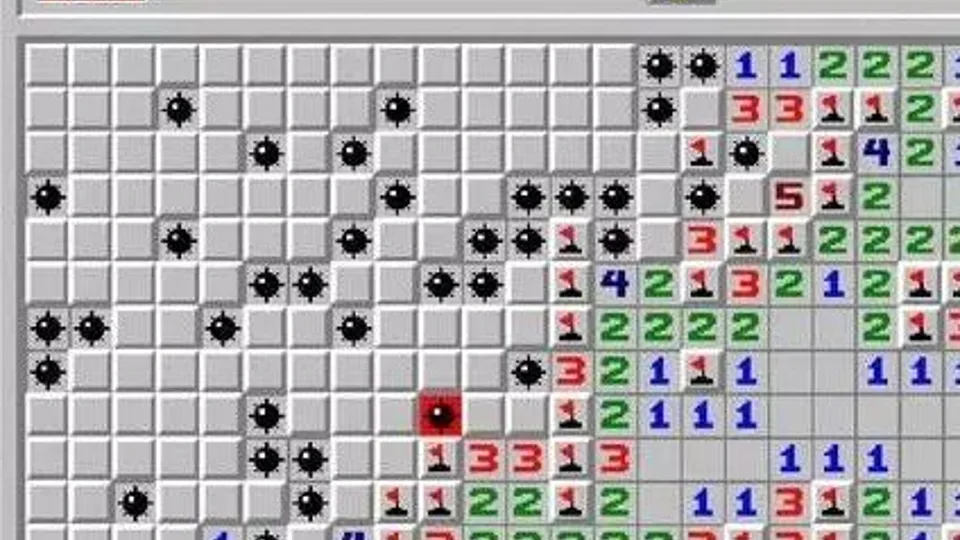
This tutorial explains how to build a Python bot that automatically plays Minesweeper by locating the game window, capturing the board via image processing, interpreting cell states through RGBA values, and applying a simple rule‑based algorithm to flag mines and uncover safe squares, with fallback random clicks for unresolved situations.
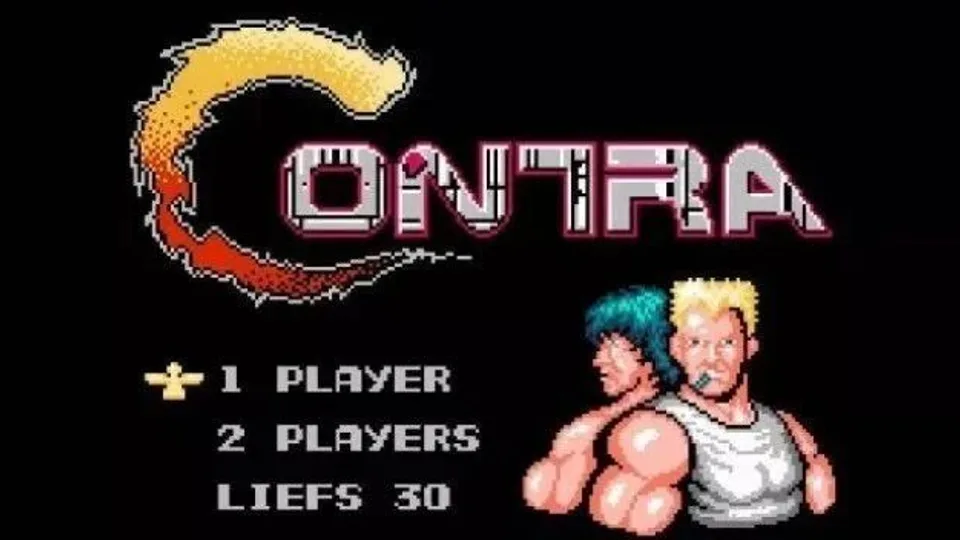
This article explores why 1980s games like Contra could deliver rich graphics, music, and gameplay within just 128KB by using tile-based graphics, specialized audio chips, and ultra‑compact code, contrasting those techniques with modern developers' expectations of massive storage.
This tutorial walks through creating a simple Fruit Ninja‑style game in Python with pygame, covering package imports, window setup, random fruit generation, drawing text and lives, handling game‑over screens, and implementing the main game loop with scoring and bomb detection.