This article details the real‑time rendering techniques, material choices, lighting, shadergraph effects, particle and geometry trails, and post‑processing implementations used in Douyin's 2024 Spring Festival interactive experiences, showcasing SAR Creator's capabilities and future development directions.
This article provides a comprehensive guide to SAR Creator, a TypeScript‑based interactive solution used for building 2D/3D game scenes, covering workflow, asset creation, canvas adaptation, bundle splitting, texture compression, script lifecycle, dynamic loading, and configuration for ByteDance's Spring Festival activities.
This article builds a mathematical model and runs simulations to evaluate how different stop‑after‑loss strategies affect daily star growth in Honor of Kings, considering a decreasing win‑rate, daily game limits, and varying initial win probabilities, revealing that stopping after two consecutive defeats often yields the highest rank increase.
This article details how the AnnieX cross‑platform container was enhanced for the 2024 Douyin Spring Festival by introducing an interactive suite that includes engine pre‑heating, a shared offline asset library, and advanced 3D resource compression techniques, resulting in significant performance gains and bandwidth savings.
This article shares practical insights and personal reflections on how ordinary game QA professionals can develop self‑recognition, strengthen core testing abilities, communicate effectively, manage stress, and continuously improve their craft to become reliable, influential members of a game development team.
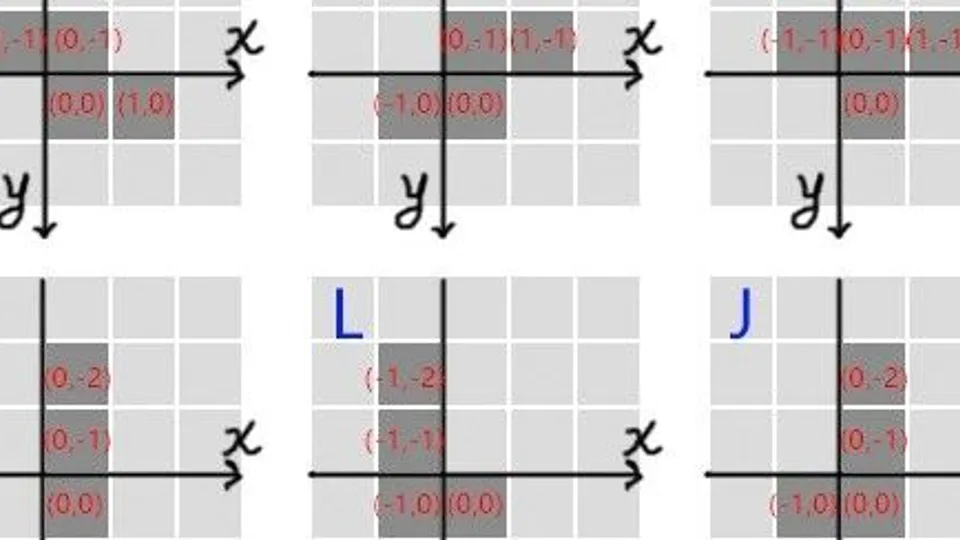
This tutorial walks through creating a Tetris game in Python using the built‑in Tkinter library, covering window setup, drawing the board, implementing block movement, rotation, line clearing, scoring, and full source code with explanations.
The article explains how early 1980s games such as Contra managed to deliver extensive graphics, music, and gameplay within a mere 128KB by using tile‑based graphics, specialized audio chips, and highly optimized assembly code, highlighting the stark contrast with modern app sizes.
This article details the 2024 Douyin Spring Festival game interaction optimizations using the AnnieX cross‑platform container, covering engine preheat, a shared offline asset library, and advanced 3D resource compression techniques such as quantization, sparse accessors, and meshopt, along with performance results and future plans.
This article explains the mathematics and step‑by‑step Python pygame implementation of an automatic missile‑tracking algorithm for shooting games, covering time‑slice calculations, trigonometric direction computation, and image rotation handling to keep the missile tip aligned with the target.
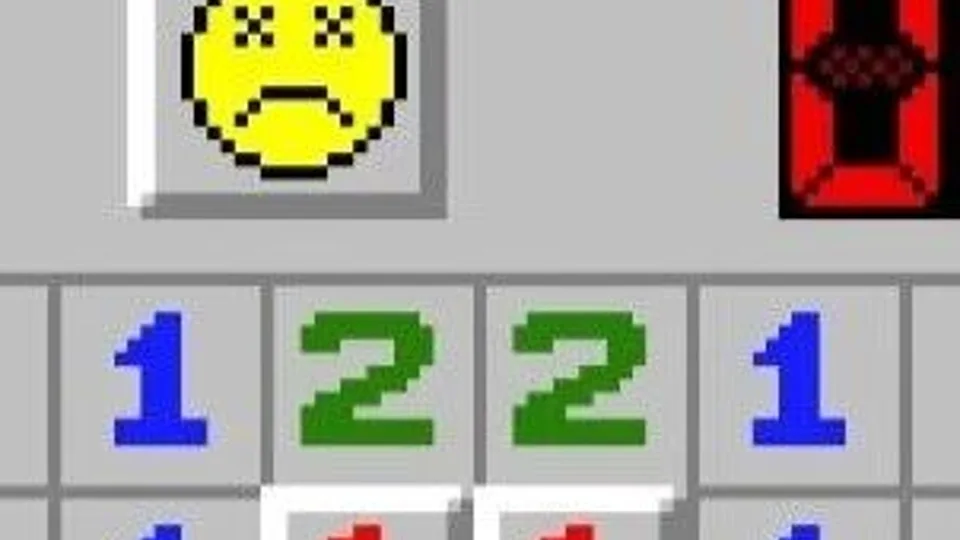
This article provides a complete Go implementation of the classic Minesweeper game using the Ebiten library, including source code, detailed explanations of game mechanics, instructions for compiling and running both desktop and browser versions, and screenshots demonstrating the gameplay.
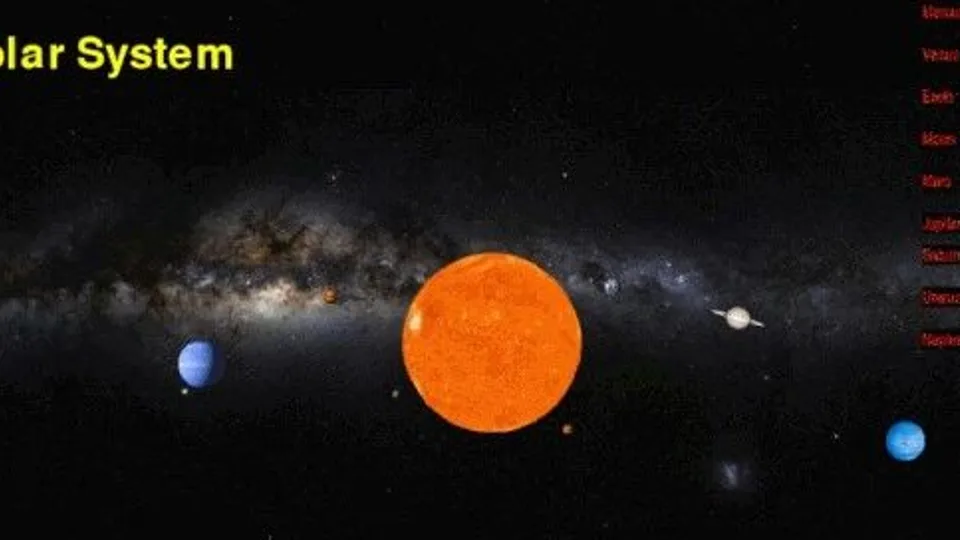
This tutorial demonstrates how to use Python and the Pygame library to create a real‑time visual simulation of the solar system, complete with background images, rotating planet sprites, optional music, and frame‑rate control, providing a hands‑on example of basic game‑style graphics programming.
This article explains the role of maps in games and provides a step‑by‑step guide to creating a top‑down, real‑time minimap that follows the player, covering preparation, objectives, technical solutions, canvas rendering, ray‑casting calculations, and implementation details for both orthographic and oblique perspectives.
Bilibili's color space conversion engine processes user‑uploaded videos with varied color parameters into a unified format, using layered filters, precomputed optimizations, CPU and CUDA implementations, handling transformations, quantization, chroma subsampling, matrix conversion, transfer functions, gamut and tone mapping, HDR dynamic metadata, and achieving high performance for millions of users.
This article reviews a year of payment testing for mobile games, outlining the end‑to‑end payment flow, configuration tips for billing platforms, overseas Google Play integration, domestic Android channel specifics, web third‑party payment challenges, and key takeaways for improving test coverage and user experience.
Game designers often employ tragic or emotionally charged scenes—referred to as “knife” moments—to create immersion, trigger the Zeigarnik effect, and establish emotional anchors, thereby deepening player attachment to characters and enhancing overall narrative impact.
This article provides a comprehensive technical overview of GPU architecture, from memory hierarchy and compute units to rendering pipelines and optimization techniques, explaining how modern graphics hardware processes shaders, manages resources, and balances performance across different rendering strategies.
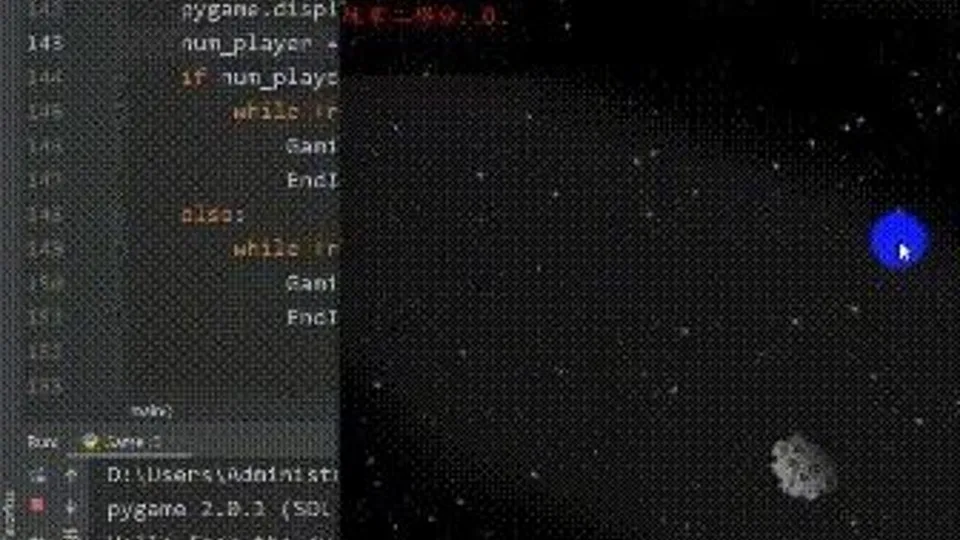
The article provides a full Python Pygame implementation of a two‑player “Airplane Battle” game, detailing initialization, background scrolling, player controls, bullet and asteroid handling, scoring, and the main game loop, along with the complete source code.
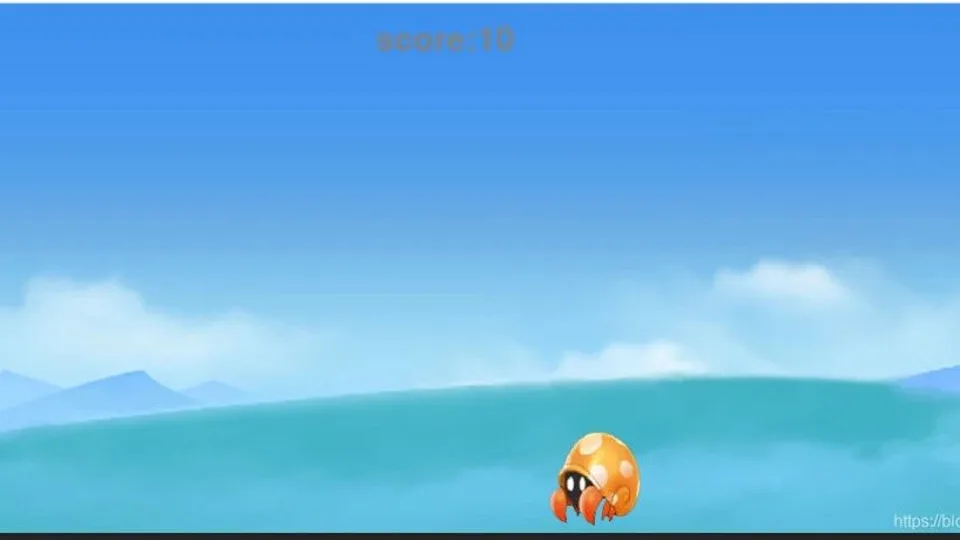
This article provides a step‑by‑step tutorial and full Python Pygame source code for creating a simple endless‑runner game, covering imports, configuration, character, obstacle and background classes, game initialization, object spawning, logic updates, collision detection, and scoring.
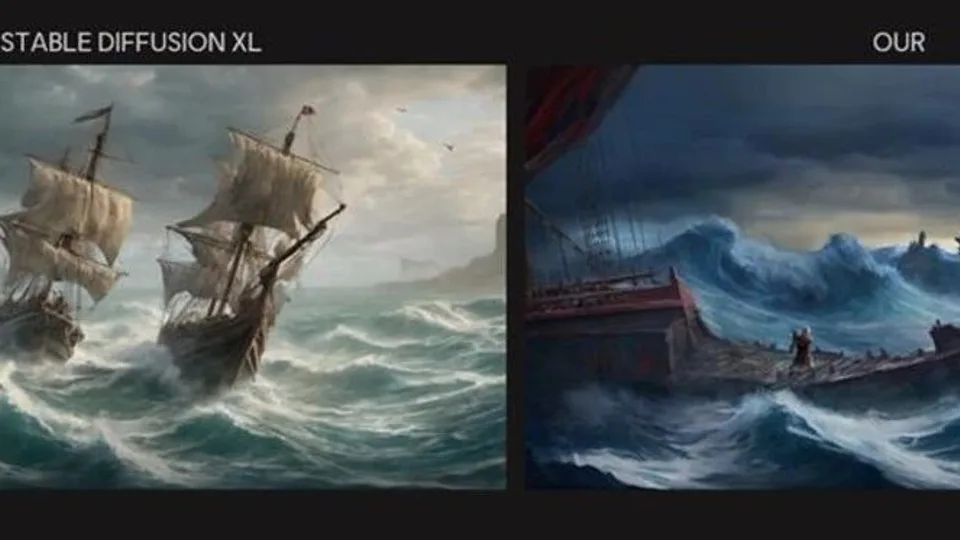
This article details Ubisoft China's strategy for integrating generative AI into AAA game production, covering the evolution of diffusion models, their impact on 2D concept art workflows, data collection and preparation, model fine‑tuning with proprietary tools, experimental results, and insights from a Q&A session with Development Director Alexis Rolland.
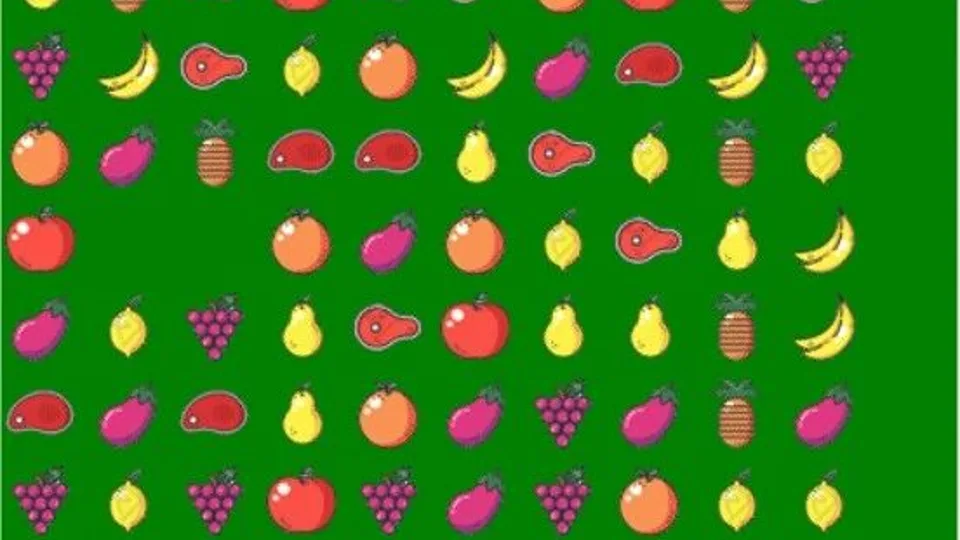
This article provides step-by-step tutorials and complete Python Pygame source code for implementing four classic games—2048, Snake, Tetris, and LianLianKan—explaining game mechanics, design principles, and code structure to help Python developers build and understand these interactive applications.