Although AI can now write PRDs, conduct competitor analysis, and generate prototypes, the article argues that product managers remain hard to replace because their core value lies in making judgments amid ambiguity, defining worthwhile problems, designing feedback loops, reshaping interactions, and owning outcomes as execution becomes cheaper.
Gemini Notebook adds cloud code execution to its AI‑driven document reader, enabling a closed‑loop workflow where evidence, computation, and conclusions are linked, allowing analysts to audit, recompute, and collaborate on research while preserving data provenance and privacy.
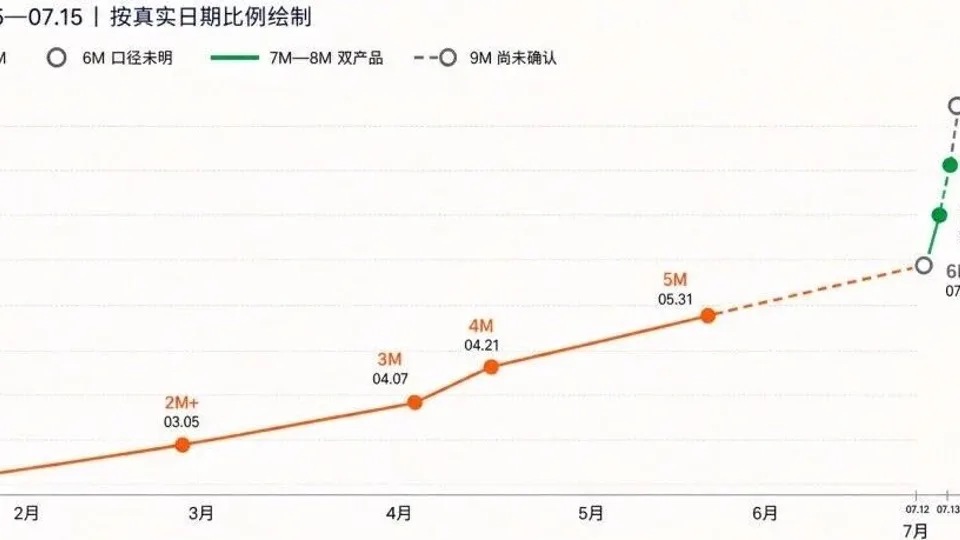
Codex’s user base jumped from 1 million to 8 million in 160 days, not because the underlying model improved, but due to a series of product‑level innovations that expanded entry points, made agent processes controllable, extended task reach across devices, and leveraged quota resets to sustain growth.
The article explains how product managers often waste resources chasing 100% functional coverage, and shows that mature PMs use a 60%‑for‑80% approach—freezing low‑frequency, high‑cost scenarios, applying ROI formulas, scoring cards, and concrete ERP examples—to deliver core value efficiently.
The article debunks the buzzword “Product Sense” and argues that a competent AI product manager must master three core disciplines—computer fundamentals, psychology, and management—to make logical, user‑focused decisions and earn technical teams’ respect.
After two months of AI Agent projects, I distilled five counter‑intuitive iron rules—decision‑makers avoid exhibition booths, trust demands deep conversations, my strength lies with hour‑long clients, technical details can be outsourced while business insight stays personal, and acquisition must move from breadth to depth.
The article explains how AI product managers can avoid costly product failures by designing a comprehensive, multi‑dimensional evaluation framework that guides development, quantifies progress, and builds trust with users and stakeholders.
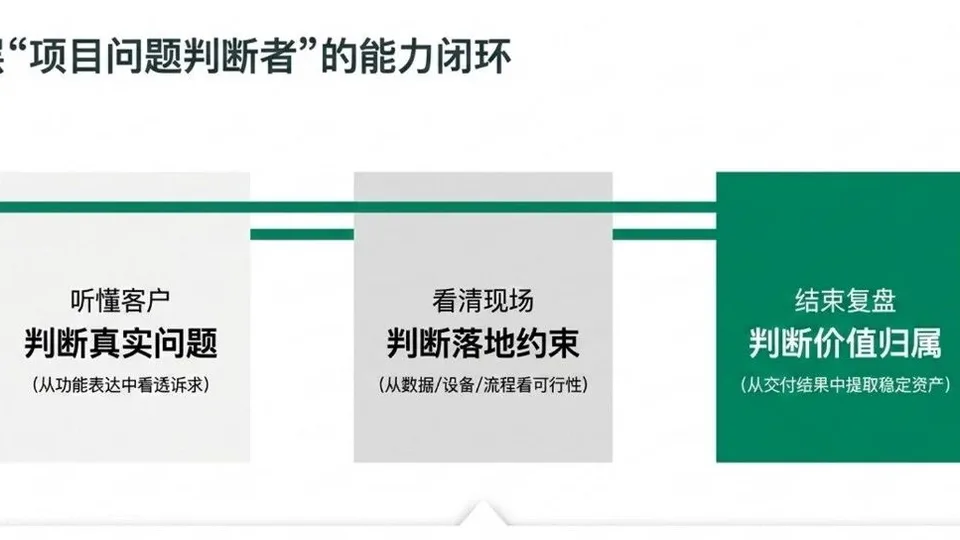
After a project finishes, teams often keep visible artifacts like screenshots and acceptance documents, but the truly valuable knowledge lies in the judgments, constraints, and reusable conditions behind those artifacts; this article explains how product managers can identify, evaluate, and correctly allocate that value to make future projects lighter, not heavier.
The article outlines how future software will serve AI agents instead of humans, describes three essential cognitive shifts for AI product managers, poses four critical questions, presents a detailed capability map covering business understanding, technical principles, data handling, evaluation, prompt design, product design, and ethics, and concludes with actionable advice for thriving in the fast‑moving AI product landscape.
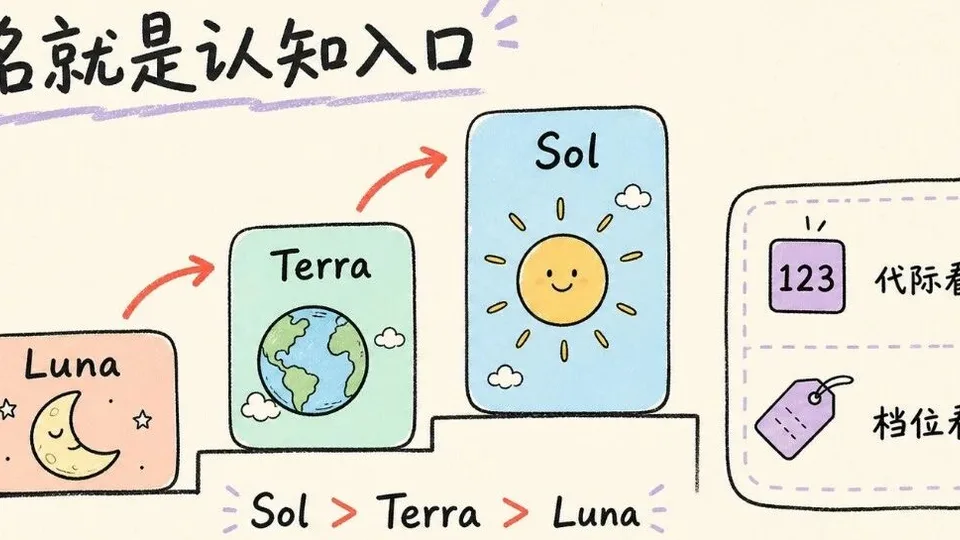
OpenAI replaces its confusing model labels with the Sol‑Terra‑Luna hierarchy, merges Codex into the ChatGPT interface, and shifts focus from raw performance metrics to end‑to‑end task execution, illustrating how product‑level clarity, resource consolidation, and cost‑effective benchmarks reshape AI competition.
This article presents a detailed, step‑by‑step design of a universal restaurant POS and ordering system covering four‑tier modular architecture, complete business flow, functional breakdown for front‑end ordering, kitchen production, back‑office management, and core infrastructure, plus implementation steps and solutions to common deployment issues.
This article presents a detailed, step‑by‑step design of a universal contract management platform that replaces Excel and paper processes, covering lifecycle automation, RBAC permissions, template handling, electronic signing, risk alerts, integration with finance, OA and CRM systems, and comprehensive module breakdown across nine functional areas.
In an interview, Instagram head Adam Mosseri explains how AI is reshaping team structures, talent requirements, platform strategy, algorithm design, and content governance, emphasizing the continued importance of human judgment, taste, and transparent sourcing in a rapidly automated social ecosystem.
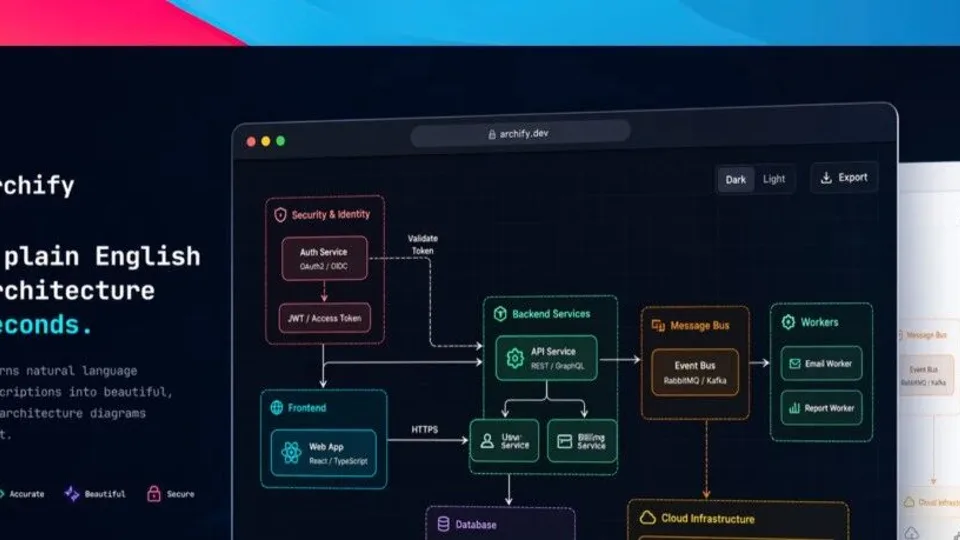
The article introduces Archify, an open‑source drawing skill that lets developers generate architecture, workflow, and sequence diagrams instantly via AI agents like Claude Code, eliminating the tedious manual work of tools such as draw.io.
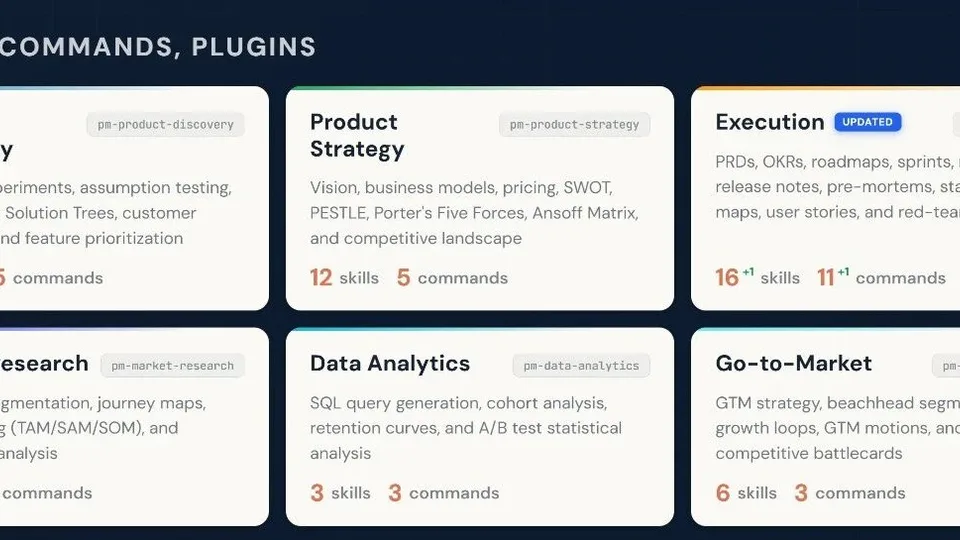
The article reviews the PM Skills Marketplace, a GitHub project with over 22,000 stars that packages the entire product‑development workflow into Claude‑driven plug‑ins, detailing its nine skill groups, command usage, real‑world examples, benefits, limitations, and how to install it.
This article examines the distinction between project and product managers, outlines the high‑standard qualities required of product managers, describes the ideal career pathways and ability models, and details a resource‑pool framework for systematically developing product‑manager talent within an IPD‑driven R&D organization.
The article outlines the distinct qualifications of project and product managers, compares their required abilities, and provides a step‑by‑step guide—including mindset shifts and systematic product knowledge learning—for project managers aiming to become product managers.
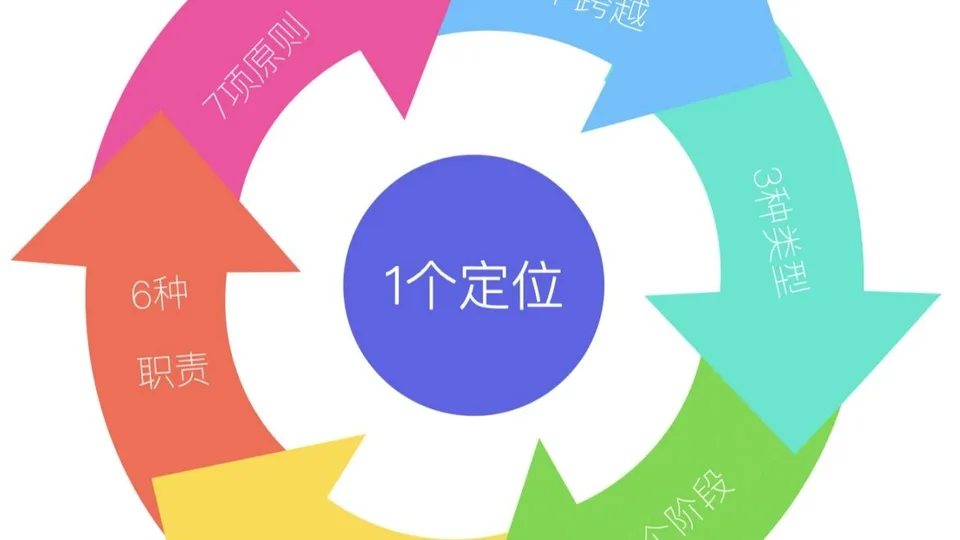
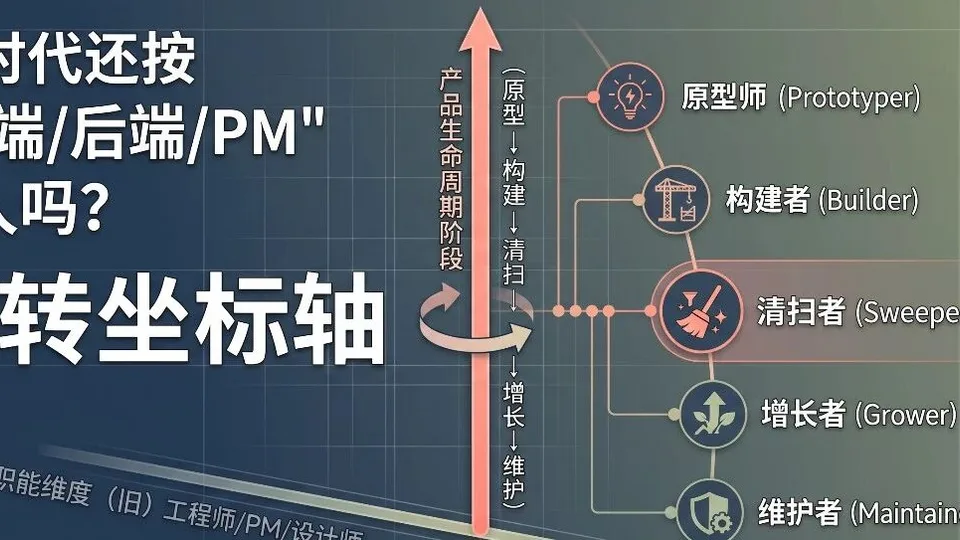
The article analyzes Boris Cherny’s five talent prototypes for the AI era, explains how he flips the product‑lifecycle axis to replace traditional front‑end/back‑end/PM roles, presents supporting data from Anthropic, critiques the framework, and shows how companies and individuals can apply the model in practice.
The article defines projects and products, explains project management and product management processes, compares the roles, responsibilities, and career paths of project managers and product managers, and highlights why a project manager can successfully transition into product management.
Airbnb explains its three‑part Listing Lifetime Value framework—baseline, incremental, and marketing‑induced LTV—detailing the machine‑learning models, data collection, and the practical challenges of accurate estimation, incrementality, and uncertainty during market shocks.