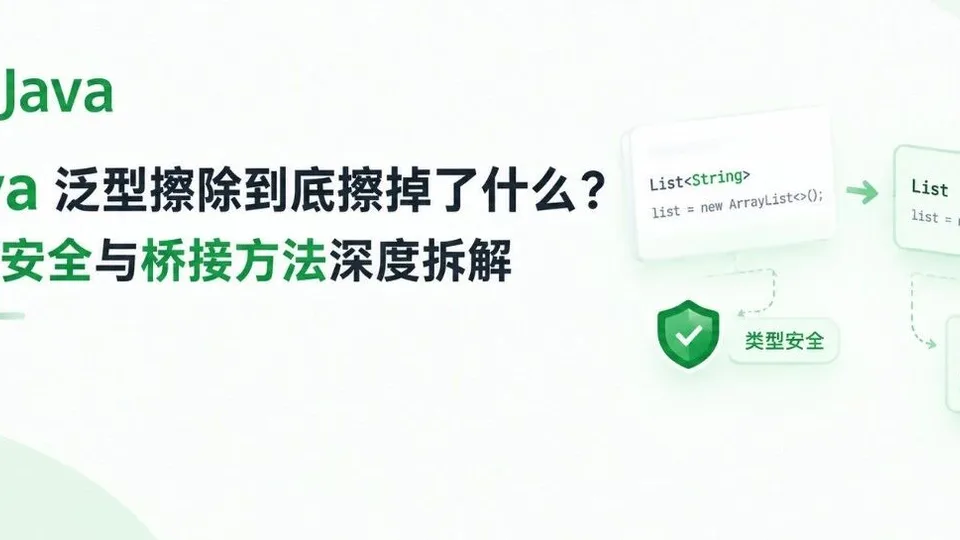
This article explains Java generics erasure rules, why erasure exists for backward compatibility, how the compiler inserts checkcast instructions, the purpose and mechanics of bridge methods, how generic signatures survive in class files via the Signature attribute, and how reflection and TypeToken patterns recover type information at runtime.
This article explains the fundamental differences between RAM and hard drives, using analogies like a desk versus a bookshelf to illustrate how RAM provides fast temporary workspace for the CPU while hard drives offer permanent but slower storage, covering HDD vs. SSD, virtual memory, and why insufficient RAM causes system slowdowns.
This article explores the nightmare of inheriting uncommented, poorly structured code from departed developers, illustrating anti-patterns like cryptic naming, deep nesting, magic numbers, and copy-paste duplication, while providing a four-step refactoring guide and team-level prevention strategies including code reviews, coding standards, and offboarding practices.
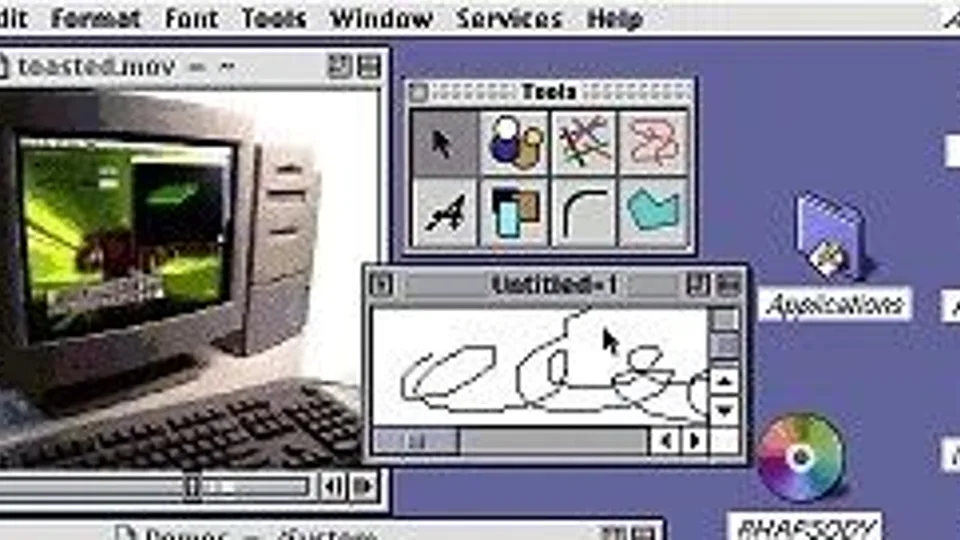
This article explores five historically significant but commercially failed operating systems—NeXTSTEP, Rhapsody, AmigaOS, Atari ST/MiNT, and BeOS—detailing their technical innovations in development tools, multimedia multitasking, open-source practices, and multiprocessor support that continue to influence modern systems like macOS and Haiku OS despite their market disappearance.
This comprehensive guide covers the entire Linux network stack, explaining physical layer encoding, data link protocols like Ethernet and PPP, network layer IP addressing and routing (RIP, OSPF, BGP), transport layer TCP/UDP mechanisms, application layer services (DNS, HTTP, FTP), network security concepts, and wireless LAN standards with detailed diagrams and comparisons.
This article presents four practical strategies for integrating handwritten paper notes with Obsidian: indexing page locations for retrieval, extracting actionable items and photos into project notes, using AI transcription selectively, and marking processed pages to avoid duplication—emphasizing selective integration over full transcription.
This article explains what a CPU is, its three core components (ALU, control unit, registers), the fetch-decode-execute instruction cycle, and key performance metrics like clock speed, cores, threads, and cache hierarchy (L1/L2/L3).
This article reviews two architecture case studies: the Main-Safe pattern using Kotlin suspend functions to enforce main-thread safety in Android, and a computational abstraction using FlowChain and FlowNode higher-order functions to separate invariant and variant logic, eliminating if-else chains through flow orchestration.
This article uses a human body analogy to explain the five core components of computer hardware—CPU as brain, memory as workbench, storage as bookshelf, input/output as senses and expression—plus buses and motherboard, showing how data flows from input through processing to output in a von Neumann architecture.
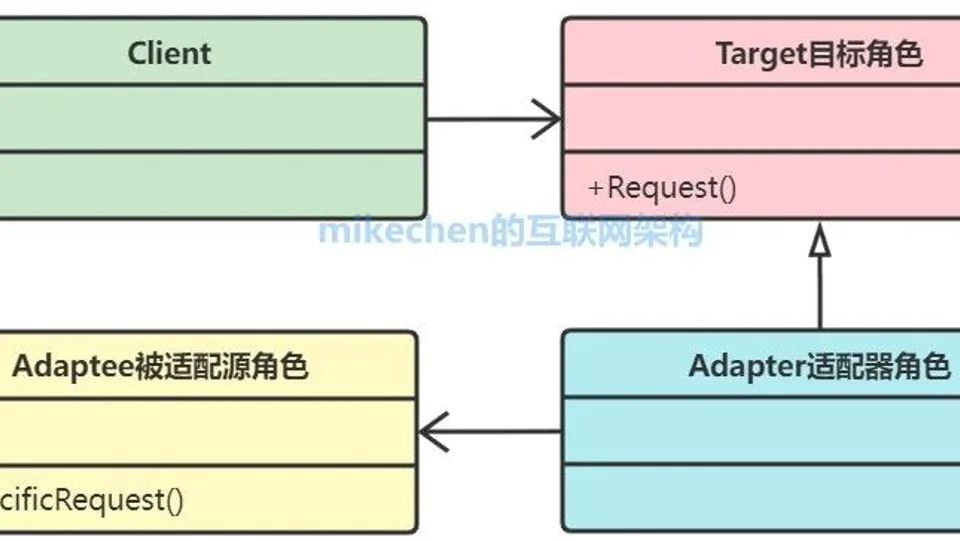
This article explains the Java Adapter design pattern, covering its definition, roles (Target, Adapter, Adaptee), and two implementation approaches—class adapter using inheritance and object adapter using composition—with complete code examples for each.
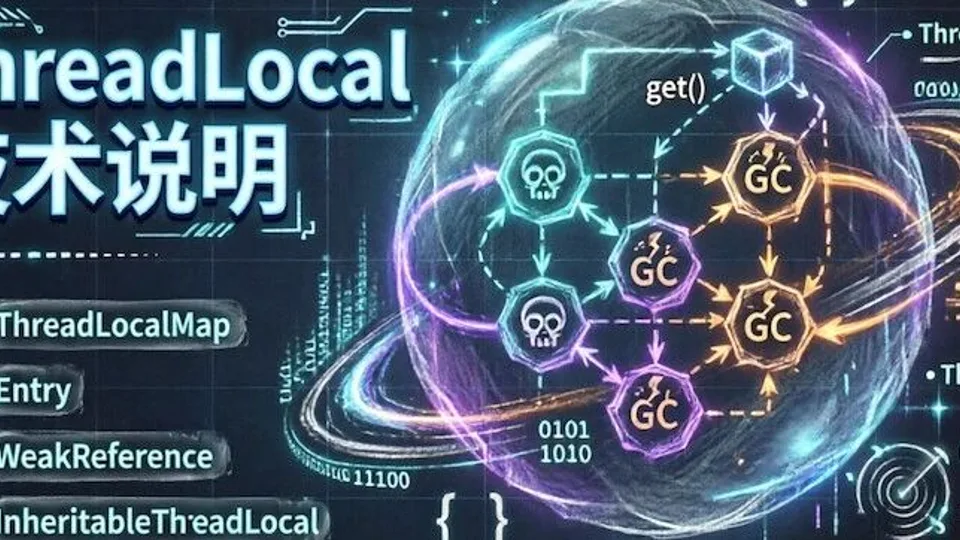
ThreadLocal provides per-thread variable copies via a ThreadLocalMap with weak-reference keys and strong-reference values, enabling request-context storage and non-thread-safe object reuse, but risks memory leaks in long-lived thread pools unless explicitly removed, and requires careful handling for cross-thread propagation.
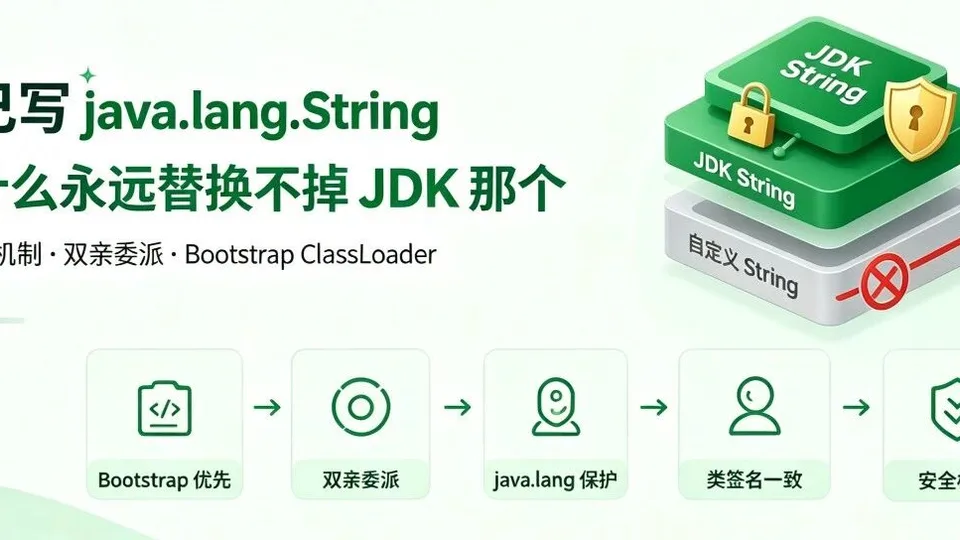
This article explains why a custom java.lang.String class cannot replace the JDK's String, detailing the parent delegation class loading model, Bootstrap ClassLoader's role, core class protection mechanisms, Java 9+ module system restrictions, and why attempts to bypass these (custom class loaders, -Xbootclasspath, --patch-module, Java Agents) fail or are unsafe.
This article traces the evolution of computing from ancient abacus and mechanical calculators through electronic tube, transistor, and integrated circuit eras to modern PCs, smartphones, supercomputers, and quantum computers, explaining core concepts like automatic program execution and stored-program architecture.
This article dissects 10 common misconceptions about JavaScript's await keyword, explaining how it evaluates expressions, waits only for Promise settlement — not side effects — and why patterns like forEach with async callbacks, bare setTimeout, and Promise.all can cause silent bugs in production.
Microsoft announces Project Zenith, a pre-configured Windows 11 for developers with high hardware specs for local AI, but also releases an open-source Winget script that brings the same developer-friendly settings and tools to any Windows 11 PC for free.
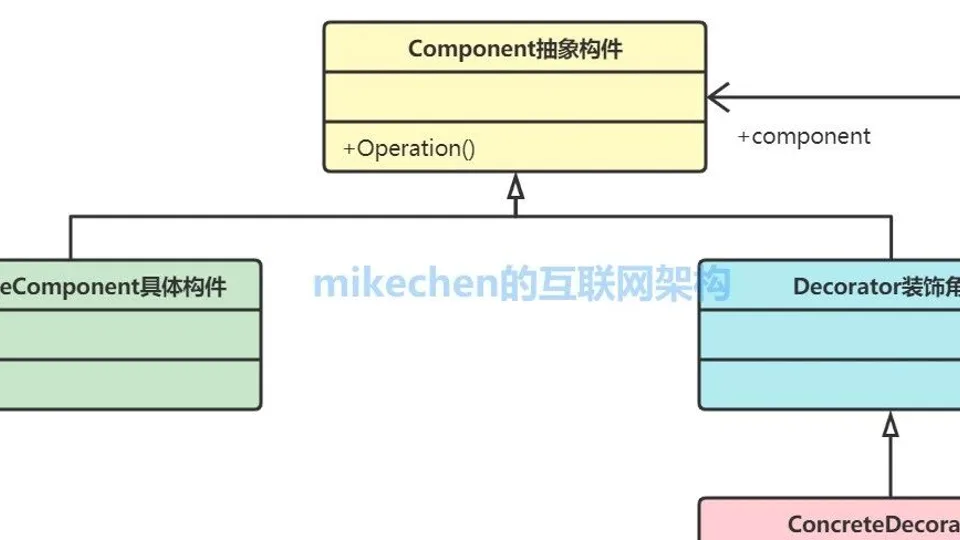
This article provides a comprehensive explanation of the Java Decorator pattern, covering its definition, purpose, advantages, disadvantages, and a complete implementation example with four key roles and runnable code demonstrating dynamic behavior extension.
The article demonstrates how deep if nesting (over 3 levels) obscures bugs using a payment callback example where error messages are swapped, then refactors with guard clauses to flatten logic; it also addresses loop nesting by extracting methods to reduce cognitive load, emphasizing keeping conditions close to their handling.
This article explains why ontologies must be treated as continuously operated semantic baselines rather than static deliverables, detailing four version axes, change set governance, cross-layer impact analysis, compatibility verification, migration strategies, and a feedback loop that attributes runtime signals before correcting the model, illustrated with a credit-risk case study.
JiTTesting introduces a dual-track testing strategy—permanent hardening tests for regression prevention and temporary catching tests generated on-demand to detect behavioral differences in AI-generated code diffs—using parallel pipelines, automated noise reduction, and human-in-the-loop validation to keep pace with rapid AI-driven development.
This article explains the classic producer-consumer synchronization problem using a milk tea shop analogy, detailing three solutions—semaphores, monitors, and message passing—with code examples, constraints, variants, and real-world applications like print queues and web servers.