The article explains how the Strategy design pattern solves the maintenance nightmare of tangled if‑else or switch statements by extracting each algorithm into its own strategy class, detailing the roles, selection mechanisms, Java examples, and when the pattern is appropriate.
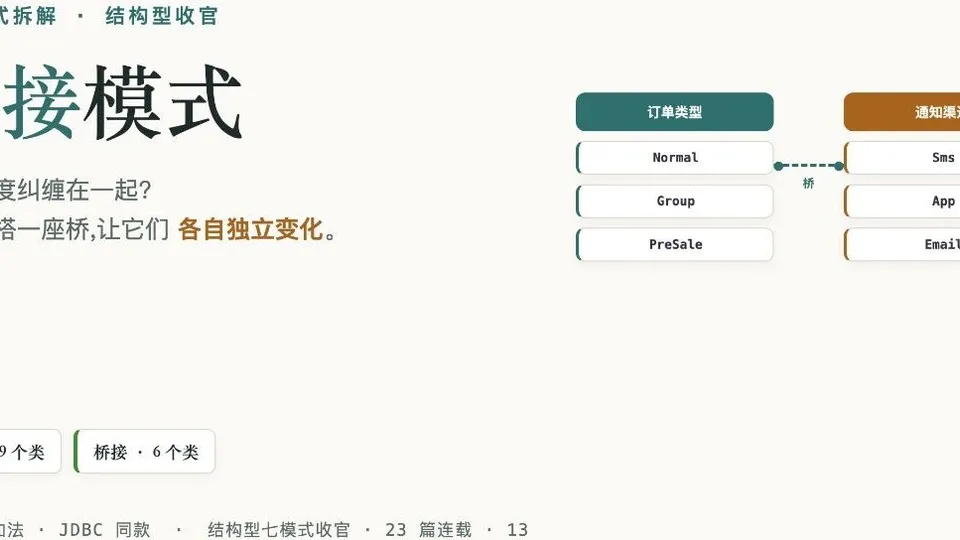
The article explains how the Bridge design pattern separates two orthogonal dimensions—such as order type and notification channel—into independent hierarchies, replacing inheritance‑driven class explosion with compositional bridges, and demonstrates its rationale, code, real‑world examples, and differences from similar patterns.
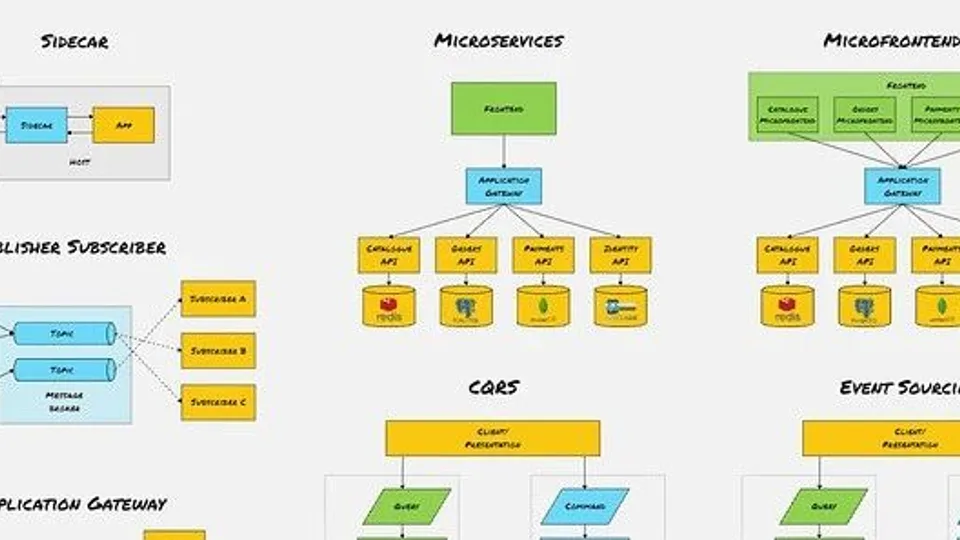
This article breaks down seven practical software‑architecture patterns—Bounded Context, Sidecar, Publisher‑Subscriber, Application Gateway, Microservices, Micro‑frontends, and CQRS/Event Sourcing—showing how they can be combined in a real e‑commerce system and guiding architects on when each pattern best solves complexity, performance, or team‑collaboration challenges.
The article explains that an operating system acts as a computer's "big steward," handling memory allocation, process scheduling, hardware abstraction, and security, and then compares Windows, macOS, and Linux in market share, strengths, and typical use cases.
The article surveys ten community‑sourced approaches to representing monetary values in Java, weighing Long, BigDecimal, String, Protobuf, custom types, and other quirky suggestions, and explains the reasoning each contributor gives for their preferred data type.
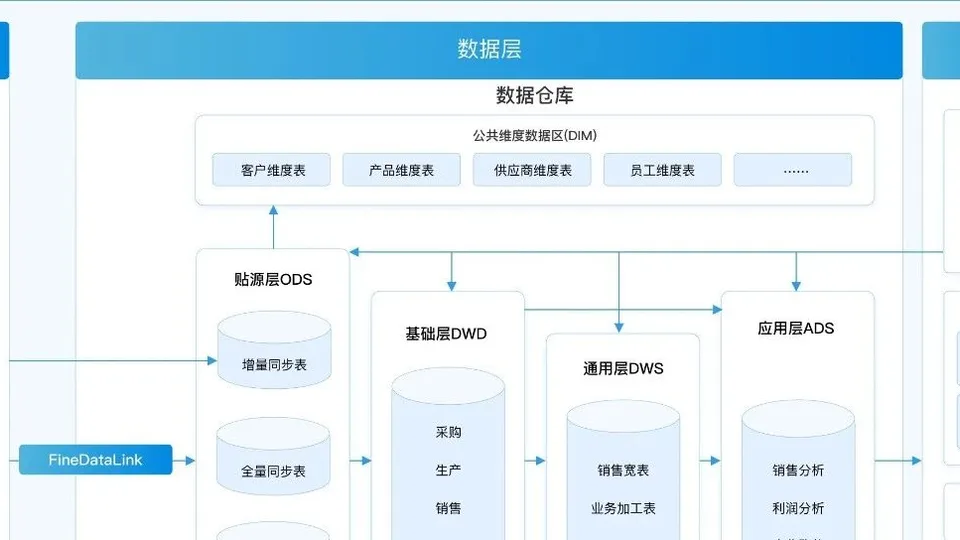
Enterprises generate massive data daily, yet without a complete lifecycle of management, governance, productization, and assetization, that data remains valueless; this article breaks down the four core concepts—data resources, data products, data assets, and data elements—and explains how they interrelate to create sustainable business value.
This guide explains how to design and enforce Git branch policies, choose between trunk‑based, GitHub‑Flow or Git‑Flow strategies, name and commit conventions, merge vs rebase decisions, protected branches, release tagging, hot‑fix handling, rollback procedures, and automated audits for large‑scale projects.
A detailed walkthrough of 40 practice questions covering CPU execution time, pipeline theory, cache locality, bus bandwidth, address space, DMA, RAID levels, threading, paging, producer‑consumer synchronization, deadlock conditions, page‑replacement anomalies, networking fundamentals, project‑management metrics, standards, and intellectual‑property basics, complete with explanations and formulas.
The article surveys classic definitions of software complexity from Ousterhout, Simon, Mitchell, Gall, Taleb, Tesler, Gurley, and Wolfram, then proposes three dimensions—structure, behavior, and evolution—for analyzing complex software systems.
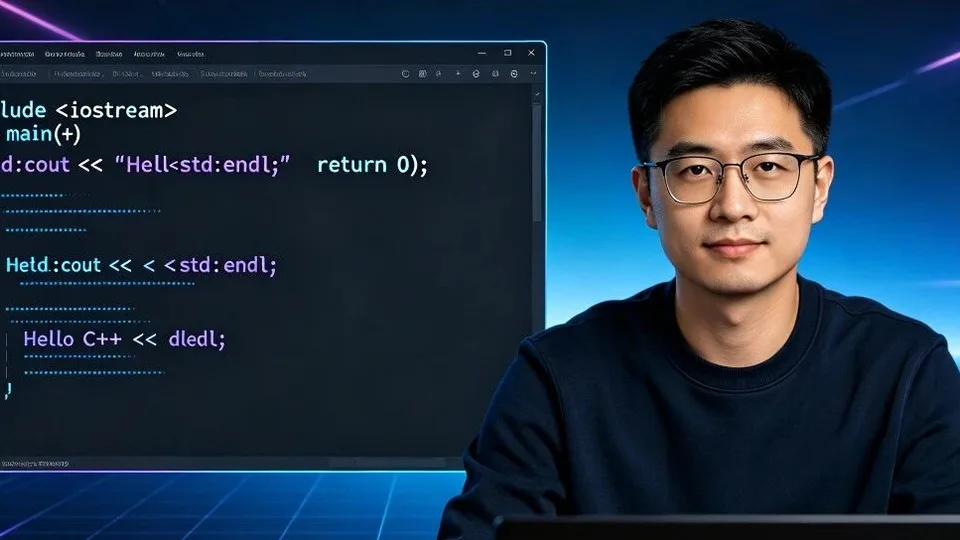
The article critiques five common C++ misconceptions—overusing OOP, treating books as a coding substitute, obsessing over advanced language features, indiscriminately applying templates, and needlessly allocating small objects on the heap—using concrete game‑dev examples and detailed reasoning.
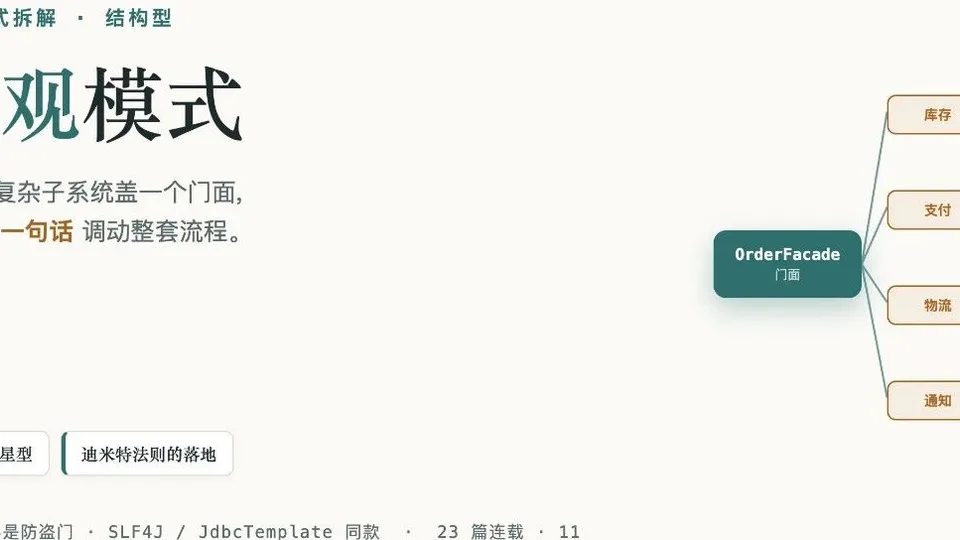
The article explains how the Facade design pattern hides the intricacies of multiple subsystems—such as inventory, payment, logistics, and notification—behind a single, easy‑to‑use class, illustrating the problem, solution, code examples, relation to the Law of Demeter, real‑world usages, and common pitfalls.
The article explains how the Composite pattern solves the pain of handling tree‑like structures—such as orders with nested packages—by providing a uniform component interface that eliminates instanceof checks, discusses transparent vs safe variants, shows real‑world library examples, and outlines when the pattern is appropriate.
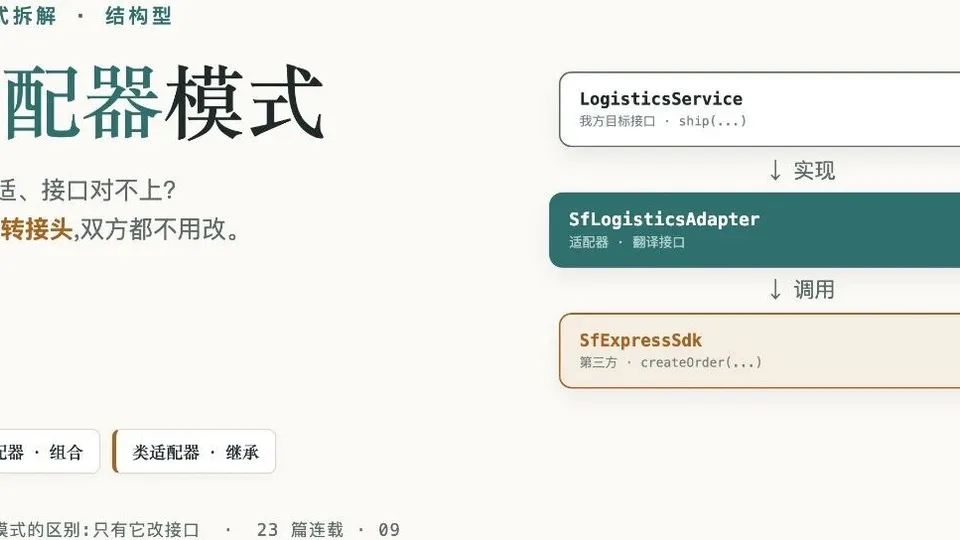
Adapter pattern acts as a translation layer that lets existing classes with mismatched interfaces interoperate without modification, illustrated through a logistics API integration example, with detailed object and class adapter implementations, trade‑off analysis, standard library and Spring examples, and a comparison with decorator and proxy patterns.
The article explains what peripheral devices are, how they communicate with the CPU via polling, interrupts, and DMA, compares common interfaces, and offers practical troubleshooting steps for common printer problems such as driver issues, queue jams, paper jams, and network glitches.
The article explains that a .tar.gz file isn’t a single format but the result of two separate Unix tools—tar for archiving and gzip for compression—combined via a pipeline, tracing their historical origins, design philosophy, and why the dual extension persists today.
The article explains Go's zero‑value concept, why every variable gets a deterministic default, provides a complete table of zero values for basic and composite types, shows how standard library types are "zero‑value useful", demonstrates designing your own zero‑value-friendly types, and discusses nil semantics, new vs make, and common pitfalls with practical code examples.
This article breaks down NVIDIA GPU fundamentals—contrasting GPU with CPU design, tracing CUDA’s evolution, detailing the hardware hierarchy from chips to SM units, explaining memory tiers, and presenting a step‑by‑step performance‑optimization methodology for AI training and inference workloads.
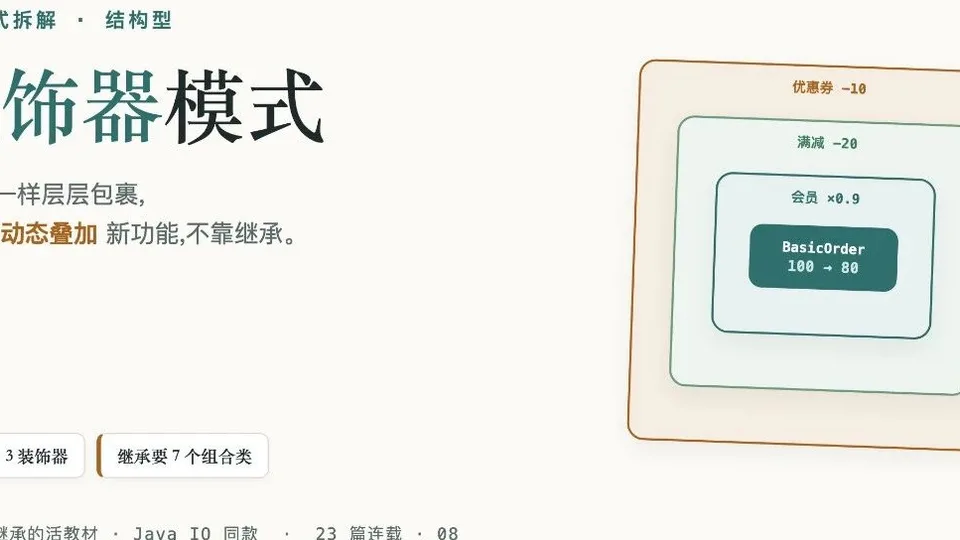
The article explains the Decorator pattern, showing how it dynamically adds functionality to objects without modifying them or using inheritance, using an order pricing example and Java IO streams, compares it with inheritance and Proxy, and outlines when to apply decorators effectively.
This article introduces the structural Proxy pattern, demonstrates three implementations—hand‑written static proxy, JDK dynamic proxy, and CGLIB subclass proxy—explains their mechanisms, trade‑offs, and limitations, and shows how Spring AOP selects between them for cross‑cutting concerns like logging, transactions, and caching.
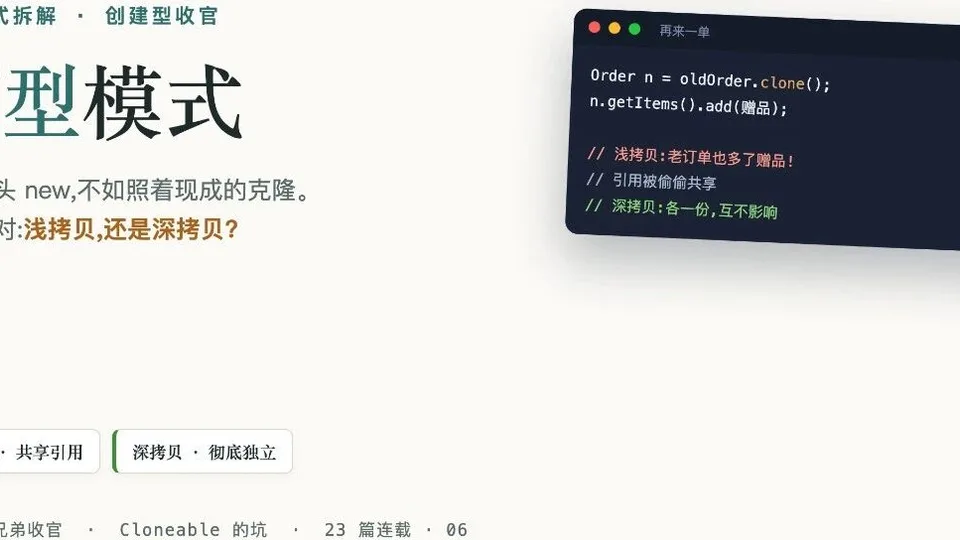
The article explains the Prototype design pattern, showing how cloning existing objects can replace costly object construction, details Java’s Cloneable and clone() mechanisms, the pitfalls of shallow copying, and various deep‑copy techniques such as manual recursion, serialization, and library utilities.