This tutorial demonstrates how to build a simple Tom & Jerry chase game using Python's turtle graphics, covering interface setup, keyboard controls for the mouse, random positioning of the cat and mouse, collision detection, time tracking, and displaying the final score on the screen.
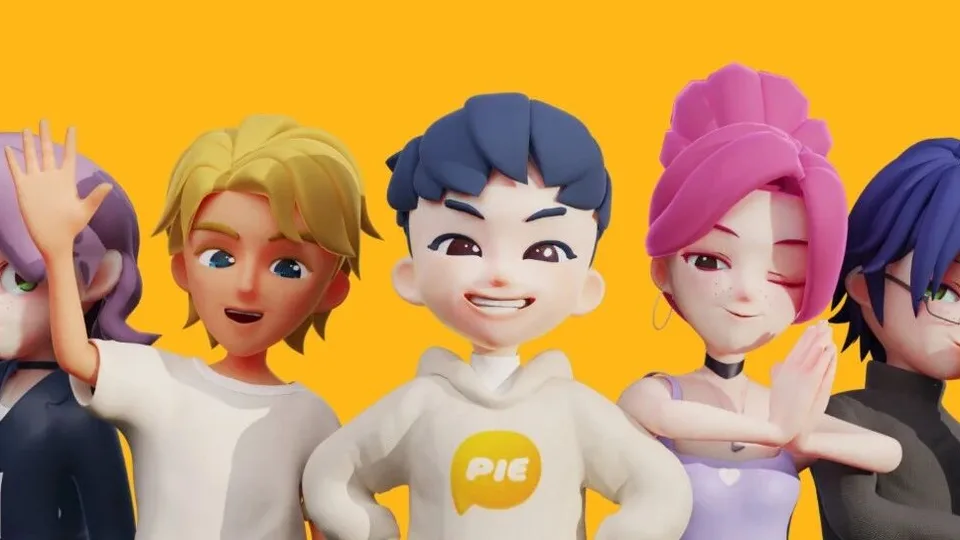
This article details how Liulishuo implemented 3D character customization in its PIE English practice app using Cocos Creator 3.0, covering native SDK integration, JSB-based cross-platform method calls, and Asset Bundle-based resource management for performance optimization.
This article analyzes WeChat game red‑envelope cover design, explaining its purpose for brands and players, detailing case studies such as King of Glory and Peace Elite × Tesla, and outlining practical design methods like role‑switching, storytelling, theme focus, and multimedia formats to create compelling, engaging experiences.
This article investigates the memory‑leak issue in Tencent Penguin Tutor's Cocos Creator implementation on iOS, explains why the engine's node pool and DragonBones animations cause unreleased Texture2D objects, and provides a step‑by‑step solution using explicit pool clearing and proper object disposal.
This article examines the visual gaps between mobile IBL lighting using Split Sum Approximation and Substance Painter results, analyzes reflection direction corrections, details Prefilter map generation techniques, and proposes solutions for high‑frequency aliasing on low‑roughness surfaces.
This article walks through the fundamentals of computer graphics, explaining rasterization, geometry, and ray tracing, then shows how to implement a basic path‑tracing renderer in TypeScript using vectors, rays, spheres, a camera, and Web Workers to render on a canvas.
This article shares practical techniques for improving Cocos Creator game performance by reducing black‑screen time, minimizing CPU draw‑calls, and managing memory through resource compression, atlasing, cache modes, node pooling, and texture compression, all illustrated with step‑by‑step examples and screenshots.
This article analyzes the inconsistency between 2D physics engine mass calculations (mass = density × area) and real‑world physics (mass = density × volume), proposes measurement methods for volume, density, and mass, and presents three implementation strategies for correcting the discrepancy in nape and box2d engines.
This tutorial walks you through creating a multi‑platform “Merge Big Watermelon” mini‑game using Cocos Creator, covering game rules, engine architecture, project structure, component‑based scripting, physics and collision handling, asset management, build configuration, and publishing to various platforms.
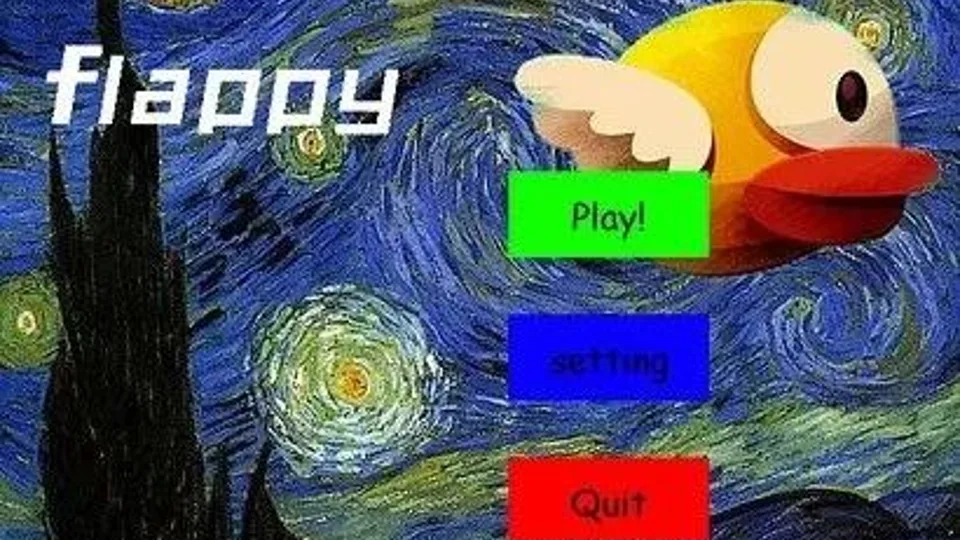
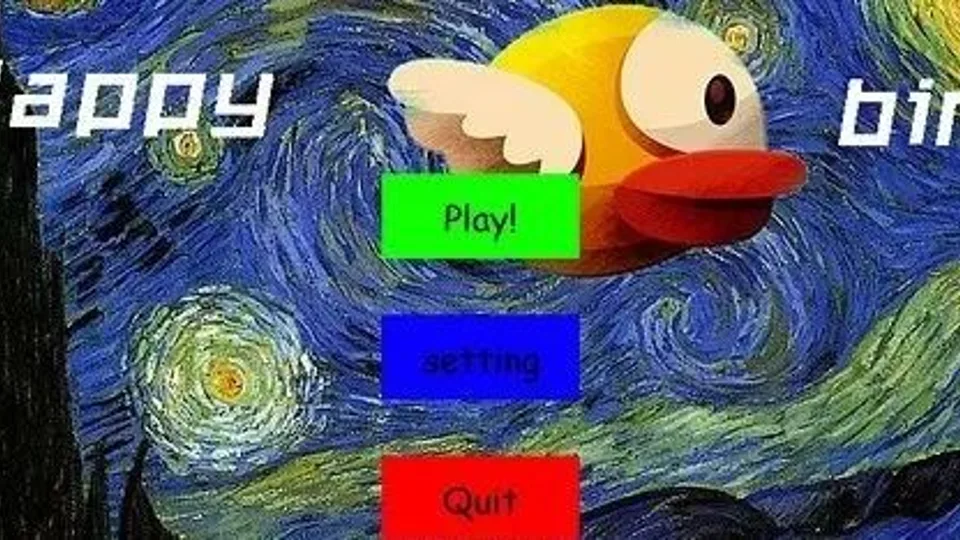
This article walks you through creating a Flappy Bird‑style game using Python 3 and the pygame library, covering installation of pygame, showcasing gameplay screenshots, and providing the complete source code with explanations and future refactoring plans.
This article discusses adaptive scaling methods for canvas-based interactive courseware development, comparing two approaches to maintain aspect ratios while ensuring content visibility across varying screen resolutions and window sizes.
This article explains the mathematics and step‑by‑step Python implementation of a missile auto‑tracking algorithm for shooting games, covering time‑slice integration, angle calculation, coordinate updates, image rotation handling, and provides complete, runnable Pygame code.
This article provides a step‑by‑step tutorial and complete Python source code for creating a Flappy Bird‑style game using the Pygame library, covering installation, game mechanics, sprite classes, collision detection, scoring, level progression, and customizable settings.
The article explains how to implement three common beauty‑camera image deformation effects—twirl, inflate, and pinch—using GLSL shaders, detailing the underlying deformation functions, sampling distance‑field transformations, and smoothstep‑based strength controls, and provides full shader code, animated examples, and resource links.
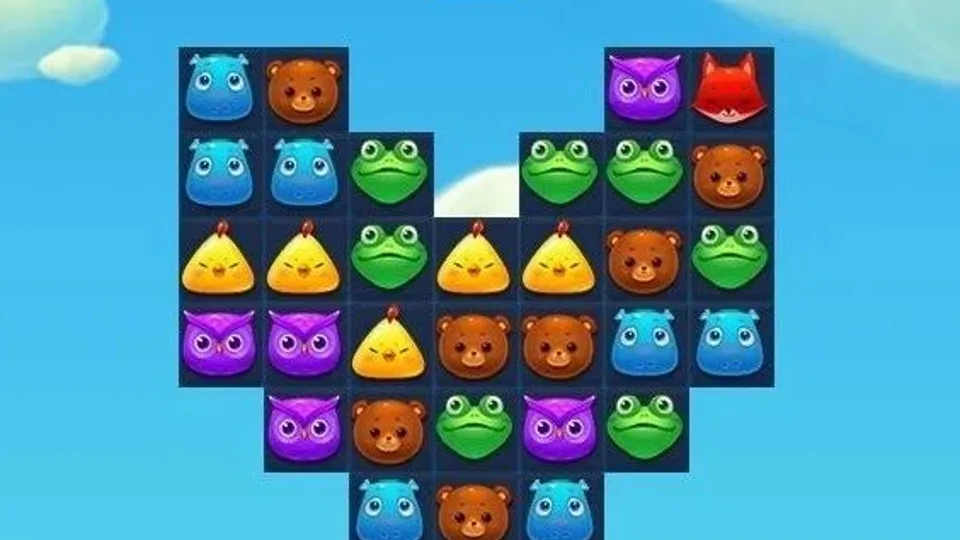
This tutorial explains how to build a simple Candy Crush‑like game on Windows using Python 3.6 and the pygame library, covering required setup, basic configuration, and providing the complete source code with detailed comments.
This article explains how to implement a missile auto‑tracking system in a 2D shooting game using Python and Pygame, covering the underlying differential‑equation‑based algorithm, step‑by‑step calculations, handling of coordinate systems, and code for rotation and rendering.
The article explains how mechanical equipment requires storing rigid‑body positions, rotations, velocities and inter‑object constraints, and how synchronizing these states between teacher and student clients ensures consistent simulation, contrasting this with the simpler handling of electrical equipment.
This article details a hands‑on exploration of gamified product design, covering how to create 3D models in Cinema 4D, export animation parameters from After Effects, compress sequence‑frame assets, and integrate UI and audio into a Cocos Creator‑based pet‑raising game aimed at boosting user retention and traffic.
This article presents a comprehensive overview of a Snake game project built with Python and Pygame, detailing game rules, overall design, required libraries, core functions such as food generation, movement, collision detection, mode handling, and includes the complete source code for both normal and wall‑through modes.
This article walks through building a simple hero system for the game King of Glory using Java, covering package setup, class definitions for heroes, equipment, and monsters, and a demo program that creates a hero, simulates earning gold, and purchases items to enhance attributes.