In the AI era, product managers shift from routine execution to strategic decision‑making as AI tools automate data analysis, PRD drafting, and market research, while their core value expands through deeper business insight, cross‑domain coordination, and critical risk‑aware thinking.
The article outlines a systematic approach for candidates to evaluate a product manager interviewer's competence by spotting negative signals such as disrespect or brain‑teasers, recognizing positive cues like genuine questioning opportunities, and asking targeted questions that reveal the interviewer's depth and the company's culture.
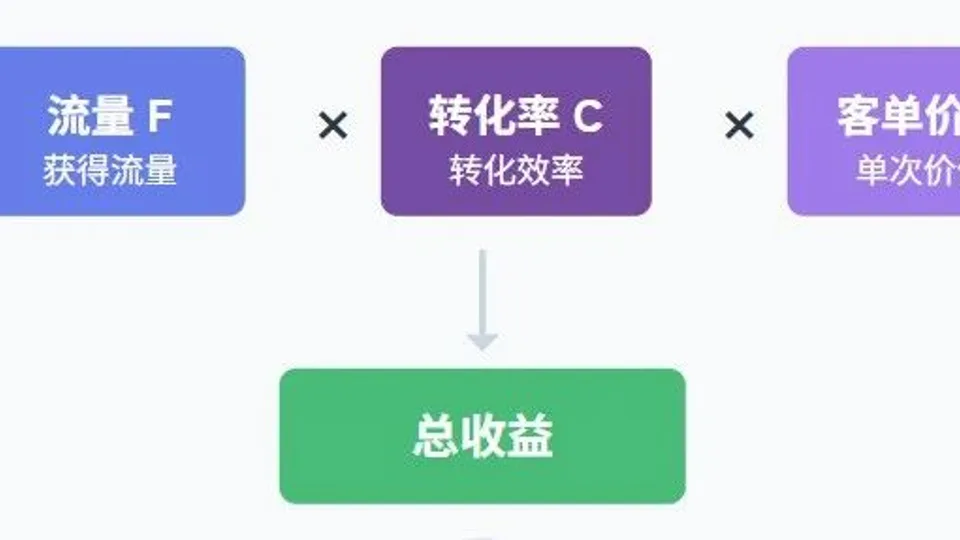
This article applies quantitative models—from attention‑based traffic formulas and epidemic‑style viral spread equations to algorithmic recommendation scores and engagement indices—to reveal how creators can scientifically optimize hooks, emotional resonance, cognitive cost, ROI, and platform‑specific strategies for sustainable content growth.
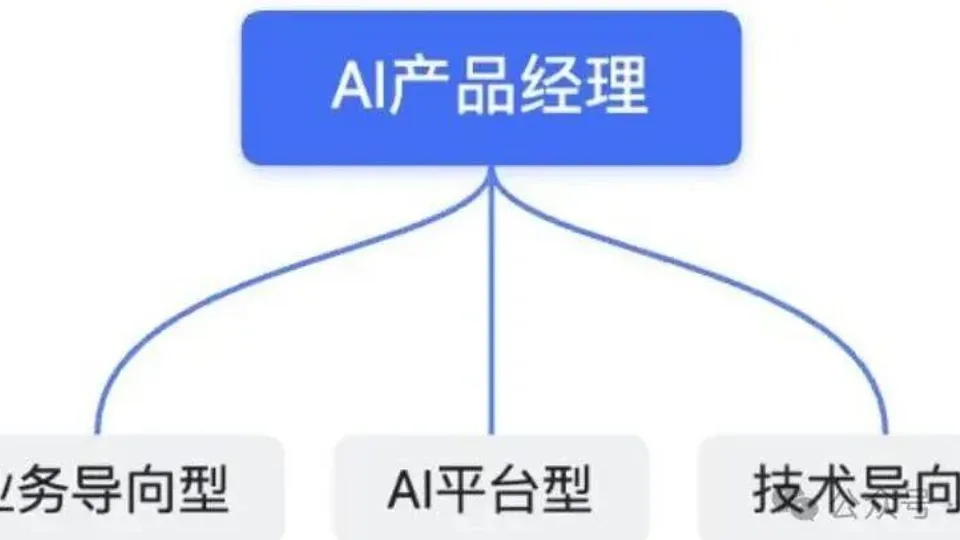
The article breaks down AI product management into three distinct tracks—business‑oriented, platform‑focused, and technical—detailing their core responsibilities, required skills, typical industry examples, recruitment profiles, transition pathways, and future demand trends, helping professionals choose the right career direction.
The article breaks down AI product management into distinct career tracks—technical specialization, vertical industry focus, full‑lifecycle ownership, growth‑driven scaling, and platform infrastructure—detailing each role's responsibilities, required skills, and how they differ from traditional product management.
This guide walks through the end‑to‑end process of creating a successful AI product, from discovering real user problems and assessing market fit, through defining a Minimum Viable Intelligent Product, building data‑driven loops, choosing the right models, designing trustworthy UX, and scaling with a sustainable moat.
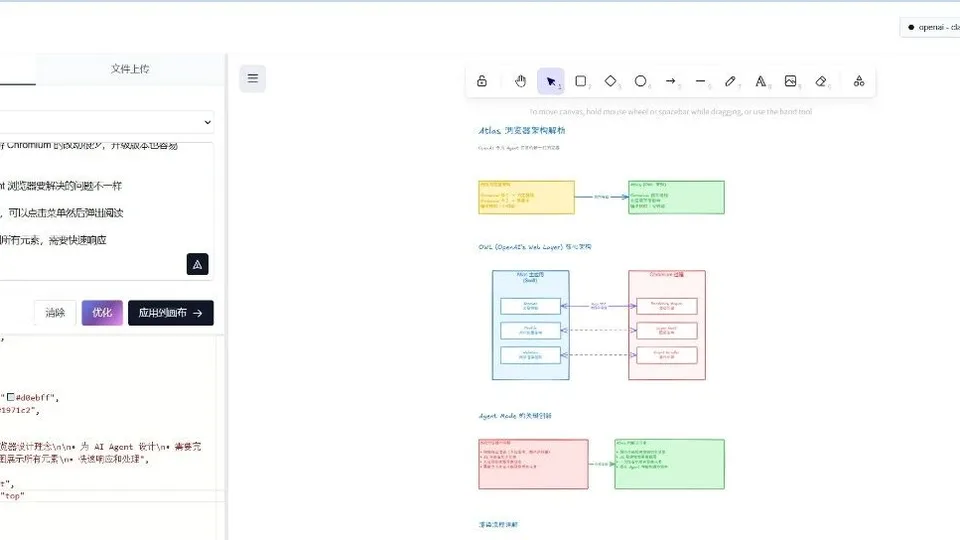
Smart-Excalidraw-Next is an open‑source, AI‑driven diagramming tool that transforms text descriptions into professional flowcharts, architecture diagrams, and mind maps in seconds, offering auto‑layout, real‑time collaboration, logic checking, and low‑code integration to boost productivity for product managers, developers, and educators.
The article presents fifteen core thinking models for product managers, covering demand analysis, competitive analysis, goal setting, user experience, and product operations, and explains each model’s components, applicable scenarios, and practical examples such as the Y model, Kano, Porter’s Five Forces, and the AARRR framework.
The article explains five cognitive patterns that drive procrastination, examines why they arise from evolutionary psychology, and offers concrete product‑design tactics—such as progress bars, timeboxing, social accountability, and gamified narratives—to help users overcome each trigger.
Through a series of humorous dialogues, this article explains why developers need product managers to translate vague client demands into clear technical requirements, highlighting communication gaps, role separation, and the importance of a dedicated translator in software projects.
This case study details how Maor built Base44, an AI‑driven no‑code app creator, grew from a solo prototype to a $80 million acquisition by Wix, outlining its market, business model, financials, and practical lessons for aspiring entrepreneurs.
This article explores the difficulty of establishing a shared language in software engineering, outlines three essential domains and mindsets for developers, delves into demand analysis, product value, user experience, and strategy, and contrasts ToC and ToB approaches while highlighting practical documentation outputs.
This article explains the fundamentals of installment payments, traces the evolution of consumer finance in China, outlines the main market operation models, describes the industry’s structural participants, and details the product ecosystem and roles of product managers within the sector.
Samuel, a former optician turned solo developer, shares how he leverages AI tools to identify proven SaaS products, make a 1% improvement, and build three applications that collectively generate $35,000 in monthly revenue, outlining his project‑driven learning, four‑step idea validation, and four‑wheel growth model.
This guide explains how to build a closed‑loop growth metric system and applies it to a video app, detailing metric design, data collection, analysis, hypothesis testing, validation, and deployment of optimization strategies to improve content submission rates.
The article explains why Apple’s 30% commission does not apply to the 12306 train ticket app, detailing the App Store’s “Apple tax” rules, the distinction between digital and physical services, and the broader implications for developers and platform policy.
At Meta Connect 2025, Meta's ambitious showcase of three new smart glasses and a neural wristband backfired with two high‑profile demo failures—one caused by a self‑inflicted DDoS from simultaneous device requests and the other by a race‑condition bug that put the HUD to sleep—turning a potential breakthrough into a public embarrassment.
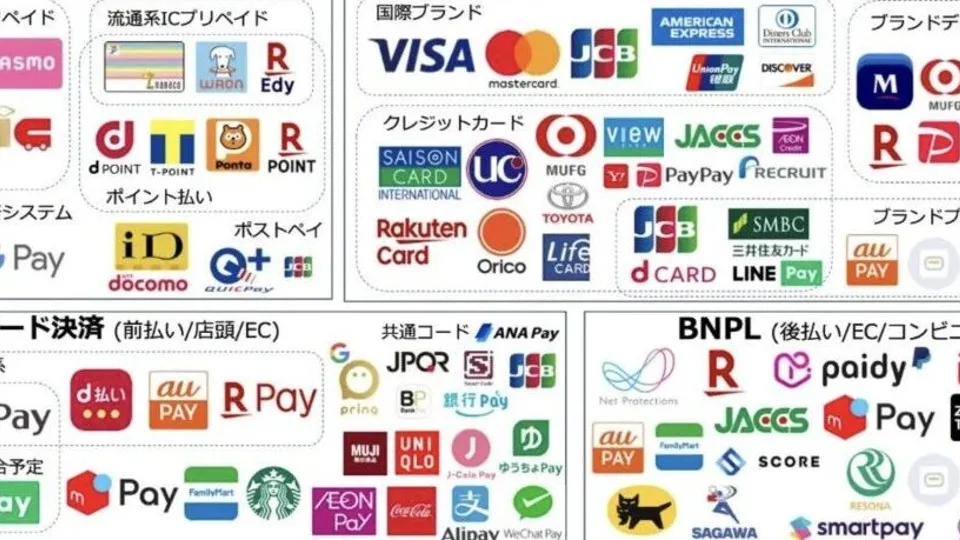
The article analyzes how Japan’s cash‑centric but orderly market, South Korea’s ultra‑competitive digital wallet ecosystem, and North Korea’s politically‑controlled hybrid payment model shape distinct opportunities and challenges for fintech companies seeking to expand in East Asia.
This case study details YTO Express's comprehensive redesign of its member mini‑program—covering visual branding, interaction consistency, emotional resonance, and multi‑device adaptation—showing how systematic UX upgrades drove a 168% rise in experience scores and dramatic business metric improvements.
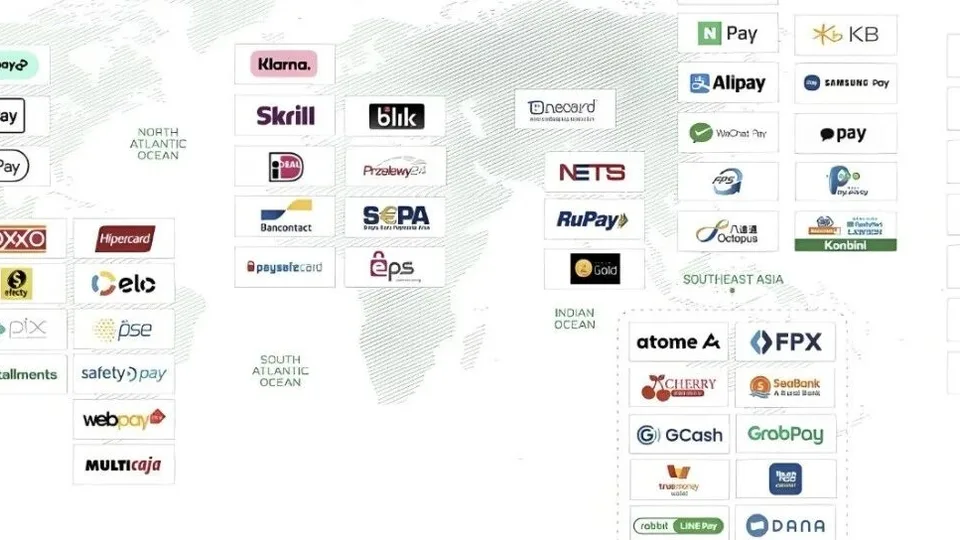
Europe’s digital payments hit €6.8 trillion in 2024, yet cash still dominates in many regions, creating three distinct market camps and a complex web of players, regulations, and integration challenges that fintechs must navigate to succeed.