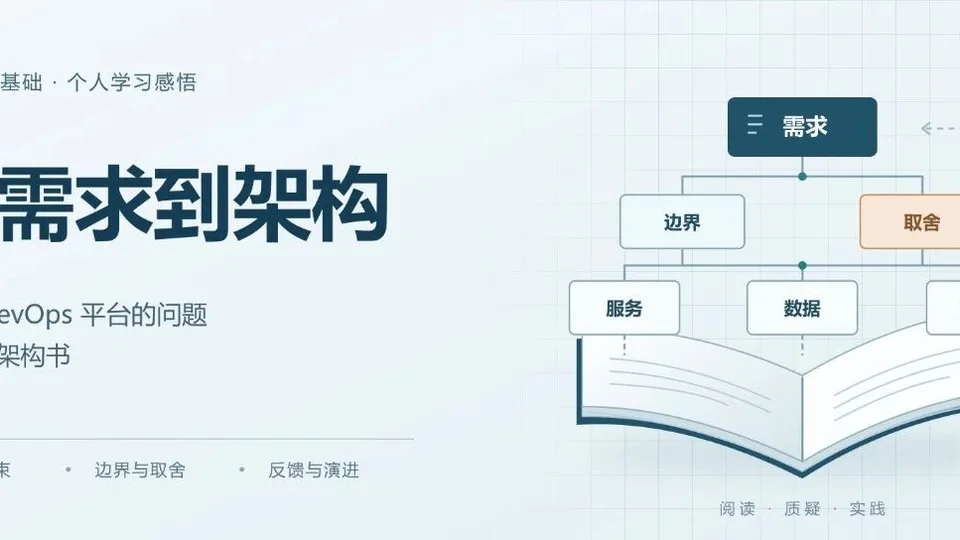
This article reveals how ambiguous concept boundaries—not technical mistakes—drive architecture costs, using automotive examples to show how clarifying intension, extension, and system concepts enables clear responsibilities, shared language, risk analysis, and organizational knowledge.
This article explains why ERP professionals struggle with top-level design despite years of experience, identifying the wrong learning path as the root cause, and provides a four-stage learning roadmap covering business fundamentals, product mastery, architecture methodology, and real-case analysis, plus common pitfalls and a self-assessment test.
While AI can rapidly generate architecture diagrams and specifications, architects must rigorously define system boundaries, verify reference materials, document decision rationale with trade-offs, and adapt their skills to orchestrate AI workflows and evaluate outcomes to prevent unverified assumptions from entering production.
Tencent's OK platform rebuilt its R&D process from scratch using zero-based thinking, enabling AI to deliver 68% of 254 requirements end-to-end with 51% completed within two hours, replacing traditional handoffs with a nine-stage pipeline, dual quality gates, surgical coding discipline, and a knowledge flywheel that shifts human roles to high-level judgment.
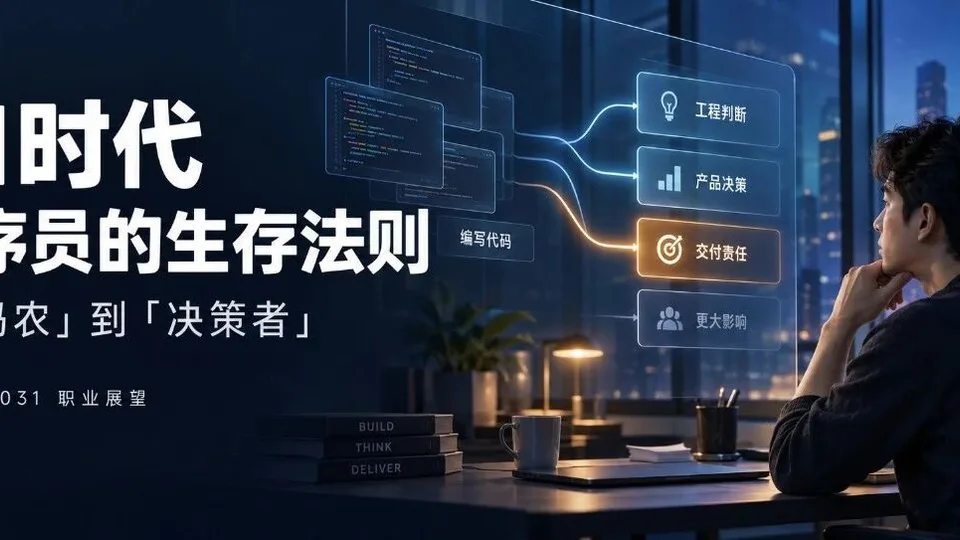
This article analyzes how AI shifts programmer value from implementation to judgment, citing research from METR, DORA, and Anthropic, and provides a framework for developing decision-making skills through problem definition, solution selection, validation, code understanding, and retrospective, with career paths for 2026–2031.
The author experiments with Doubao Work AI agent to simulate a first-time user testing their AI writing desktop app "Lingxie Creation", having it explore the UI, write a novel, and produce a prioritized experience report with issues and optimization suggestions, then proposes integrating this into QA workflows as reusable Skills and a QA manager role.
The author configures Codex to use simple English via AGENTS.md, creating a workflow where they read AI responses in English first, request simplifications when stuck, and practice writing by mixing Chinese and English, turning daily development into incremental language learning.
The article details OK Platform's AI-driven end-to-end R&D pipeline that automates nine stages from requirement to deployment, achieving 68% auto-completion and 51% within 2 hours, using zero-based thinking to eliminate human bottlenecks, with structured specs, quality gates, knowledge flywheel, and human-as-decision-maker model.
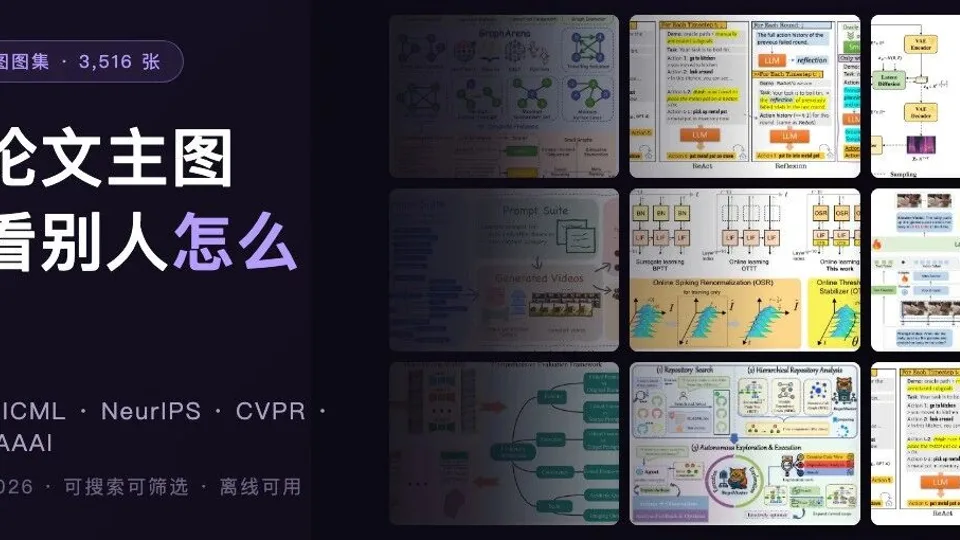
The article introduces Top-Conf Figure Gallery, a static webpage collecting 3,516 Figure 1 images from six top AI conferences (2023–2026), filterable by conference, year, acceptance tier, and visual mode, plus FigureForge, an AI-assisted tool that uses these figures as references to generate draft illustrations for researchers' papers.
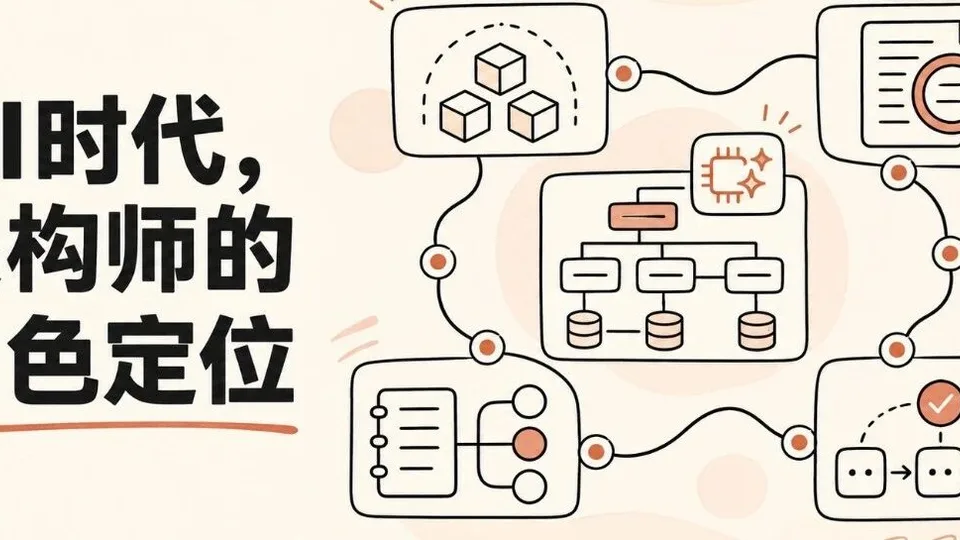
This article explores why years of coding experience don't automatically produce architect-level judgment, detailing the shift from local implementation to global abstraction, boundary setting, and trade-off decisions, and provides a four-step training loop with concrete daily practices and common pitfalls to avoid.
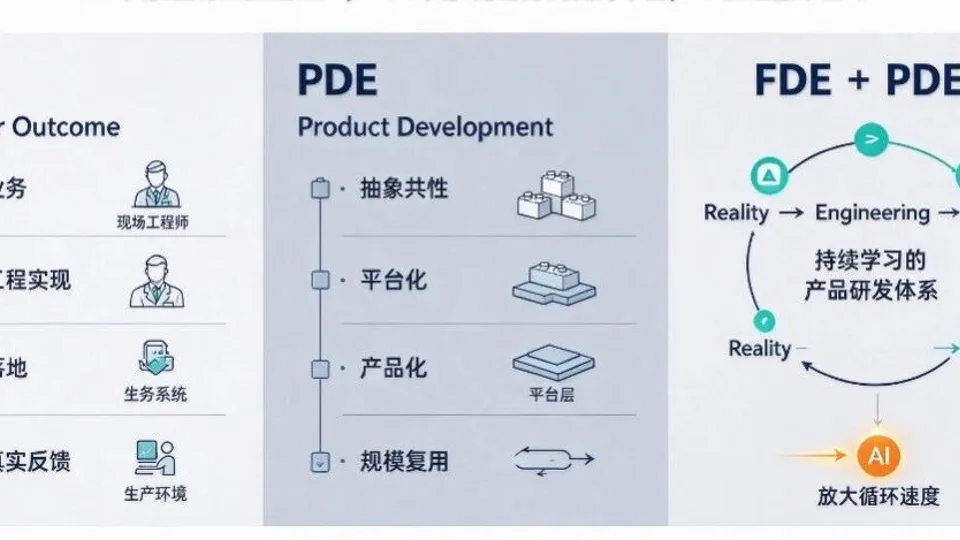
This article analyzes Palantir's Forward Deployed Engineer (FDE) and Product Development Engineer (PDE) model, explaining how continuous feedback from customer deployments drives platform evolution, why this approach solves complex enterprise AI integration challenges, and how AI agents are now automating the FDE role itself.
The article argues against building comprehensive enterprise ontologies upfront, recommending instead to start from a concrete business problem, build a minimum viable ontology that closes the loop across identity, state, judgment, and action layers, let governance emerge organically, and measure success by business decision adoption rather than model size.
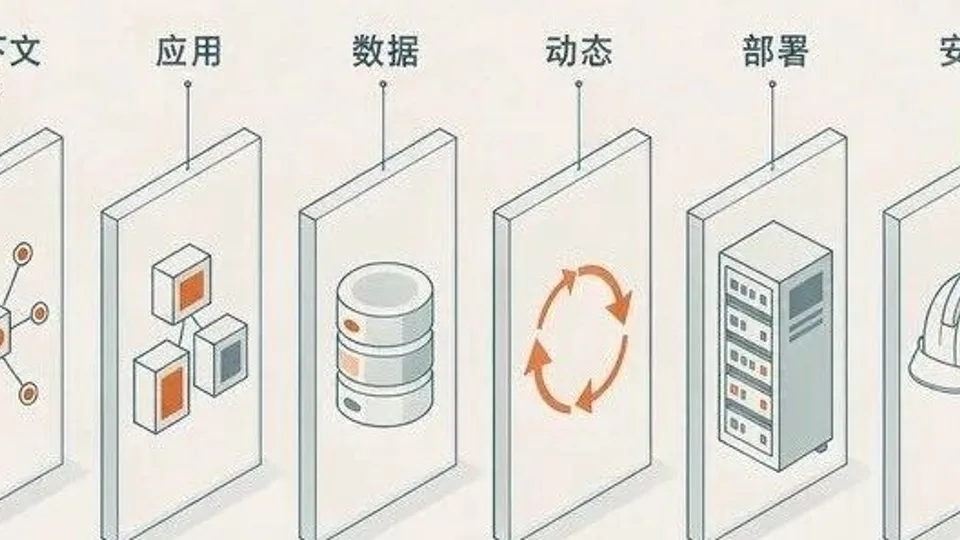
This article presents a practical framework for architecture documentation using six complementary views, architecture decision records (ADRs), and a structured review checklist to ensure clarity, consistency, and verifiability in industrial digitalization projects.
This article explains how to structure a programmer's portfolio to clearly demonstrate capabilities by answering five key questions per project, distinguishing portfolio from GitHub, and providing concrete examples like blog deployment, server security, and Docker+Nginx architecture with capability tags and retrospective links.
A 20-year tech executive shares how moving beyond traditional R&D efficiency tools to full-chain restructuring — strategic project portfolio cuts, product portfolio rationalization, upstream engineering coordination fixes, and post-launch value verification with penalty-backed commitments — achieved 30%+ cost reduction on a stable top-tier platform without headcount reduction.
This article explores how mission engineering methods scale from brewing a single cup of coffee to serving ten people and fulfilling complex orders, emphasizing that while definitions and recipes can be reused, goals, timing, resource capacity, handoffs, and success evidence must be re-validated for each new scenario, using OPM and ontology to trace cross-system collaboration and emergence.
The article explores how safety-critical industry standards like ASD-STE100, DO-178C, and MISRA can be applied to AI-assisted development workflows, detailing three skills for requirements, review, and code safety that mirror aerospace and automotive engineering practices.
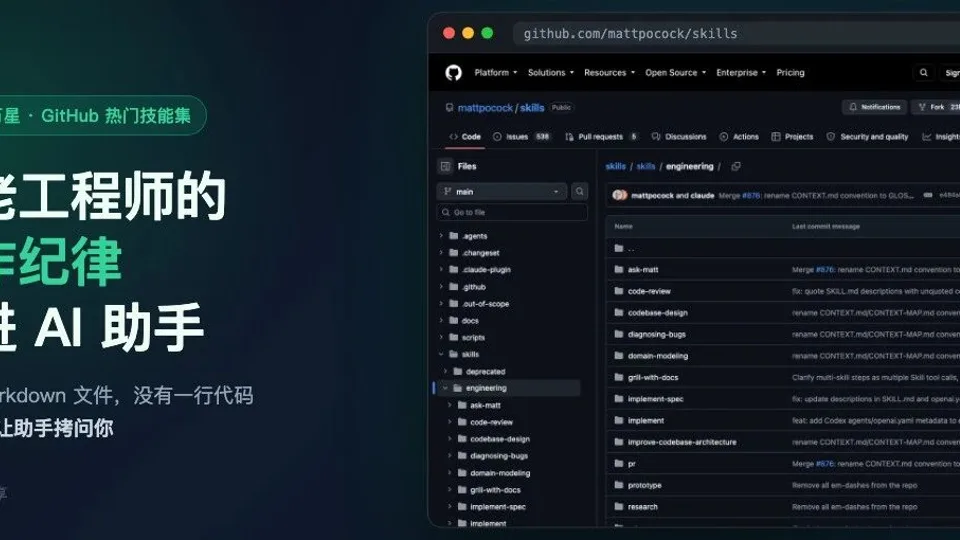
The mattpocock/skills repository provides 27 Markdown-based skill files that instill engineering discipline into AI coding assistants like Claude Code and Codex, enforcing practices such as requirement questioning, test-driven development, and dual-axis code review through slash commands and automatic behavioral rules without dictating implementation details.
This article explains how to effectively respond to reviewer concerns about hyperparameter sensitivity by providing hyperparameter sweeps, justifying default values via validation sets or efficiency trade-offs, and avoiding test-set tuning, with concrete rebuttal templates and examples.
This article demonstrates how to translate mission tasks into concrete engineering threads by assigning specific people, tools, and actions to each step, using a coffee-making example to expose resource contention, handoff gaps, and the difference between paper parallelism and real-world feasibility.