A comprehensive guide to Raspberry Pi covering its evolution from 2012 to 2023, hardware specs (GPIO, HDMI, USB, CSI/DSI), OS options (Raspberry Pi OS, Ubuntu, Kali, Home Assistant), headless setup via SSH, and practical projects like Pi-hole, media servers, smart home hubs, AI cameras, and retro gaming.
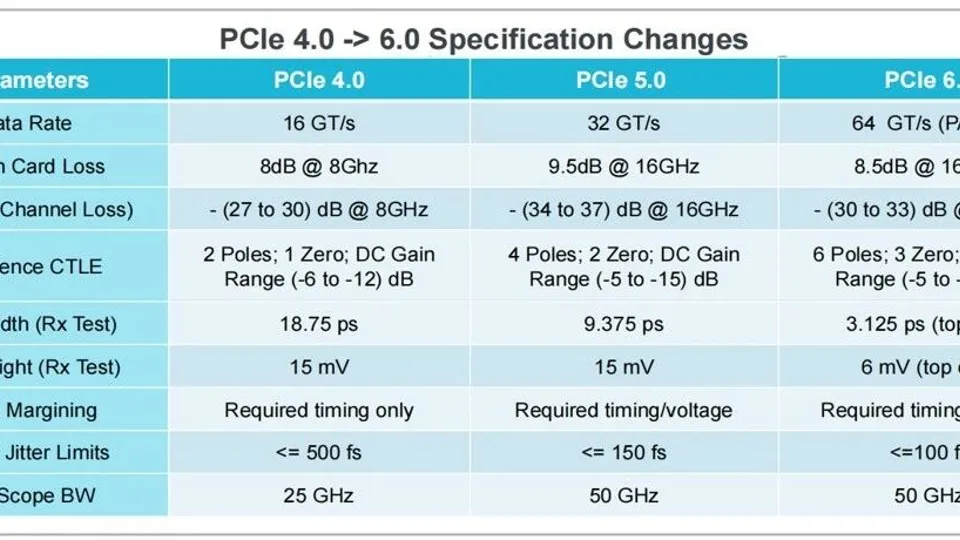
The article details the technical risks and a six-step engineering sequence for migrating from PCIe 5.0 (32 GT/s NRZ) to 6.0 (64 GT/s PAM4), covering 6 mV eye-height vulnerability, FFE/DFE/CTLE equalization explosion, evolving SigTest/PAM4 BERT toolchains, stressed-eye calibration complexity, living CEM/ECN specs, and backward-compatibility validation across NRZ and PAM4 modes.
This article explains why "zero accidents" is an unworkable safety goal and introduces the ALARP principle—As Low As Reasonably Practicable—as a framework for making defensible risk trade-offs in system design, using examples like emergency stops and input validation to show how safety measures can introduce new risks.
This article explains embedded systems as specialized computers embedded in devices like washing machines, cars, and smartwatches, covering their hardware components, software architectures, real-time requirements, development tools, and emerging edge AI applications.
This article provides a comprehensive guide to LeetCode 21 Merge Two Sorted Lists, covering iterative and recursive solutions, 10 common pitfalls with fixes, interview follow-up questions, and extensions to k-way merge, helping candidates move from merely passing to demonstrating engineering judgment.
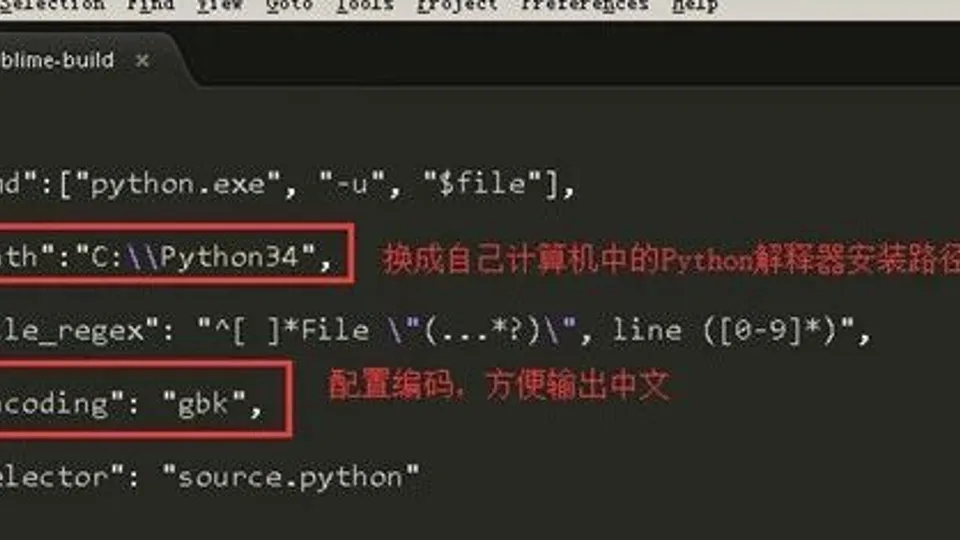
This tutorial walks through configuring the Python interpreter in Sublime Text by editing the Python.sublime-build file to add the Python path and UTF-8/GBK encoding, resolving decode errors and enabling script execution via Ctrl+B or the Build menu.
This article explains how NAT, originally a temporary fix for IPv4 address exhaustion, became permanent and broke the internet's original peer-to-peer design, forcing centralization through client-server architecture, complicating direct connections with STUN/TURN/ICE, and hindering IPv6 adoption due to ingrained security mindsets.
This article explains ISO 42010's architecture meta-model, showing that architecture starts with stakeholder concerns and conflicts, not structure diagrams, and details how viewpoints, views, and architecture descriptions address concerns, using an automotive domain controller case study to illustrate trade-offs and the architect's four core tasks.
This article explains architectural style as a set of reusable organizational rules that define how system components divide responsibilities and collaborate, using a book-borrowing application to illustrate how layered architecture constraints limit modification ripple effects while leaving specific design decisions to implementation.
This article traces the 40-year evolution of mobile computing from 1G brick phones to 5G AI-powered smartphones, detailing key hardware components like SoCs and displays, comparing iOS, Android, and HarmonyOS ecosystems, and outlining essential security practices for modern devices.
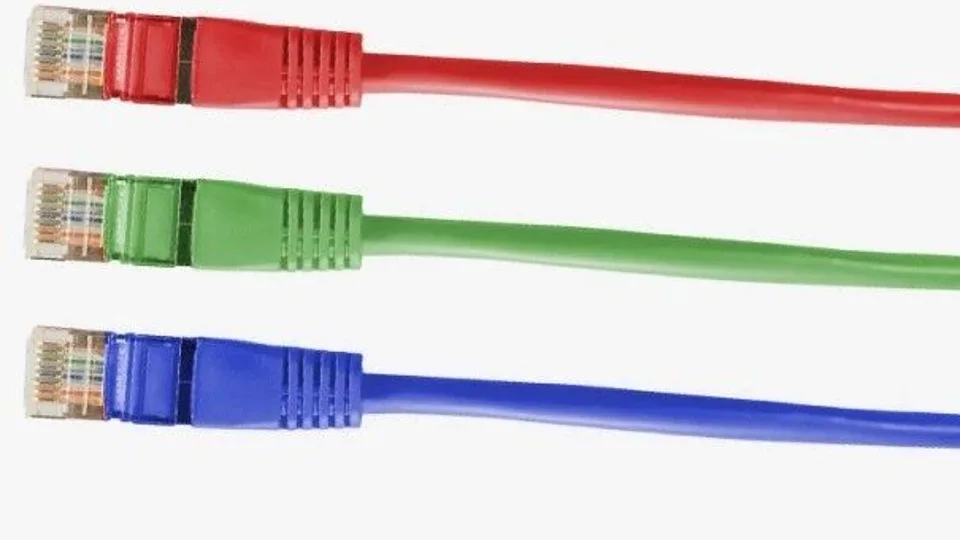
This article explains the technical differences between network cables and Ethernet cables, defines patch cables, compares cable categories like Cat5e, Cat6, and Cat6A, discusses solid vs. stranded conductors and crossover cables, and offers practical buying advice for home and enterprise networks.
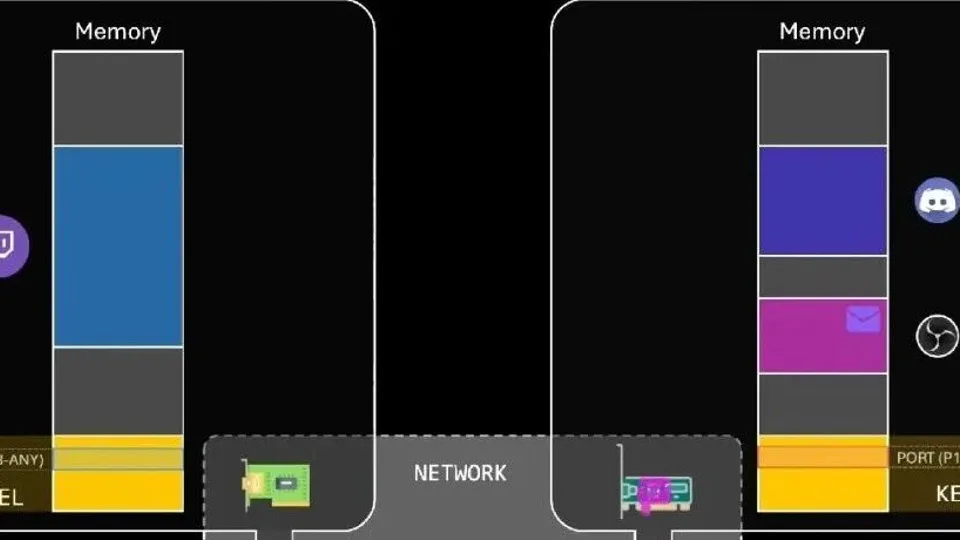
This article explains how processes communicate via shared memory and message passing, using Chrome's multi-process architecture as a case study to show why a single tab crash doesn't bring down the entire browser, and covers OS mechanisms like pipes, sockets, and Mach ports.
This article explains virtualization technology, covering how it enables one physical computer to run multiple virtual machines, the types of virtualization (full, paravirtualization, hardware-assisted, containers), hypervisor types (Type 1 bare-metal vs Type 2 hosted), VM components, practical applications (development, server consolidation, cloud, learning, security), Docker container comparison, performance overhead, and future trends like serverless and GPU virtualization.
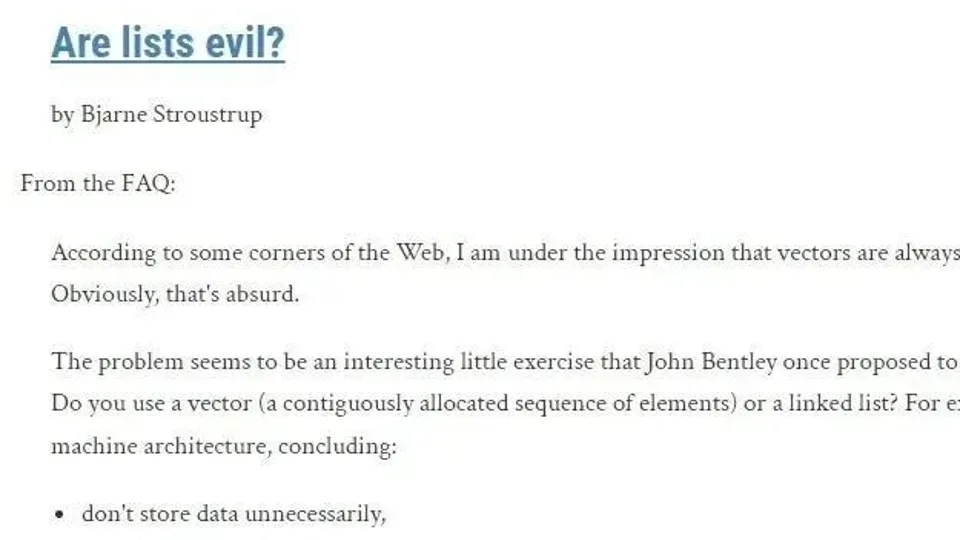
This article analyzes why linked lists often lose to arrays in real-world performance despite theoretical O(1) insertion advantages, exploring CPU cache effects, memory walls, Stroustrup's vector vs list experiments, and scenarios where linked lists still excel in kernels and hybrid structures.
This comprehensive guide covers Linux memory fundamentals, address space layout, buddy and slab allocation algorithms, kernel/user memory APIs, page fault handling, shared memory, common C/C++ memory pitfalls, and essential monitoring tools for backend developers.
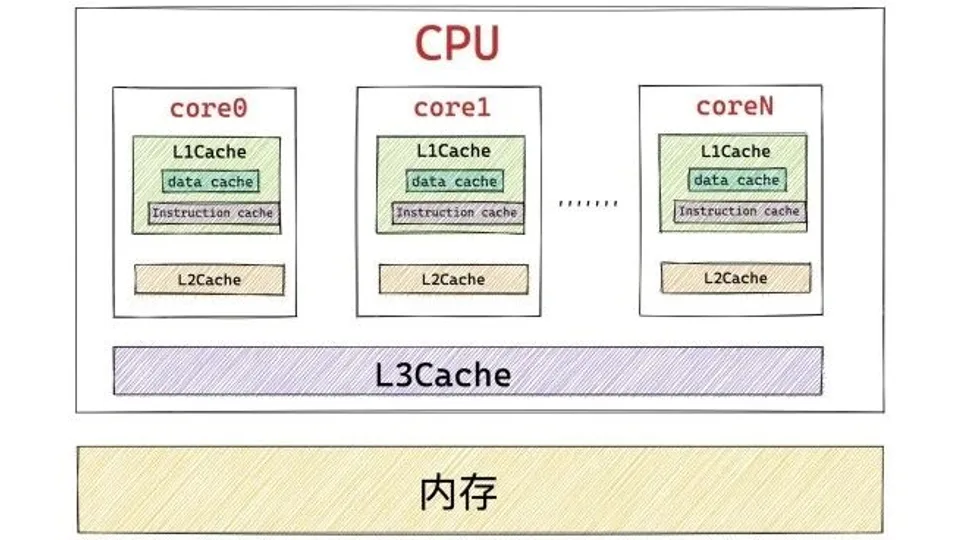
This article explains CPU cache hierarchy, cache line structure, mapping policies, write strategies, and MESI coherence protocol with C++ benchmarks showing 8x speedups from row-major traversal, struct alignment, and false sharing elimination using alignas(64) and hardware_destructive_interference_size.
This article traces the evolution of file path separators from Multics' angle brackets through Unix's forward slash to Windows' backslash, explaining how keyboard layouts, existing character assignments, and cross-OS compatibility shaped the conventions we use today.
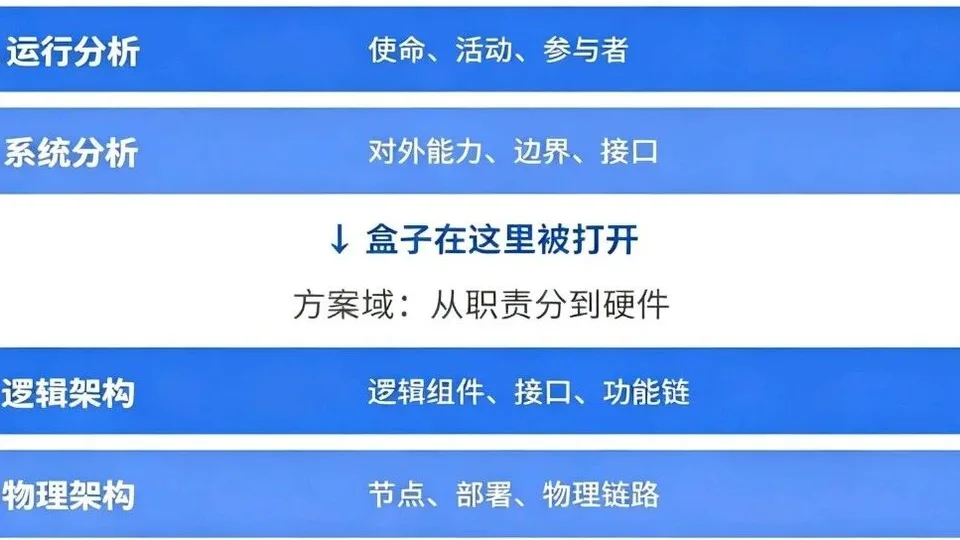
This article explains the Arcadia four-layer architecture method (Operational, System, Logical, Physical), detailing each layer's purpose, the risks of jumping straight to physical design, and how bidirectional traceability across layers controls rework costs and aligns team communication.
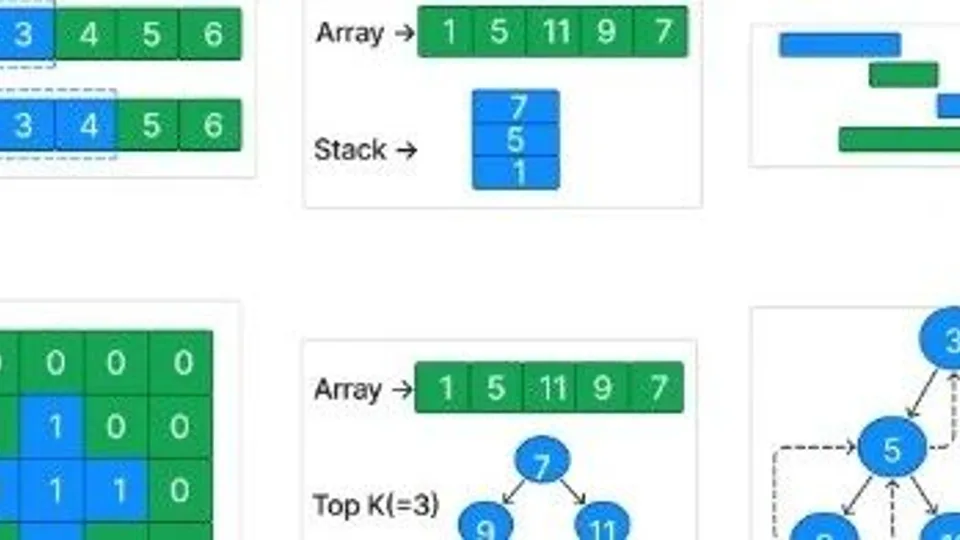
After solving 1,500+ LeetCode problems, the author distills 15 essential algorithmic patterns — each with concrete examples, step-by-step reasoning, and specific practice problems — to help developers recognize problem types instantly instead of memorizing solutions.
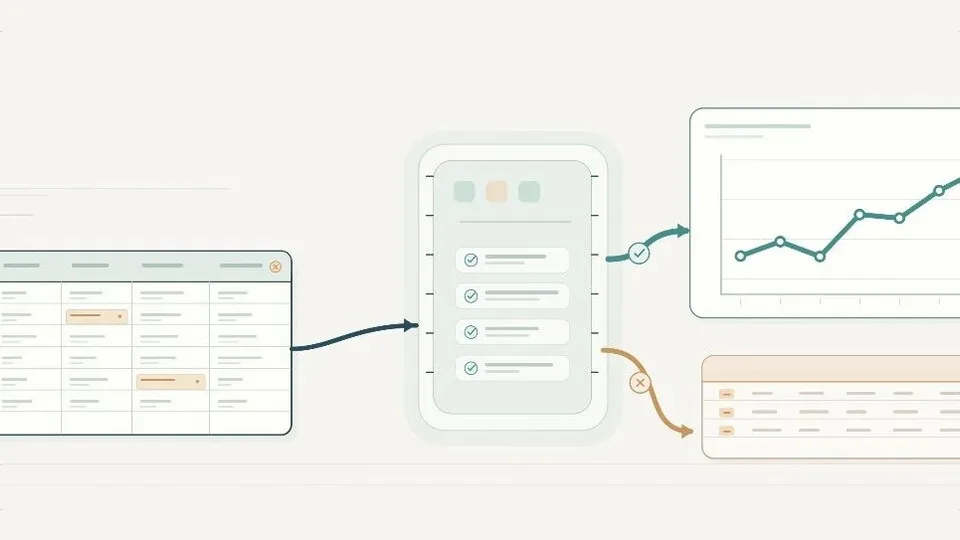
The article demonstrates using Pandera to define data contracts for a 1,200-row dirty sales CSV, validate columns, types, ranges, and uniqueness, isolate 32 invalid rows, and visualize clean data with Plotly, while noting Polars integration caveats and when to adopt Pandera in production pipelines.