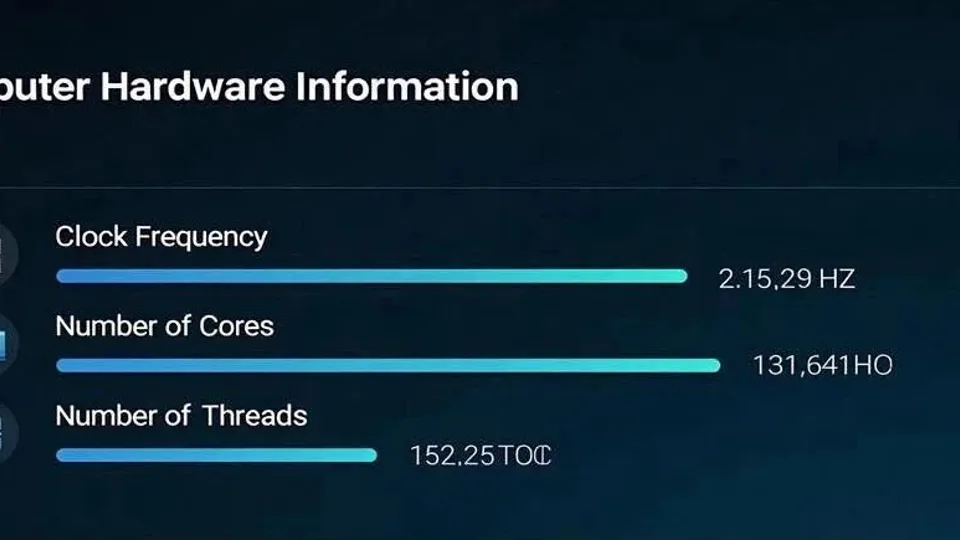
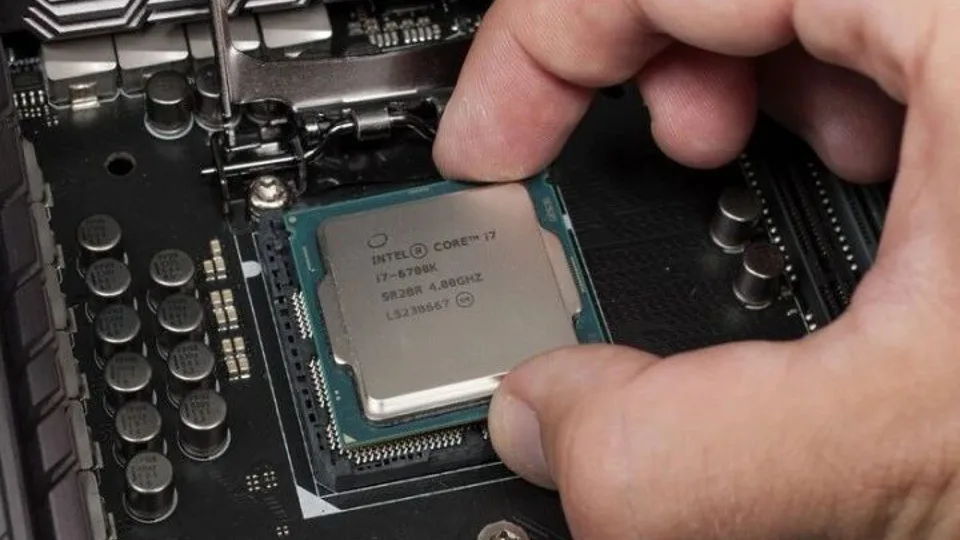
Modern CPUs now feature aggressive automatic boost technologies like Intel Turbo Boost and AMD Precision Boost Overdrive, leaving minimal headroom for manual overclocking. Factory tuning already pushes silicon limits, while diminishing returns, higher costs for cooling and motherboards, and GPU bottlenecks in gaming make manual tuning impractical for most users. Overclocking persists only for enthusiasts and specialized workloads.
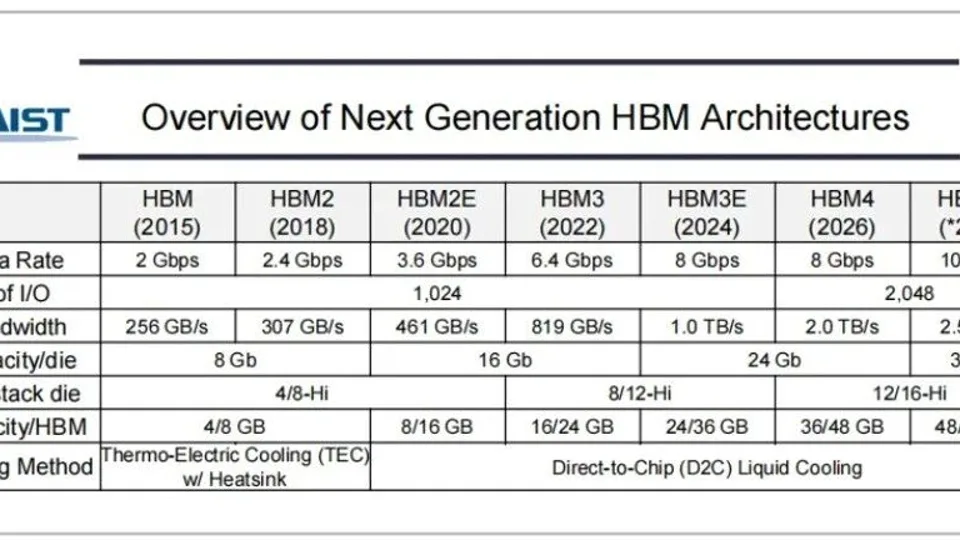
KAIST Laboratory presents a 99-page analysis of next-generation HBM architectures (HBM4–HBM8) for AI transformer workloads, detailing the memory-wall bottleneck, roofline modeling on V100, evolution from HBM1 to HBM3E, cooling progression from air to fluidic TSV, and six key technical directions including 3D near-memory computing and CXL integration.
This article walks through solving LeetCode 37 Sudoku using backtracking with three optimization tiers: brute-force validation, boolean state arrays for O(1) constraint checks, and bitmask combined with MRV heuristic achieving 1-3ms runtime, plus 10 common interview follow-up questions and a pitfall checklist.
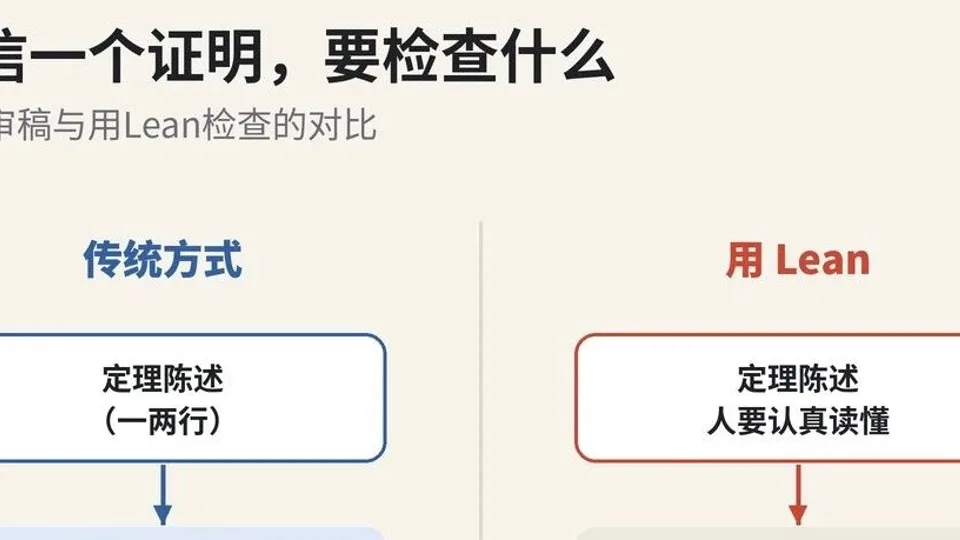
This article introduces Lean 4, a functional programming language and interactive theorem prover, covering its dependent type theory foundation, basic syntax with tactics, the Mathlib library, kernel trustworthiness via the de Bruijn criterion, limitations including implementation bugs and statement accuracy, and getting-started resources like the Natural Number Game.
New Kbuild patches and AI-driven compiler optimizations have cut Linux kernel defconfig build times to ~15 seconds on a 128-core AMD EPYC server — a ~30% gain without RAM disks — while allmodconfig builds approach two minutes; future Zen 6 and PCIe 6.0 hardware could push standard builds under 10 seconds.
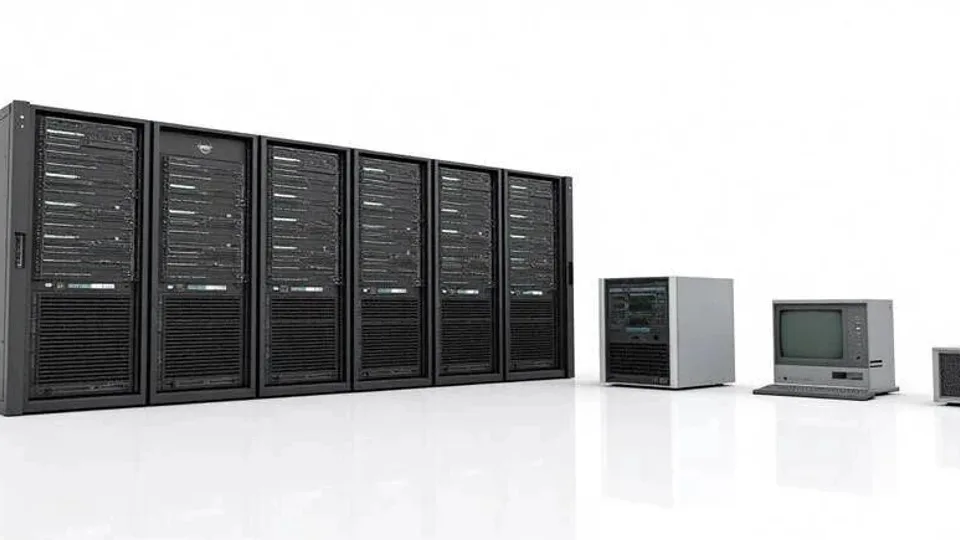
This article categorizes computers into supercomputers, mainframes, minicomputers, and microcomputers, detailing performance metrics like FLOPS, top systems such as Frontier and Fugaku, why banks rely on IBM mainframes for reliability and ACID transactions, the history and decline of minicomputers, and microcomputer types including desktops, laptops, workstations, and servers.
This article details four ways to undo pushed Git commits: manual file comparison, git revert, creating a new branch from an old commit, and git reset with force push, explaining each method's workflow, safety trade-offs, and when to use which approach.
This article explains TCP from a developer's perspective, covering OSI/TCP/IP models, data encapsulation across layers, MTU and MSS calculations, three-way handshake mechanics and why it's not two or four steps, TCP Fast Open optimization, connection state transitions, four-way handshake termination, and detailed TCP header field analysis with concrete numbers.
This article exposes how unit test coverage metrics mislead management by counting executed code without verifying correctness, demonstrates with examples how tests lacking assertions create false confidence, explains Goodhart's Law in testing, warns that AI-generated tests amplify the problem by boosting coverage without ensuring quality, and advocates mutation testing and TDD to ensure tests actually catch bugs.
This article introduces quantum computing fundamentals, explaining how qubits leverage superposition, entanglement, and interference to achieve exponential speedups for specific problems like factorization and search, while detailing current hardware implementations, key algorithms, applications in cryptography and drug discovery, and major challenges including decoherence and error correction.
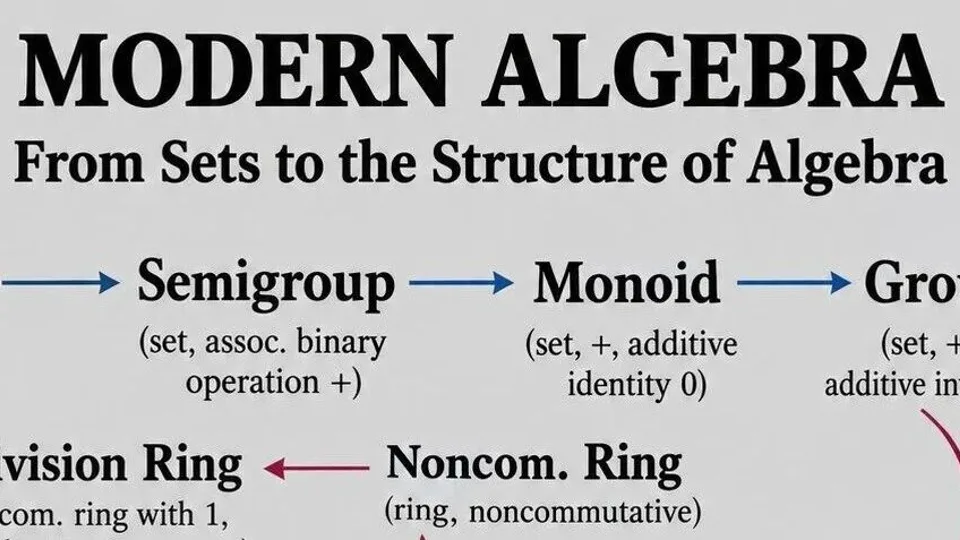
The article traces the hierarchy of algebraic structures from sets to vector spaces, showing how each step adds axioms — associativity, identity, inverses, commutativity, distributivity, division — to enable more operations, illustrating with integers, matrices, quaternions, and fields, and revealing the trade-off between axioms and examples.
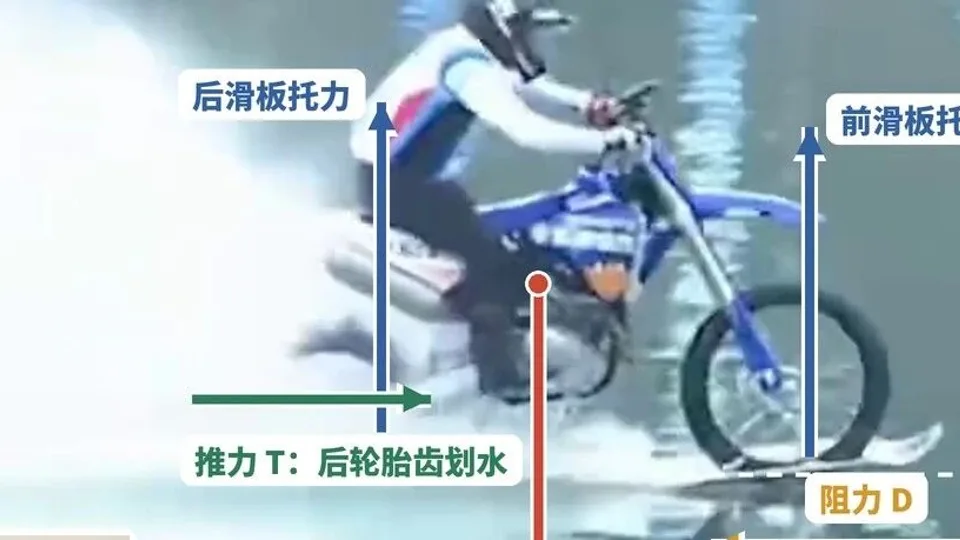
This article analyzes the mathematical and physical principles behind Zhang Xue's Guinness world record of 40.74 km on a modified motorcycle skimming across water, covering force balance, critical speed, resistance curves, turning dynamics, and the role of sustained thrust versus initial momentum.
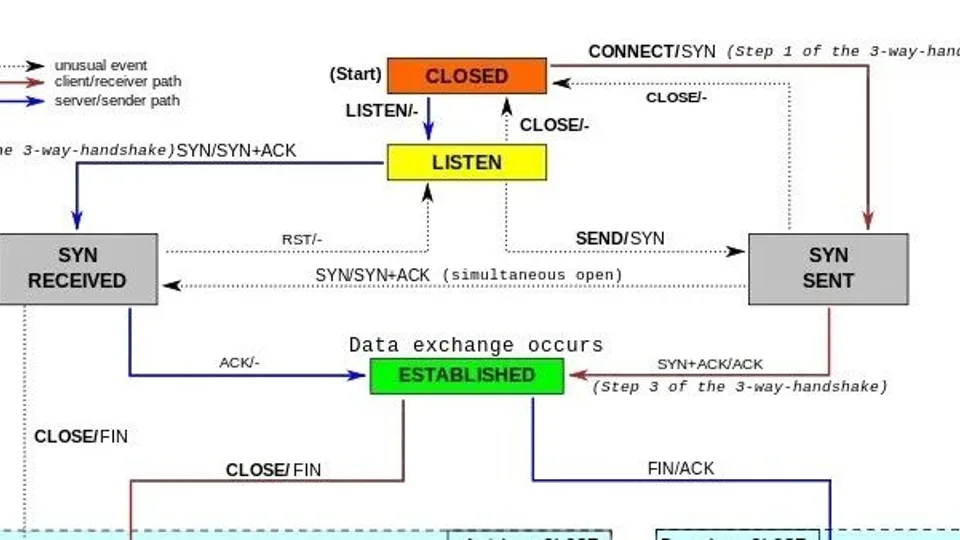
This article walks through the complete TCP connection lifecycle from SYN to FIN, explaining three-way handshake, four-way handshake, sliding window, flow control, congestion control algorithms (slow start, congestion avoidance, fast retransmit/recovery), the TCP state machine with 11 states, and practical troubleshooting for CLOSE_WAIT, SYN_RECV, FIN_WAIT_2, and TIME_WAIT issues using ss/tcpdump/Wireshark.
The article argues that software performance is primarily determined by architectural design rather than programming language speed, because most applications are I/O-bound and slow languages already delegate CPU-intensive work to optimized libraries; real speedups come from redesigning algorithms, caching, and query optimization, not from rewriting in faster languages like Rust.
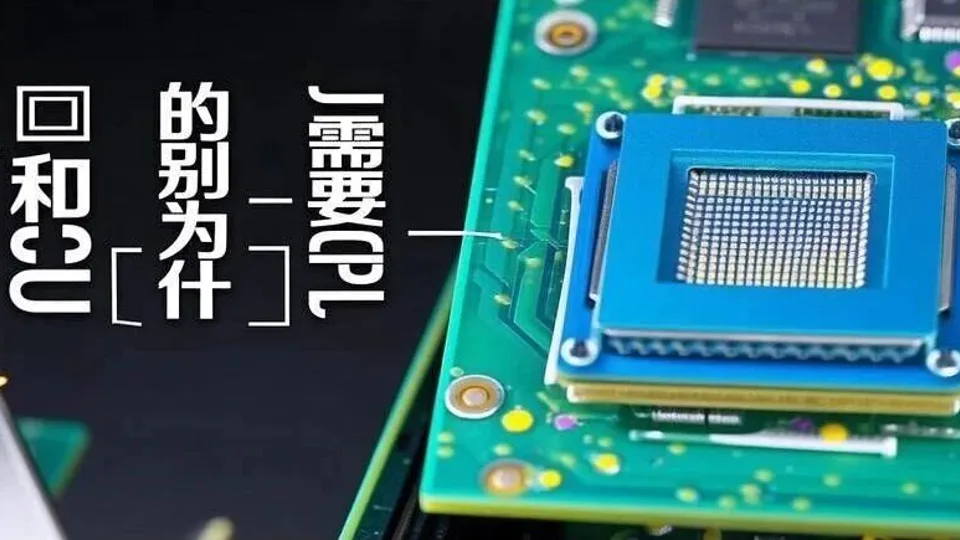
This article explains the fundamental architectural differences between CPUs and GPUs, detailing why AI workloads rely on GPU parallelism, comparing core counts, memory bandwidth, and CUDA ecosystem dominance, while covering GPU types, key specifications, and future heterogeneous computing trends.
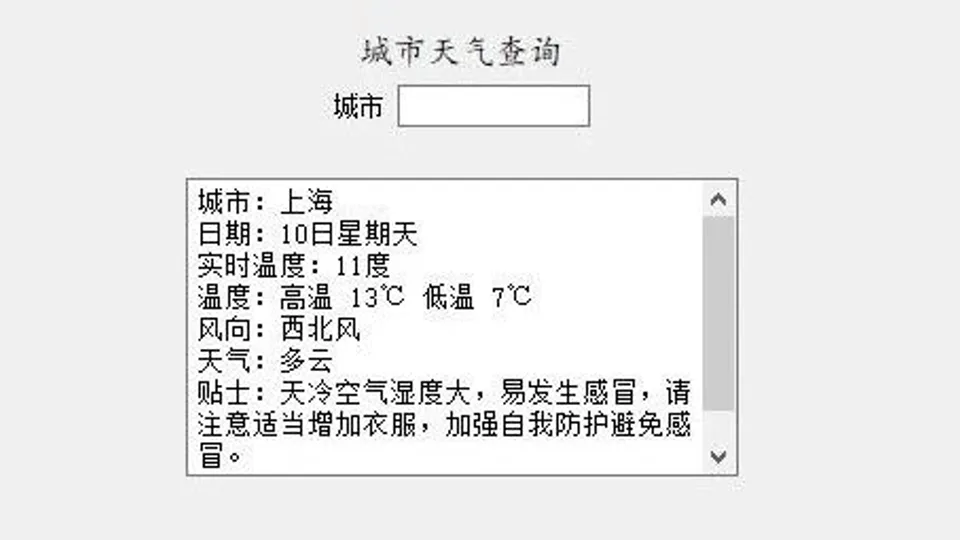
This tutorial walks through building a weather query desktop application using Python 3, PyQt5, and the requests library, covering city code data preprocessing with pandas, UI design via Qt Designer, integration with the eTouch weather API, JSON response parsing, error handling, and packaging with PyInstaller.
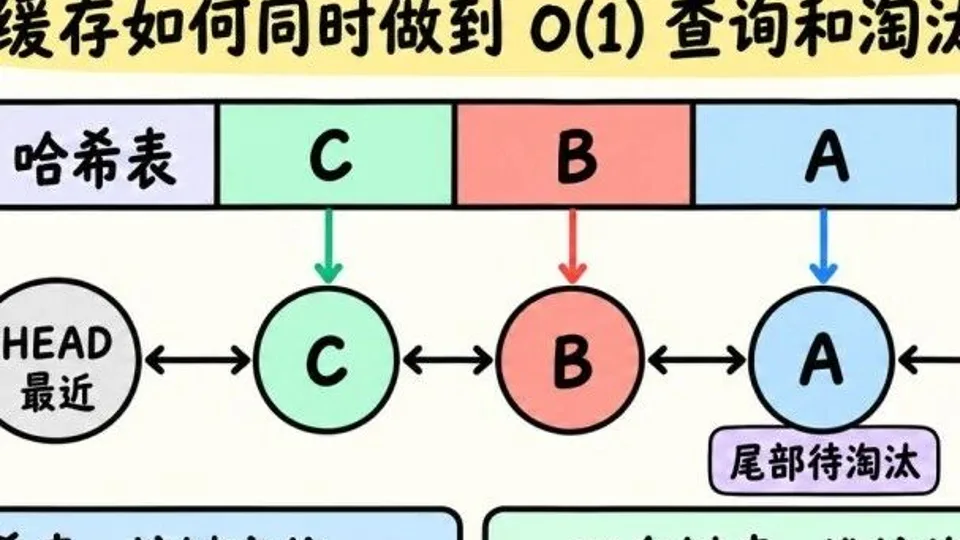
This article explains how LRU cache combines a hash map for O(1) key lookup with a doubly linked list to maintain access order, enabling O(1) get and put operations including eviction of least recently used items, illustrated with step-by-step examples and a complete Python implementation.
This article examines the ethical and practical limits of risk-benefit analysis in engineering, using the Ford Pinto case to show how monetizing human life leads to dangerous decisions, and proposes three critical questions engineers must ask to guard unquantifiable safety boundaries.
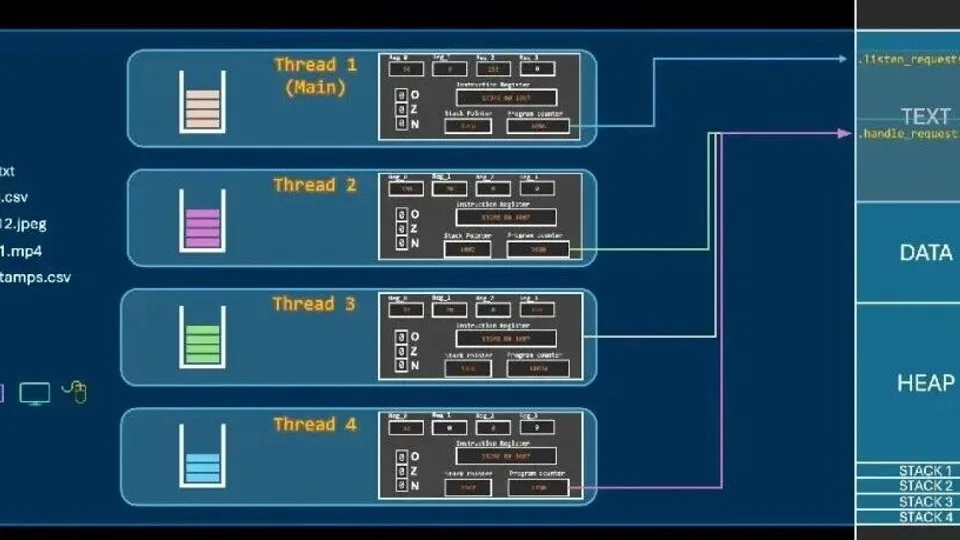
This article explains thread fundamentals by starting with a server I/O bottleneck, comparing multi-process and multi-threaded approaches, detailing thread memory model (private stack, shared heap), Linux's unified task structure, and why threads are lighter than processes for concurrent request handling.