This tutorial walks through creating a fully functional Snake game in Python using Pygame, covering window setup, snake and food initialization, directional controls, movement logic, collision detection, scoring, speed scaling, and game‑over conditions, all illustrated with code snippets and diagrams.
This tutorial walks through building a simple Arkanoid‑style game using Python and PygameZero, covering installation, window setup, drawing paddles and bricks, handling input, implementing ball physics, collision detection, and adding scoring logic, with complete code snippets and explanations.
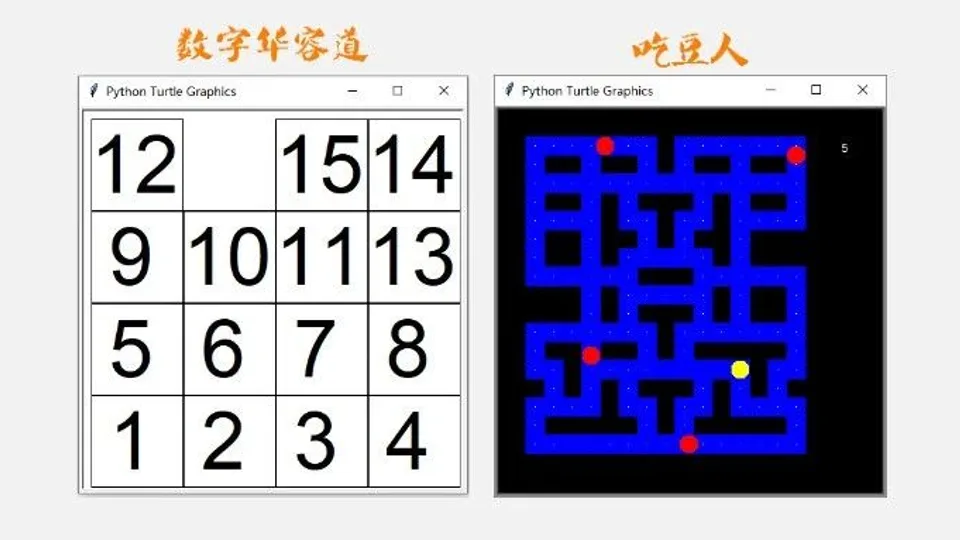
This guide introduces the freegames Python library, showing how to install it, explore its 20+ classic games such as Snake, Pac‑Man, and Pong, view source code, and use simple commands to run and study each game for learning Python game development.
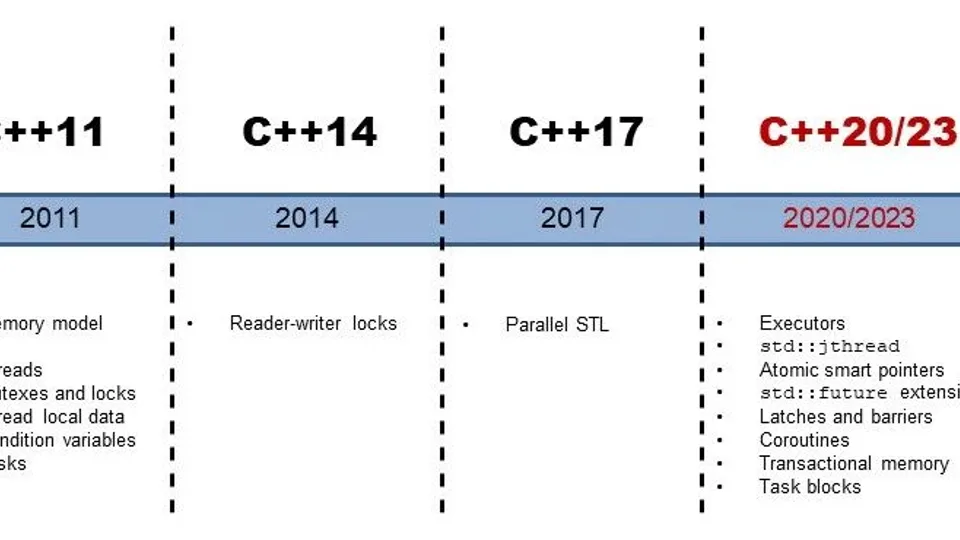
The article walks through C++20 coroutines—from basic suspension mechanics and the roles of coroutine_handle, promise_type, and awaitable methods—to constructing a lightweight game scheduler that manages task lifetimes, await modes, and RPC integration, and demonstrates how this approach mirrors Python’s yield‑based skill system while offering clearer, high‑performance native code.
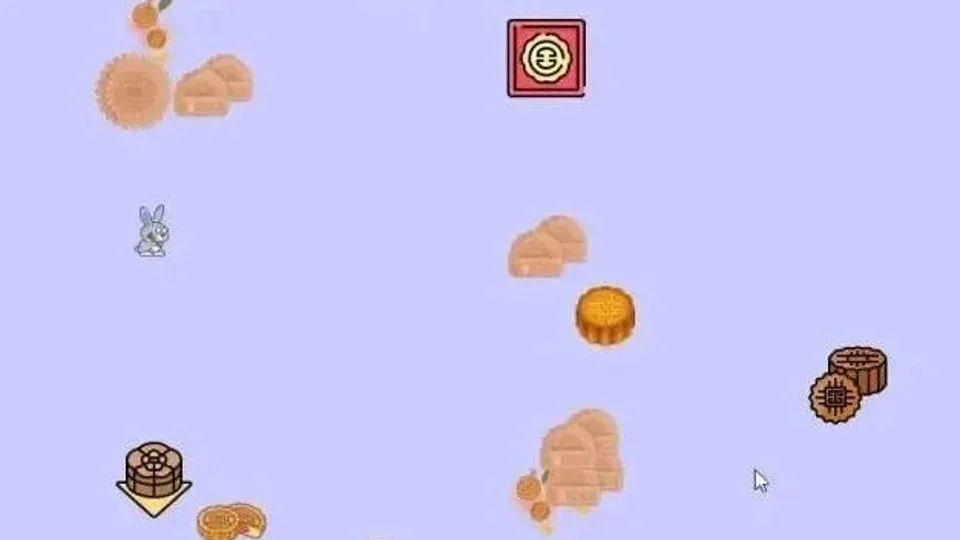
This article walks through creating a simple Python pygame game where a rabbit moves with WSAD or arrow keys to eat stationary mooncakes, gaining weight, with collision detection, dynamic mooncake spawning, and a game‑over condition when the rabbit’s weight exceeds a threshold, including full source code.
This article explores how game design principles—such as empathy, flow, responsibility, community, and challenge—can be transformed into emotional "spells" that enrich live‑streaming experiences, boost user engagement, and drive measurable business outcomes.
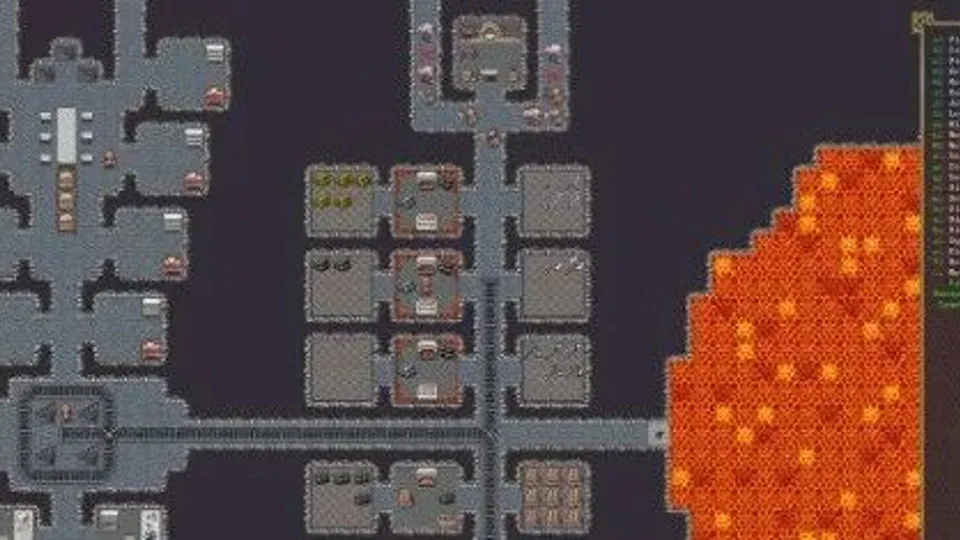
The article explores how Tarn Adams has single‑handedly maintained and expanded Dwarf Fortress for two decades, detailing its massive 700,000‑line C/C++ codebase, unique development philosophy, funding through donations, and recent Steam release while revealing the challenges of solo indie game creation.
This guide explains how to create and bind skeletal rigs in Cinema 4D for H5 games, covering IK/FK fundamentals, using the joint tool, mirroring bones, applying the cMotion system, and leveraging Mixamo animation libraries to quickly add lifelike character motions.
This case study analyzes how layered entry points, rights‑driven and game‑driven user segmentation, loading and experience optimizations, and unified UI components can transform high‑traffic project entrances into sustainable, engaging traffic with measurable retention improvements.
Oasis Engine 0.5 introduces a redesigned animation system with Animator, BlendShape support, a revamped PBR material interface using spherical harmonics, new 2D SpriteAtlas tools, enhanced physics APIs, expanded Spine and Lottie components, plus dozens of examples and higher test coverage, setting the stage for the upcoming 0.6 milestone.
This tutorial walks through building a classic Snake game in Python with Pygame, covering window and grid setup, snake and food initialization, direction handling, movement logic, scoring, speed adjustments, and the conditions that trigger game over.
ByteDance’s multi‑billion‑dollar acquisition of VR maker Pico mirrors Facebook’s Oculus purchase, intensifying a tech rivalry that spans metaverse ambitions, short‑video dominance, and aggressive investments in VR hardware, gaming, and social platforms.
This article walks you through creating a nostalgic NES (FC) emulator using C++ and SFML, covering required tools, CMake build steps, command‑line usage, and default keybindings, while sharing personal reflections on summer gaming memories.
This article describes the challenges of custom‑heavy game business workflows and manual data‑construction testing, then presents an initial and a refined solution that automates data generation across multiple game titles, reduces coupling, and improves efficiency and cost for backend operations.
This guide details how to implement 3D character skinning and multi‑part animation in CocosCreator 3.0 by splitting FBX models into separate prefab components, addressing material, mesh, and simultaneous animation challenges, and provides key TypeScript code for part replacement.
Learn how to achieve seamless multi‑device UI adaptation in Cocos by understanding design versus screen resolution, using Fit Height/Width modes, leveraging Widget components for edge alignment, and applying 9‑slice slicing to option backgrounds, all without cumbersome CSS or extensive code.
This article introduces the fundamentals of a game physics engine, covering the concept of engines, essential mathematics like vectors and calculus, TypeScript implementations for vector operations, and the integration of Newtonian mechanics such as mass, inverse mass, and basic object properties.
VR video clarity suffers because the required pixels‑per‑degree far exceed what 4K or 8K spherical streams can deliver, but tile‑based encoding that decodes only the viewport, combined with low motion‑to‑photon latency, distortion control, advanced codecs and AI‑driven projection, promises sharper, lower‑bitrate 6DoF experiences.
This article walks readers through recreating the original Python alien‑invasion game, then details a step‑by‑step overhaul that adds a polished UI, scalable monster mechanics, multiple maps, and an in‑game shop, complete with code snippets and visual examples.
This article explores how to rethink gamification from a value‑creation perspective, detailing the design process, user motivation, story crafting, and business integration of the “My Home” game, and provides practical case studies and frameworks for building engaging, purpose‑focused game experiences.