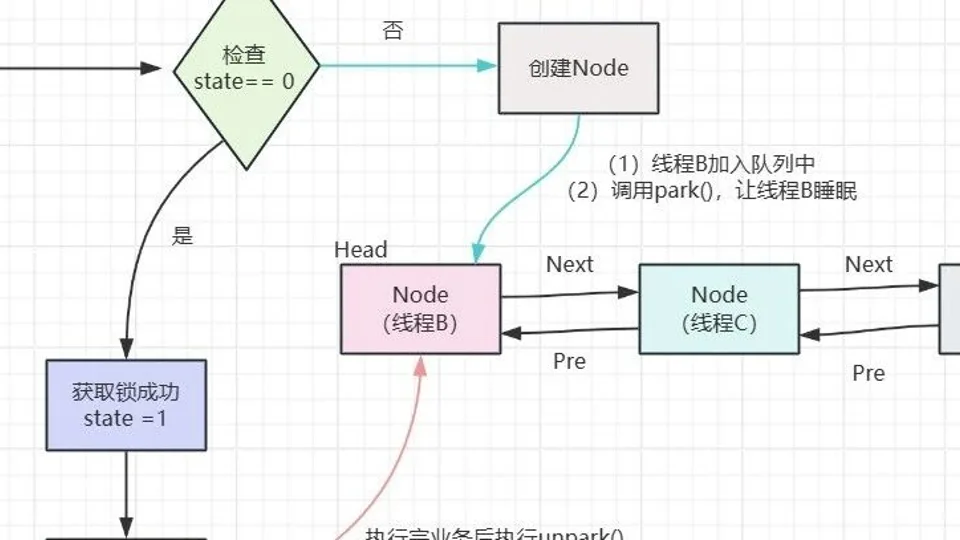
This article explains Java's AbstractQueuedSynchronizer (AQS) core model using a service counter analogy, detailing how the state variable and CLH queue manage thread synchronization, the template method pattern separating queuing logic from acquisition rules, and how LockSupport.park/unpark enable efficient thread blocking and waking, illustrated with ReentrantLock and CountDownLatch examples.
This article explains how false sharing occurs when independent threads modify variables on the same CPU cache line, triggering MESI protocol overhead that degrades performance, and covers detection methods using perf and VTune plus mitigation techniques like cache-line padding and thread-local storage.
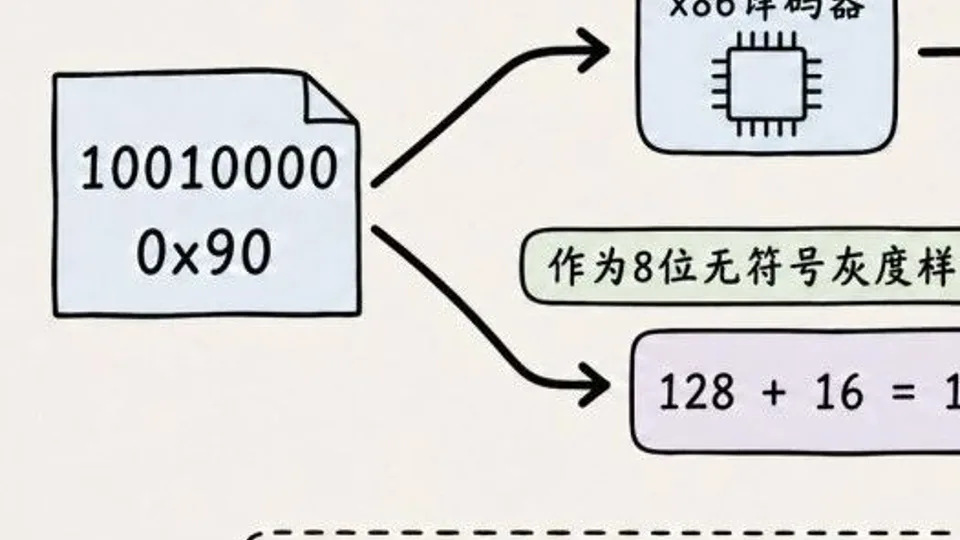
The CPU does not identify instructions or data by their binary appearance; instead, the program counter determines which bytes are fetched as instructions, the instruction set defines their encoding, and the executing program decides how to interpret data bytes, while memory permissions constrain execution.
This article uses 43 diagrams to explain computer network fundamentals including network concepts, ISP hierarchy, client-server and P2P communication, latency components, OSI and TCP/IP models, passband modulation, data link layer framing and error detection, VLANs, FTP protocol, and common port numbers.
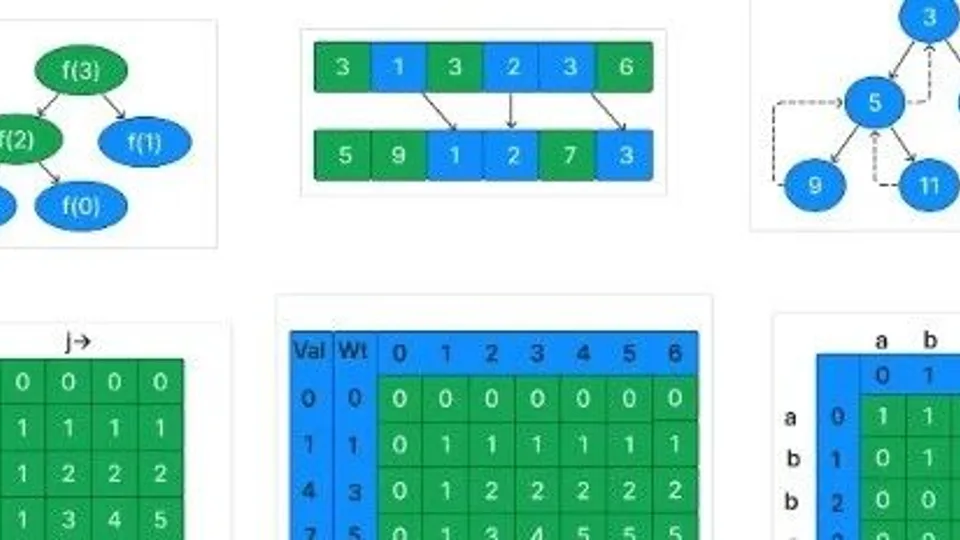
This comprehensive guide breaks down 20 essential dynamic programming patterns — including Fibonacci, Kadane's algorithm, knapsack variants, LCS, LIS, edit distance, grid/tree/graph DP, digit DP, bitmask DP, probability DP, and state machines — with LeetCode practice problems for each pattern to build recognition and problem-solving fluency.
This article explains Linux process states (TASK_RUNNING, TASK_INTERRUPTIBLE, TASK_UNINTERRUPTIBLE), the schedule() and wake_up_process() mechanisms, the lost wakeup race condition that occurs when a process checks a condition before setting its sleep state, and the correct pattern used in the Linux kernel—setting the state to interruptible before condition checking and looping with schedule()—to avoid indefinite sleep.
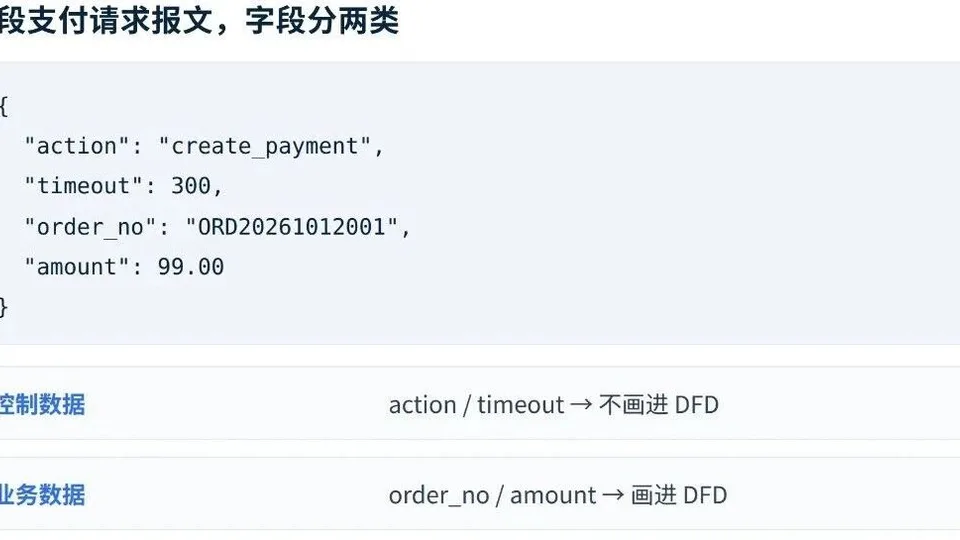
This article explains how a single JSON message can carry both business data and control signals, and why distinguishing them by purpose — not format — is critical for correct Data Flow Diagrams and choosing the right UML diagrams for control flow.
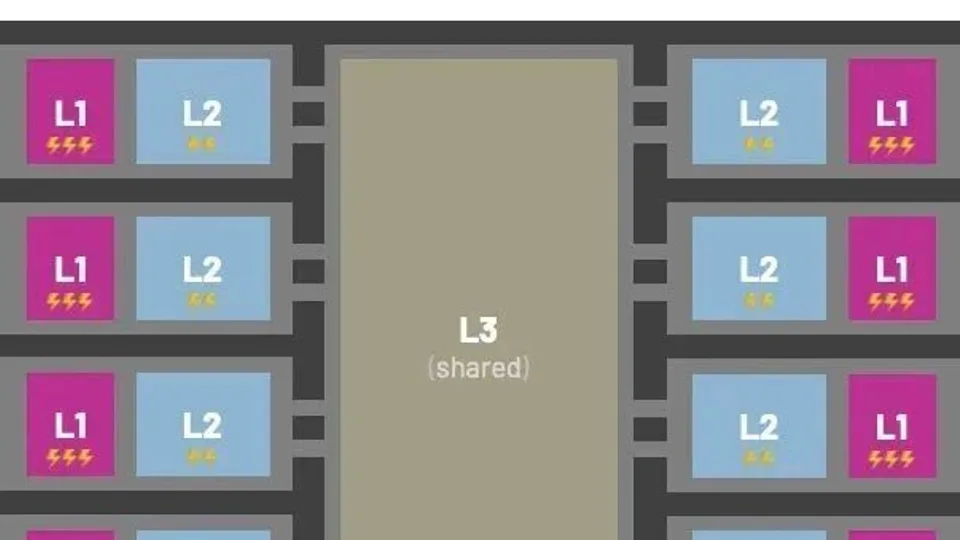
This article explains CPU cache fundamentals including cache lines, multi-level hierarchy (L1/L2/L3), direct-mapped cache placement with tags and valid bits, and demonstrates cache-friendly programming techniques such as optimizing memory access patterns, loop structure, struct alignment, and compiler optimizations to improve cache hit rates.
This tutorial explains the Observer design pattern with a Java implementation using an e-commerce order system where payment triggers logistics and procurement updates, demonstrating loose coupling between subject and observers.
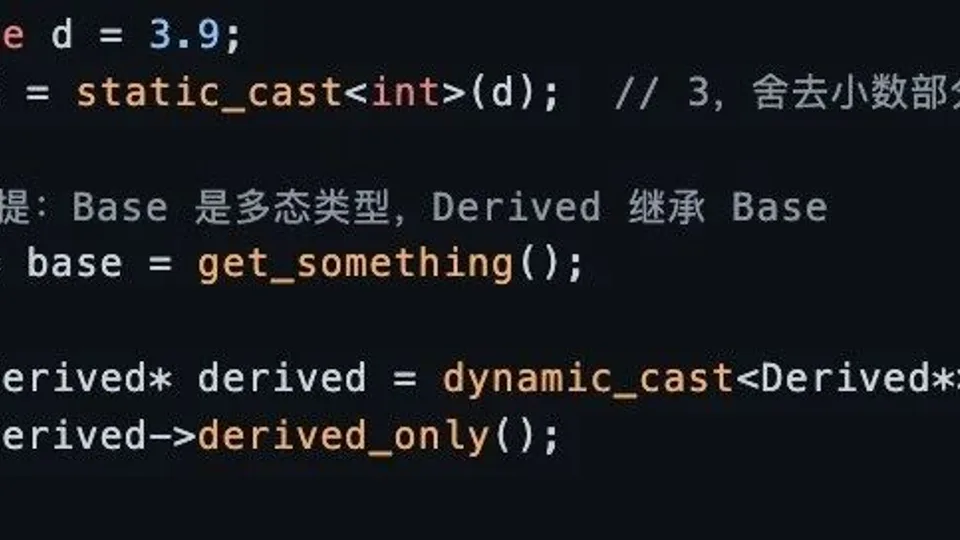
The article analyzes C++ complexities through variable initialization syntax variations, random number generation pitfalls and modern solutions, explicit type casting operators, and the multiple meanings of the static keyword, illustrating how backward compatibility drives language complexity.
This article explains the Chain of Responsibility design pattern with a practical Java example of a leave approval workflow, showing how it decouples request senders from receivers and enables flexible, extensible handling through a chain of handlers.
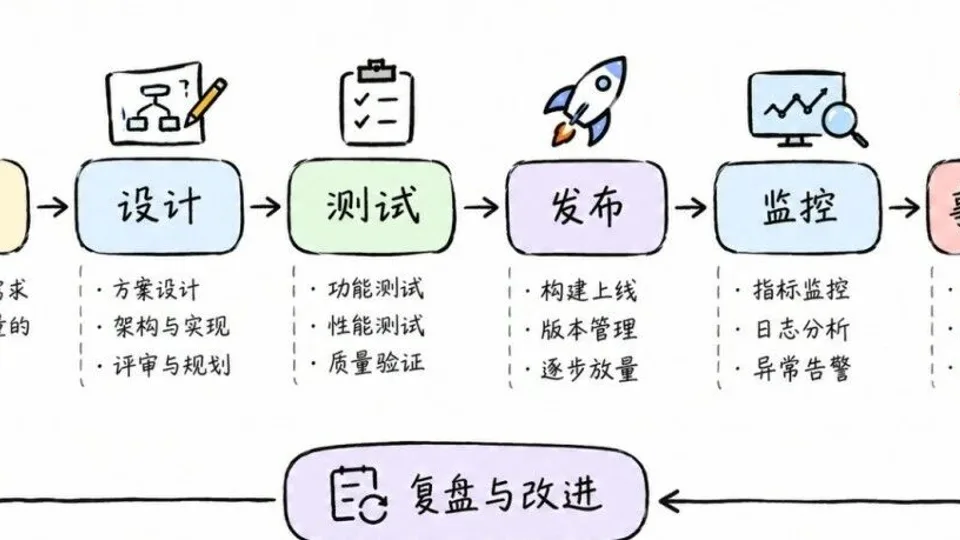
This article defines software reliability per ISO/IEC 25010, distinguishes it from availability and stability, and details five operational concerns — correct user-visible results, change management, blast radius, detection/recovery speed, and failure semantics — with concrete distributed-systems patterns like idempotency, fault domains, burn-rate alerting, and fault injection.
This article provides a comprehensive overview of data quality management, covering its definition, importance, six assessment dimensions, common issue sources, 12 typical data quality problems, 14 monitoring metrics, organizational roles, and a three-phase management strategy encompassing prevention, control, and remediation.
This article explains C pointers through four layers—C language semantics, compiler transformations, CPU execution, and memory mapping—covering pointer types, arithmetic, arrays vs pointers, dynamic allocation, embedded hardware access, and common errors like null and dangling pointers with assembly examples.
This article explains Error-Correcting Code (ECC) memory, how it detects and corrects single-bit errors while detecting double-bit errors, why Linus Torvalds experienced silent memory corruption in 2022, and why ECC remains rare in consumer PCs despite its critical role in data integrity for servers, databases, and long-running Linux workloads.
This article provides a decision matrix for selecting among 12 manufacturing ontology standards (BFO, STEP, AAS, GS1, ISO 15926), recommends toolchains (Protégé, Owlready2, PoolParty, Stardog), outlines a three-phase implementation roadmap, highlights six common pitfalls, and references Chinese case studies from Haier, CATL, Midea, and CRRC.
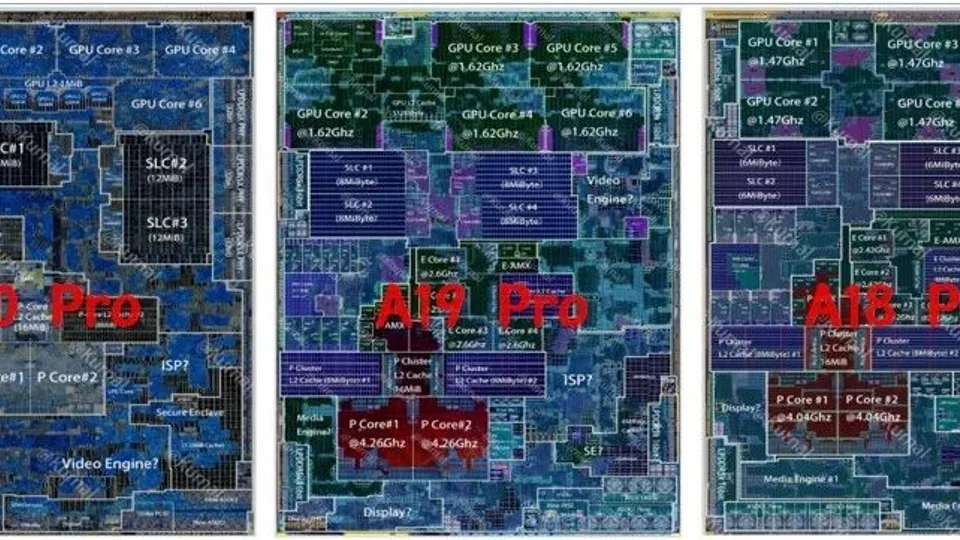
Kurnal Insights' die shots reveal Apple A20 Pro's 98.72mm² TSMC N2 die with ~260B transistors, 7-core GPU, 36MB unified SLC, 2P+4E CPU, and WMCM packaging, contrasted against Kirin 9050 Pro's 3D-stacked architecture and traced across A18/A19/A20 generational evolution.
This article provides a comprehensive deep dive into C# internals, covering the type system (value vs reference types, boxing, string immutability), OOP pillars, generics with covariance/contravariance, delegates/events, lambda/LINQ deferred execution, async/await state machines and synchronization context, reflection performance, Span/Memory zero-allocation patterns, and source generators for compile-time metaprogramming.
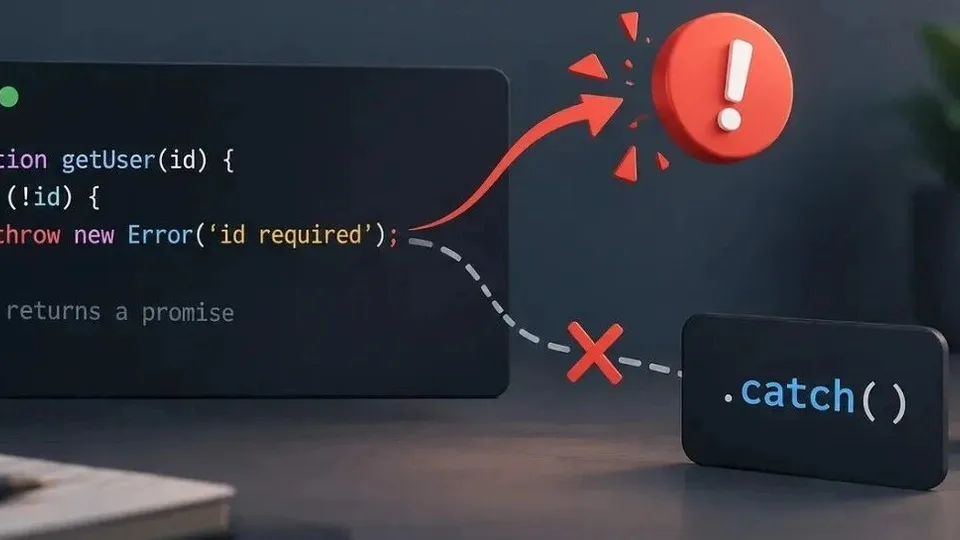
The article explains why .catch() doesn't catch synchronous exceptions thrown before a Promise is returned, illustrates common scenarios like validation and JSON.parse, shows debugging clues (Uncaught Error vs unhandledRejection), and presents solutions: Promise.try(), async functions, and try/catch with await, including browser/Node support and a polyfill for older runtimes.
This article explores SNOBOL, a 1962 string-processing language that pioneered first-class patterns, automatic garbage collection, a portable virtual machine, and associative arrays—features decades ahead of their time—yet lost to simpler regex-based tools like AWK and Perl.