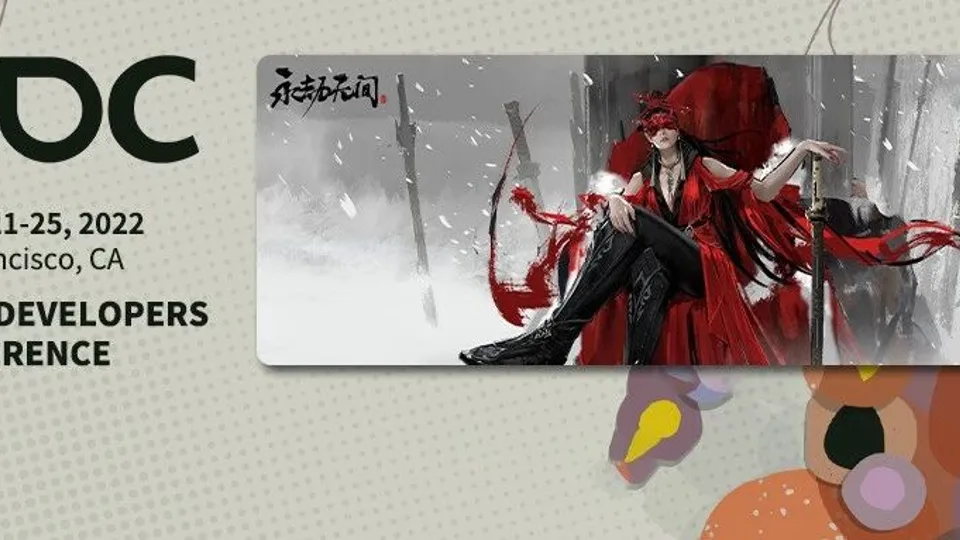
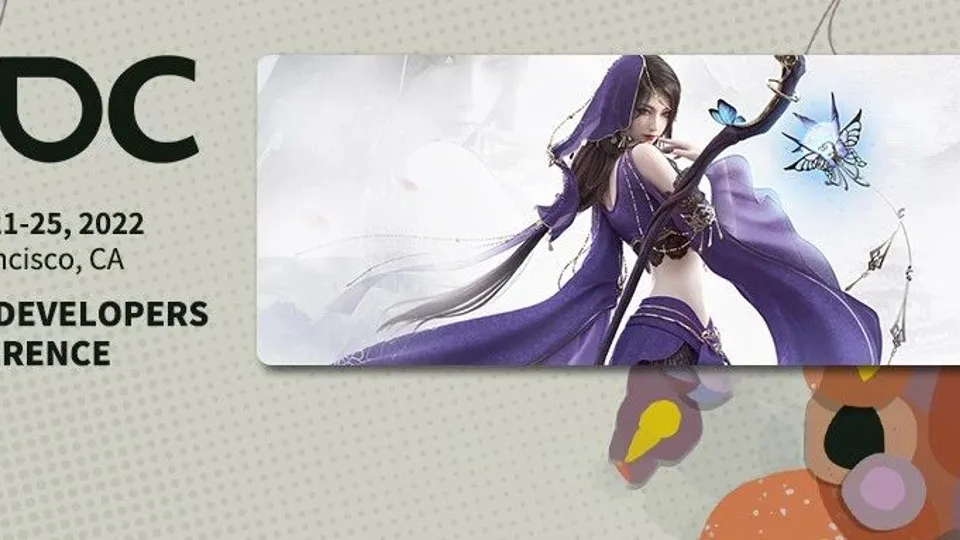
This article recounts the GDC 2022 talk by LeiHuo UX on the UX design of Naraka: Bladepoint, detailing the game’s core concepts, four development stages, combat simplification, balance adjustments, resurrection redesign, and the surprising impact of its face‑customisation system, all driven by the central "freedom" philosophy.
This guide demonstrates how to enable touch‑based movement for a hero character, add directional walking animations, integrate animation logic, and implement physics‑based collision detection with walls in Cocos Creator, including code snippets for event handling, animation state management, and physics component setup.
This article explains the fundamentals of project quality management for game development, linking theoretical concepts from PMBOK to practical QA activities such as defining standards, implementing quality processes, controlling quality, and continuously improving through data‑driven analysis and PDCA cycles.
This article examines how music rhythm games have evolved from arcade origins to mobile platforms in China, highlighting their psychological appeal, scoring mechanics, competitive features, and integration with RPG elements, while comparing market maturity with Japan and showcasing notable titles such as Deemo and Cytus.
This case study explains how a UE4‑based visualization tool models building geometry, solar angles, and seasonal lighting to let users remotely assess residential daylight quality, improving decision‑making for families while optimizing performance through asset reduction and Git‑based workflow integration.
Rotating a 2‑D vector is performed by multiplying it with the matrix [[cos θ, ‑sin θ],[sin θ, cos θ]], yielding the new coordinates (x cos θ ‑ y sin θ, x sin θ + y cos θ); a short JavaScript function implements this, turning [3,2] into [‑2,3] for a 90° counter‑clockwise rotation and also rotates the basis vectors.
This tutorial explains how to use the Tiled map editor to design tile‑based levels, import and configure the generated maps in a Cocos Creator project, add animations, replace maps, and switch to curve‑based collision walls for smoother gameplay.
This article explores how open storylines, multi‑dimensional stats, random gameplay, rich visual presentation, and free exploration—combined with thoughtful interaction design—can dramatically increase a game's replay value and keep players engaged over the long term.
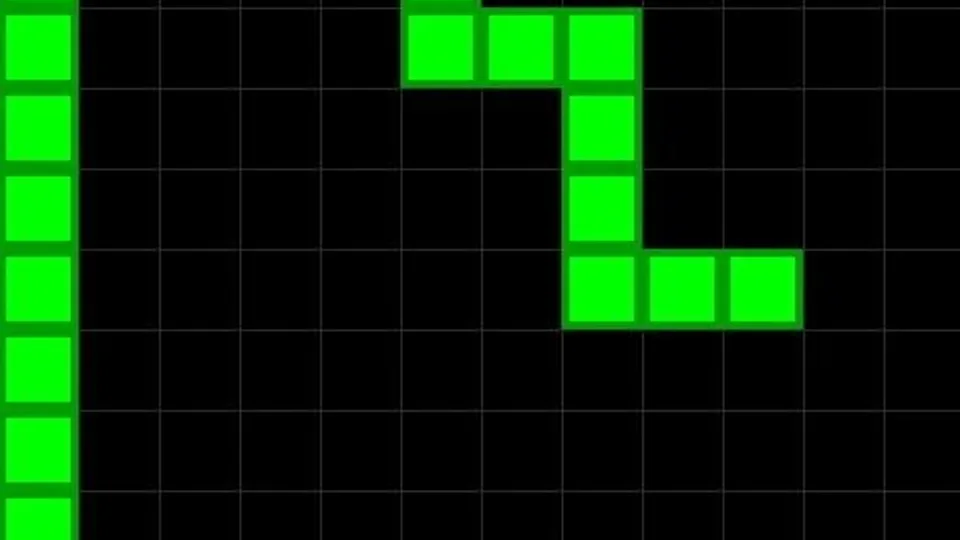
This tutorial walks you through creating a fully functional Snake game in Python with Pygame, covering required environment setup, visual assets, and a complete source code example that demonstrates grid handling, movement logic, collision detection, and scoring.
The article analyses puzzle‑game design by breaking down core elements such as puzzle purpose, metaphorical world‑building, player progression, and the use of non‑textual cues, illustrating how thoughtful interaction design, goal structuring, and purposeful misdirection create engaging and immersive puzzle experiences.
This tutorial walks you through configuring scene assets, creating player, star, and game controller scripts, adding movement, jump, scoring, failure detection, and audio effects in Cocos Creator, providing complete code snippets and editor instructions to build a functional 2D platformer.
This article explains how massive online game user data can be turned into insightful visualizations by distinguishing in‑game and out‑of‑game contexts, focusing on core metrics such as activity, retention, and payment, and recommending suitable chart types and web‑based visualization tools.
The article explains how spurious correlations can mislead game designers and product managers, illustrates the difference between correlation and causation with real‑world examples, and offers practical methods such as focusing on passive variables, ensuring hard stratification, and using behavior‑chain matching to draw more reliable conclusions.
This article explains how an electronic sand table built with UE4 overcomes the limitations of physical models by offering realistic, data‑driven 3D visualizations of residential projects, detailing its modular resource library, intelligent generation rules, and the practical lessons learned during development.
This article shares NetEase’s six‑year experience in building an early‑stage game evaluation framework presented at GDC 2022, outlining how to define “early” phases, key success metrics, practical assessment methods, common pitfalls, and actionable recommendations for creating better games.
The BVA format is a Chinese‑localized, glTF‑based 3D avatar standard and open‑source Unity SDK that unifies avatar specifications, adds facial‑capture and extensible features, supports scene export, multithreaded and on‑demand loading, and works across Unity, WebGL, Maya, Blender and other platforms.
This article describes how to build a simple typing game in Python using Tkinter and pygame, covering the inspiration, required modules, asset preparation, project structure, class design, and implementation details, along with code snippets and visual examples.
This article explains what white‑box analysis is, why it matters for game feature testing, outlines a complete testing workflow from requirement to post‑release, and provides concrete examples and tips for QA engineers to improve test precision and efficiency.
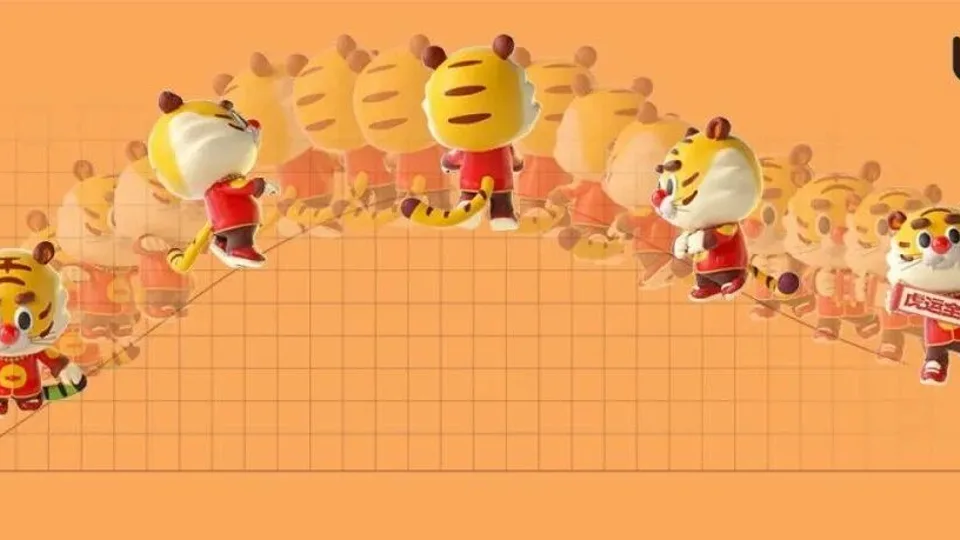
This article outlines the complete workflow for creating a 3D Chinese New Year mascot, covering character concept, skeleton and facial rigging in Cinema 4D, script and storyboard planning, keyframe animation principles, secondary actions, anticipation, inertia, interactivity, and optimization for game deployment.
This article explains how to design and code a hint feature for a 24‑point puzzle app on iOS, covering random number generation, validation of solvable sets, recursive expression search, expression‑to‑string conversion, optimization of parentheses, and provides complete Swift source code with detailed algorithmic explanations.